Daily Life · Russia
Russia: Half the Country Keeps a Garden
Grandparents doing the school run, a working day still built around a fixed lunch hour, and a nation where, for tens of millions of people, the real point of the week is a modest garden plot outside the city
By Worldlore Editorial · 30 September 2026
Across eleven time zones, most ordinary Russian life is concentrated in cities of flats rather than open country: about three-quarters of the population is urban, and the working week runs a fairly uniform Monday to Friday, eight hours a day, with a fixed lunch break. What varies far less than the vast geography might suggest is the rhythm underneath it — a household built around a small apartment, a job that starts and ends at set hours, and, for a very large share of the population, a second, unpaid job at a garden plot outside town the moment the working week ends. Since 2022, that rhythm has also had to absorb rising prices, a tighter labour market in some sectors, and the departure of many younger, educated workers, without changing its basic shape all that much.
Family and home life
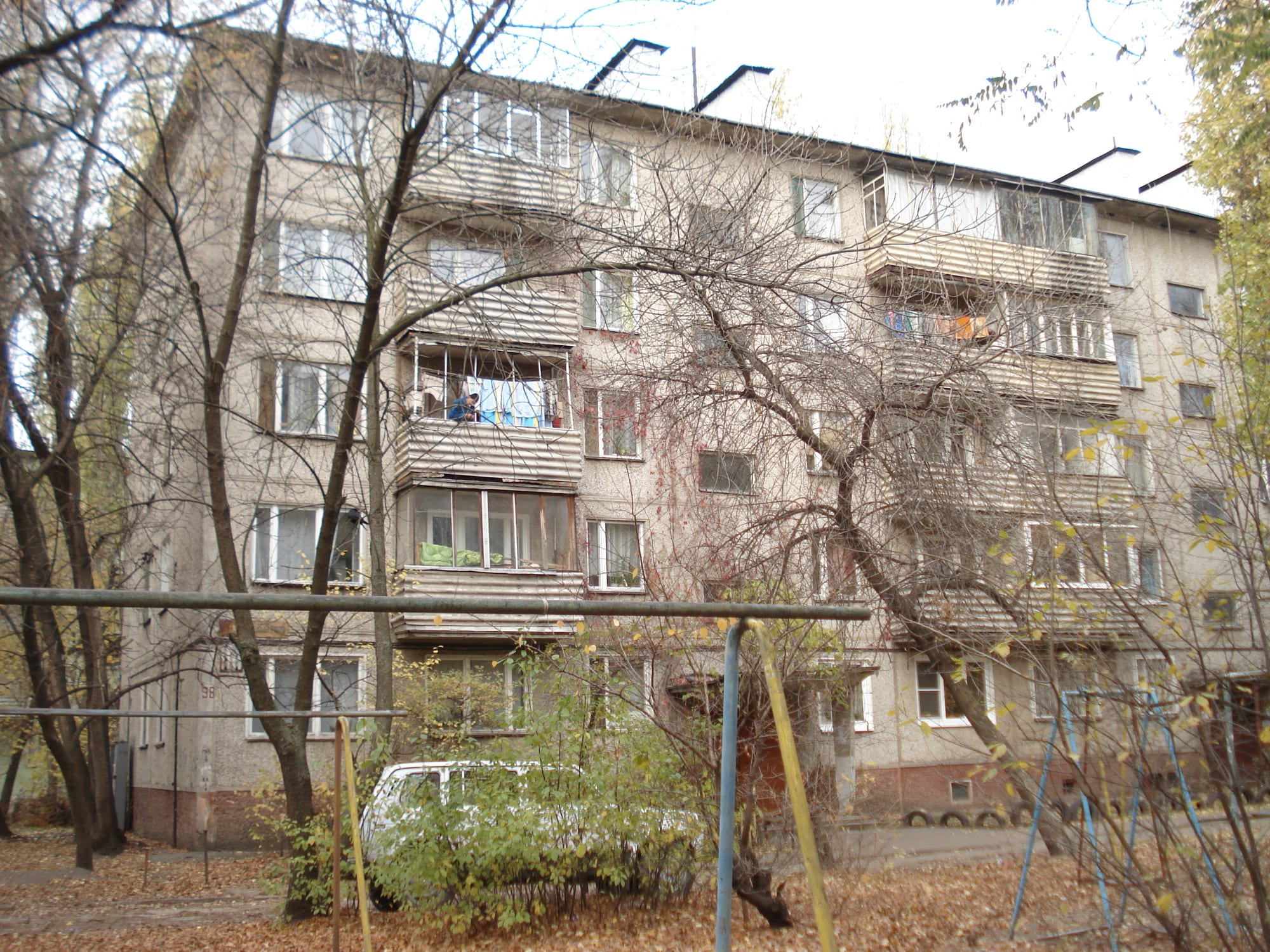
Russian households have grown smaller and more nuclear over the past three decades, with far more people living alone than before and extended families increasingly living apart rather than under one roof. Even so, grandparents remain closely involved in raising children, often collecting them from school or nursery and covering the hours between the school day ending and parents finishing work, a pattern that persists partly because full-time work by both parents is the norm. Most people live in apartments rather than houses — around two-thirds nationwide, according to a Russian Public Opinion Research Center survey — and much of the older housing stock is the five-storey, prefabricated concrete blocks built at speed from the late 1950s onward to solve a chronic postwar housing shortage. Many of these blocks have been renovated or reclad since, but their basic layout, small kitchens and narrow balconies, is still what "home" looks like for a large part of the country.
Work, school and the rhythm of the day
The standard working week is 40 hours, usually arranged as five eight-hour days with a lunch break, often of about an hour, typically somewhere between 9am and 6pm in an office job. School runs five or six days a week depending on the school and year group, with most pupils attending a single morning-to-early-afternoon shift, though some schools still run two shifts to cope with limited classroom space. Since the 2022 invasion of Ukraine and the sanctions that followed, the labour market has pulled in different directions at once: defence-linked industries and some manual trades have seen sharp wage rises as employers compete for scarce workers, while high inflation has eaten into real incomes elsewhere, and a significant number of younger, educated professionals left the country in 2022 and after, thinning out some urban workplaces.
Community life and public spaces
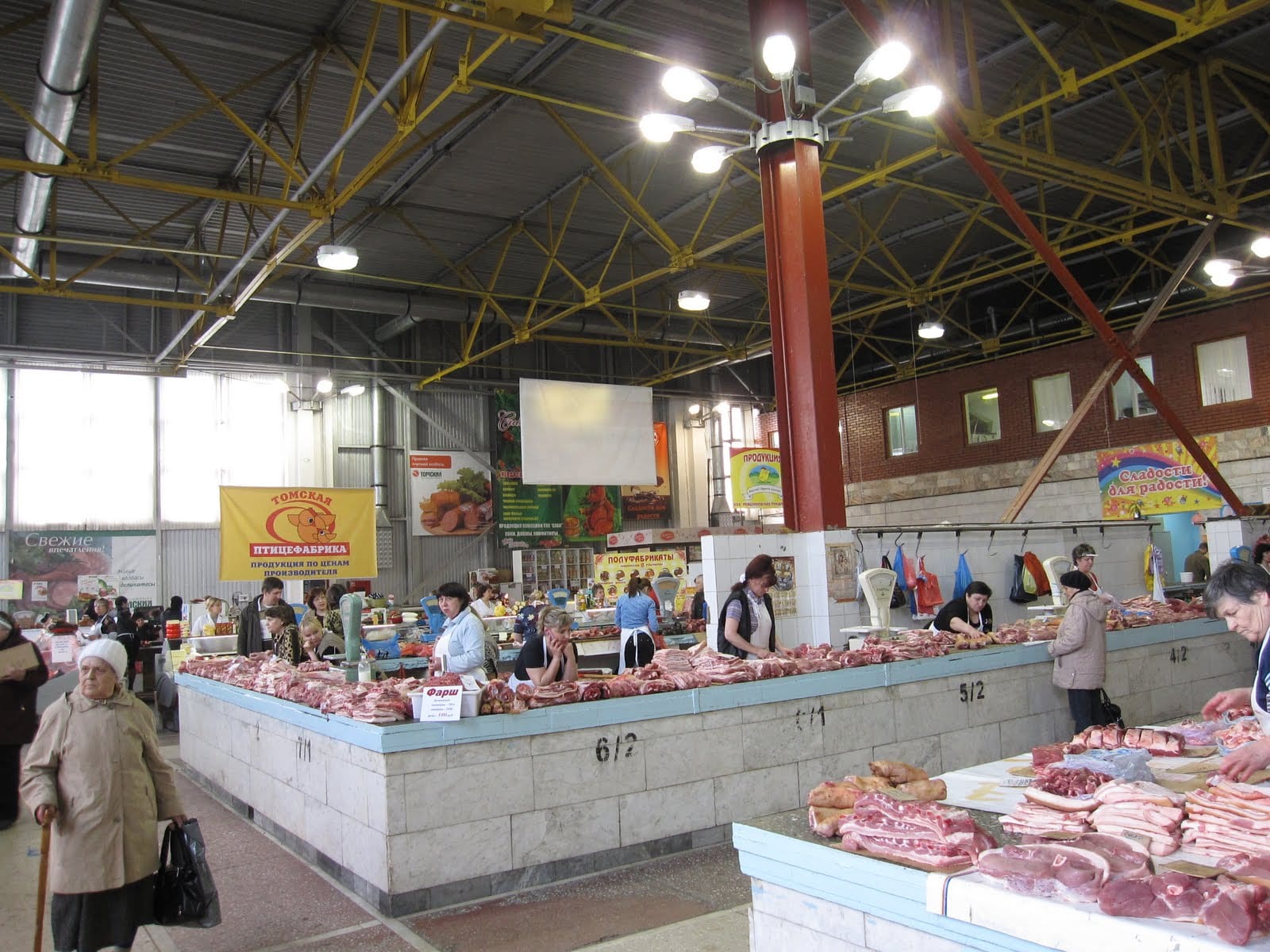
Markets remain a genuine fixture of daily shopping alongside supermarkets, especially for fresh produce, and covered market halls in cities are busy through the week, not just at weekends. Public transport carries most of daily life in the cities: metro systems in Moscow, St Petersburg and several other large cities are fast, frequent and heavily used, and buses, trams and shared minibuses called marshrutky fill in everywhere the metro doesn't reach. Courtyards between apartment blocks function as informal neighbourhood space, with benches, playgrounds and, often, a few parked cars, rather than any single dedicated town square doing that job nationwide.
Free time and weekends
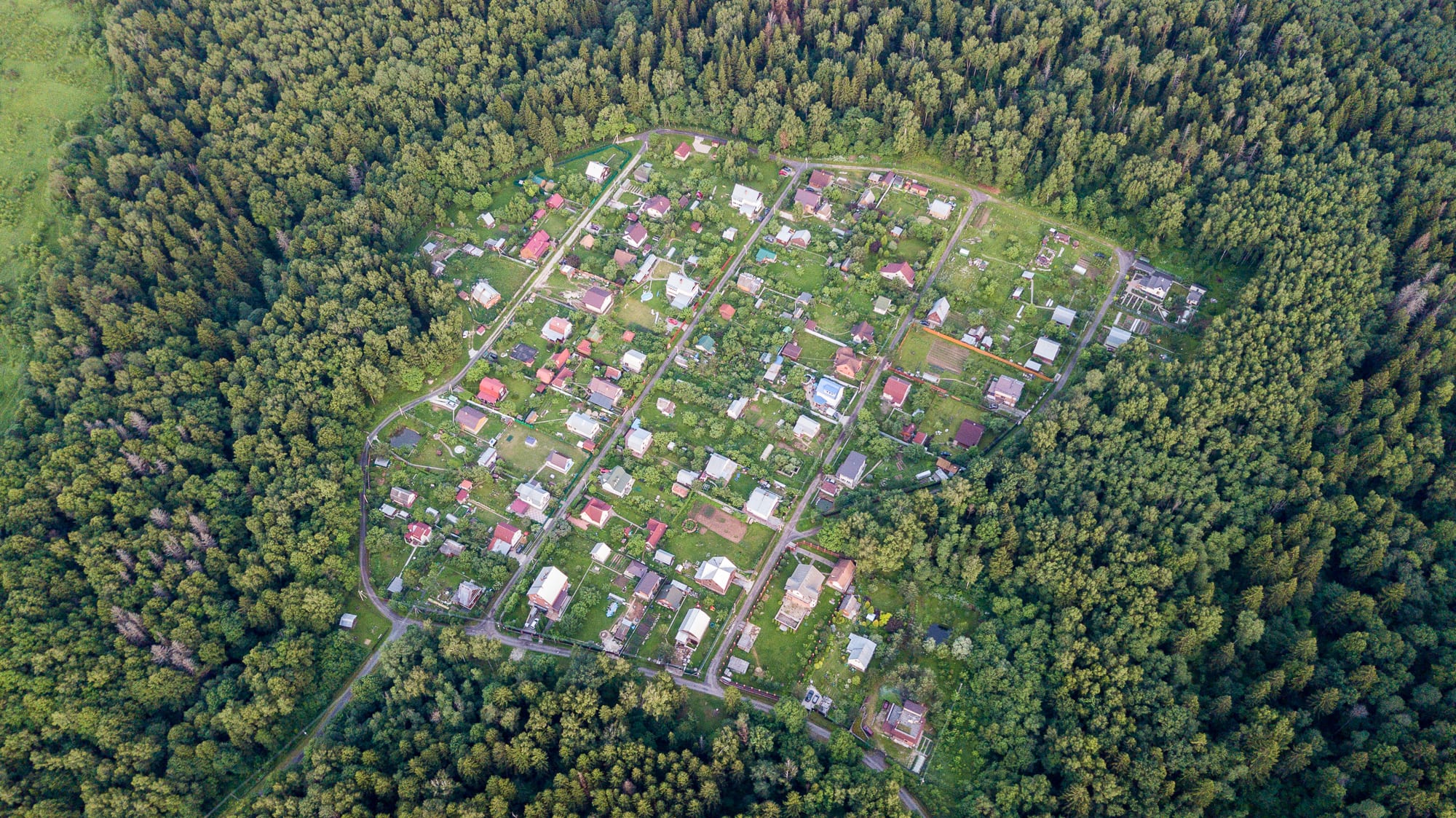
The dacha shapes free time more than any other single institution: from late spring to early autumn, a very large share of city dwellers leave on Friday evening or Saturday morning for a small country cottage and garden plot, where growing vegetables and preserving them for winter is still a genuinely practical activity for many households, not a hobby. The wood-fired banya, a wood-heated steam bath often built as a small separate structure, is a common feature of dachas and a wider social institution beyond it. In winter, weekends shift indoors and toward football and ice hockey, both followed closely nationwide, and toward family visits; cross-country skiing and skating are common wherever there's reliable snow and ice.
A visitor's ordinary day
Most Western governments advise against all travel to Russia. For those who do go, Russia runs on cash for the simple reason that foreign-issued Visa and Mastercard have not worked since 2022, and there is no reliable workaround; travellers bring hard currency, usually US dollars or euros, and exchange it for roubles locally. Shops and services generally keep hours similar to much of Europe, open by mid-morning and closing in the evening, with supermarkets often open longer. The metro is the easiest and cheapest way to move around any large city and is paid with a rechargeable transport card or contactless payment; for anything the metro doesn't reach, the Yandex Go app is the standard way to book a taxi. Yandex Maps is the most widely used local alternative to Google and Apple Maps.
What to take away
What holds Russian daily life together, across a country too vast to generalise about in any other way, is less a single custom than a shared shape to the week: fixed working hours through five weekdays, and, the moment they end, tens of millions of people heading out of the city to a small patch of garden that is as much a national habit as any monument.