Attractions & Natural Wonders · Russia
Russia: Ten Attractions and Natural Wonders
The world's largest country by far, holding an onion-domed cathedral known the world over, the deepest lake on earth, and an entire wooden church built without a single nail — described here for reference amid an ongoing war and sweeping international sanctions
By Worldlore Editorial · 10 September 2026
The largest country on earth
Russia spans eleven time zones and roughly a ninth of the world's inhabited land, holding an extraordinary range of landscape and history within a single nation — Tsarist imperial architecture and Soviet-era monuments in its western cities, the deepest lake on earth in Siberia, and vast, largely untouched wilderness stretching to the Pacific. At the time of writing, however, Russia is engaged in a full-scale war against Ukraine that began in February 2022 and remains ongoing, and is subject to sweeping international sanctions and near-total severance of commercial air links with Western countries as a result.
The seven sights below are described for reference and cultural context, not as a current travel recommendation — read the note at the end before treating any of this as a travel plan.
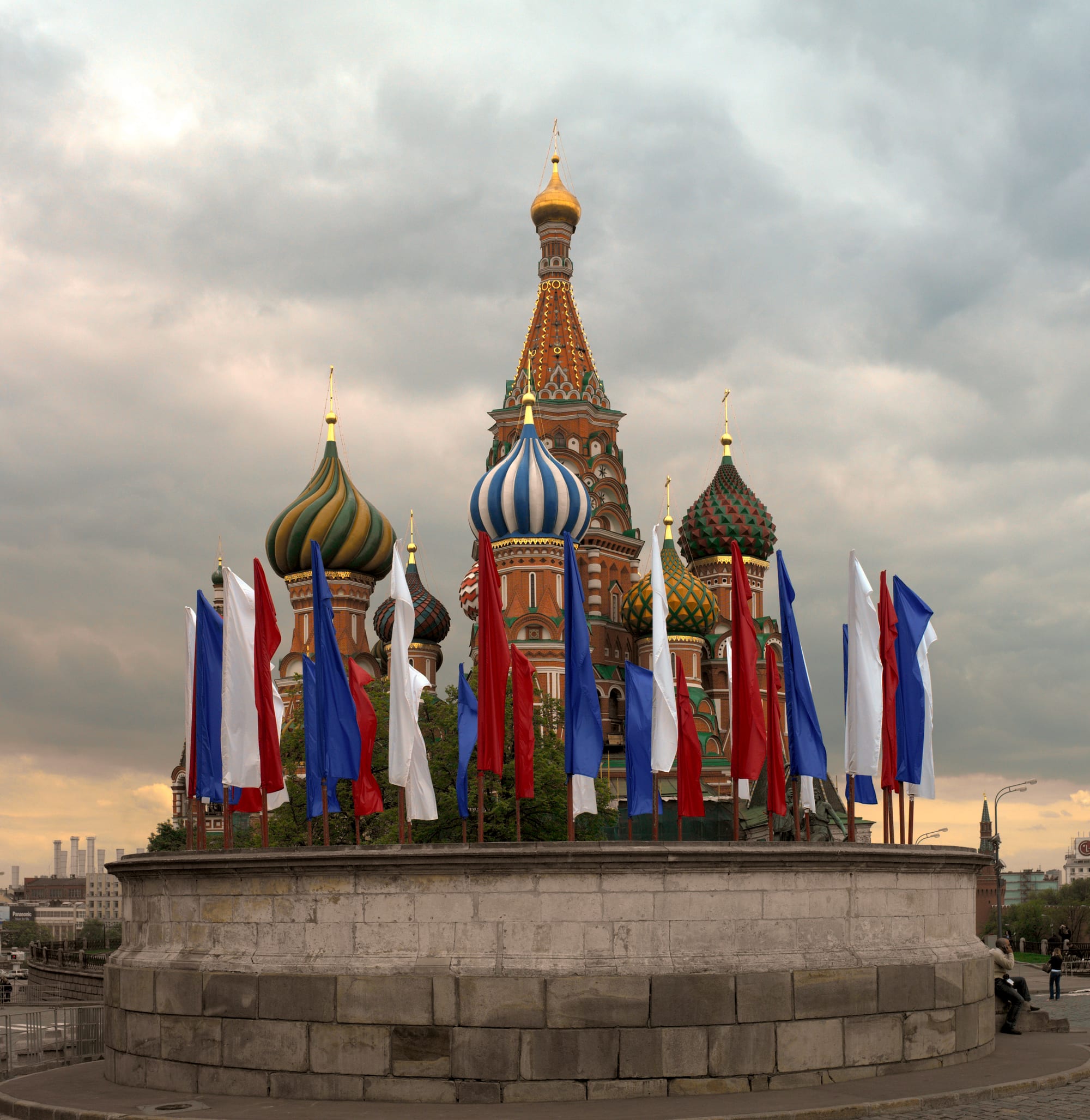
1. Red Square and St Basil's Cathedral, Moscow
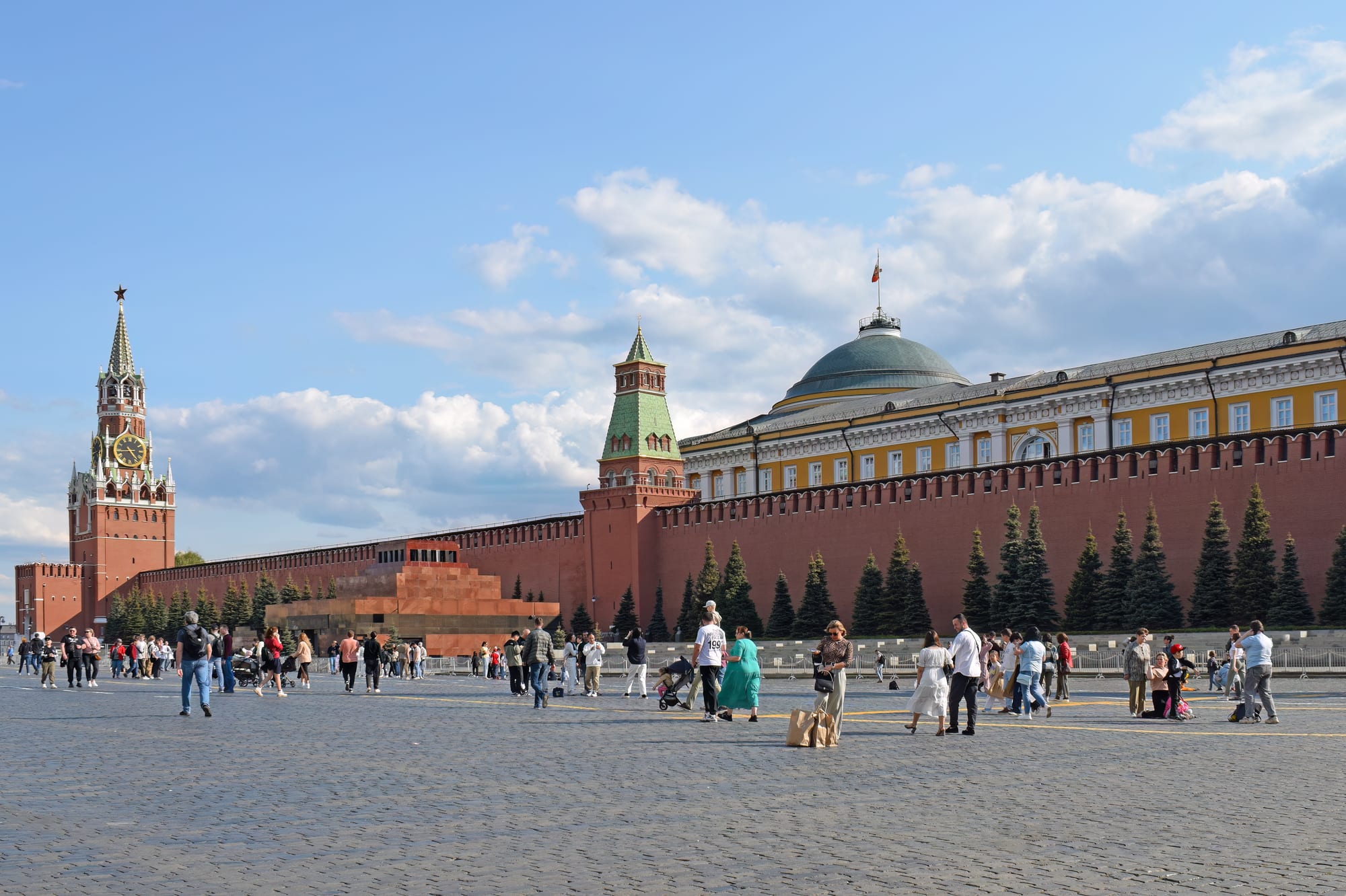
Red Square, bordered by the Kremlin walls, has been the symbolic centre of Russian political power for centuries, and St Basil's Cathedral, with its riot of colourful onion domes completed in 1561 under Ivan the Terrible, remains one of the most instantly recognisable buildings anywhere in the world. The wider Kremlin complex, a UNESCO World Heritage Site, holds centuries of Russian religious and political history within its walls.
2. The Hermitage Museum, St Petersburg
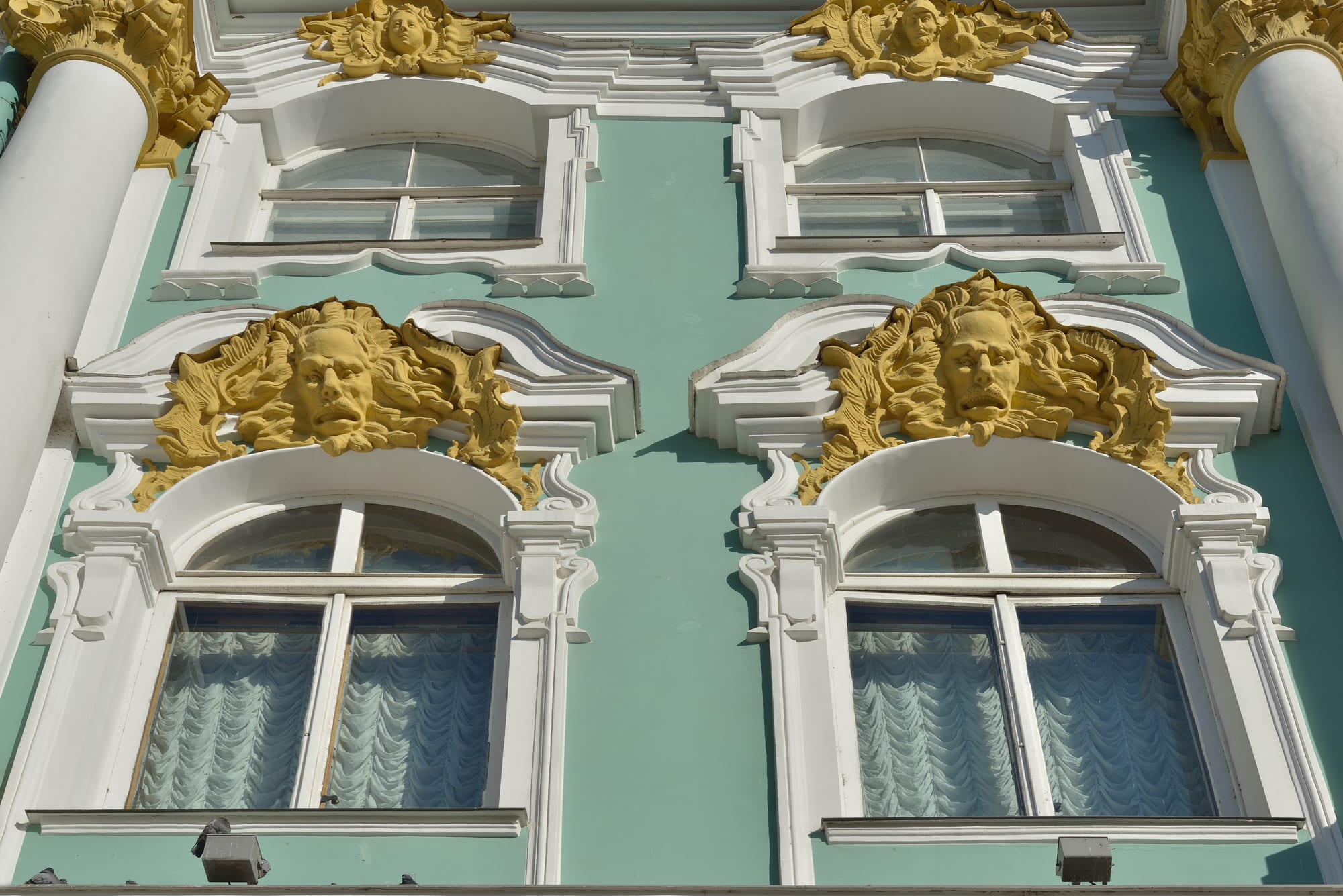
The State Hermitage Museum, housed in the former Winter Palace of the Russian tsars, holds one of the largest and most significant art collections on earth, spanning millions of items across an interconnected complex of ornate imperial buildings along the Neva River. St Petersburg itself, built by Peter the Great as a deliberately European-facing capital, remains one of Russia's most architecturally striking cities.
3. Lake Baikal
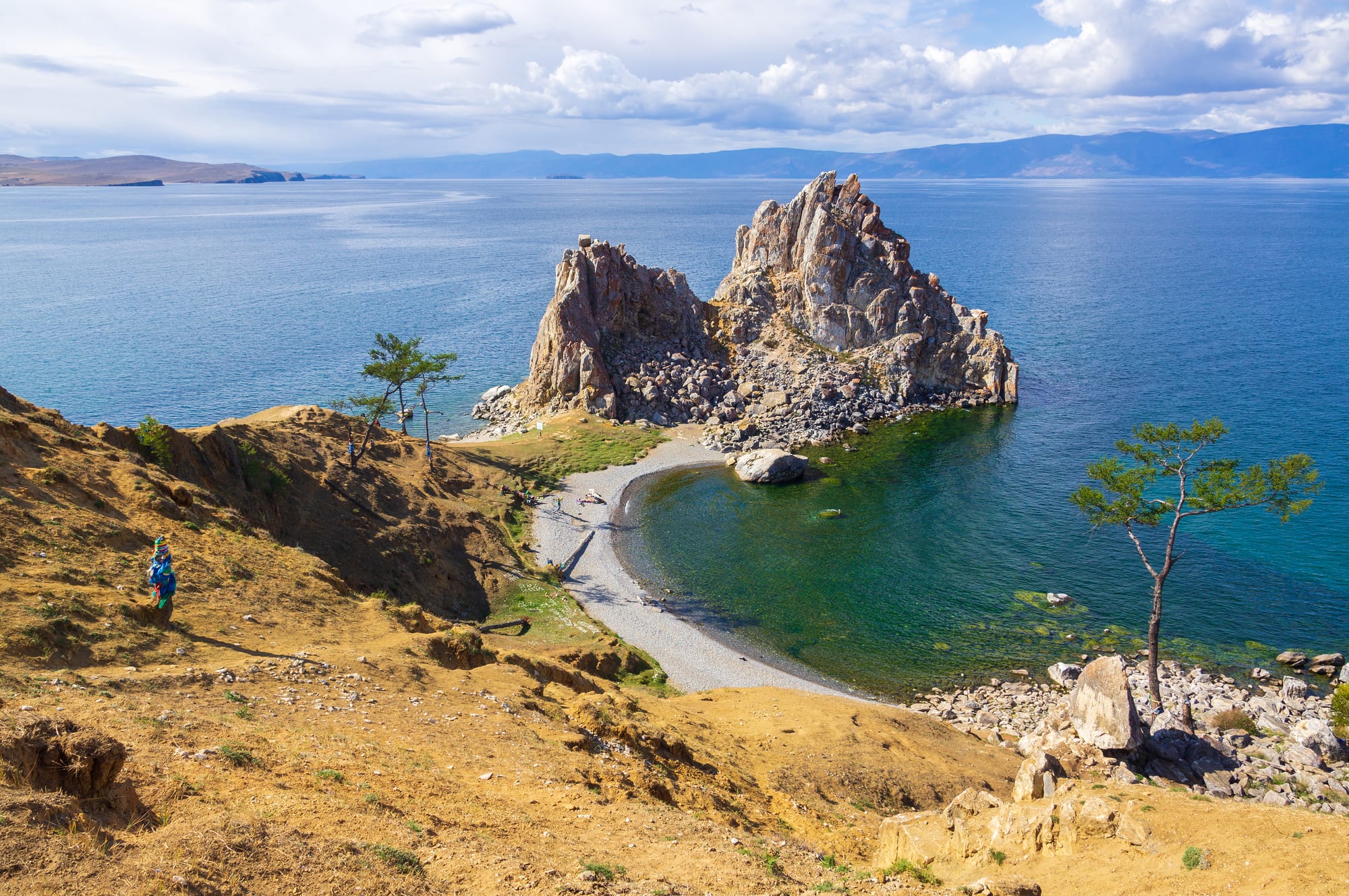
Lake Baikal, in southern Siberia, is the deepest lake on earth and holds roughly a fifth of the world's unfrozen fresh water, along with an exceptional number of species found nowhere else, including the freshwater Baikal seal. In winter the lake freezes into clear, cracked ice sheets thick enough to drive across; in summer its waters are prized for their clarity, visible many metres down.
4. The Trans-Siberian Railway
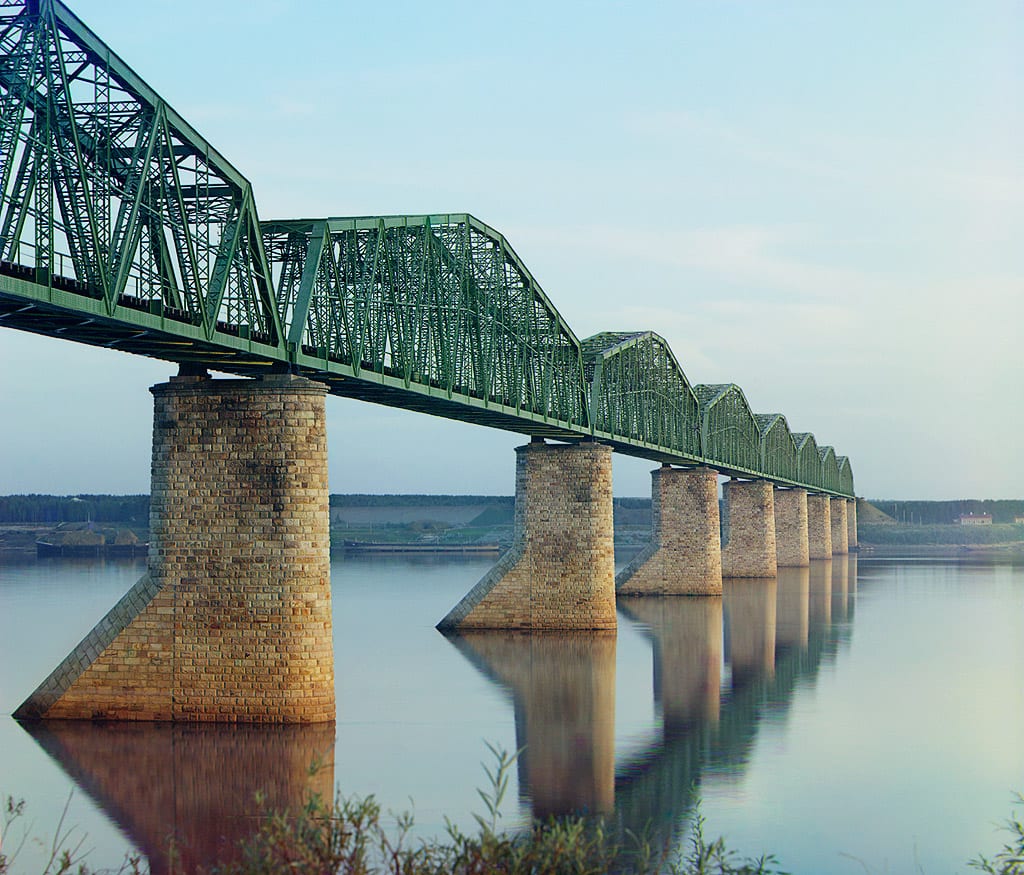
The Trans-Siberian Railway, completed in 1916 and stretching roughly 9,300 kilometres from Moscow to Vladivostok, remains the longest railway line in the world, crossing eight time zones through Ural mountain country, Siberian taiga, and the shores of Lake Baikal. The full journey traditionally takes around a week, historically one of the great overland train journeys available anywhere.
5. Kizhi Pogost
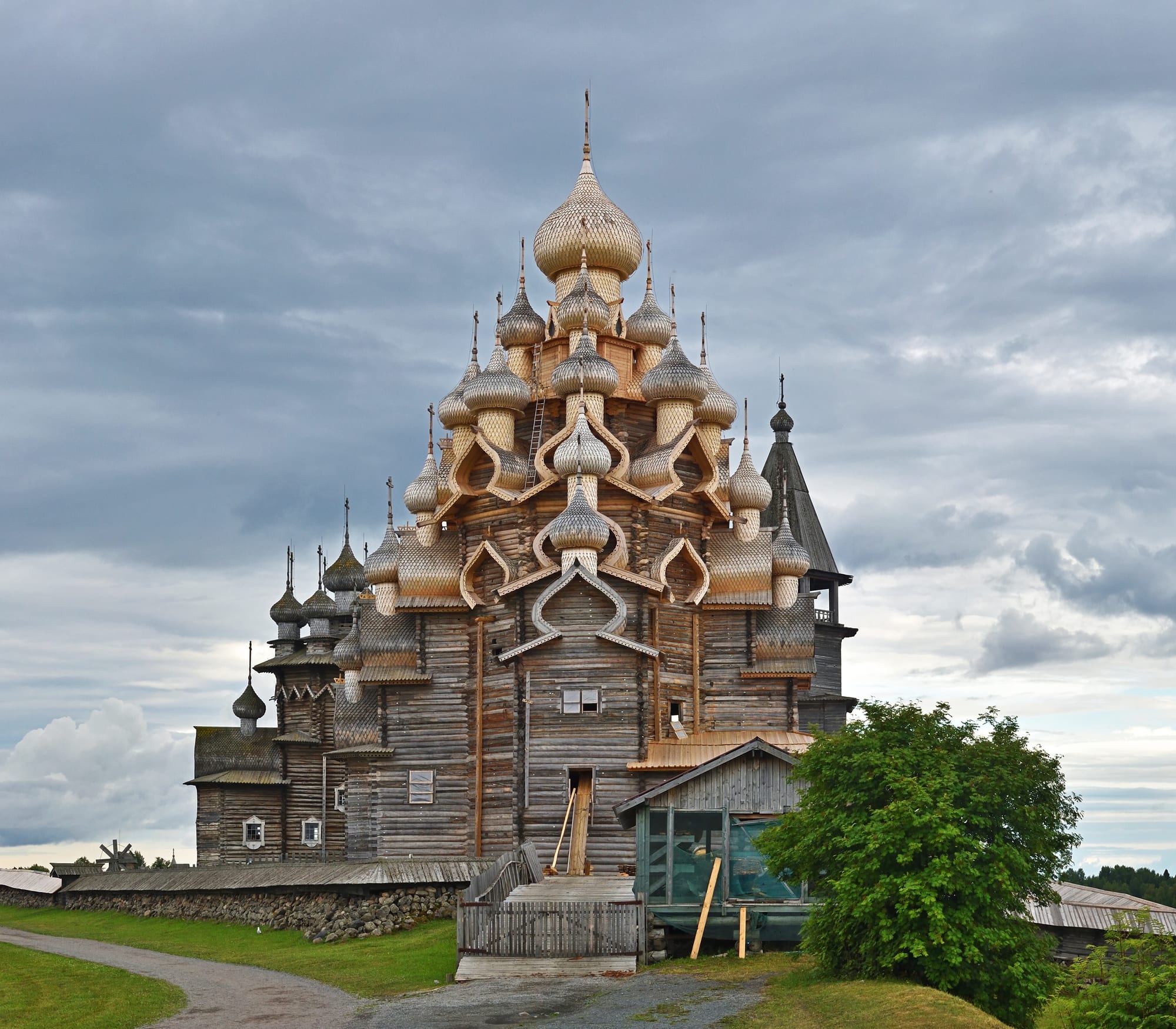
Kizhi Pogost, on an island in Lake Onega in Russia's northwest, holds an extraordinary 18th-century wooden church complex built using traditional carpentry techniques with no nails at all — the 22-domed Church of the Transfiguration is considered one of the finest surviving examples of Russian wooden architecture and a UNESCO World Heritage Site.
6. The Golden Ring
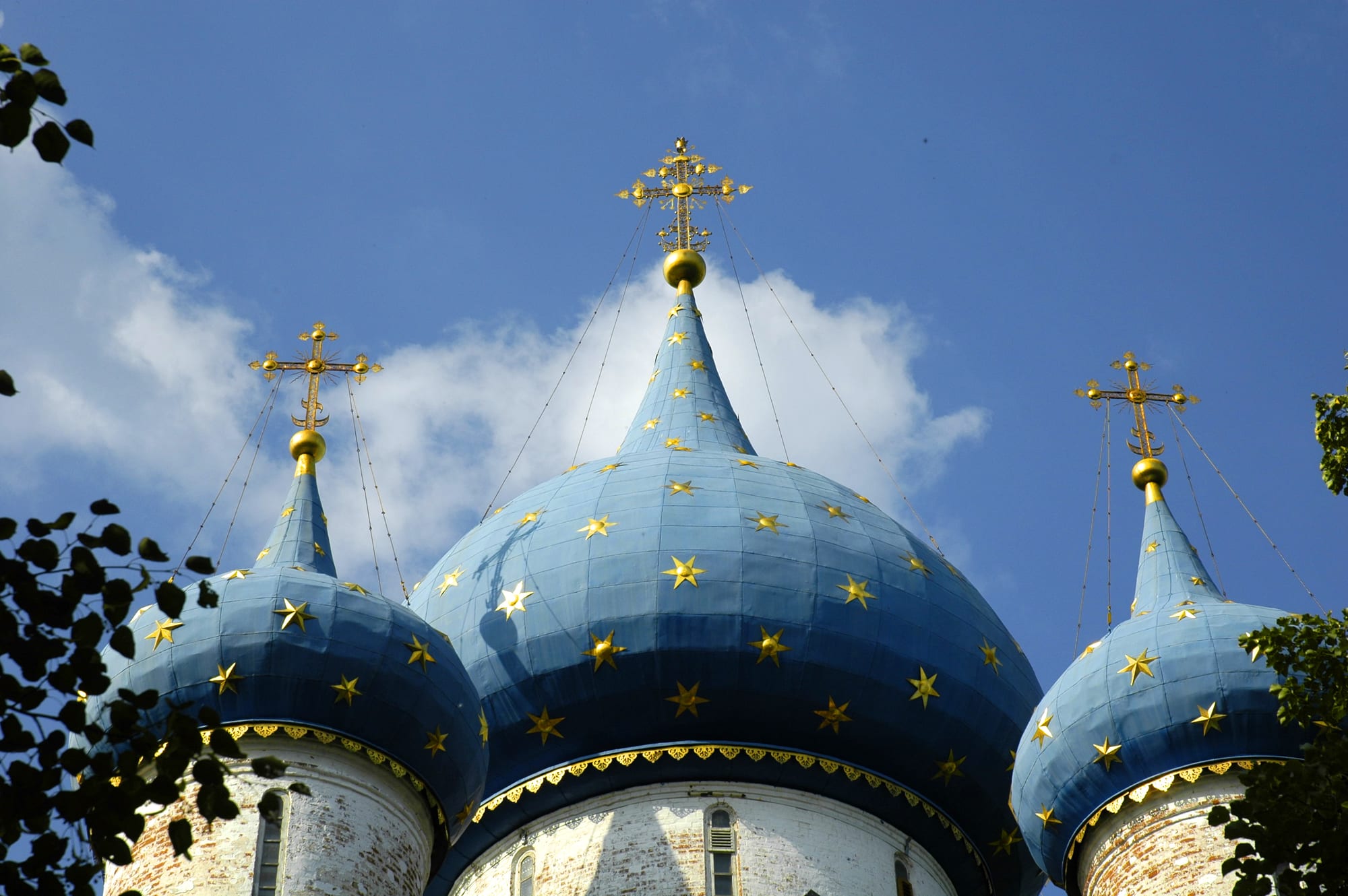
The Golden Ring, a loop of historic towns northeast of Moscow including Suzdal, Vladimir, and Sergiev Posad, preserves some of Russia's oldest and best-preserved medieval architecture — white-stone cathedrals, monasteries, and wooden churches dating in some cases to the 12th century, several inscribed together as a UNESCO World Heritage Site.
7. Kamchatka's volcanoes
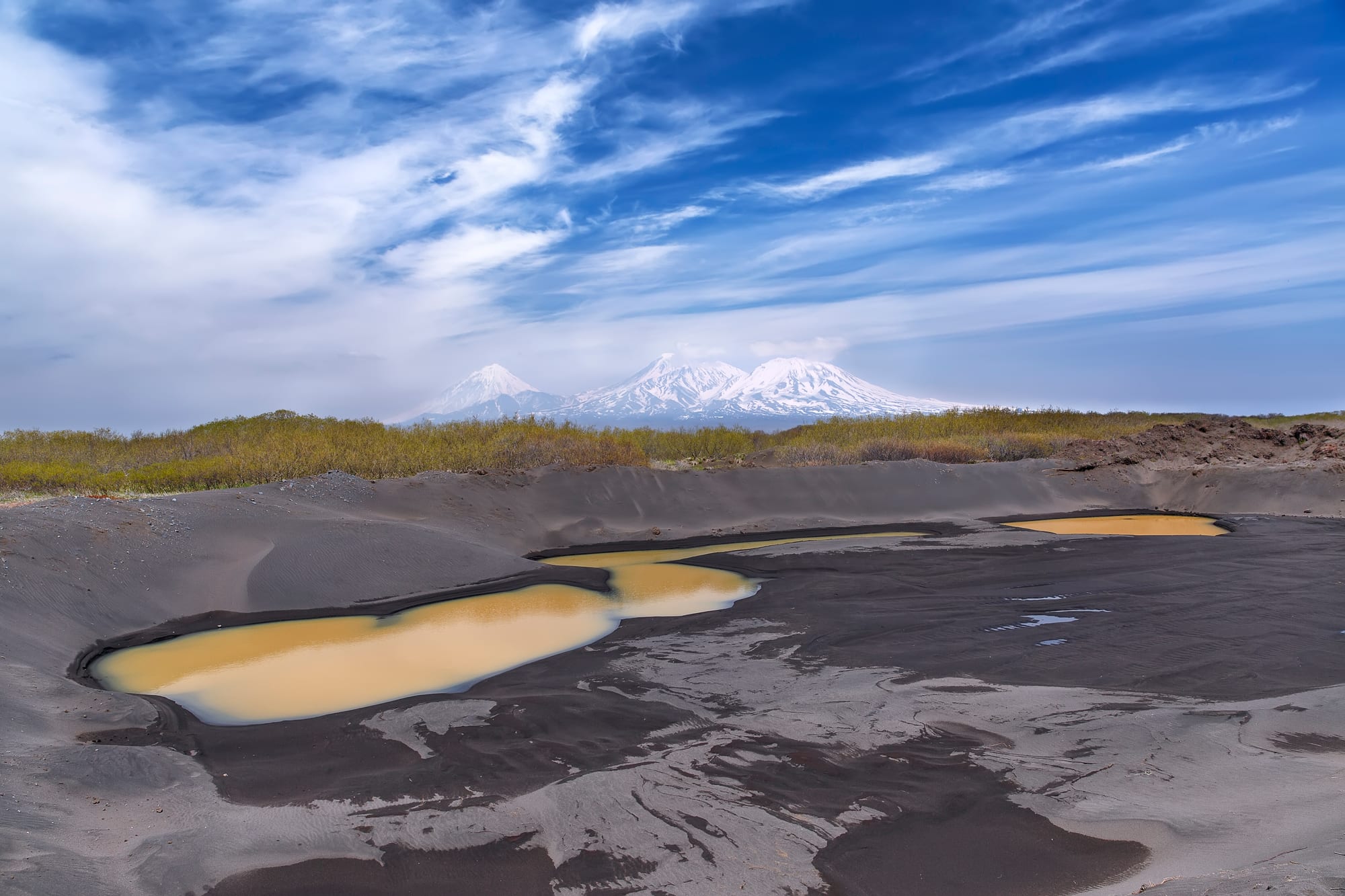
The Kamchatka Peninsula, in Russia's remote far east, holds one of the highest concentrations of active volcanoes on earth, along with geysers, hot springs, and dense populations of brown bears — a UNESCO World Heritage Site so remote it remains reachable mainly by helicopter or expedition tour, even for those able to travel within Russia.
8. Peterhof
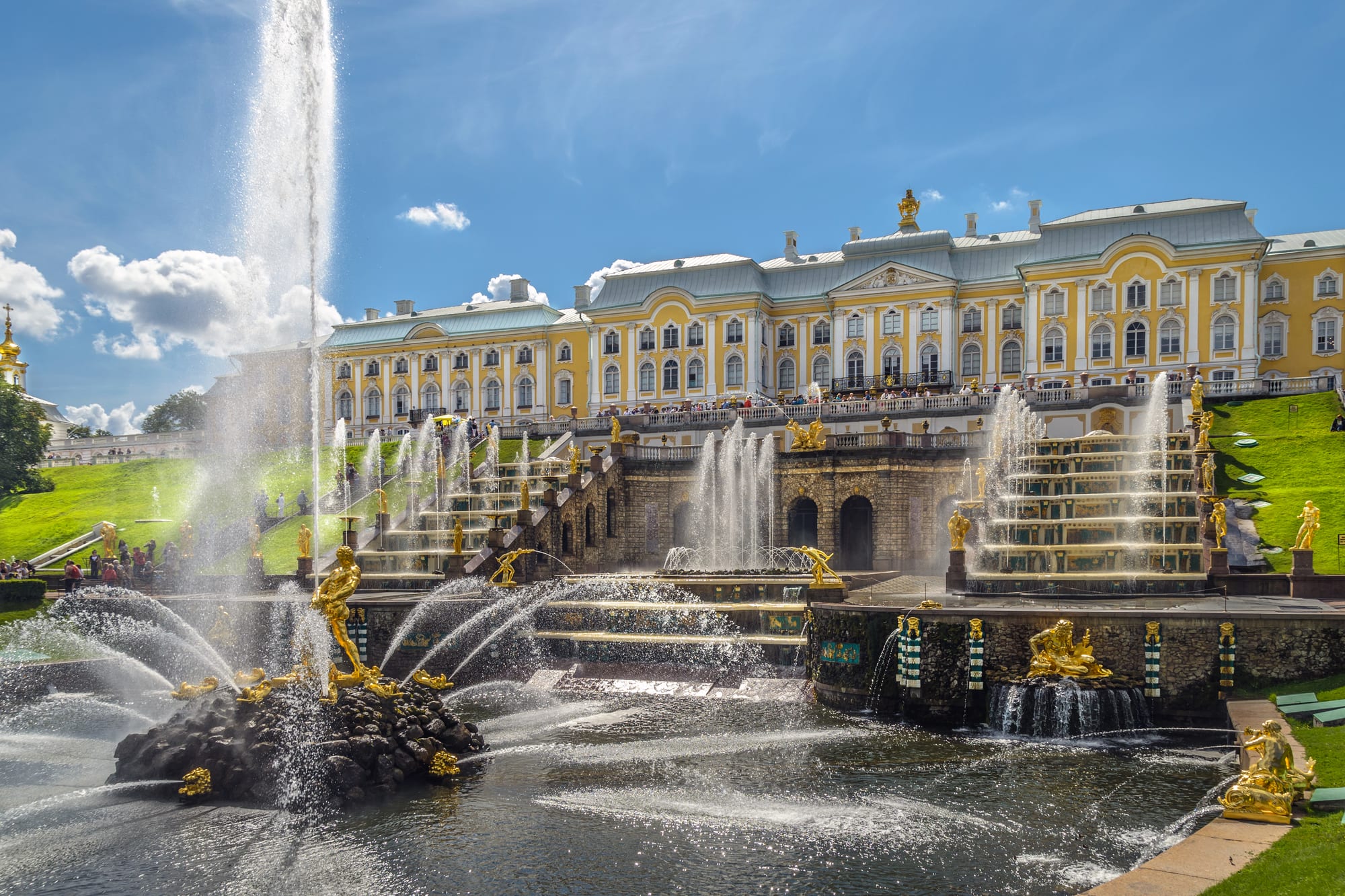
Peterhof, built by Peter the Great to outshine Versailles after visiting it, is best known for its Grand Cascade — a torrent of gilded statues and more than 60 fountains running entirely by gravity, with no pumps, down to the Gulf of Finland. The palace and its parks, a UNESCO World Heritage Site, are a short hydrofoil ride from central St Petersburg.
Trick fountains hidden in the lower gardens, designed to surprise strolling courtiers, still douse unsuspecting visitors today.
9. Mount Elbrus
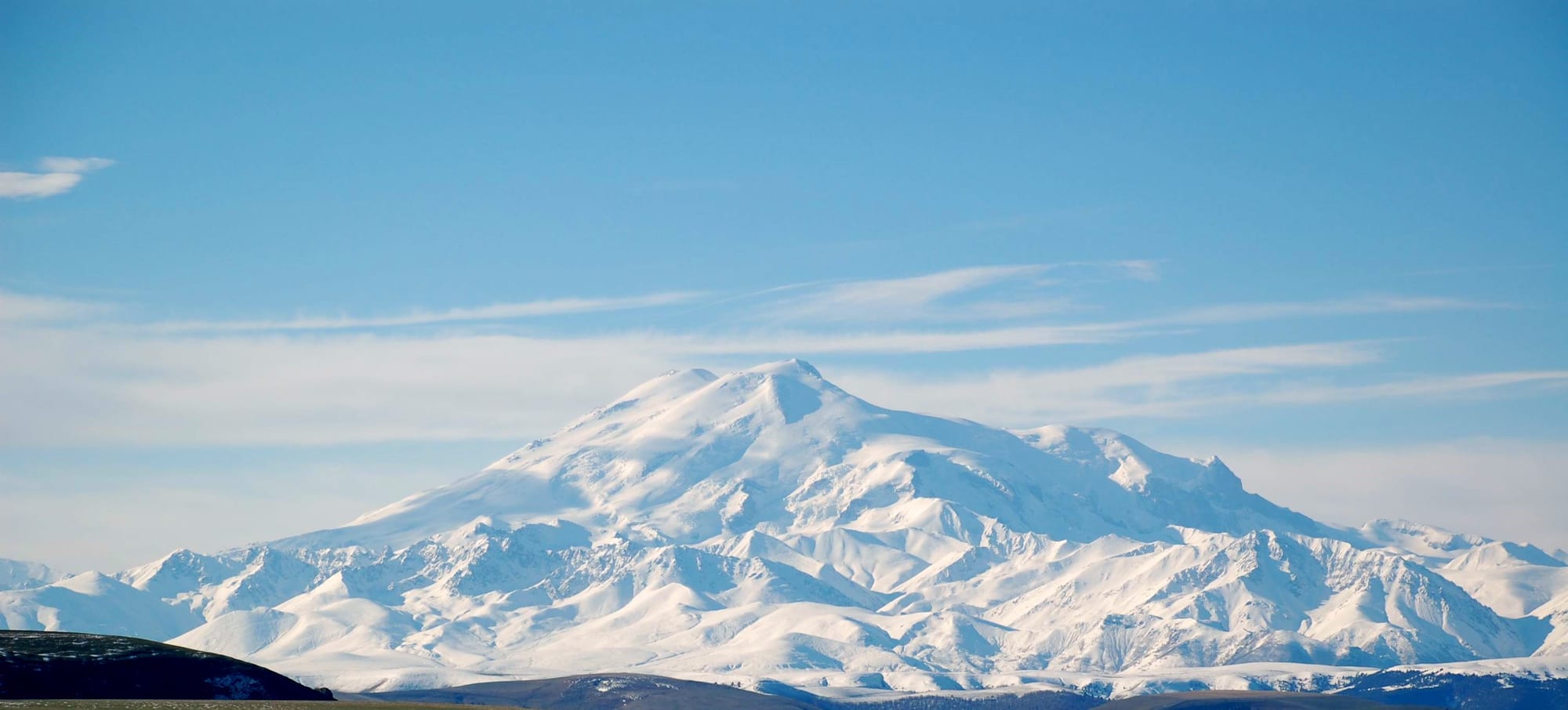
Mount Elbrus, a dormant twin-peaked volcano in the Caucasus near the Georgian border, is counted as the highest peak in Europe at 5,642 metres — one of the Seven Summits, and a considerably less technical climb than its height suggests, with cable cars covering much of the ascent from the resort town of Terskol.
The wider Caucasus region around it offers skiing, hiking, and some of Russia's most dramatic mountain scenery.
10. The Solovetsky Islands
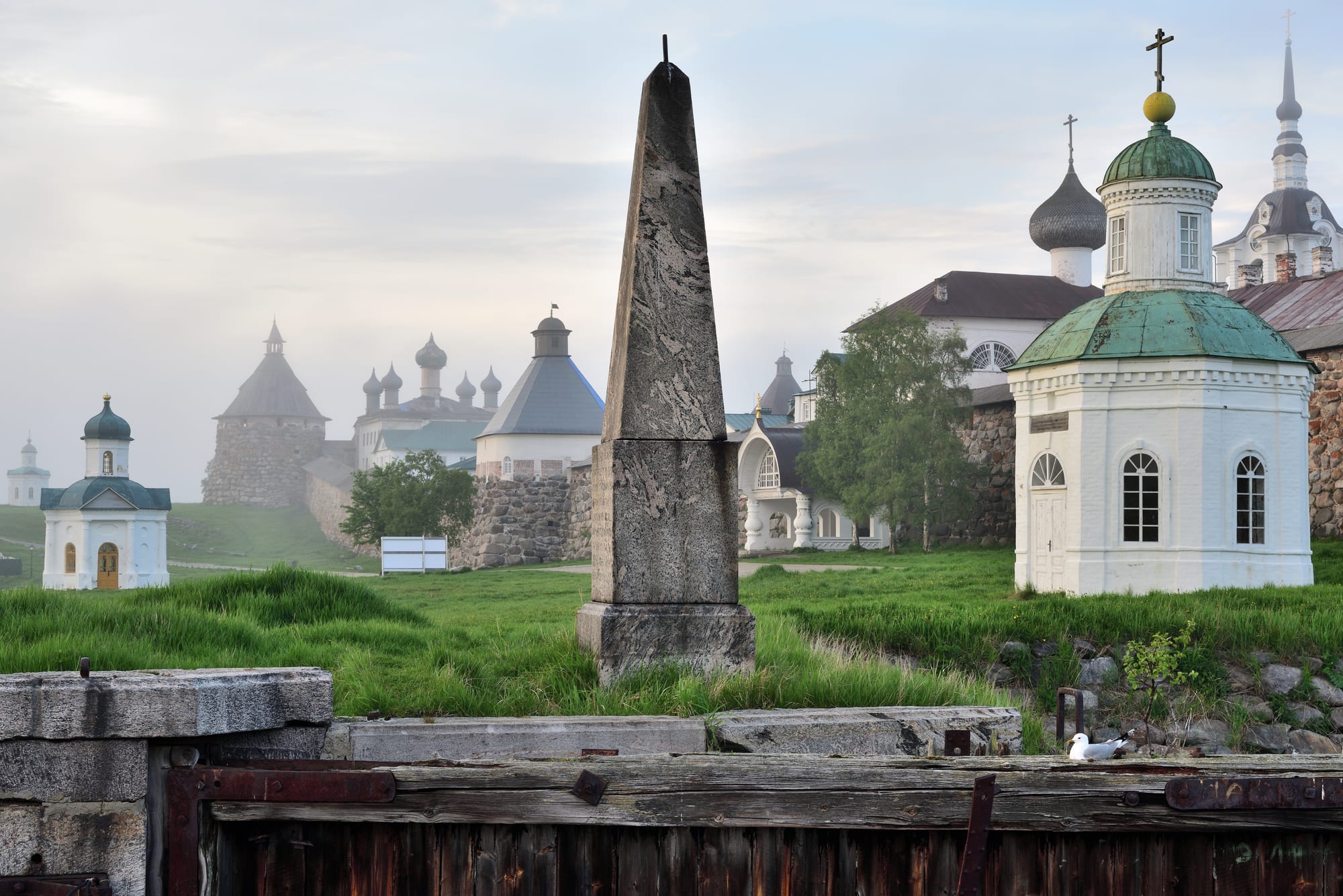
The Solovetsky Islands, in the White Sea near the Arctic Circle, hold a fortified 15th-century monastery that became, under Soviet rule, one of the first camps in the Gulag system — a history now central to how the islands are understood alongside their earlier significance as a remote centre of Russian Orthodox monastic life.
Reached by boat or small plane, the islands also hold ancient stone labyrinths of uncertain, pre-Christian origin.
Before you go: a serious note
This article describes sights of historical and cultural significance for reference — it is not a travel recommendation. Since Russia's full-scale invasion of Ukraine in February 2022, most Western governments have advised against all travel to Russia, direct commercial flights between Russia and most Western countries have been suspended, and most major international card networks and much everyday banking infrastructure no longer function for foreign visitors there. Additional risks cited by government advisories include the possibility of arbitrary detention of foreign nationals, particularly dual nationals and citizens of countries Russia considers "unfriendly," and the general unpredictability of enforcement and border policy amid wartime conditions. Anyone considering travel to Russia should rely on current, detailed government advice rather than on the description above, and should be aware that the practicalities of travel here have changed dramatically, and may continue to change, since this article's sources were compiled.