Daily Life · Romania
Romania: The Village Waiting for Someone to Come Home
Hay still cut and stacked by hand in mountain villages, a booming tech industry in the cities, and a country where several million people now live abroad, often leaving grandparents to raise the children left behind
By Worldlore Editorial · 30 September 2026
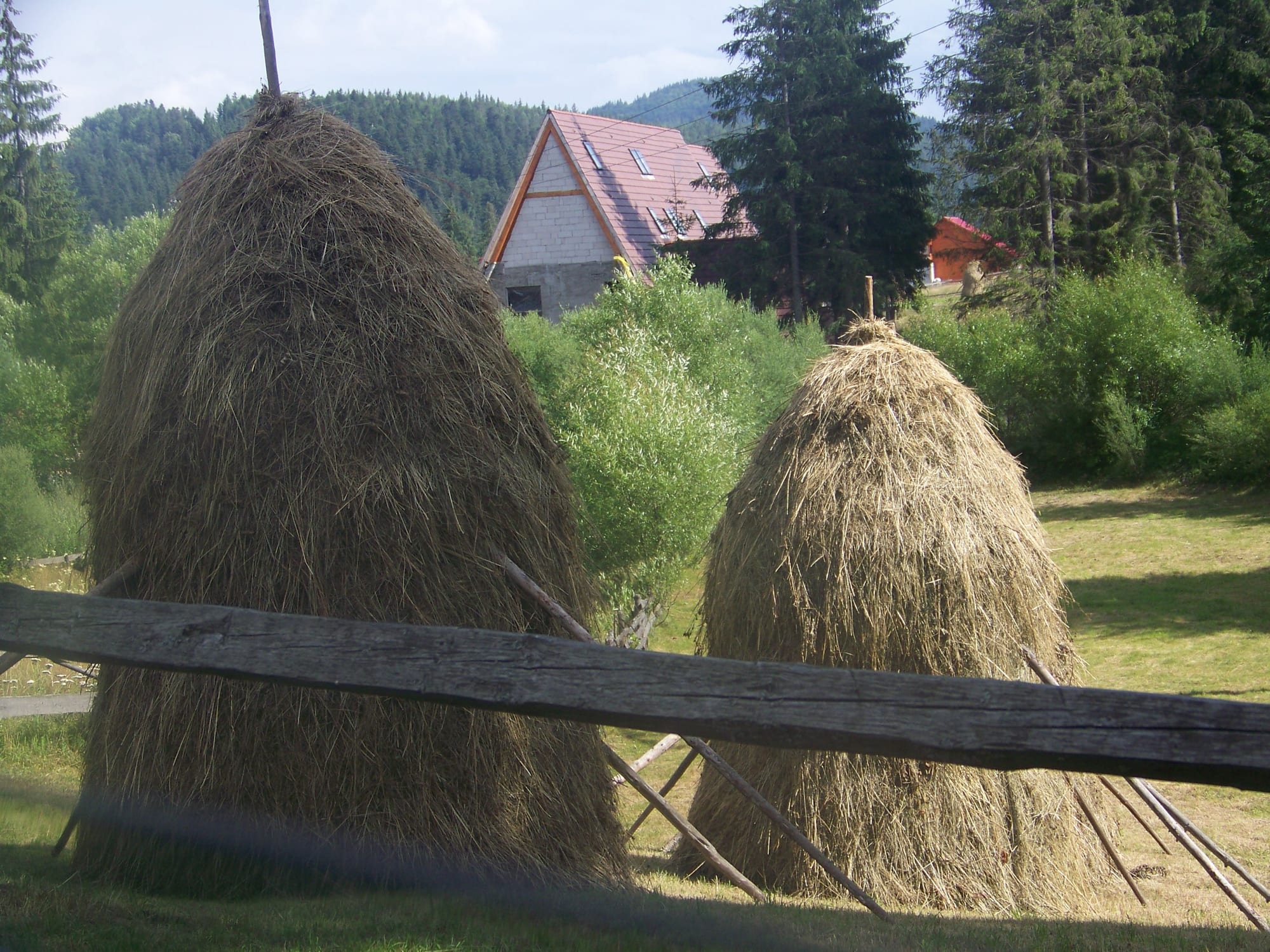
Romania is a country of two clearly different ordinary days. In Bucharest, Cluj-Napoca and the other fast-growing cities, daily life increasingly resembles the rest of urban Europe, built around office jobs, cafés and a booming technology sector. In the villages, especially in the Carpathian foothills and the poorer south and east, an ordinary day can still mean hay cut and gathered by hand and a household getting by on what it grows. Tying the two together, and shaping family life almost everywhere, is emigration: several million Romanians now live and work abroad, and it is not unusual for a household to be raising a grandchild whose parents are in Italy, Spain, Germany or the UK.
Family and home life
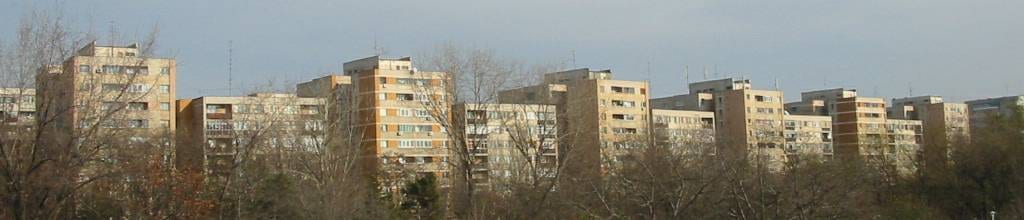
The extended family remains important, but its shape now depends heavily on migration. Since 1990, millions of Romanians have left the country, many of them for Italy, Spain, Germany and the UK, and while many maintain close ties and send money home, the practical effect on daily life has been real: grandparents frequently take on the day-to-day care of children whose parents work abroad, a pattern significant enough that Romanian researchers and UNICEF have studied it as its own social category. In the cities, most people live in apartments, a great many of them in the standardised concrete blocks built under communist rule from the 1960s to the 1980s, still the dominant form of urban housing even as newer developments spread on city outskirts. In the villages, houses are typically single-family homes with a garden and outbuildings, often still worked as a small farm alongside whatever other income the household has.
Work, school and the rhythm of the day
The standard working week is Monday to Friday, eight hours a day, and school runs a similar five-day pattern with a long summer break. The divide between city and countryside runs right through the economy: Bucharest and the Transylvanian cities, particularly Cluj-Napoca, have a large, well-paid IT and software sector alongside a substantial automotive industry, drawing young workers and, increasingly, some of the Romanians who once left returning with skills and savings. Outside the cities, farming remains a genuine daily activity for a great many households: Romania has more farms than any other EU country, most of them small family plots, and a significant share of rural households still grow much of their own food rather than farming purely for the market. Wages have risen quickly but remain below those of most of the EU, a gap that continues to drive emigration even as the cities boom.
Community life and public spaces
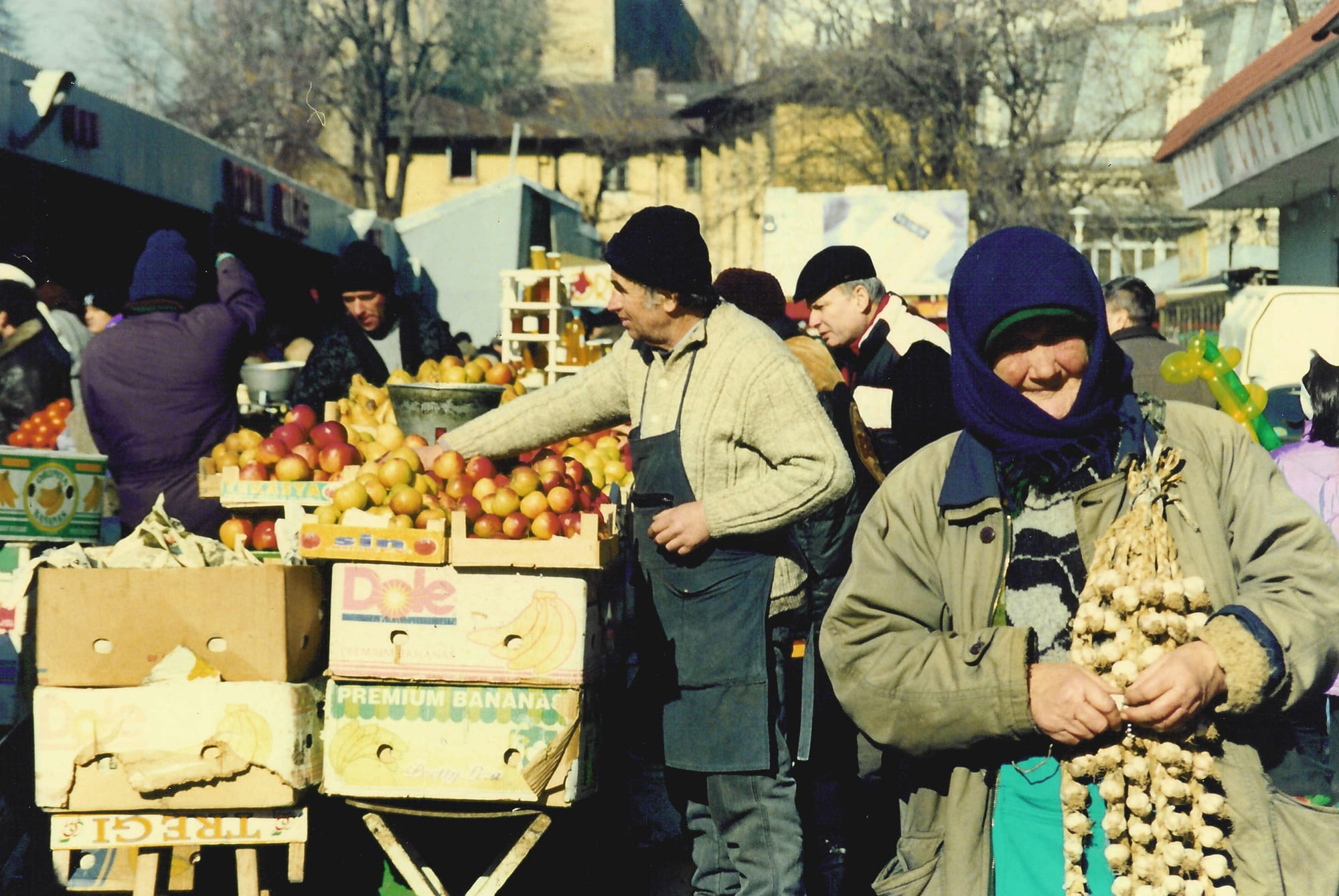
Markets, known as piețe, remain a genuine daily or weekly fixture in both cities and villages, selling fresh produce, cheese, preserves and household goods, and functioning as a real gathering point rather than a tourist attraction. Café culture is strong in the cities, with terraces busy through the day rather than only in the evening. Public transport in the cities relies on buses, trams and, in Bucharest, a metro system, while intercity travel leans on an extensive but slow rail network alongside a still-thin motorway grid, meaning many journeys between towns take longer than the distance would suggest.
Free time and weekends
Family gatherings, often extending to grandparents, aunts and uncles, remain a central weekend activity, particularly around a shared meal. Village feast days and elaborate weddings, sometimes running over more than one day, are still genuine community events in rural areas rather than private occasions. In the cities, café terraces, parks and a growing restaurant scene fill weekend time, and hiking in the Carpathians draws people out of the cities in large numbers whenever the weather allows, supported by a dense network of marked trails and mountain cabins. Orthodox Easter and Christmas remain the two biggest points in the calendar nationwide, observed with specific foods, church services and family visits that many emigrants plan their trips home around.
A visitor's ordinary day
Romania uses the leu, not the euro, and while cards are widely accepted in cities and larger towns, cash remains useful in villages, markets and smaller restaurants. Renting a car opens up the villages, the painted monasteries and the mountain roads, none of which are well served by public transport, though driving standards and road conditions call for caution. Ride-hailing apps such as Bolt and Uber are the more reliable option for taxis in the cities rather than hailing one on the street. Rail travel is extensive and cheap but slow, better suited to scenic journeys than to covering distance quickly.
What to take away
An ordinary day in Romania depends heavily on where it is being lived — a fast, increasingly prosperous life in the cities, or a slower one in a village that, in a great many cases, is quietly waiting for someone working abroad to come home.