History · Romania
Romania: The Latin Island in a Slavic Sea
A Romance-speaking people at the mouth of the Danube — principalities caught between three empires, a kingdom forged in the 19th century, a wartime dictatorship, forty years of communism ending in the bloc's only violent revolution, and a hard road into the West
By Worldlore Editorial · 19 September 2026
A Romance nation in the east
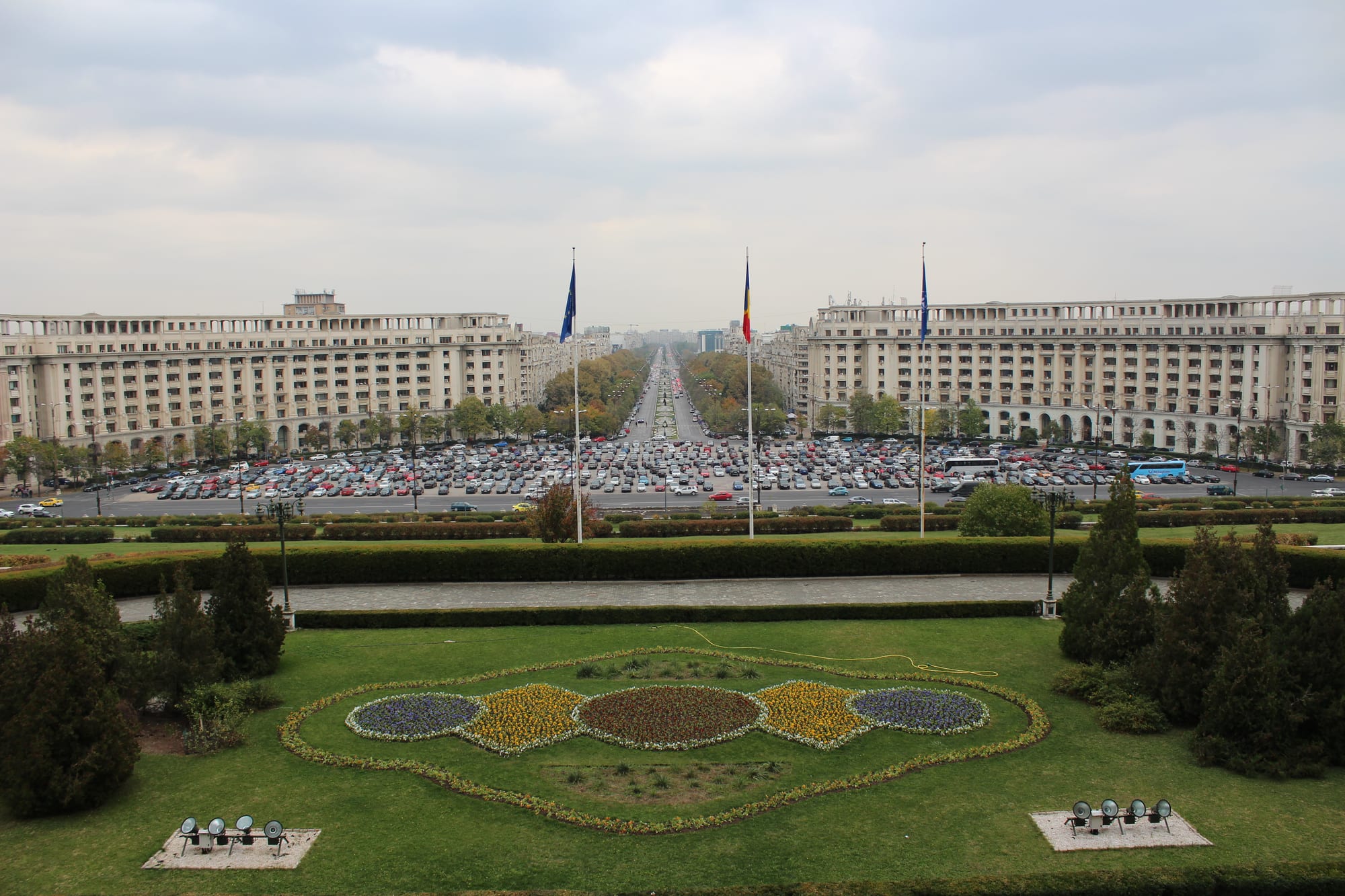
Romania sits where the Danube meets the Black Sea, a country of about 19 million people whose language is descended from Latin — a Romance island among Slavic, Hungarian and Turkic neighbours. Romanians trace this to the Roman province of Dacia, and the tension between that western, Latin heritage and an eastern, Orthodox and long Ottoman-influenced history runs through the national story. The modern state was assembled in stages between 1859 and 1918, torn about by the world wars, and held for four decades by one of the harshest communist regimes in Europe.
A short history
- 106–271 CE
Roman Dacia
Rome conquers and colonises; the Latin language takes root.
- 14th century
The principalities
Wallachia and Moldavia emerge as states.
- 15th–18th c.
Ottoman suzerainty
Tribute-paying autonomy under the sultan.
- 1859
Union
Wallachia and Moldavia elect the same prince, forming Romania.
- 1878
Independence
Recognised at the Congress of Berlin.
- 1918
Greater Romania
Transylvania, Bessarabia and Bukovina join after the First World War.
- 1940–1944
War
Territory lost; the Antonescu dictatorship allies with Nazi Germany.
- 1947
People's Republic
The king abdicates; a Soviet-style state is imposed.
- 1965–1989
Ceaușescu
Nationalist communism, austerity, and mass surveillance.
- 1989
Revolution
The regime falls in the bloc's only violent overthrow.
Dacia, and the principalities
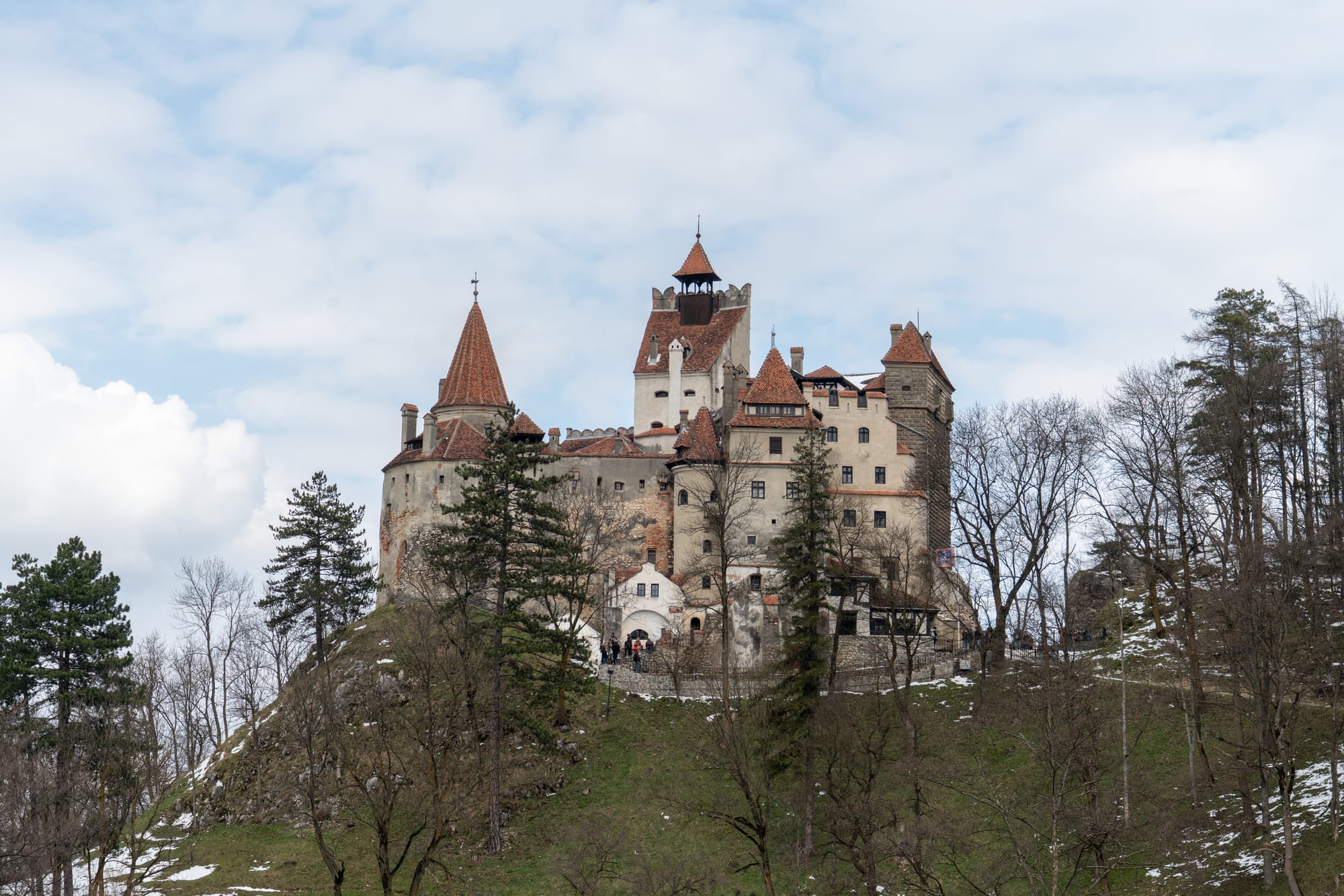
The Dacians, a people related to the Thracians, built a kingdom in the Carpathians that Rome conquered under Trajan in 106 CE. Roman colonisation of Dacia was intense but brief — the legions withdrew in 271 — and how the Latin-speaking population survived the following centuries of migrations is debated by Romanian and Hungarian historians alike. By the 14th century two Romanian-speaking principalities had formed: Wallachia, on the plain north of the Danube, and Moldavia, to the north-east. Both fought the expanding Ottomans — the Wallachian prince Vlad III "the Impaler" and the Moldavian Stephen the Great are national heroes for it — and both ended up as autonomous, tribute-paying vassals of the sultan, ruled for much of the 18th century by appointed Greek "Phanariot" governors.
Making Romania
In 1859 the assemblies of Wallachia and Moldavia both elected the same man, Alexandru Ioan Cuza, uniting the principalities in personal union; the united state took the name Romania and, after Cuza's forced abdication, imported a German prince, Carol of Hohenzollern-Sigmaringen, as ruler. Full independence from the Ottomans was won in the 1877–78 war and recognised at Berlin, and Carol became king in 1881. Romania's great territorial prize came with the First World War: fighting on the Allied side, it gained Transylvania (from Hungary), Bessarabia (from Russia) and Bukovina at the 1919–20 settlements, roughly doubling in size to form "Greater Romania", now with large Hungarian, German, Jewish and Ukrainian minorities.
Dictatorship and war
Interwar democracy was unstable, undermined by corruption and by the rise of the fascist, antisemitic Iron Guard. In 1938 King Carol II established a royal dictatorship; in 1940, after the Soviet Union, Hungary and Bulgaria seized back territory, he was pushed out and General Ion Antonescu took power, allying Romania with Nazi Germany. Romanian forces fought on the Eastern Front and the Antonescu regime was responsible for the murder of between 280,000 and 380,000 Jews and tens of thousands of Roma. In August 1944 King Michael led a coup that arrested Antonescu and switched Romania to the Allies for the war's final months.
Communism, and its violent end
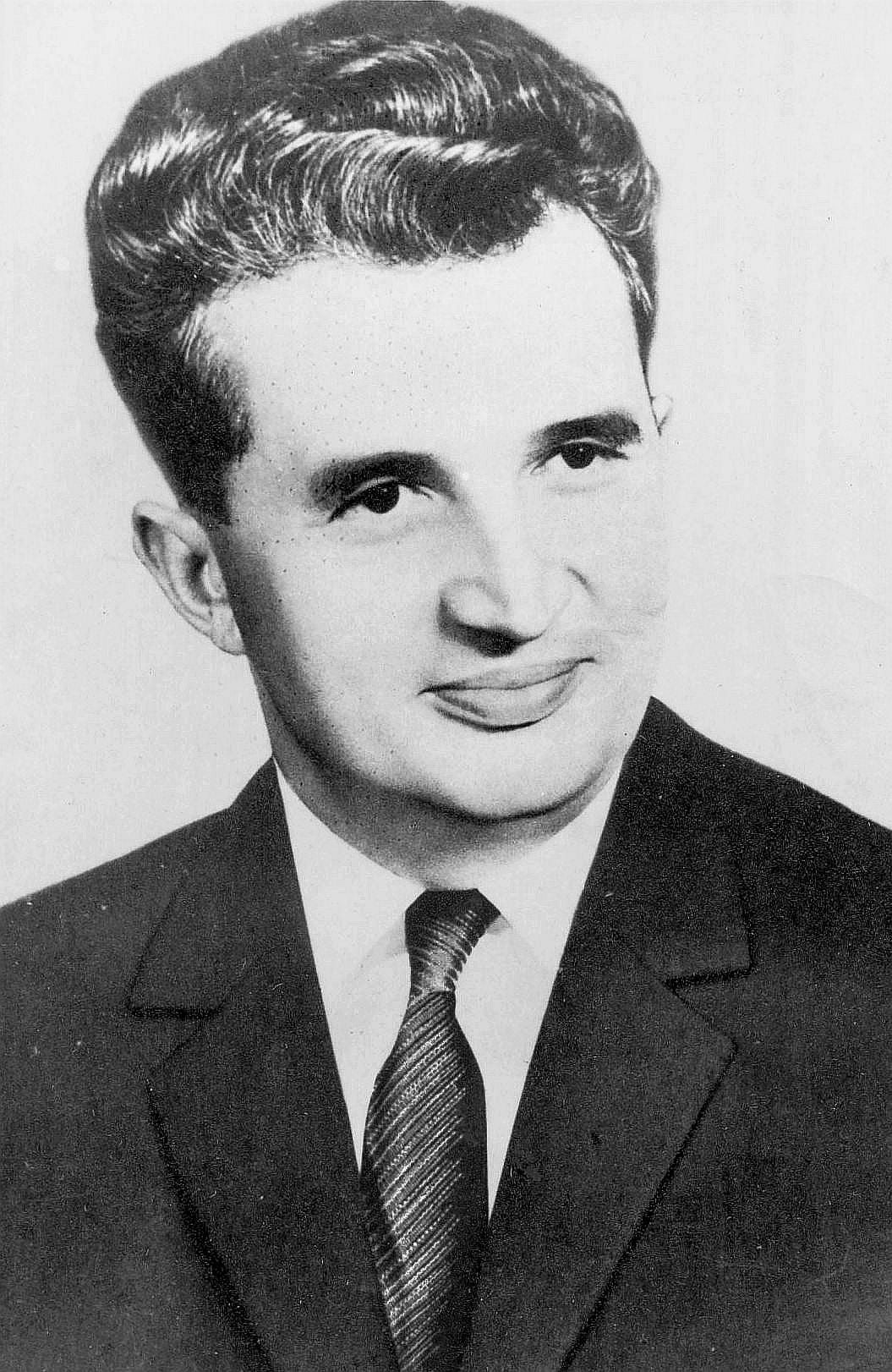
The Soviet-backed Communist Party forced King Michael to abdicate on 30 December 1947. The early years brought mass arrests, labour camps (notably the Danube–Black Sea Canal), and the collectivisation of agriculture. Under Nicolae Ceaușescu, from 1965, Romania combined a defiant foreign policy — which won Western goodwill and loans — with intensifying repression and a personality cult. In the 1980s Ceaușescu forced through crushing austerity to pay off the national debt: rationed food and heat, while he built the enormous Palace of the People. In December 1989, protests that began in Timișoara over the treatment of a dissident pastor spread to Bucharest; the army turned against the regime, and Ceaușescu and his wife Elena were captured, tried by a hasty military tribunal and shot on Christmas Day — the only leader of the 1989 revolutions to be killed.
Romania now
The National Salvation Front, led by former communist officials, took power and won the first elections; the 1990s were marked by slow reform, hyperinflation, and episodes such as the "mineriads", when miners were bussed to Bucharest to attack protesters. Reform accelerated as Romania oriented towards the West: it joined NATO in 2004 and the European Union in 2007. Membership brought growth, large-scale emigration (several million Romanians now live elsewhere in the EU), and repeated confrontations over judicial independence and high-level corruption, with a strong anti-graft agency prosecuting ministers and party leaders through the 2010s.
What Romania carries
Romania's identity has long been argued in terms of direction — Latin west or Orthodox east, Europe or its own path — and its borders have swung with each 20th-century upheaval. The Antonescu years and the Holocaust on Romanian soil, and the scale of the Ceaușescu-era repression, were slow to be fully acknowledged after 1989. EU membership settled the question of orientation; the unfinished business is the rule of law, and an economy that its own citizens still leave in large numbers.