Food · Romania
Romania: Food and the National Dish
Cabbage rolls stuffed with meat and rice, simmered for hours and served at nearly every Romanian celebration
By Worldlore Editorial · 16 September 2026
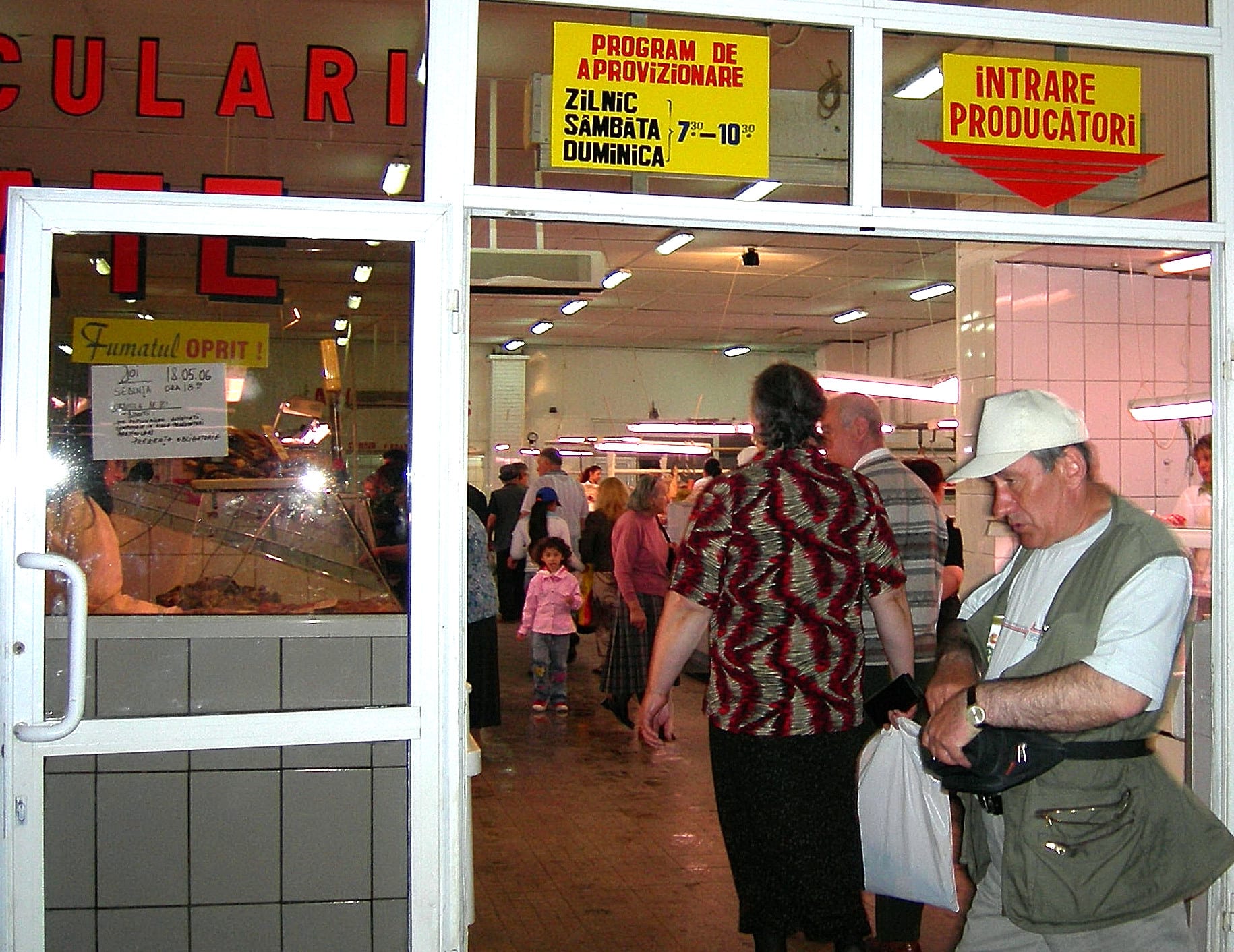
A cuisine built for gathering the whole family around the table
Romanian food centres heavily on dishes meant to be cooked in large batches and shared, a reflection of a food culture built around extended family gatherings, religious holidays and long, unhurried meals rather than quick everyday eating alone.
The national dish: sarmale
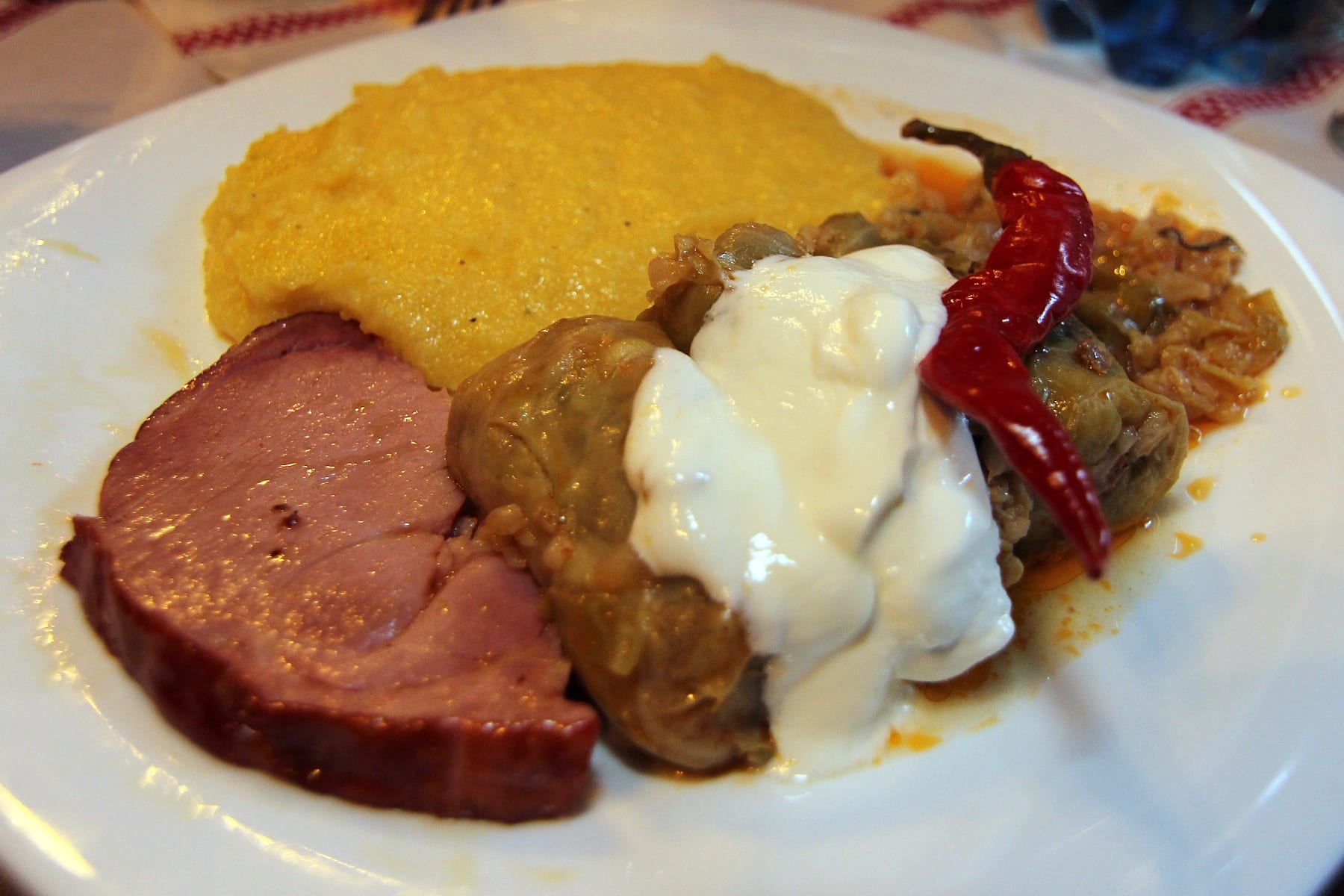
Sarmale, cabbage leaves (or occasionally grape leaves) wrapped around a filling of minced meat, rice and herbs, then slow-simmered for hours, usually with sauerkraut and served with a dollop of sour cream and mămăligă (polenta) on the side, is Romania's national dish. Cooked in large batches, sarmale is a fixture at Christmas, Easter and other major Romanian celebrations, with many families insisting it tastes even better the day after it's made.
Cabbage, pork and a genuinely hearty pantry
Cabbage, pork and cornmeal, cooked into mămăligă, anchor much of everyday Romanian cooking, alongside sour cream, dill and paprika as core seasonings. Sauerkraut, foraged mushrooms and a wide range of smoked meats round out a pantry shaped by a farming tradition built around preserving food through long winters.
History behind the roll
Sarmale's cabbage-and-meat-roll technique traces back to Ottoman culinary influence across the Balkans and Eastern Europe, where similar stuffed-leaf dishes are found under different names in nearly every neighbouring country. Romania's own version, paired specifically with mămăligă, a cornmeal dish rooted in the country's own farming history after corn arrived from the Americas, gives the combination its distinctly Romanian character even though the individual components trace to different outside influences.
Dishes to know
Five more to recognise across Romania:
- Mămăligă — a cornmeal polenta, served as a side dish or base for
many meals, a genuine national staple.
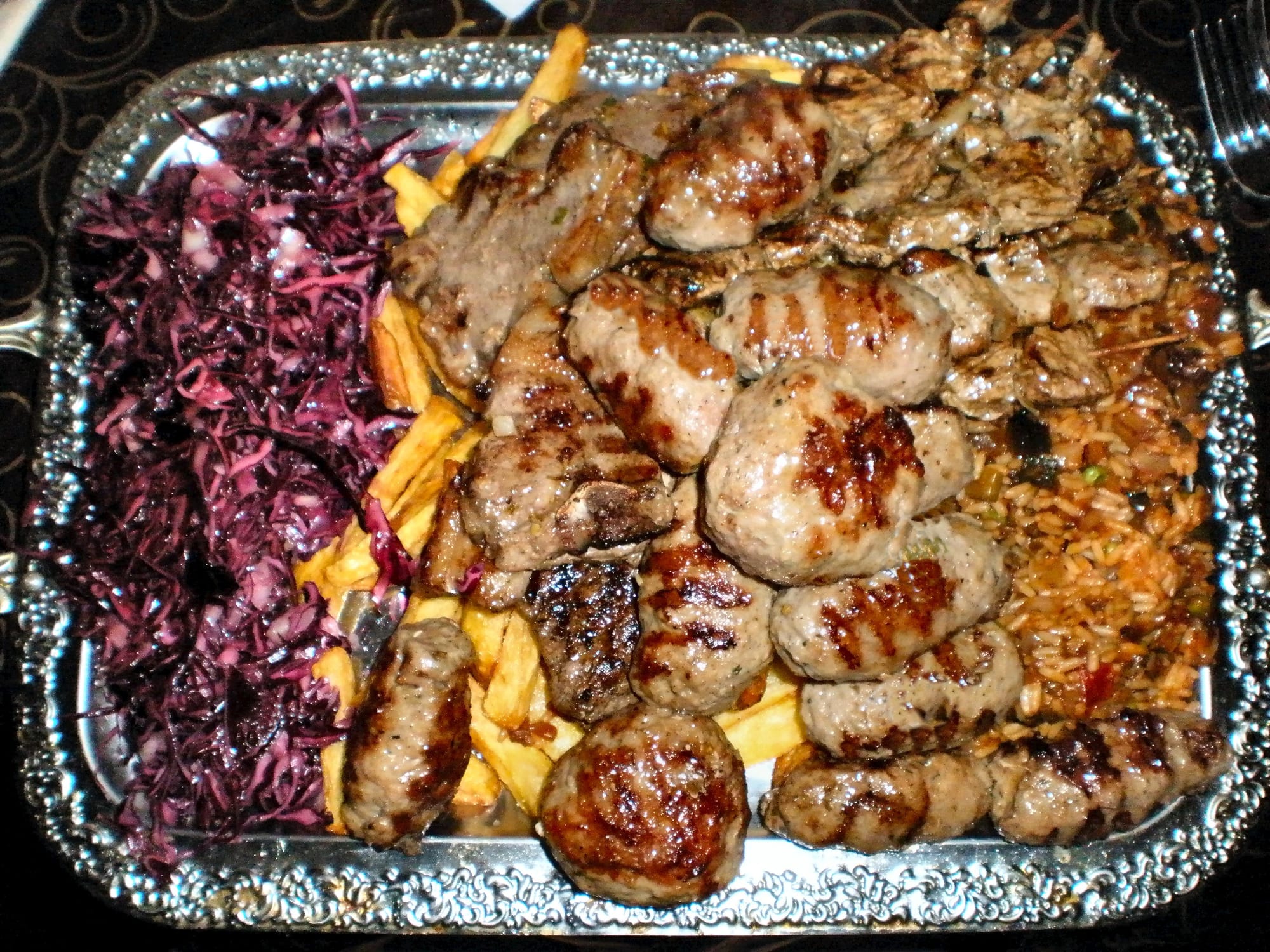
- Mici — small, skinless grilled meat rolls, a hugely popular
street-food and barbecue favourite.
- Ciorbă — a sour soup, made with vegetables, meat or fish, souring
agents vary by region.
- Papanași — fried or boiled dough balls filled with cheese, topped
with sour cream and jam, a popular dessert.
- Zacuscă — a vegetable spread made from roasted peppers, aubergine
and tomato, a common preserved staple.
Drinks
Țuică, a strong plum brandy distilled at home in much of rural Romania, is the country's traditional spirit and a genuine fixture at gatherings. Romanian wine, produced across several established wine regions, and coffee are also widely drunk.
Eating as a traveller
Vegetarians will find mămăligă, cheese and vegetable-based dishes manageable, though meat is central to most traditional Romanian cooking. Tap water is generally safe to drink in most cities. Trying mici at an outdoor grill stand, especially during a summer festival, is a genuine and widely loved way to eat as Romanians do.
What to take from the table
Sarmale, cooked in bulk and shared at every major celebration, best captures Romanian food's real character: patient, generous cooking built around gathering the whole family at one table.