History · Réunion
Réunion: The Island France Built From Scratch
An uninhabited volcanic island in the Indian Ocean, settled by France in the 17th century — a slave-and-sugar colony that became, in 1946, a full department of the French Republic, 9,000 kilometres from Paris
By Worldlore Editorial · 19 September 2026
A French department in the Indian Ocean
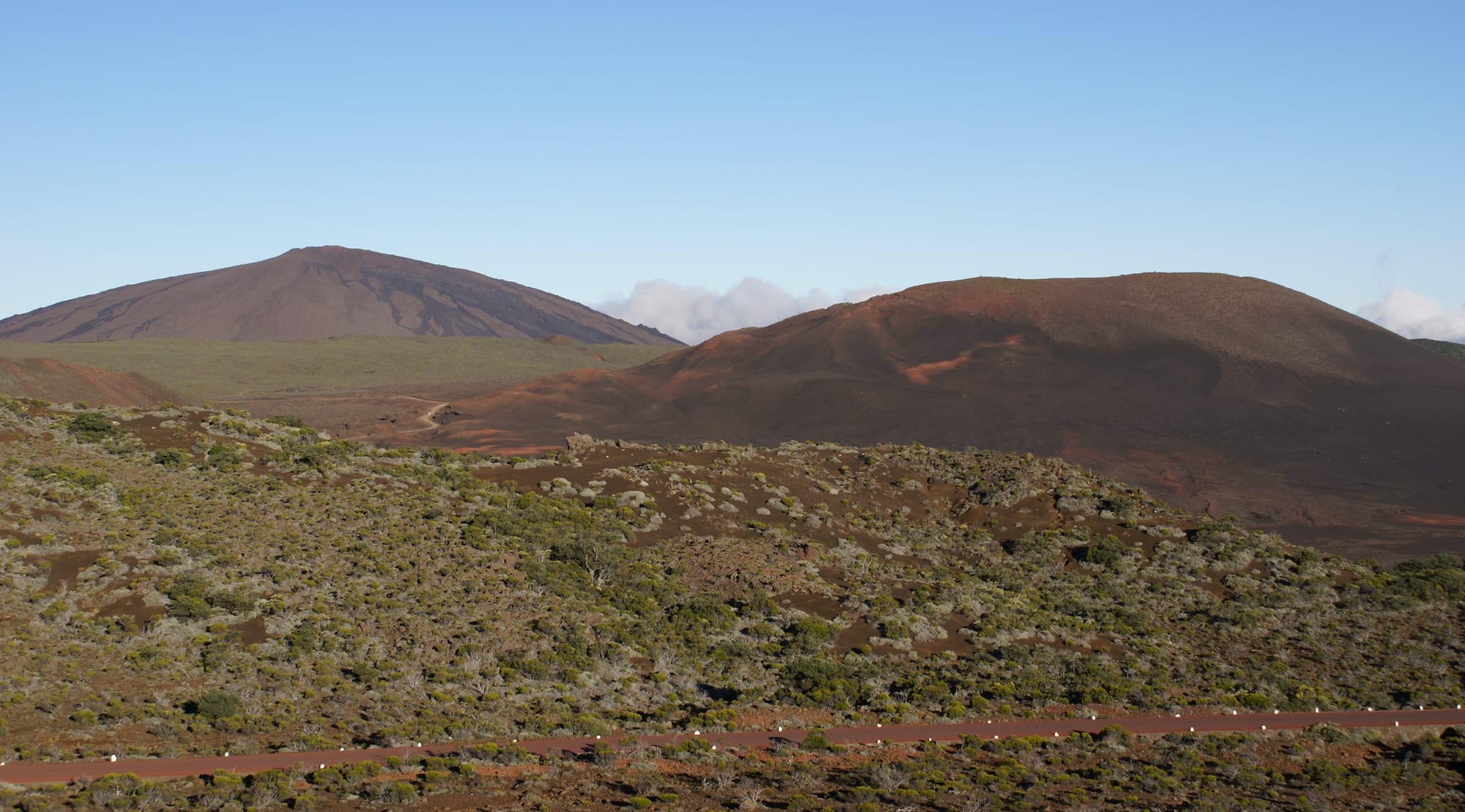
Réunion is a mountainous volcanic island east of Madagascar, about 870,000 people, and constitutionally as much a part of France as Normandy: it is an overseas department and region, uses the euro, sends deputies to the French parliament and Members to the European Parliament, and is the EU's outermost point in the southern hemisphere. It had no indigenous population — nobody lived there until the French arrived — so its entire society was assembled over three and a half centuries from settlers, enslaved Africans and Malagasy, and indentured workers from India and China.
A short history
- to 1600s
Uninhabited
Known to Arab and European sailors; no permanent population.
- 1642–1665
French claim and settlement
France takes the island, names it Bourbon, sends first colonists.
- c. 1715
Coffee
Introduced as a plantation crop worked by enslaved people.
- 1793
Renamed Réunion
The Revolution replaces the royal name "Bourbon".
- 1810–1815
British interlude
Britain holds the island during the Napoleonic Wars, then returns it.
- c. 1815–1848
The sugar era
Sugar overtakes coffee; the enslaved population peaks.
- 1848
Abolition
Slavery is ended; some 62,000 people are freed.
- 1848–1900s
Indenture
"Engagés" from India, then China and elsewhere, replace slave labour.
- 1946
Departmentalisation
Réunion becomes a French department.
- 1963–1982
BUMIDOM
State-organised migration of Réunionnais to mainland France.
Settling an empty island
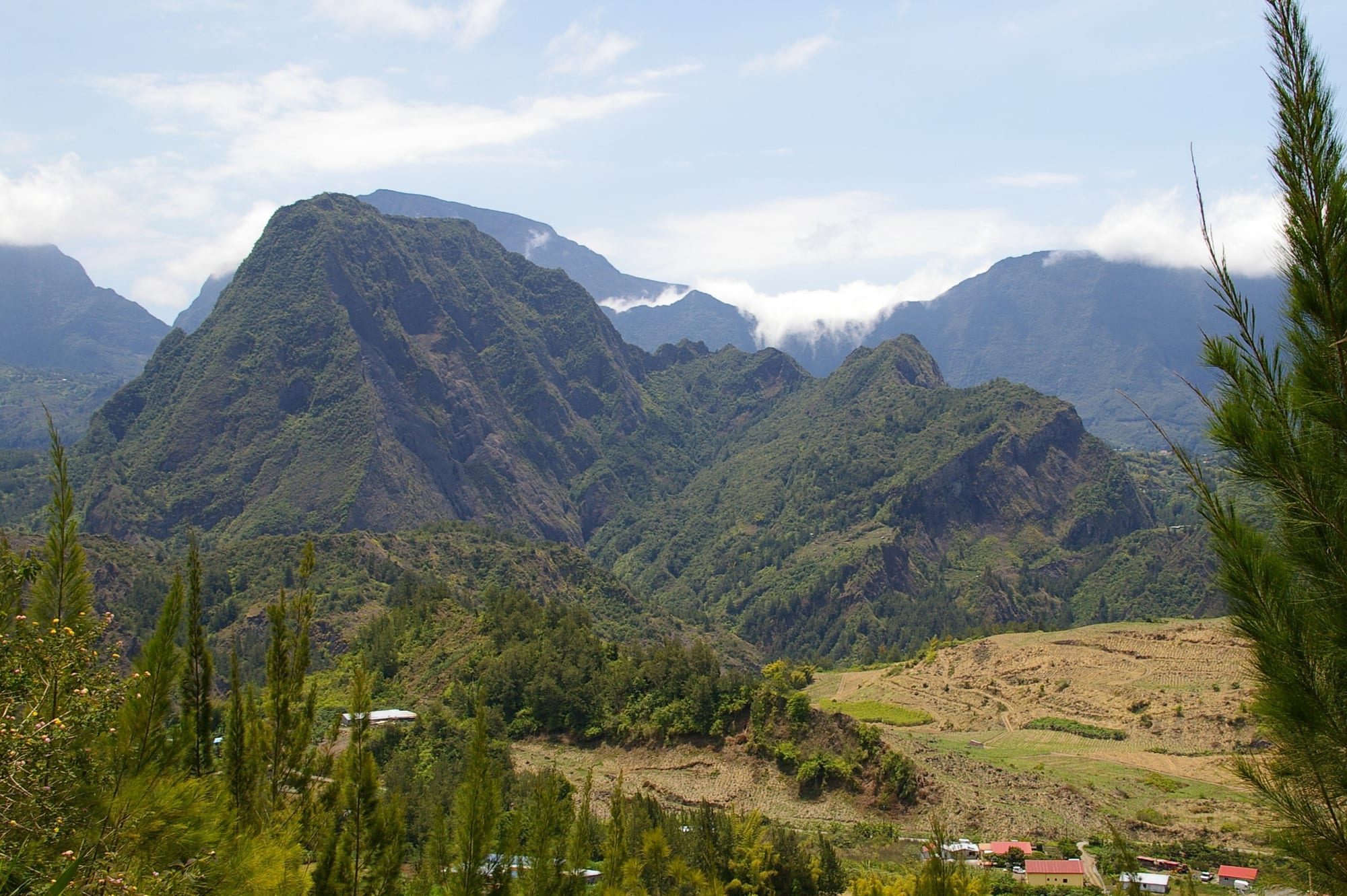
Portuguese sailors charted the island around 1500, but it was France, expanding its Indian Ocean presence from bases on Madagascar, that formally claimed it in 1642 and began permanent settlement from 1665, naming it Île Bourbon after the royal house. The first economy was subsistence and provisioning ships; from the early 1700s the French East India Company turned it into a coffee plantation colony, importing enslaved Africans and Malagasy to do the work. A society took shape with a small white planter class ("Grands Blancs"), poor whites ("Petits Blancs") pushed into the highlands, and an enslaved majority — some of whom escaped to form maroon communities in the island's near-impassable interior cirques, whose peaks still bear their leaders' names.
Sugar, abolition, indenture
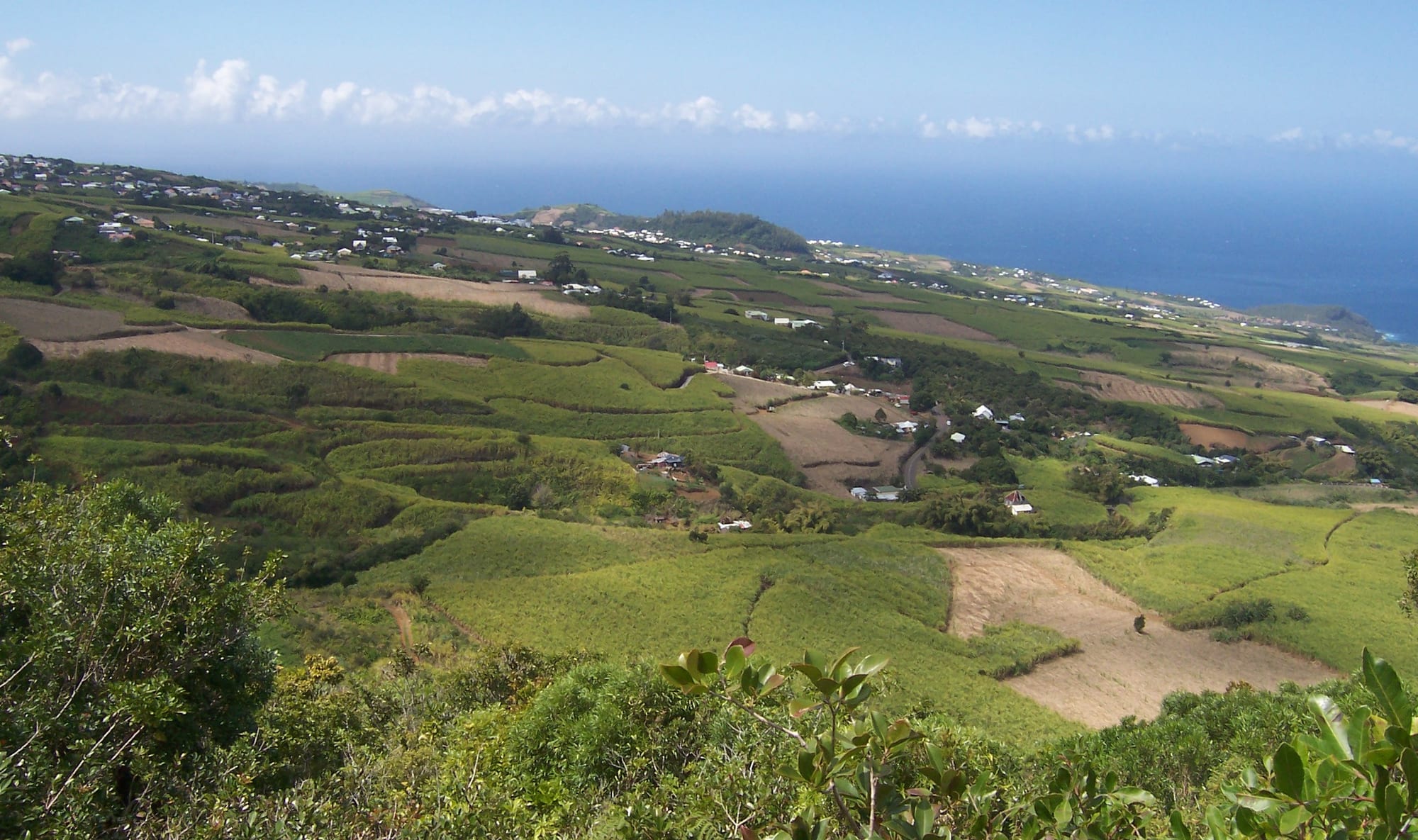
Britain occupied the island from 1810 to 1815 and, though it handed it back, retained neighbouring Mauritius. Renamed Réunion by the Revolution, the island shifted in the 19th century from coffee to sugar, which demanded ever more labour; by the 1840s enslaved people were around three-fifths of the population. France abolished slavery in its colonies in 1848, freeing some 62,000 people on Réunion. Planters replaced them with indentured workers — "engagés" — recruited mainly from southern India, and later from China, East Africa and elsewhere, adding the layers that make up the island's Creole population and its Tamil and Muslim communities.
From colony to department
For a century after abolition Réunion remained a poor, sugar-dependent colony with sharp inequality and periodic hardship, especially when world sugar prices fell or cyclones destroyed the crop. In 1946, along with Guadeloupe, Martinique and French Guiana, it was made a full département of the French Republic — a change pushed by local politicians, including the communist Raymond Vergès, as a route to equal rights and French welfare provision. Integration was gradual and politically fraught: through the 1960s and 1970s the state both invested heavily and, through the BUMIDOM programme, organised the migration of tens of thousands of young Réunionnais to fill labour shortages in mainland France, a policy later criticised for coercion and for the removal of children from the island.
Réunion now
Departmental status brought French infrastructure, schooling, healthcare and social transfers, and living standards far above those of Réunion's Indian Ocean neighbours. But the island's economy cannot employ its people: unemployment has long run around 20–30 per cent, far above the mainland, youth joblessness higher still, and the cost of living is inflated by distance and by the enduring economic weight of a few old planter families. Those pressures fuelled major unrest in 1991 and again during the 2018 "gilets jaunes" protests, which were more sustained on Réunion than almost anywhere in France. Creole identity, the Maloya music once banned as subversive, and debates over autonomy remain live.
What Réunion carries
Réunion is a society with no pre-colonial past — everything about it, its people, its language, its landscape of cane fields and churches and temples, was made by French colonisation, slavery and indenture. Its 1946 choice to become part of France rather than seek independence gave it prosperity by regional standards and a permanent structural problem: a European standard of living and welfare on an island whose own economy cannot sustain it.