Food · Réunion
Réunion: Food and the National Dish
A Creole curry built from African, Indian, Chinese and French influence, served with rice and a fiery condiment on nearly every plate
By Worldlore Editorial · 16 September 2026
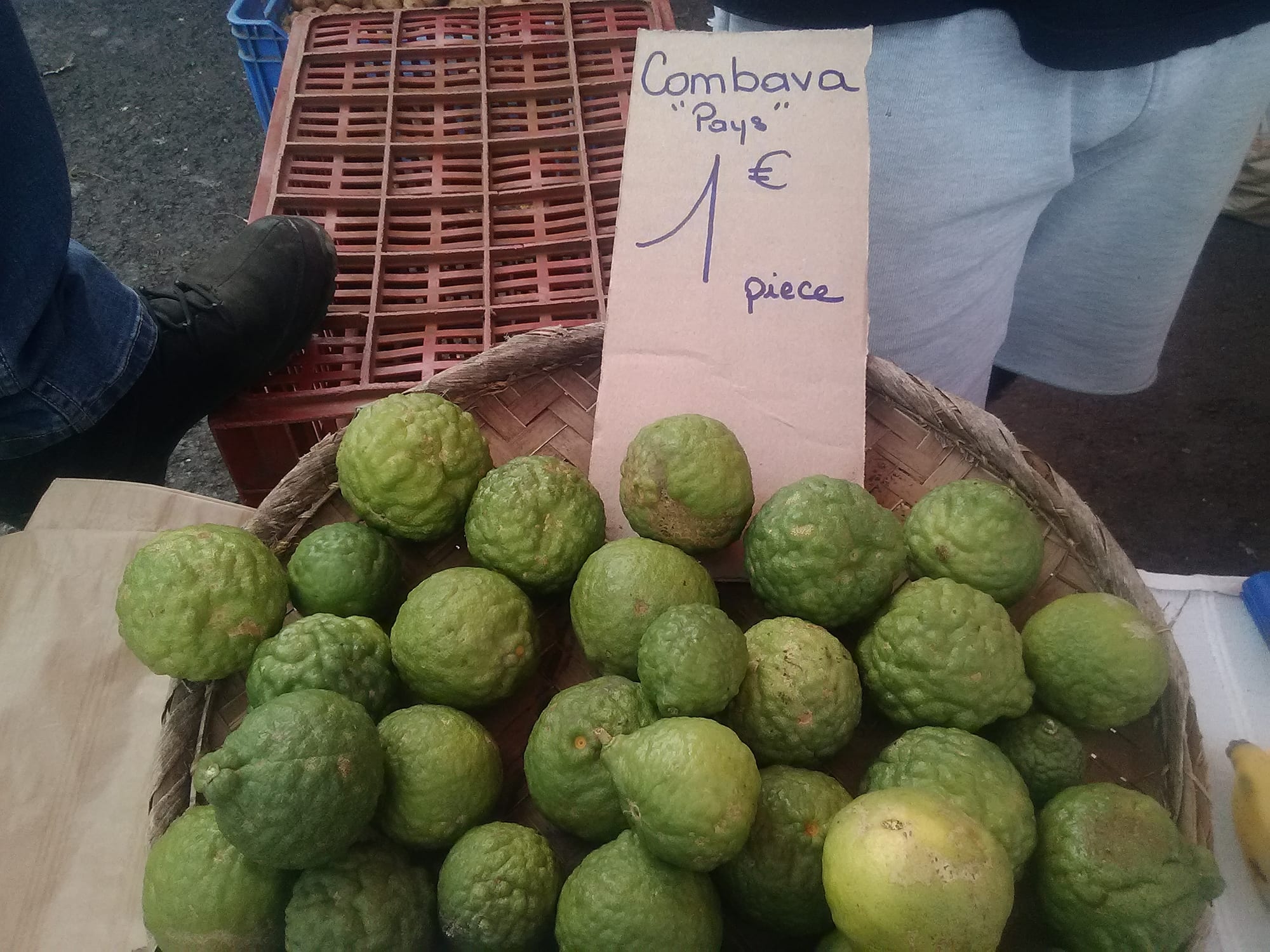
A cuisine layered by every community that settled the island
Réunion's food genuinely reflects the island's settlement history: French colonial cooking, Malagasy and East African influence, Indian spice traditions brought by indentured labourers, and Chinese trading communities have all left a lasting, still-visible mark on what's cooked on the island today, rather than one tradition dominating the rest.
The national dish: cari
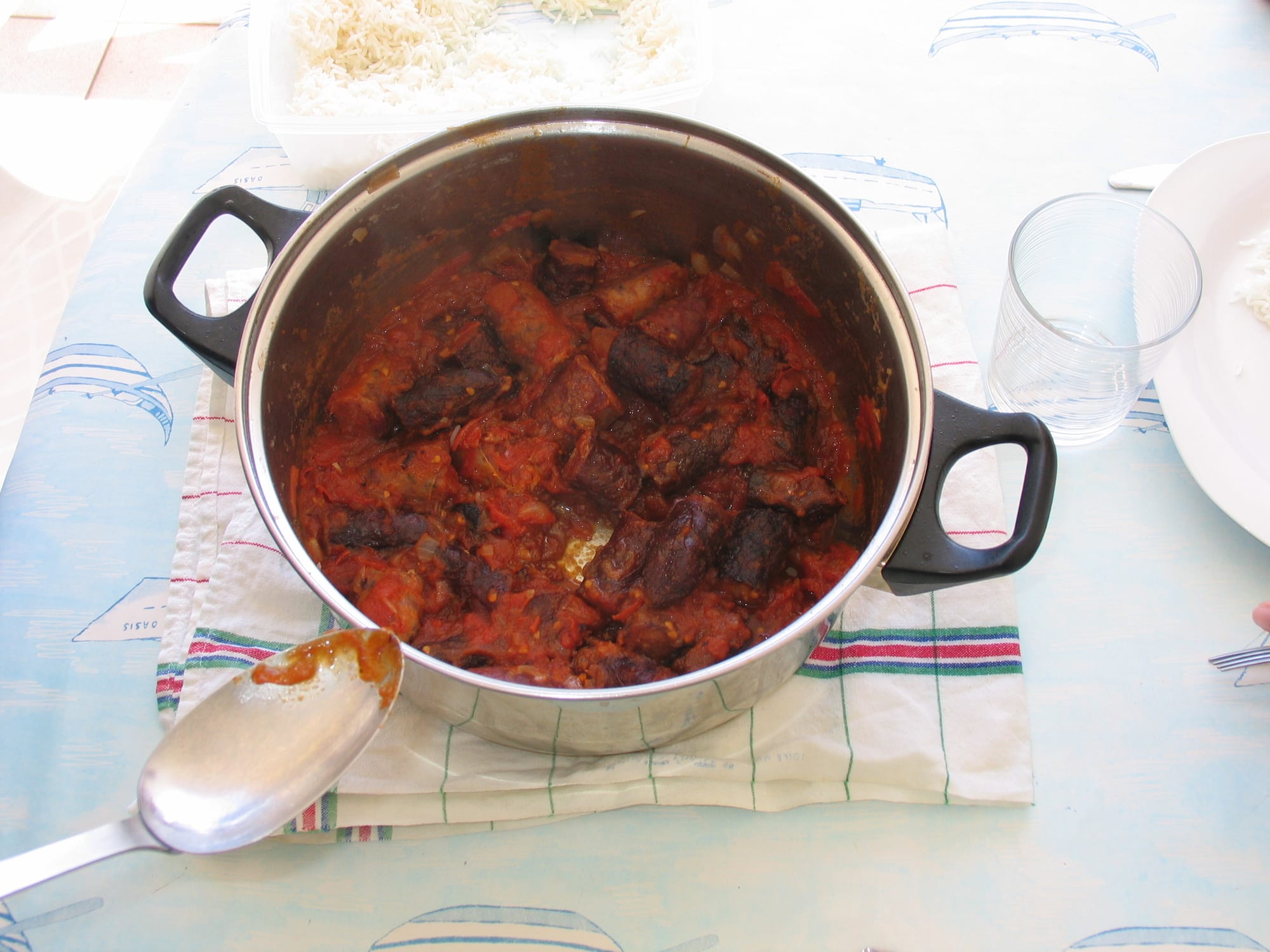
Cari, a Creole-style curry made with meat, fish or vegetables cooked in a base of onion, garlic, ginger, turmeric and tomato, served with rice, lentils (grains) and rougail, a spicy condiment usually made from tomato or fruit, is Réunion's national dish. Rougail saucisse, smoked sausage cooked in a tomato-based rougail sauce, is one of the best-known and most widely loved specific versions eaten across the island.
Rice, spice and a genuinely blended pantry
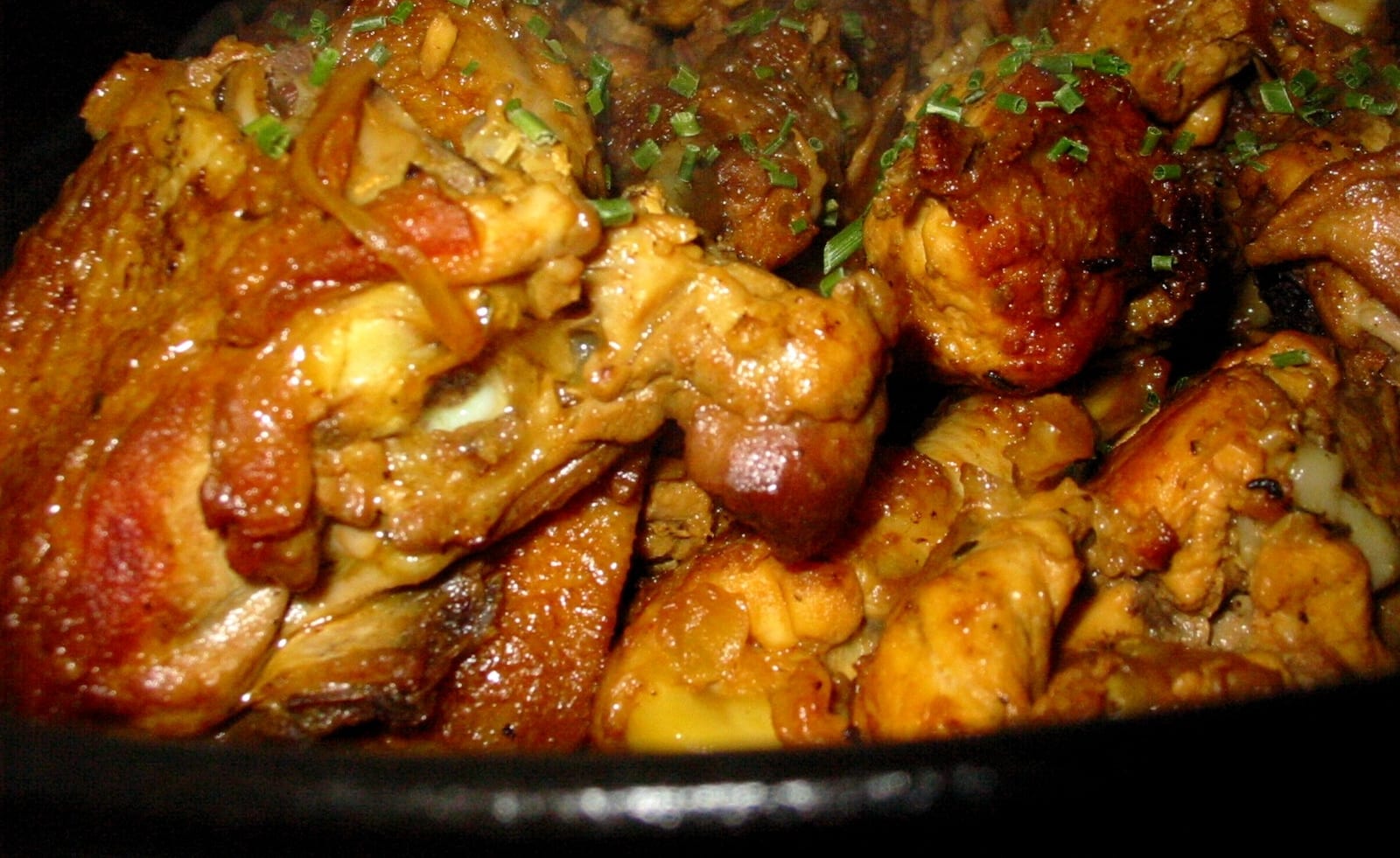
Rice and lentils, served as the base grains (grains) alongside nearly every cari, sit next to combava, a fragrant citrus fruit distinctive to the island, and turmeric, ginger and garlic as the core spice base. Vanilla, grown on Réunion since the 19th century, and tropical fruit round out a pantry that draws as much from Indian Ocean trade as from the island's own volcanic soil.
History behind the blend
Réunion's food history follows its settlement directly: French colonists established sugar plantations, enslaved people from Madagascar and East Africa brought their own cooking traditions, Indian indentured labourers arrived after the abolition of slavery in 1848 bringing curry spices and techniques, and Chinese traders added their own dishes and ingredients. Cari, absorbing all of these influences into one cooking method, reflects that layered settlement history more directly than perhaps any other dish on the island.
Dishes to know
Five more to recognise across Réunion:
- Rougail saucisse — smoked sausage cooked in a tomato-based rougail
sauce, one of the island's most popular dishes.
- Samoussas — fried pastry triangles filled with meat or vegetables,
reflecting the island's Indian influence.
- Bonbons piments — small, spicy split-pea fritters, a common
street-food snack.
- Rougail zourite — octopus cooked in a spicy tomato-based sauce.
- Bouchons — steamed dumplings, reflecting the island's Chinese
culinary influence.
Drinks
Rum, distilled from the island's sugarcane, is Réunion's most established local spirit, often flavoured with vanilla or fruit as rhum arrangé. Bourbon-grown coffee, a genuine local product, and fresh tropical fruit juices are common everyday drinks.
Eating as a traveller
Vegetarians will find rice, lentil and vegetable cari versions manageable, though meat and fish dominate most traditional dishes. Tap water is generally safe to drink on Réunion. Visiting a local market, such as Saint-Paul's street market, offers a genuine look at the combava, spices and produce behind the island's cari tradition.
What to take from the table
Cari, absorbing French, African, Indian and Chinese influence into one dish, is the true measure of Réunion's food identity: an island cuisine built from everyone who ever settled there.