Attractions & Natural Wonders · Réunion
Réunion: Six Attractions and Natural Wonders
One of the most active volcanoes on earth, three vast eroded amphitheatres ringed by sheer cliffs, and a waterfall plunging hundreds of metres into a gorge reachable only by helicopter or serious multi-day trek
By Worldlore Editorial · 10 September 2026
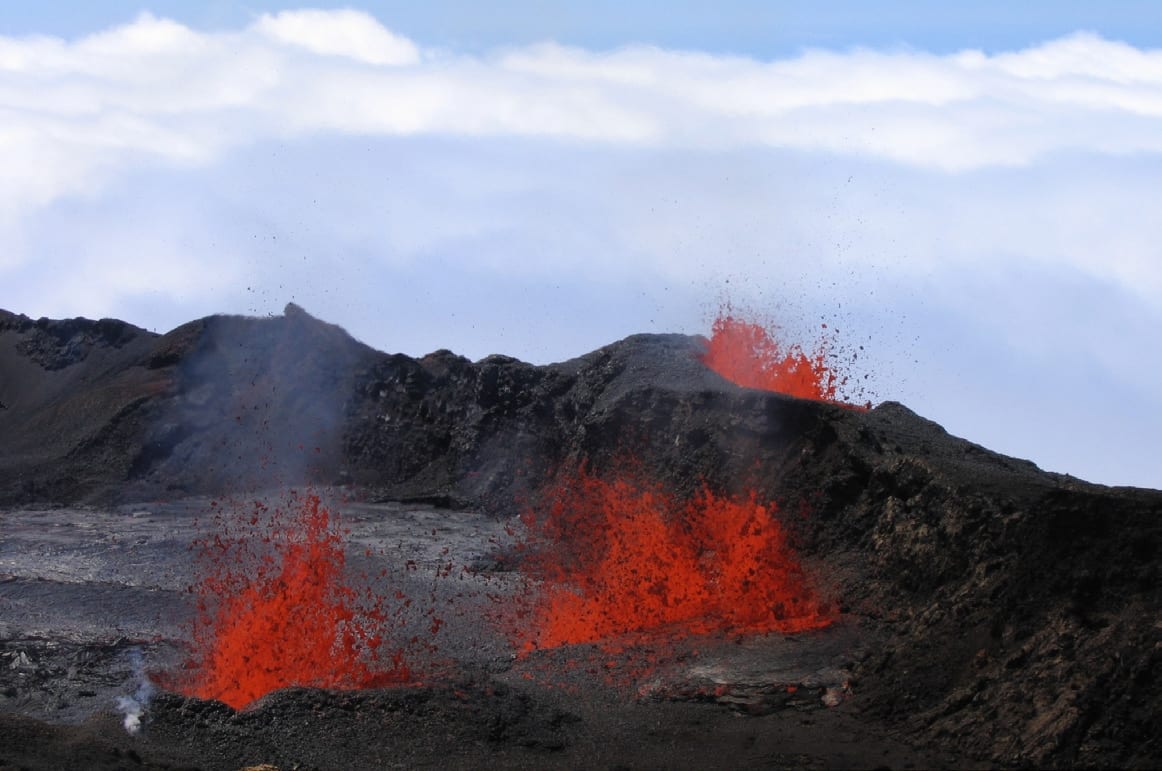
A French island of volcanoes and vertical cliffs
Réunion, a French overseas department in the Indian Ocean east of Madagascar, packs an extraordinary amount of dramatic terrain into a relatively small island — one of the world's most active volcanoes, three enormous eroded calderas ringed by nearly vertical cliffs, and waterfalls dropping hundreds of metres through dense rainforest. As part of France, it uses the euro and follows French administrative systems, giving it a distinctly European infrastructure layered over an otherwise tropical, Indian Ocean Creole culture.
The six below run from the volcano in the southeast to the interior cirques and the capital. The dry, cooler season (roughly May to November) is generally the most comfortable for hiking.
1. Piton de la Fournaise
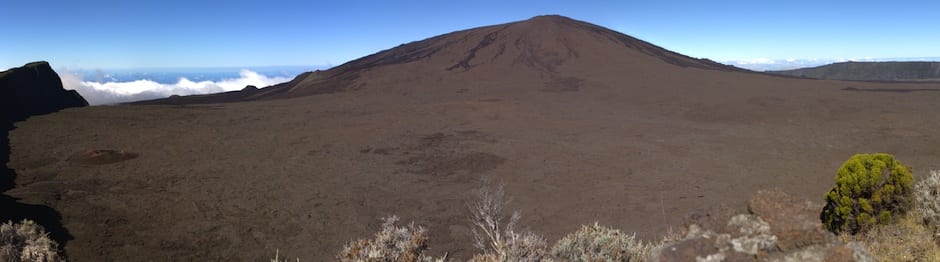
Piton de la Fournaise, one of the most active volcanoes on earth, erupts on average more than once a year, drawing crowds to safe viewing distances when activity picks up. Between eruptions, a hiking trail crosses the vast, barren caldera floor known as the Plaine des Sables — a landscape so otherworldly it has stood in for Mars in film productions — to reach the summit crater itself.
2. The Cirque de Mafate
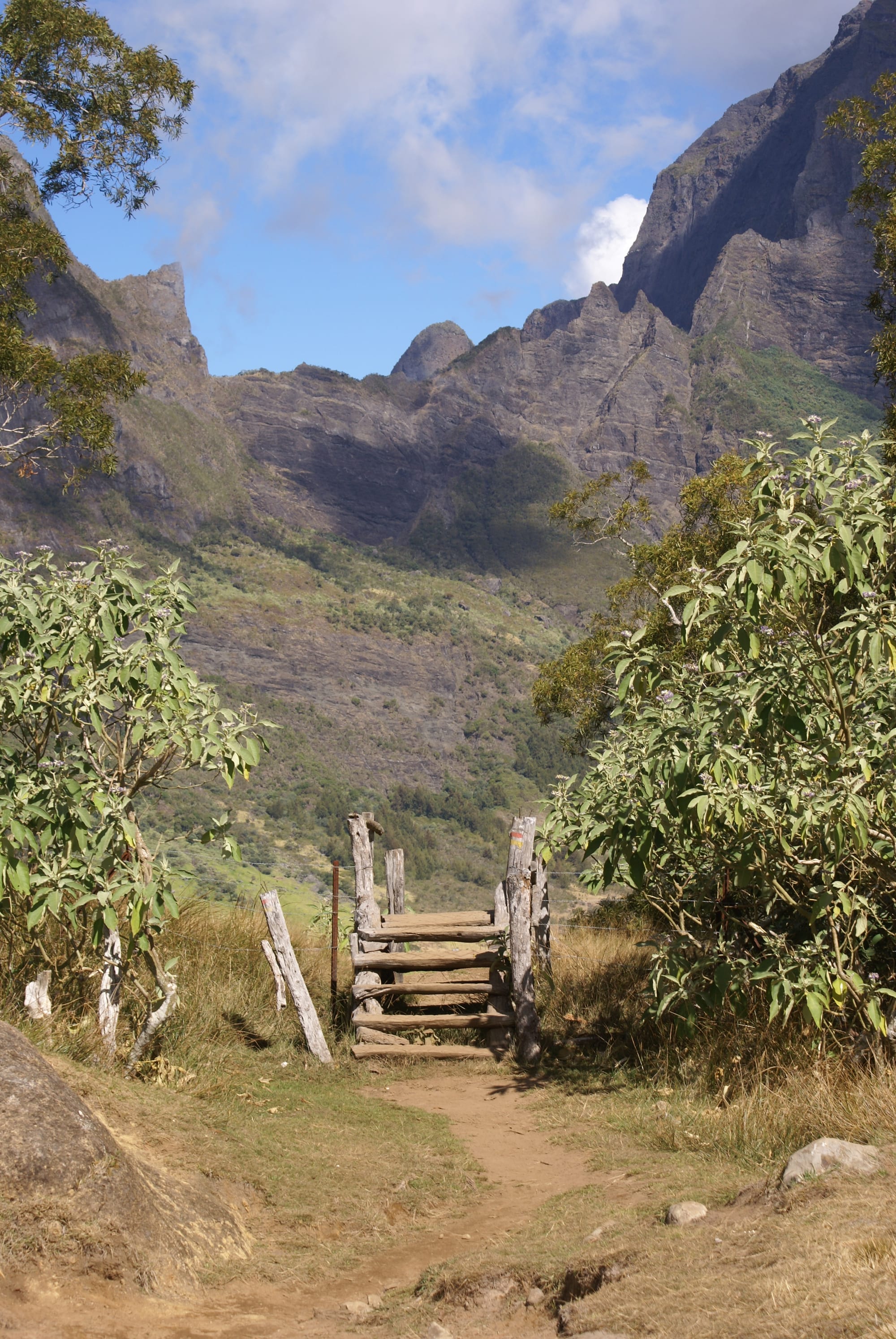
The Cirque de Mafate, one of three vast natural amphitheatres formed by the collapse of an ancient volcano, is so remote that it remains the only inhabited place in France with no road access whatsoever — its small villages are reached only on foot or by helicopter, and hiking across the cirque's ridges and valleys, staying in mountain gîtes along the way, is one of the island's classic multi-day treks.
3. The Cirque de Cilaos
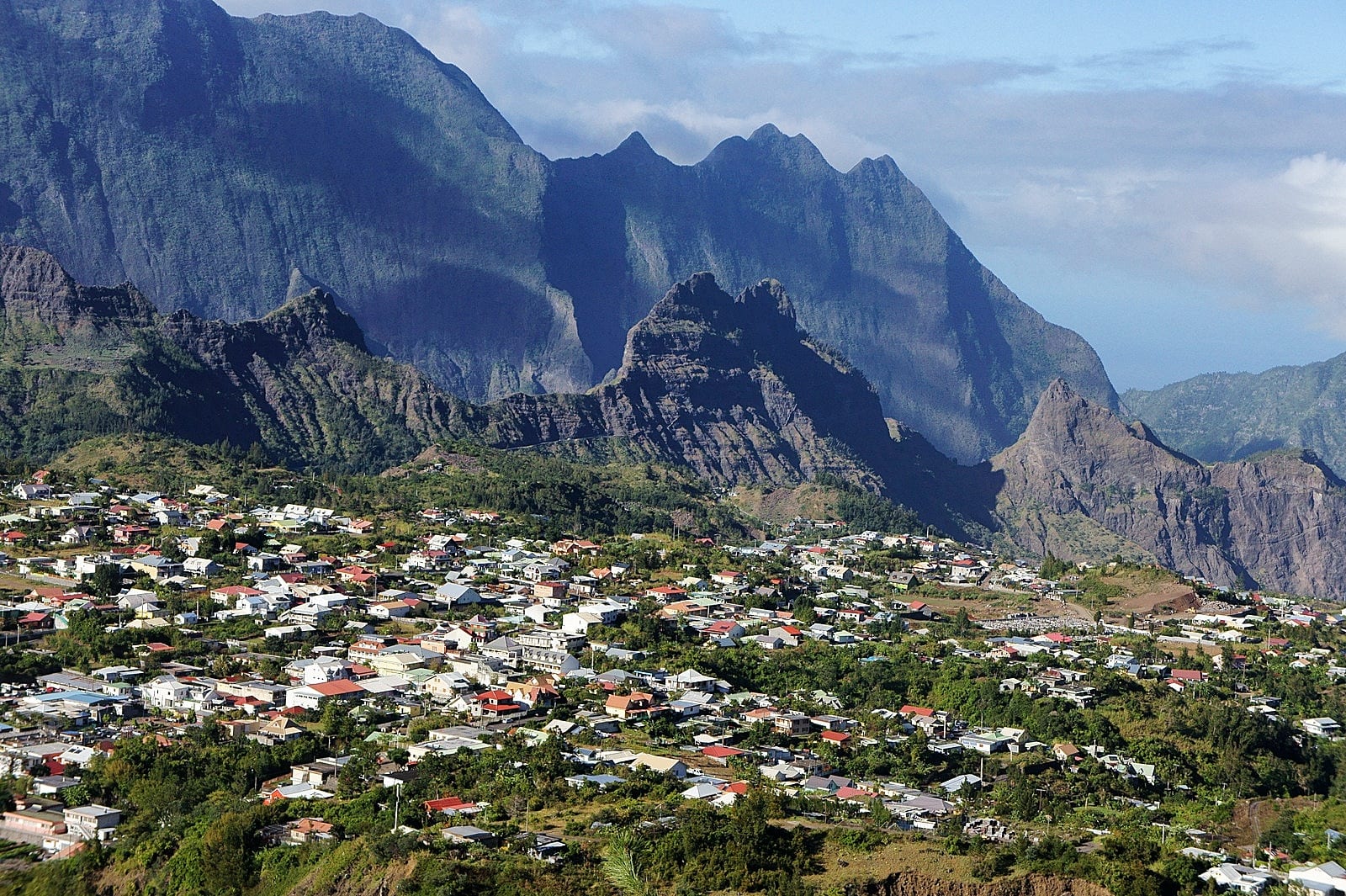
Cilaos, the most accessible of the island's three cirques by road (via a famously winding mountain route with hundreds of hairpin turns), is known for its natural thermal springs, a distinctive local wine industry grown on the cirque's slopes, and lentil farming in terraced fields — along with hiking routes leading up to Piton des Neiges, Réunion's highest peak and the highest point in the Indian Ocean.
4. Saint-Denis
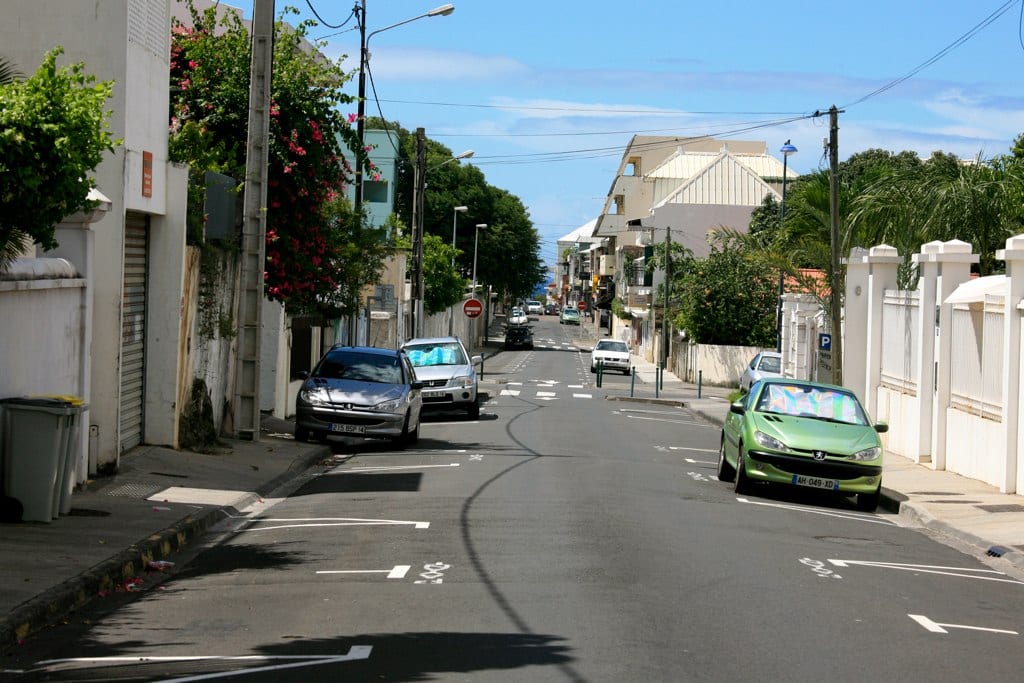
Saint-Denis, Réunion's capital, blends 19th-century Creole wooden houses and colonial administrative buildings with the ordinary infrastructure of a French departmental capital — supermarkets, a university, and government offices alongside markets selling tropical produce and Indian Ocean Creole cuisine reflecting the island's mixed French, African, Indian, and Chinese heritage.
5. The Trou de Fer waterfall
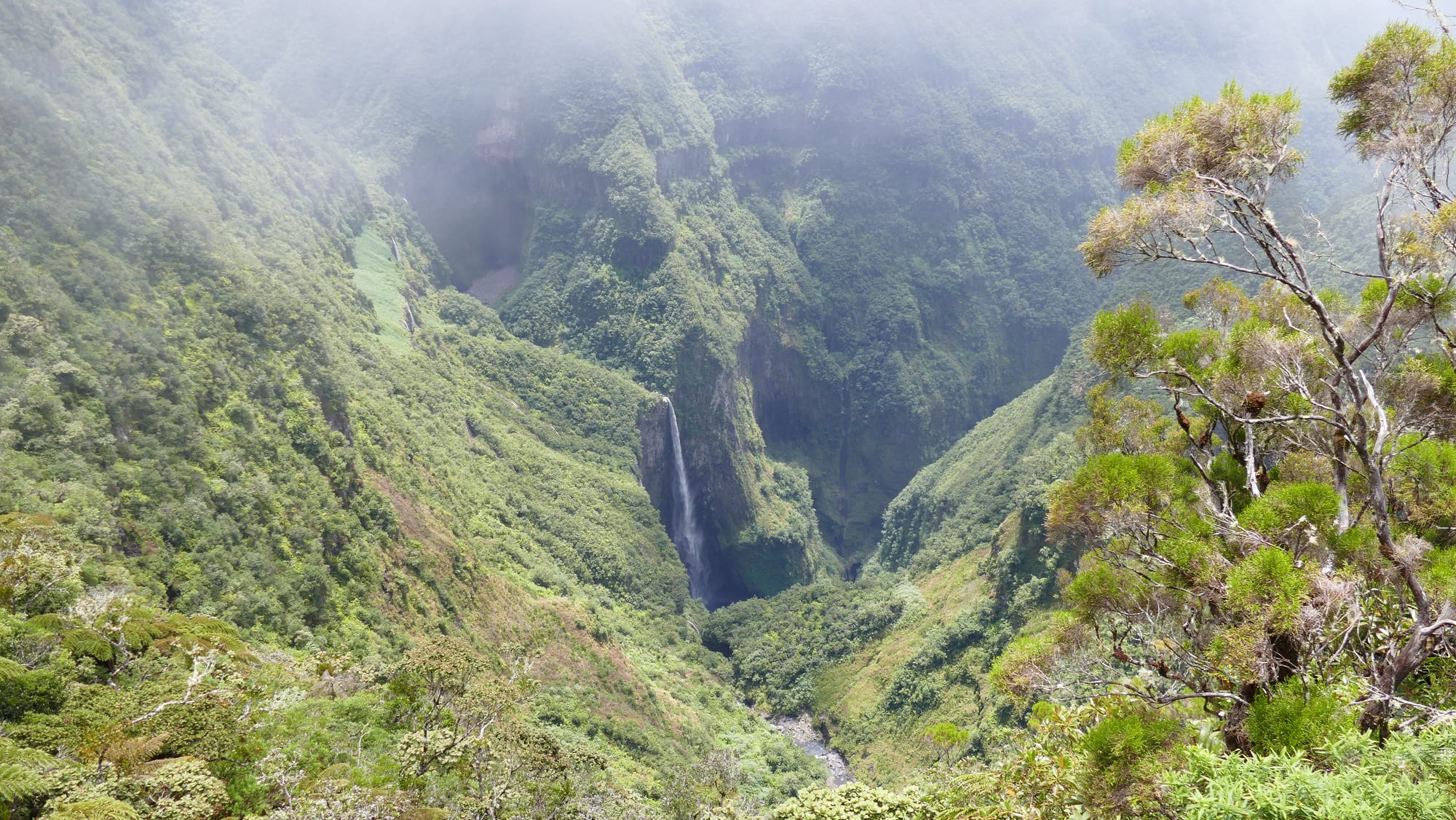
The Trou de Fer ("Iron Hole"), one of the island's most spectacular waterfalls, drops several hundred metres in stages down a sheer, densely vegetated gorge so remote that most visitors see it only from a helicopter tour or a demanding, multi-day hike; there is no easy roadside viewpoint, which has helped keep the site relatively untouched.
6. The west-coast lagoon
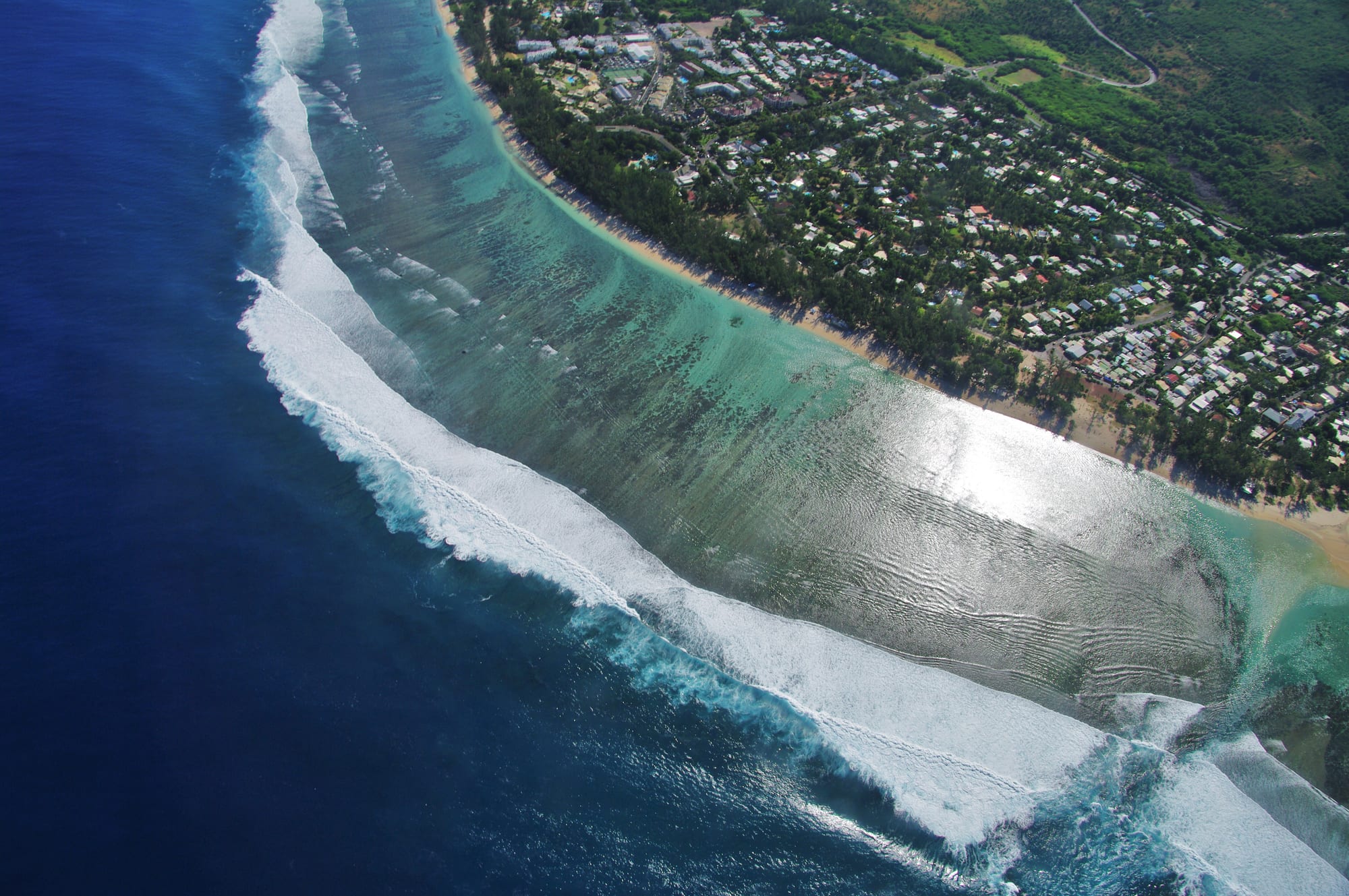
Réunion's volcanic origins mean it has relatively little of the classic coral-lagoon coastline found on neighbouring Mauritius, but a stretch of sheltered reef along the west coast around Saint-Gilles and L'Hermitage gives calm, family-friendly swimming and snorkelling — a contrast to the dramatic, cliff-bound scenery that dominates the rest of the island.
Réunion rewards at least a week: the volcano and interior cirques demand serious hiking days, while the west-coast lagoon offers an easier, beach-focused contrast to close out a trip.