Daily Life · Réunion
Réunion: A Calendar Built for Every Faith
Extended families that may be Catholic, Hindu, Muslim and Chinese-temple all at once, a Sunday picnic under the varangue, and a French department where a few hundred people still live in villages reachable only on foot
By Worldlore Editorial · 30 September 2026
An ordinary day on Réunion is French in its paperwork and Creole in almost everything else. Extended families gather easily and often, an ordinary household might mark Catholic saints' days, Tamil festivals and Chinese new year within the same set of relatives, and Creole, not French, is what most people actually speak once the conversation turns informal. Life is lived between a hot, busy coastal strip and cool green mountains just behind it, on an island small enough to cross in a few hours yet varied enough that a handful of villages in its interior still have no road reaching them at all.
Family and home life
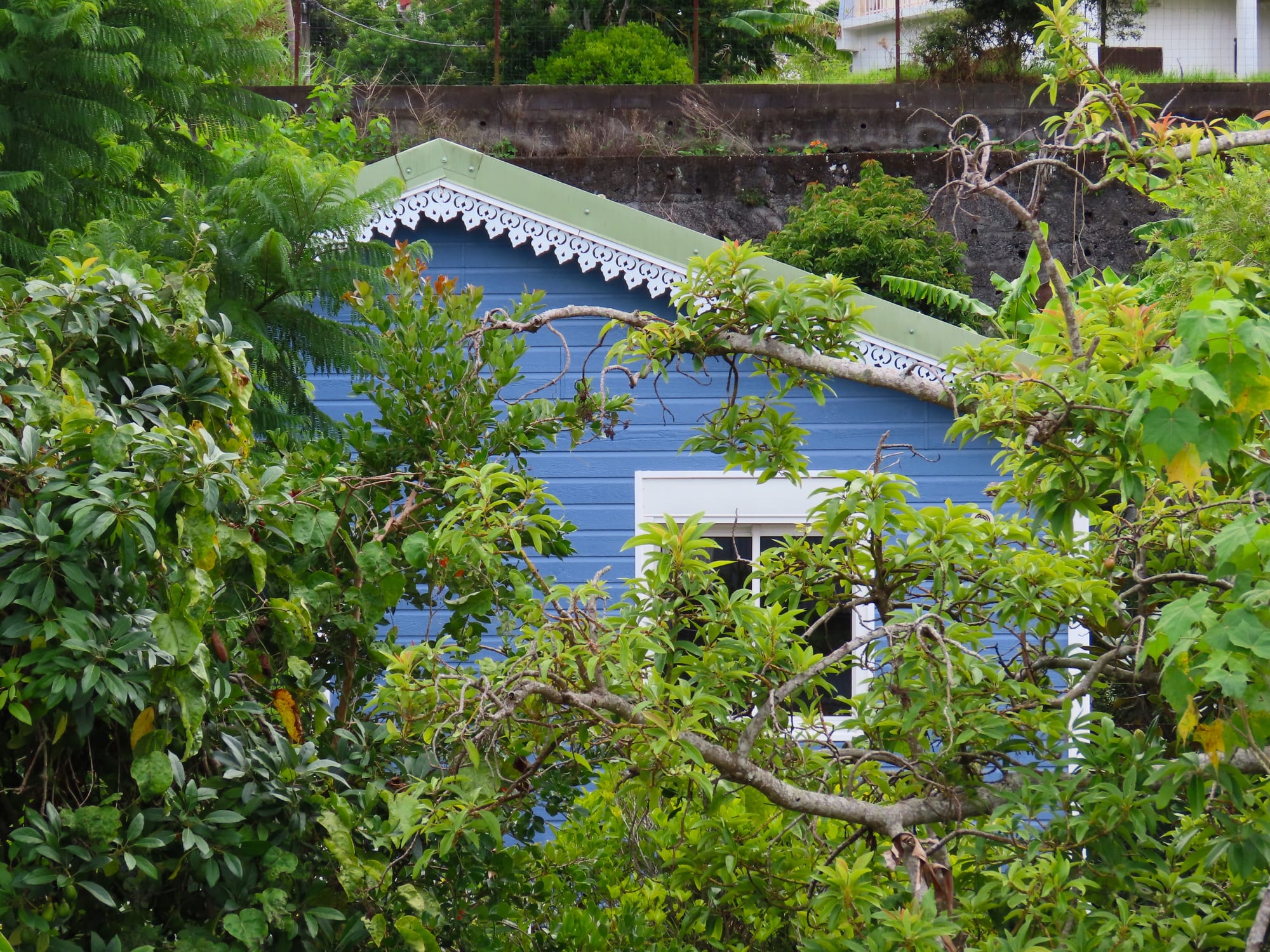
The extended family remains central, and it is common for grandparents to live nearby or under the same roof, especially in the more rural interior communes. Réunion's population is younger than mainland France's, and multigenerational households are as much practical as cultural, easing high youth unemployment and the cost of housing. Because the island's population descends from settlers, enslaved Africans and Malagasy, and indentured labourers from India and China, it is not unusual for one extended family to include Catholic, Hindu, Muslim and Chinese-temple traditions side by side, and some people practise more than one religion, each marked in its own season. Traditional Creole houses, or cases, are built around a varangue, a covered veranda that functions as the household's real living room, used for meals, visiting and simply sitting through the heat of the day.
Work, school and the rhythm of the day
The working week and school system follow the French metropolitan model, a standard 35-hour week and French-style school terms, though the school calendar is adjusted locally to suit the southern-hemisphere seasons. Unemployment has fallen to around 16 percent of the workforce in 2025, the lowest level ever recorded on the island, but remains roughly double the rate in mainland France, and youth unemployment is markedly higher still, pushing many young Réunionnais to study or work on the mainland for a period. The public sector, tourism and agriculture, chiefly sugar cane, vanilla and geranium oil, anchor the formal economy, while EU and French state transfers remain a significant part of island income.
Community life and public spaces
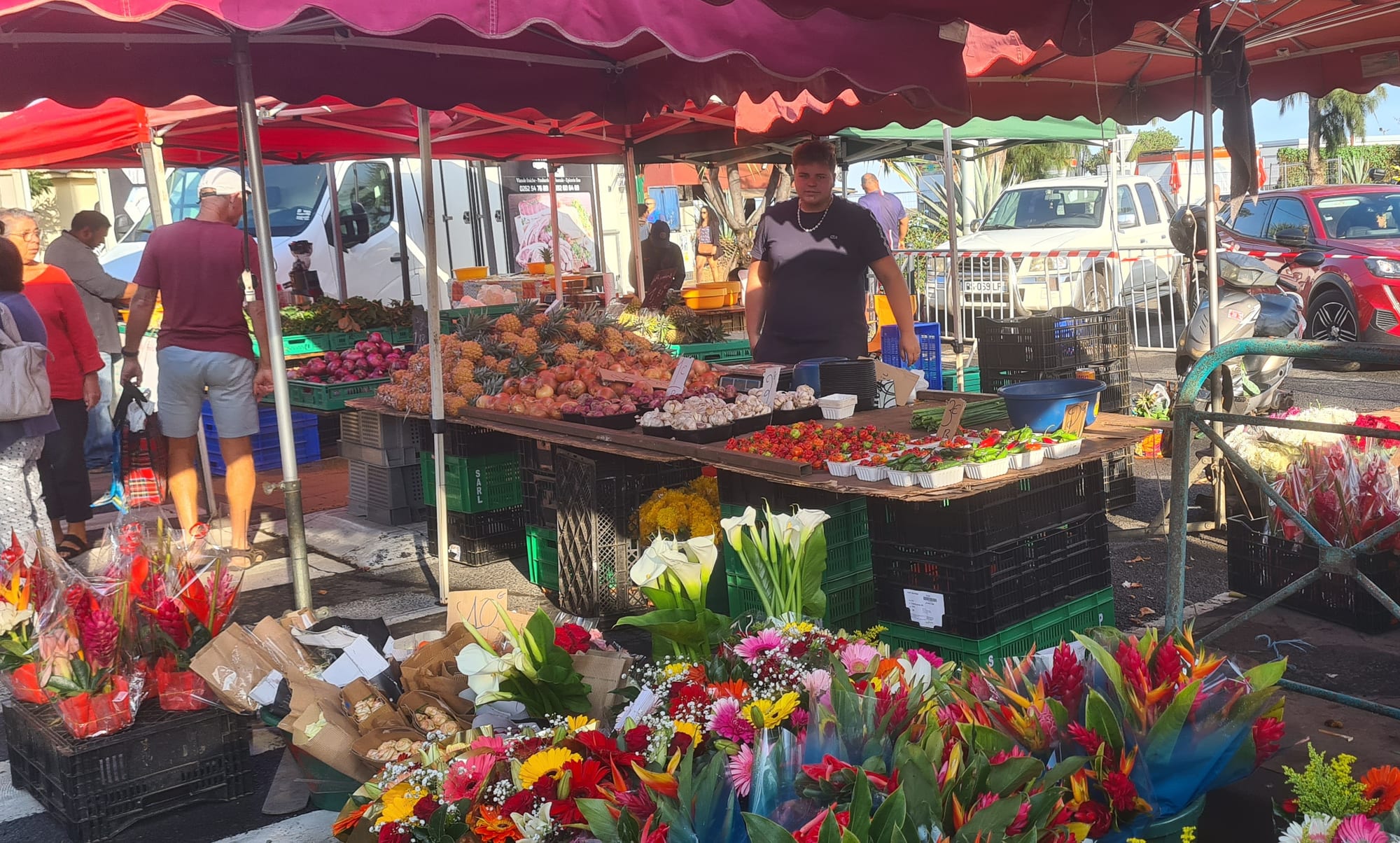
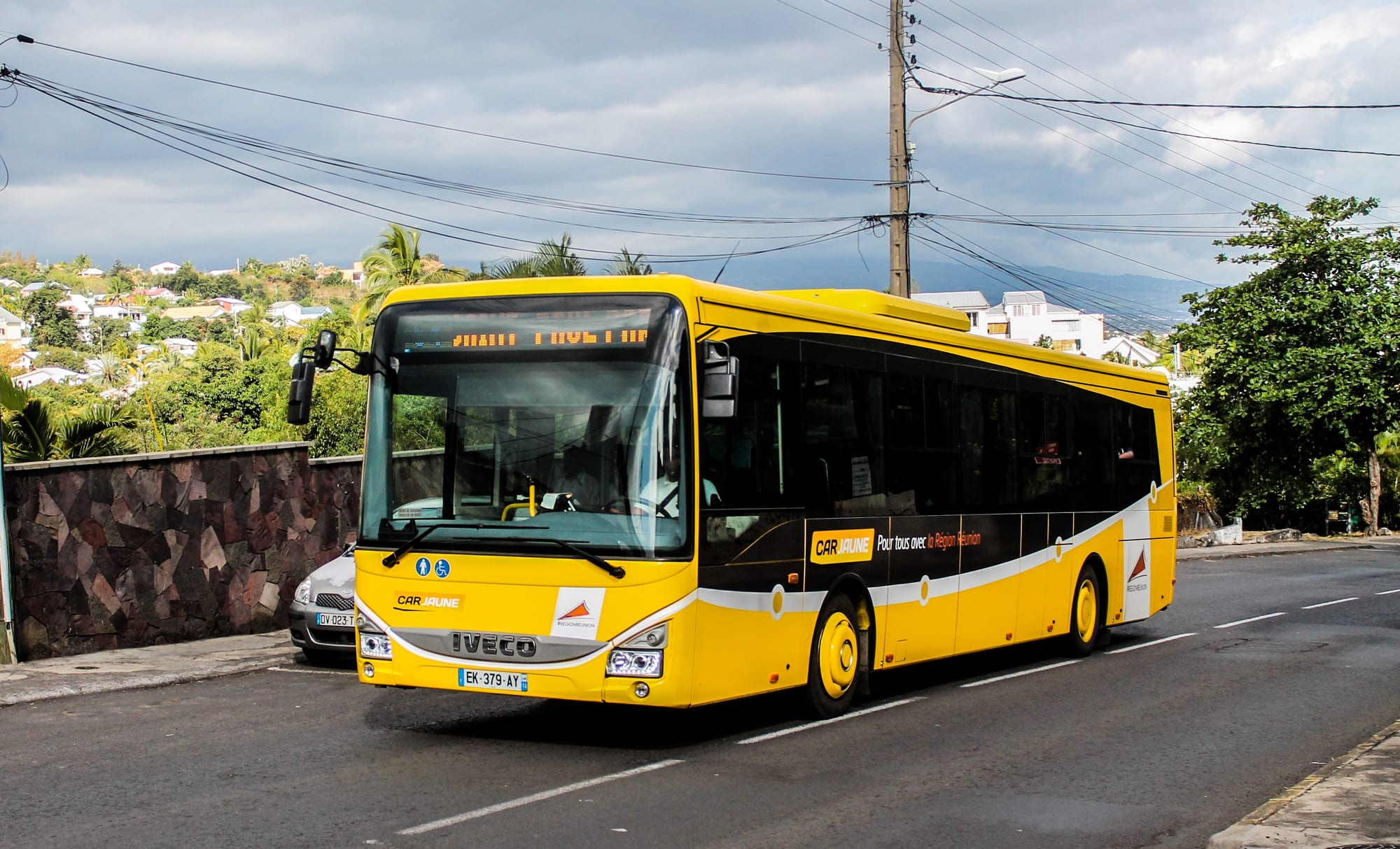
Markets are a genuine weekly fixture rather than a tourist event, selling tropical fruit, vegetables, flowers, spices and prepared Creole food, and towns across the island hold their own on different mornings of the week. Getting around relies on a hire car for most people, since the island has no passenger railway and the interior is steep and winding, but the Car Jaune bus network circles the coast on a fixed, affordable timetable and is a real part of daily life for those without a car. In the remote Cirque de Mafate, a handful of hamlets have no road connection at all; their few hundred residents rely on footpaths and a helicopter service for supplies and even rubbish collection, while the post still arrives on foot, a genuinely unusual daily reality within French and EU territory.
Free time and weekends
Sunday centres on the pique-nique, an extended family gathering under a varangue, in a garden, or at a public picnic spot, often built around a slow-cooked cari. Hiking is hugely popular given the density of mountain trails and staffed gîtes, culminating each October in the Grand Raid, a gruelling ultramarathon across the cirques that draws crowds of supporters along its route. Music built around maloya, the drum-and-chant tradition recognised by UNESCO, and the lighter séga provide the backing track to gatherings called kabars, and the island's mixed heritage means the festival calendar runs from Tamil fire-walking ceremonies and Dipavali to Eid, Chinese Guan Di celebrations and Catholic saints' days, each drawing genuine community turnout rather than being treated as a minority event.
A visitor's ordinary day
The euro is the currency and cards are widely accepted, though mountain gîtes, small markets and roadside snack stalls are easiest with cash. A hire car is close to essential outside the main coastal towns, since the Car Jaune bus network is useful but slow and the cirques require either a long drive or a multi-day walk with gîte bookings arranged in advance. Swimming and surfing are banned along much of the coast outside the lagoon and supervised, protected zones because of a genuine shark risk, a rule worth taking seriously rather than treating as overcautious. The wetter, hotter season from November to April carries cyclone risk and is generally a harder time to visit than the cooler, drier months from May to October.
What to take away
An ordinary day on Réunion is shaped less by any single tradition than by how many traditions sit comfortably within one family and one calendar, on an island where a short drive can still lead from a busy coastal market to a village with no road in at all.