History · Puerto Rico
Puerto Rico: The Unincorporated Island
A Spanish stronghold for four centuries and a US possession since 1898 — a Caribbean society whose people are American citizens but cannot vote for president, and who have never settled the question of what their island should be
By Worldlore Editorial · 10 September 2026
Citizens who cannot vote for president
Puerto Rico is a Caribbean island of about 3.2 million people, a territory of the United States whose residents are US citizens by birth but have no vote in presidential elections and only a non-voting delegate in Congress. It is neither a state nor an independent country nor a colony in name, but an "unincorporated territory" — a status the US Supreme Court invented for it after 1898. What Puerto Rico should ultimately be — a state, a nation, or something in between — is the question its politics has turned on for over a century, and it is still unresolved.
A short history
- to 1493
The Taíno
Arawak-speaking islanders call it Borikén.
- 1493
Columbus
Claims the island for Spain on his second voyage.
- 1508
Spanish settlement
Ponce de León founds the first colony.
- 1539
El Morro begun
San Juan is fortified against European rivals.
- 1868
The Grito de Lares
A short-lived independence revolt is crushed.
- 1897
Autonomy
Spain grants Puerto Rico self-government — months before losing it.
- 1898
The US takeover
Spain cedes Puerto Rico after the Spanish–American War.
- 1917
US citizenship
The Jones Act extends it to Puerto Ricans.
- 1952
The Commonwealth
Puerto Rico adopts its own constitution as a US "Estado Libre Asociado".
- 2016–2017
Debt and disaster
A federal control board; bankruptcy; Hurricane Maria.
Spain's fortress island
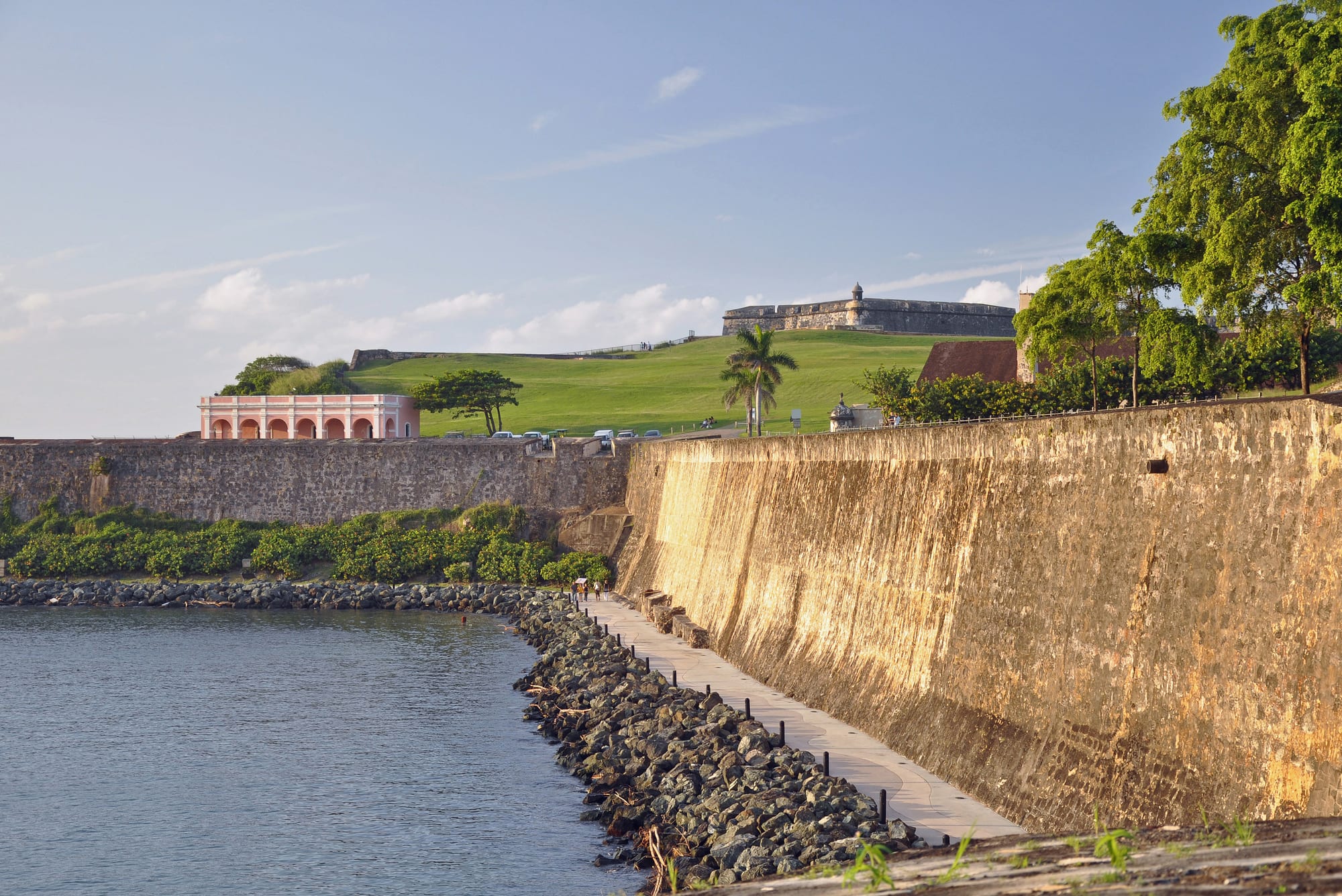
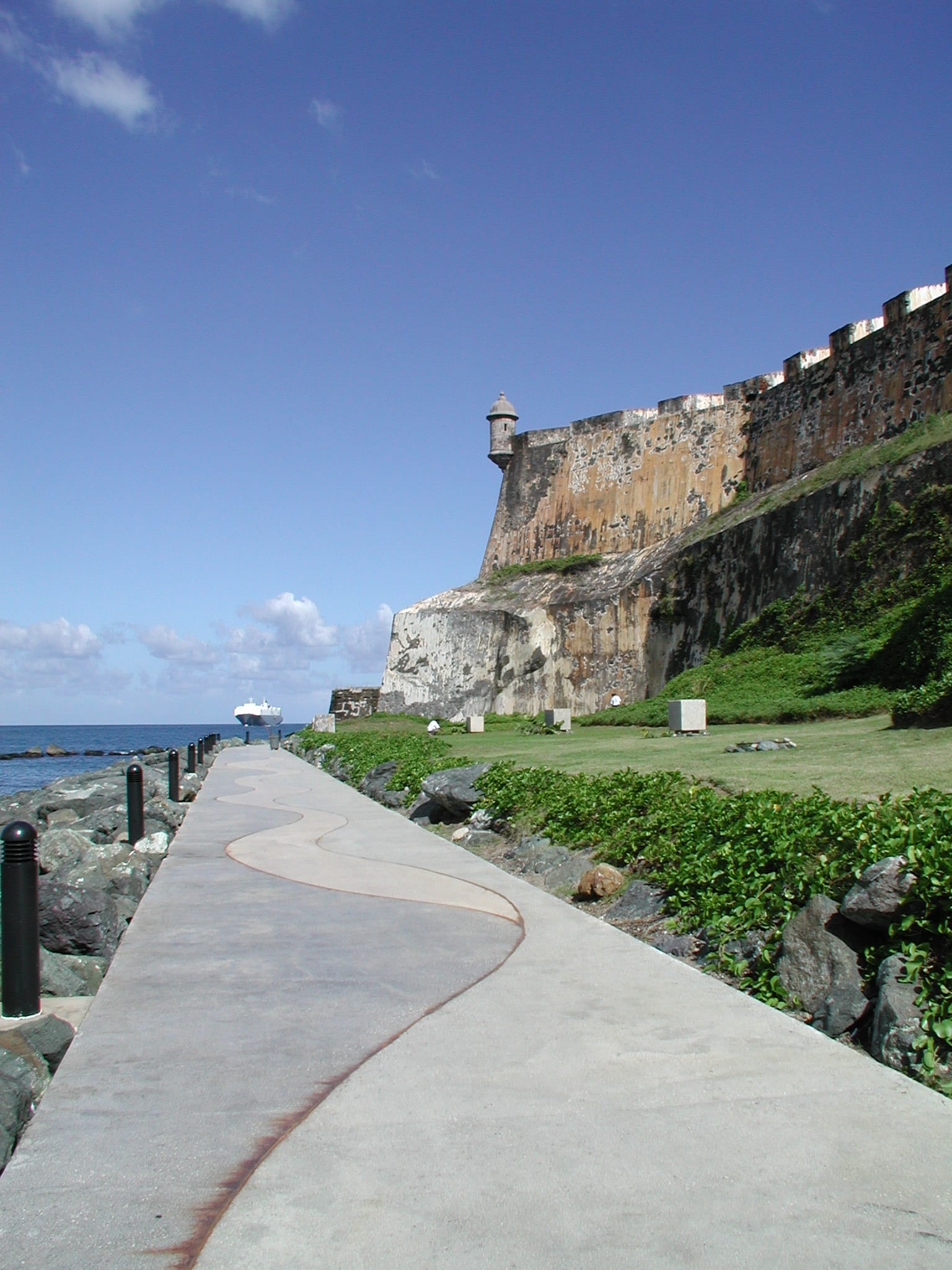
The Taíno, who called the island Borikén, were rapidly devastated after Spanish settlement began in 1508 by disease, forced labour and revolt. Spain valued Puerto Rico chiefly for its position: San Juan's harbour commanded the sea lanes into the Caribbean, and from 1539 the Spanish built El Morro and a ring of walls that repelled English and Dutch assaults. The island's economy grew slowly on sugar, coffee, tobacco and enslaved African labour, and a distinct Puerto Rican ("criollo") identity developed. A brief 1868 uprising for independence, the Grito de Lares, failed, but reformist pressure won an autonomy charter from Spain in 1897.
From Spain to the United States
That autonomy lasted months. In July 1898, during the Spanish–American War, US troops landed at Guánica, and by the Treaty of Paris Spain ceded Puerto Rico to the United States. A military government gave way in 1900 to a civilian one with US -appointed officials; the 1901 Supreme Court "Insular Cases" ruled that Puerto Rico "belonged to but was not a part of" the US, creating the "unincorporated territory" category and holding that the Constitution did not fully apply there. The 1917 Jones Act granted US citizenship — weeks before the US entered the First World War and began drafting Puerto Ricans — but not equal political rights.
Bootstrap and the status debate
From 1948 Puerto Rico elected its own governor. Luis Muñoz Marín's Popular Democratic Party pursued "Operation Bootstrap", using tax breaks to draw US factories, which shifted the island from agriculture to manufacturing and drove a huge migration to the mainland — by the 2000s, more people of Puerto Rican origin lived in the US states than on the island. In 1952 Puerto Rico adopted its own constitution as a Commonwealth (Estado Libre Asociado). Militant nationalists, convinced the arrangement was still colonial, staged an armed revolt in 1950 and an attack on the US Congress in 1954. Since then the island's parties have been defined mainly by the status question — commonwealth, statehood, or independence — and a series of non-binding plebiscites has produced narrow or disputed results, with turnout and boycotts making them hard to read.
Debt, Maria, and now
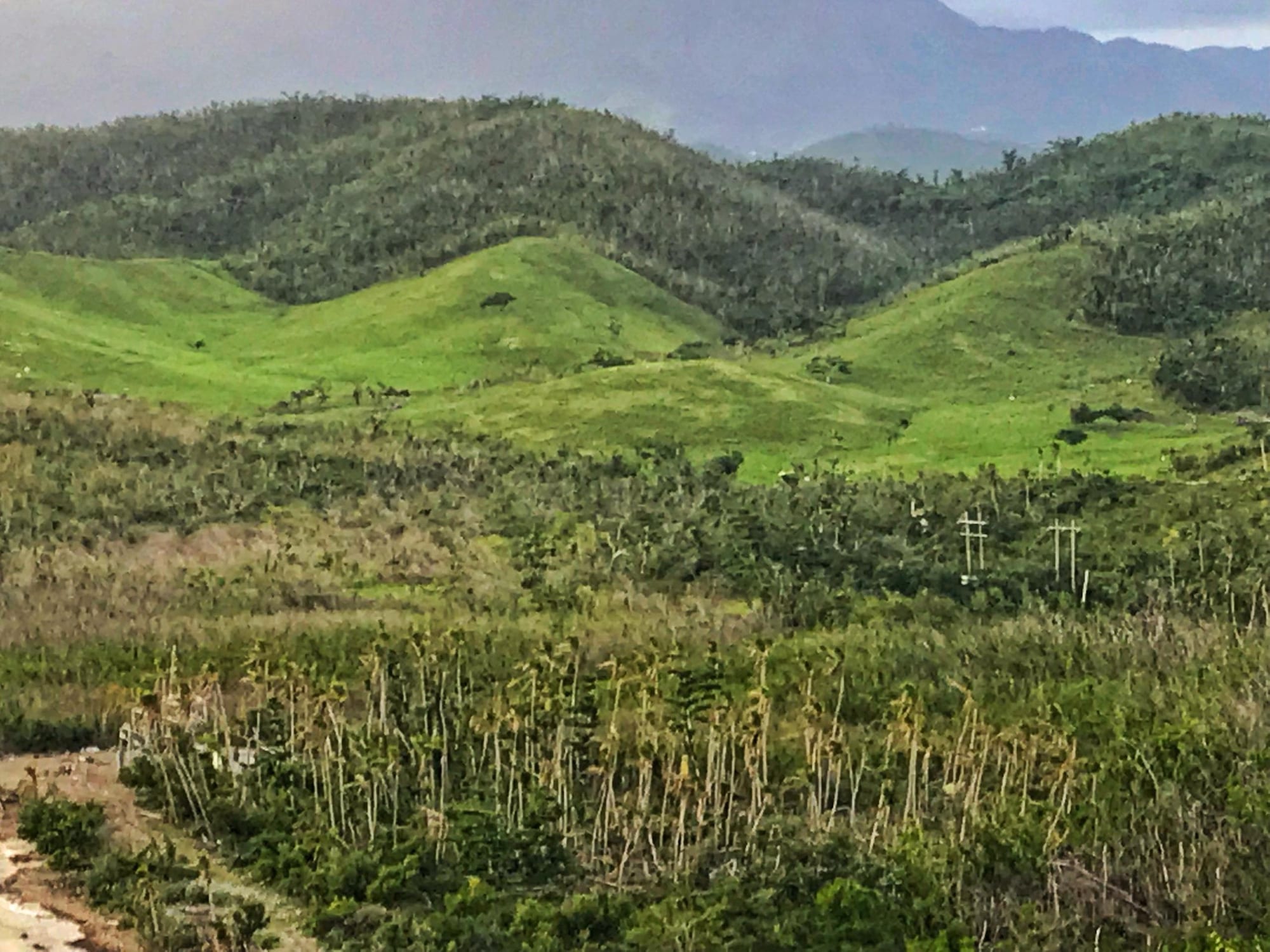
By 2015 the government had run up around $70 billion in bond debt it could not repay. Because it is a territory, Puerto Rico could not use normal municipal bankruptcy; instead the US Congress passed PROMESA in 2016, imposing an unelected fiscal control board — widely resented as "la junta" — to oversee austerity and debt restructuring. In September 2017 Hurricane Maria struck, destroying the power grid, killing an estimated 3,000 people over the following months, and accelerating emigration. Recovery has been slow and marked by protest, including the 2019 street movement that forced a governor to resign. The status question remains open, with statehood support rising but no path to it through a divided US Congress.
What Puerto Rico carries
Puerto Rico has been governed from outside for its entire recorded history — by Spain for four centuries, by the United States since 1898 — and the terms of the current arrangement were set by early-20th-century court rulings that placed it permanently between categories. Its people carry US passports and fight in US wars but cannot vote for the president who commands them, and every debate on the island, from the debt board to the hurricane response, comes back to that unfinished question of political status.