Daily Life · Puerto Rico
Puerto Rico: Life Scheduled Around the Grid
Extended families who gather for Sunday rice and pork, a corner colmado that doubles as the neighbourhood's real meeting place, and an island where planning around the next power cut is simply part of an ordinary day
By Worldlore Editorial · 30 September 2026
Life in Puerto Rico runs on family, heat, and a power grid that cannot always be relied on. Extended relatives gather often rather than occasionally, a car is close to essential once outside the capital, and across the island, from the mountain towns to the coast, an ordinary day still carries the quiet possibility that the electricity will go out before it ends. Spanish carries daily conversation almost everywhere, even though English is also an official language of government, a reminder that this is US territory in law but culturally its own place entirely.
Family and home life
The extended family remains the basic unit of daily life, and it is common for grandparents, aunts, uncles, and cousins to live nearby or gather weekly rather than living entirely apart. Sunday lunch, on special occasions arroz con gandules and roast pork, the island's national dishes, functions as a standing family appointment that many households treat as close to obligatory. Emigration has thinned out this pattern in practice: more people of Puerto Rican origin now live on the US mainland than on the island itself, a shift accelerated by the 2006 recession and Hurricane Maria in 2017, so an ordinary household today is as likely to include someone who calls in from Florida or New York as one who lives down the street.
Work, school and the rhythm of the day
Office hours generally run a standard eight-hour day, Monday to Friday, mirroring the US mainland pattern since Puerto Rico follows federal labour law as a territory. The heat and traffic shape the practical rhythm more than the clock does: commutes into San Juan from the surrounding metropolitan area can be long, and a car is close to essential for reaching work or school outside the capital, since useful passenger rail does not extend beyond San Juan's short Tren Urbano line. Underlying the whole working day is the island's damaged electrical grid: the hours lost to outages not tied to major storms rose by about a fifth in 2025, according to federal energy data, a transmission failure in April 2025 blacked out the whole island, and many households and businesses now treat backup batteries, generators, or at least a stock of candles as a standard part of being prepared for work or school to continue through a cut.
Community life and public spaces
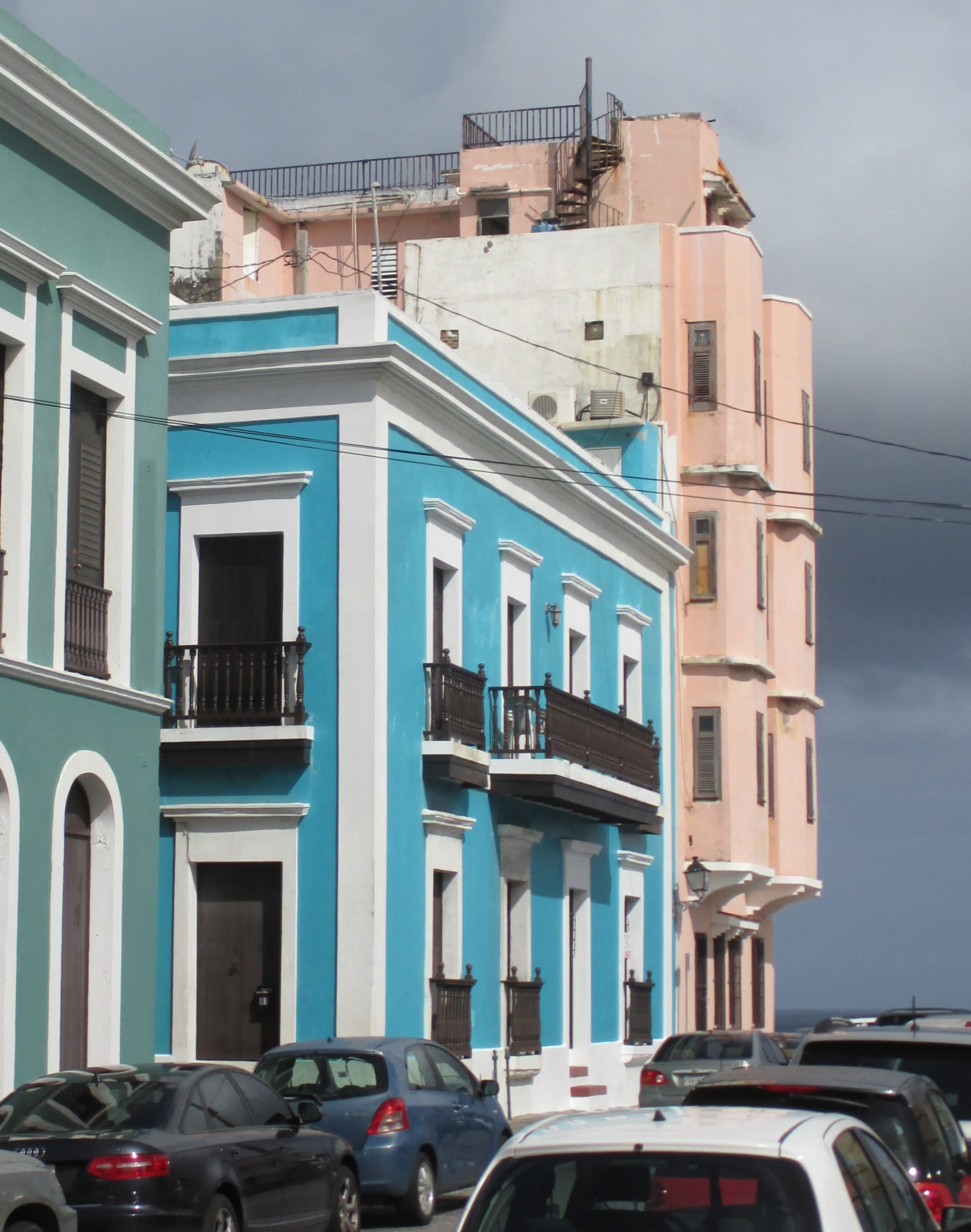
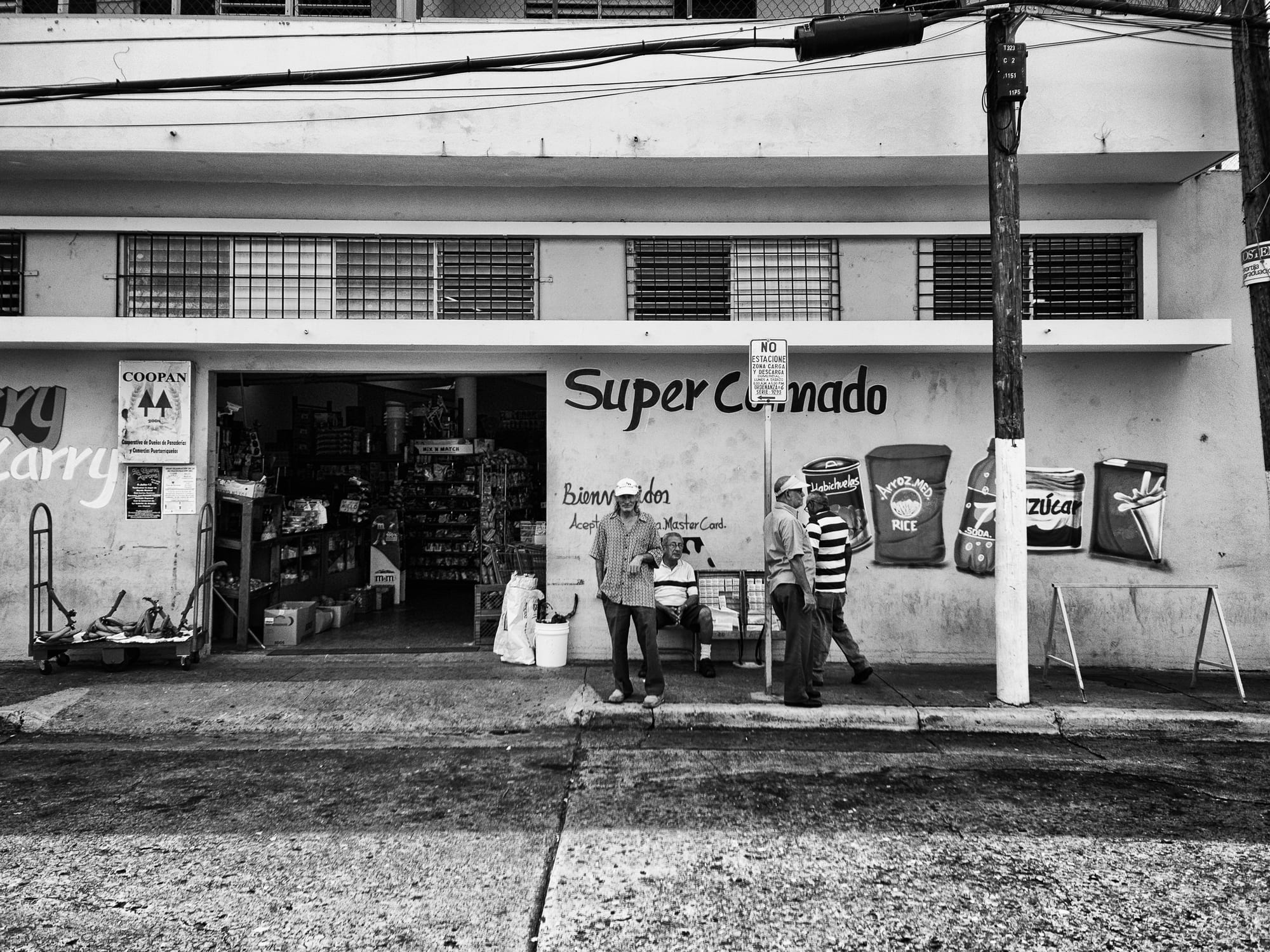
The colmado, a small neighbourhood grocery store, is as much a gathering point as a shop, a place where regulars stop to talk as much as to buy anything, in small towns and city blocks alike. Public plazas anchor almost every town centre, benches and shade trees around a central church providing the closest thing to a nationwide town square. Privately run minibuses called públicos fill much of the gap for anyone without a car, especially between towns beyond the reach of San Juan's bus network.
Free time and weekends
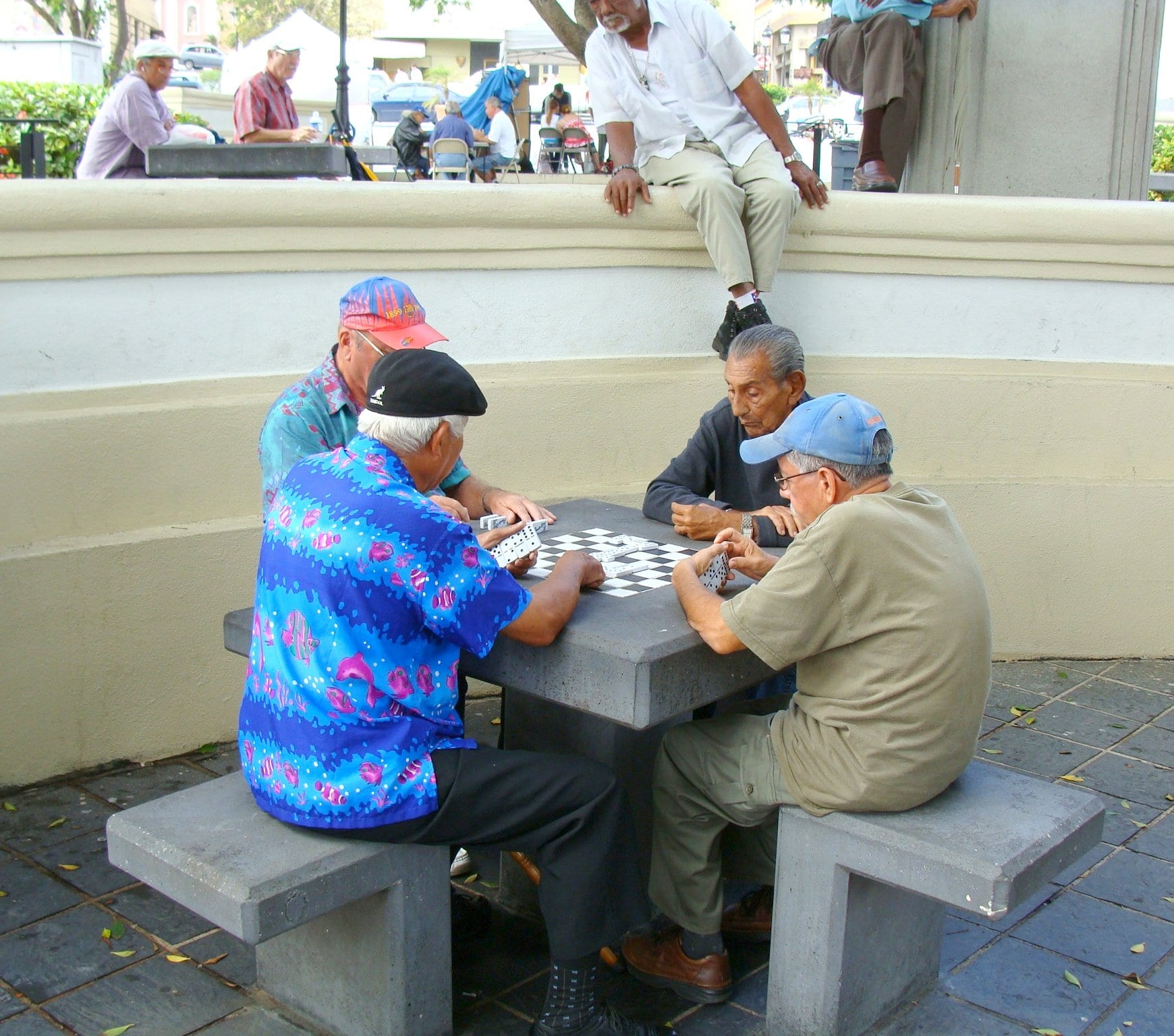
Dominoes is a genuine daily pastime rather than a tourist backdrop, played at plazas, colmados, and kitchen tables, and a game running into the evening is a familiar sight. Weekends draw heavily on the coast: a trip to the beach is a routine, low-cost outing rather than a special occasion for most families, and baseball, alongside basketball, commands genuine nationwide interest. Town fiestas patronales, each municipality's multi-day patron-saint festival, punctuate the calendar year-round and are treated as a full community occasion, drawing home relatives who have moved away for work.
A visitor's ordinary day
The US dollar is the currency and cards are widely accepted, though small colmados and roadside kioskos often prefer cash. A rental car is close to essential for anywhere outside San Juan, since públicos require some Spanish to negotiate a destination and fare and buses do not reach most of the island. It is worth carrying a torch or a charged power bank and not assuming air conditioning, refrigeration, or traffic lights will keep working without interruption, since planned and unplanned outages remain a normal part of island life rather than a rare event. Hurricane season runs June to November, peaking from late August through September, and can disrupt travel with little warning.
What to take away
What defines an ordinary day in Puerto Rico is the mix of warmth and contingency: family gathered close, or reached by phone across the mainland, and a routine that has learned to keep working even when the power does not.