Food · Puerto Rico
Puerto Rico: Food and the National Dish
Mashed fried plantain packed with garlic, a Taíno-rooted staple reworked through centuries of Spanish and African influence
By Worldlore Editorial · 16 September 2026
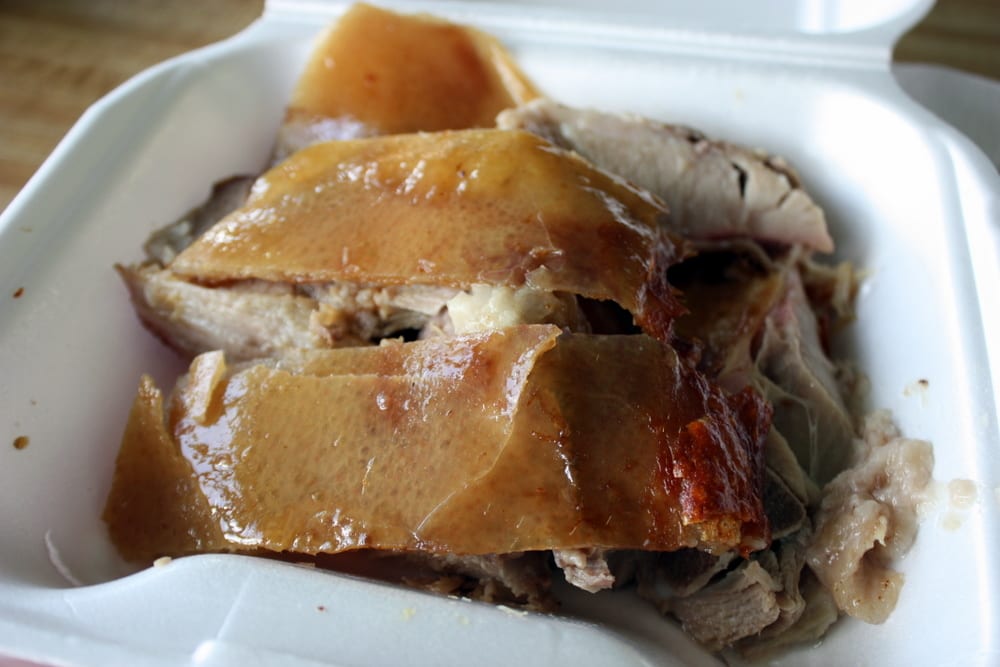
A cuisine built from Taíno, Spanish and African roots at once
Puerto Rican food, often called cocina criolla, draws genuinely from Taíno Indigenous ingredients, Spanish colonial cooking techniques and African culinary influence brought through the slave trade, layered together over centuries rather than kept as separate traditions.
The national dish: mofongo
Mofongo, green plantains fried, then mashed together with garlic, oil and pork cracklings (chicharrón), typically shaped into a mound and served with broth, meat or seafood, is Puerto Rico's national dish. Rooted in African and Taíno mashed-starch cooking traditions, mofongo is widely served across the island in versions ranging from simple roadside plates to elaborate seafood-stuffed presentations in San Juan restaurants.
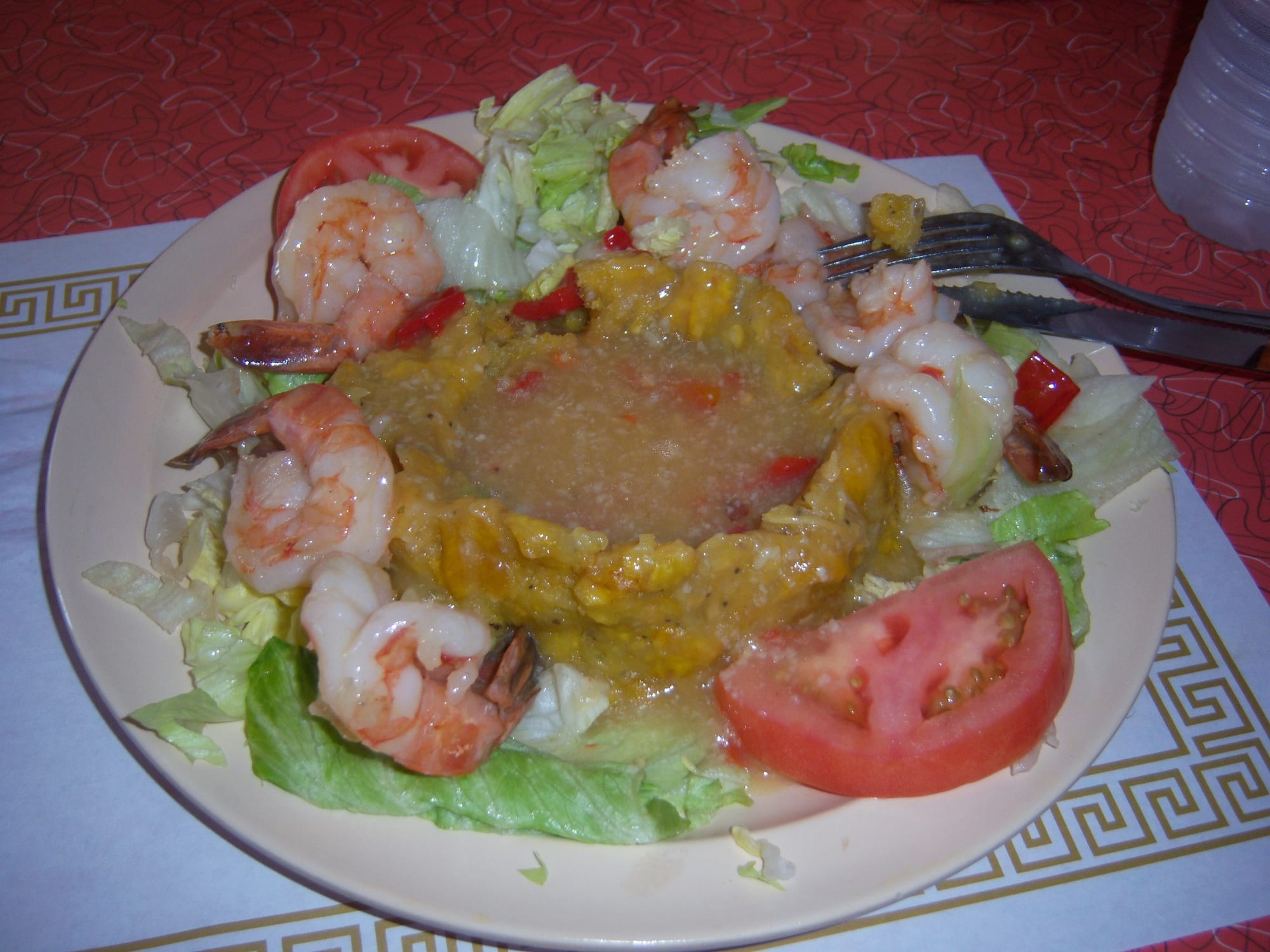
Plantains, pork and a genuinely layered pantry
Plantains, in fried, mashed and stuffed forms, and rice and beans served with nearly every meal anchor everyday Puerto Rican cooking. Pork, particularly slow-roasted lechón, and sofrito, a base of garlic, onion, peppers and herbs used to start most stews and rice dishes, round out a pantry built as much on Spanish and African technique as on the island's own tropical produce.
History behind the mash
Taíno communities were mashing starchy roots and plantains long before Spanish colonisation, a technique that West African cooking, brought to the island through the slave trade, closely paralleled and reinforced with dishes like fufu. Mofongo's specific combination of fried plantain, garlic and pork cracklings reflects that convergence directly, a genuinely blended dish rather than one tradition simply replacing another.
Dishes to know
Five more to recognise across Puerto Rico:
- Lechón — whole roasted pig, a weekend tradition especially
associated with Guavate in Cayey, nicknamed the "Lechón Highway."
- Arroz con gandules — rice with pigeon peas, a staple especially at
holiday meals.
- Pasteles — a masa of green banana and root vegetables, filled with
meat, wrapped in banana leaf and boiled.
- Alcapurrias — fried fritters made from a plantain and yautía dough,
filled with meat.
- Tostones — twice-fried plantain slices, a common side dish
nationwide.
Drinks
Piña colada, a blend of rum, coconut cream and pineapple juice, is widely credited to the Caribe Hilton in San Juan and remains Puerto Rico's best-known cocktail. Coffee, grown in the island's central highlands, and rum more broadly, distilled on the island for generations, are also genuine local staples.
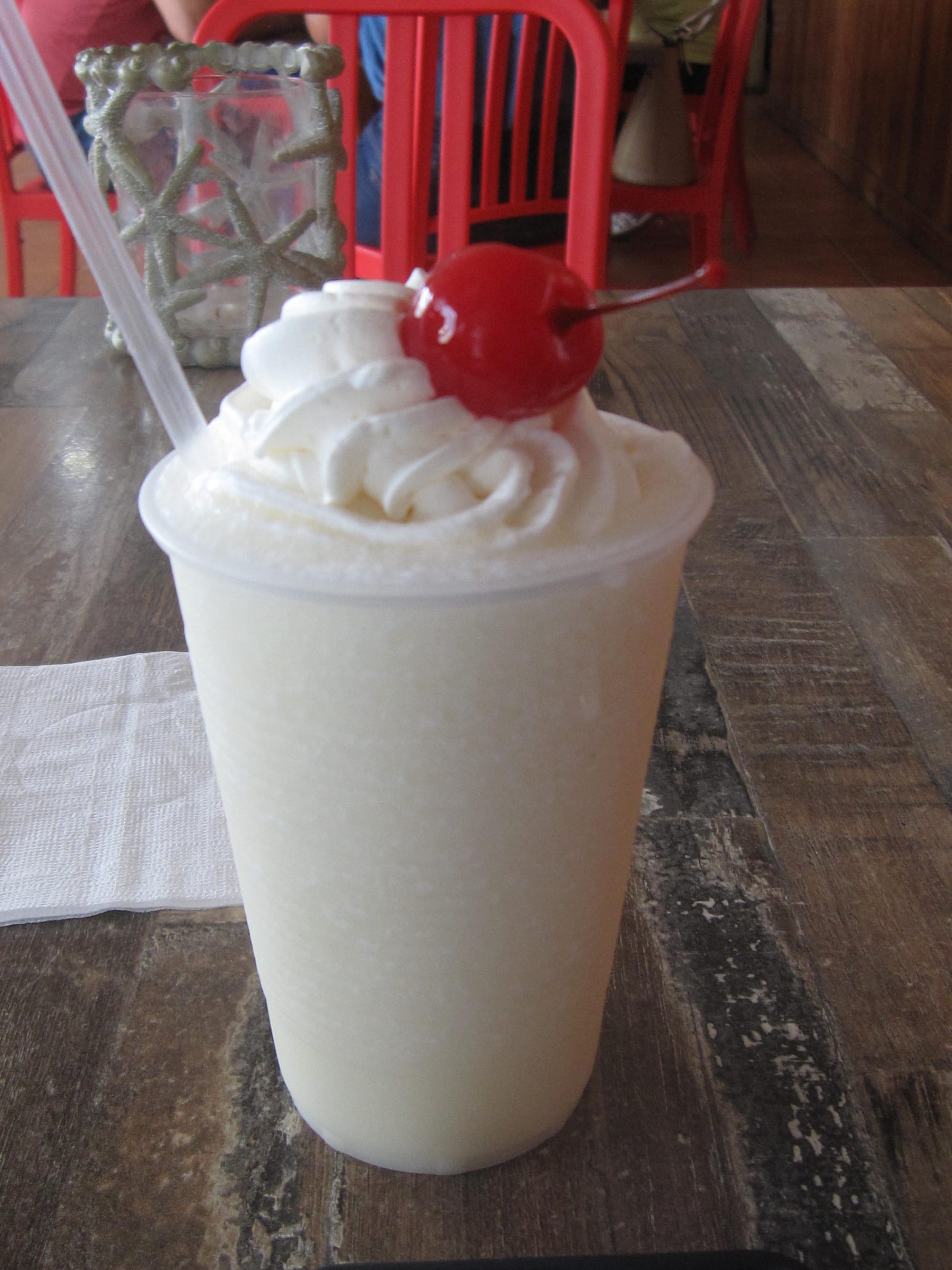
Eating as a traveller
Vegetarians will find plantain, rice and bean dishes manageable, though pork is central to much of Puerto Rican cooking. Tap water is generally safe to drink across the island. Driving out to Guavate for lechón on a weekend, the way many Puerto Rican families do, is a genuine way to experience the island's food culture beyond San Juan.
What to take from the table
Mofongo, mashed from a Taíno staple and seasoned through African and Spanish influence, is the dish that most fully carries Puerto Rico's layered food history in a single mound on the plate.