Attractions & Natural Wonders · Puerto Rico
Puerto Rico: Ten Attractions and Natural Wonders
A 16th-century fortress guarding a colourful colonial old town, a bay that glows electric blue when disturbed at night, and rainforest cool enough to escape the tropical heat within the US National Forest system
By Worldlore Editorial · 10 September 2026
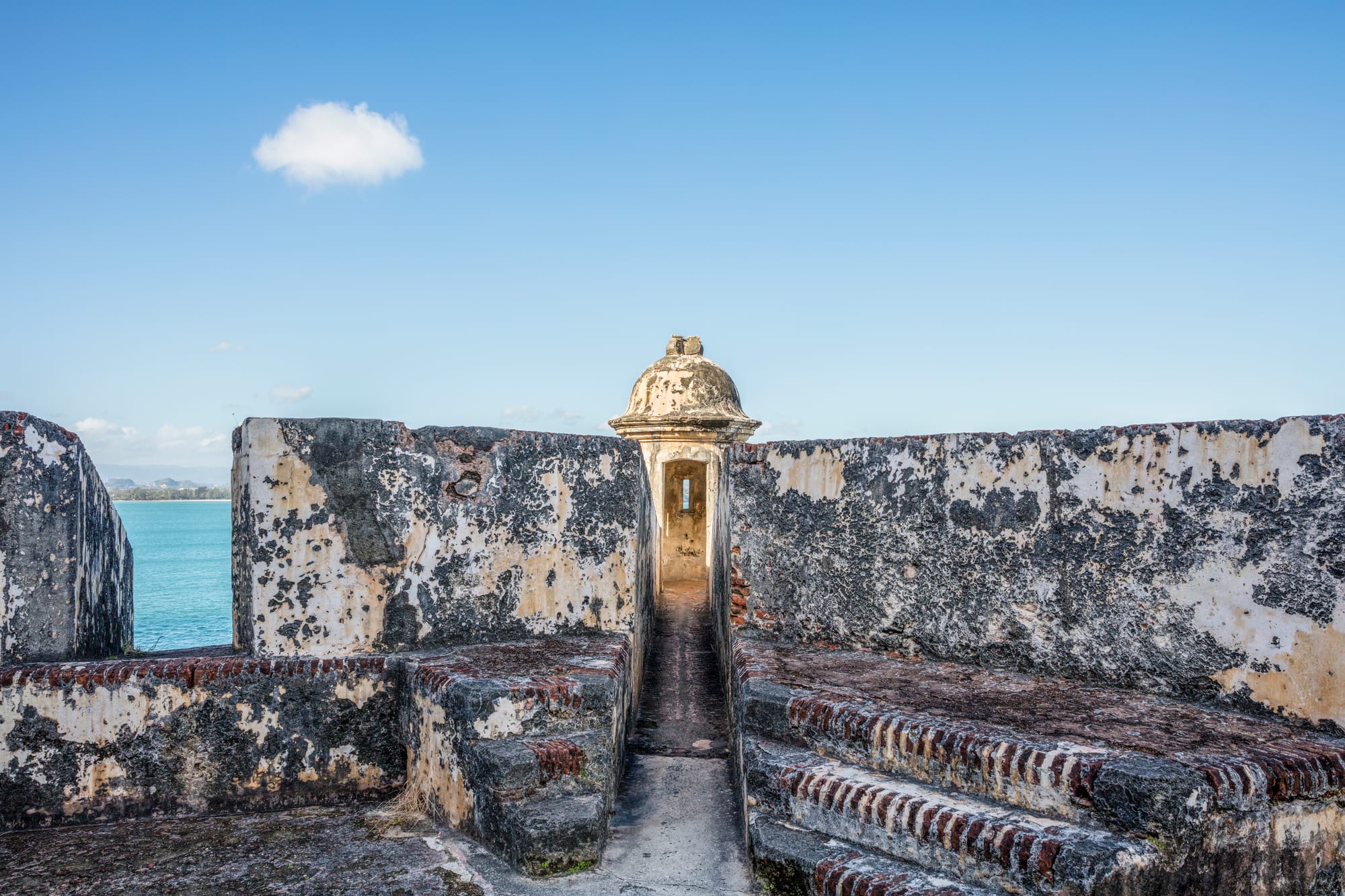
A Caribbean island with a distinct identity
Puerto Rico, a US territory in the Caribbean, blends Spanish colonial history, Taíno Indigenous heritage, and African cultural influence into an identity distinct from either the mainland United States or its Caribbean neighbours — a distinction Puerto Ricans, who are US citizens but cannot vote in presidential elections and have no voting representation in Congress, feel strongly about maintaining. Beyond its well-preserved colonial capital, the island holds a US National Forest of tropical rainforest, glowing bioluminescent bays, and smaller offshore islands with some of the Caribbean's best beaches.
The ten below run from San Juan's old town to the rainforest interior, outlying islands, and the southern and western coasts. The dry season (roughly December to April) is generally the most popular time to visit, though the island is a year-round destination.
1. Old San Juan
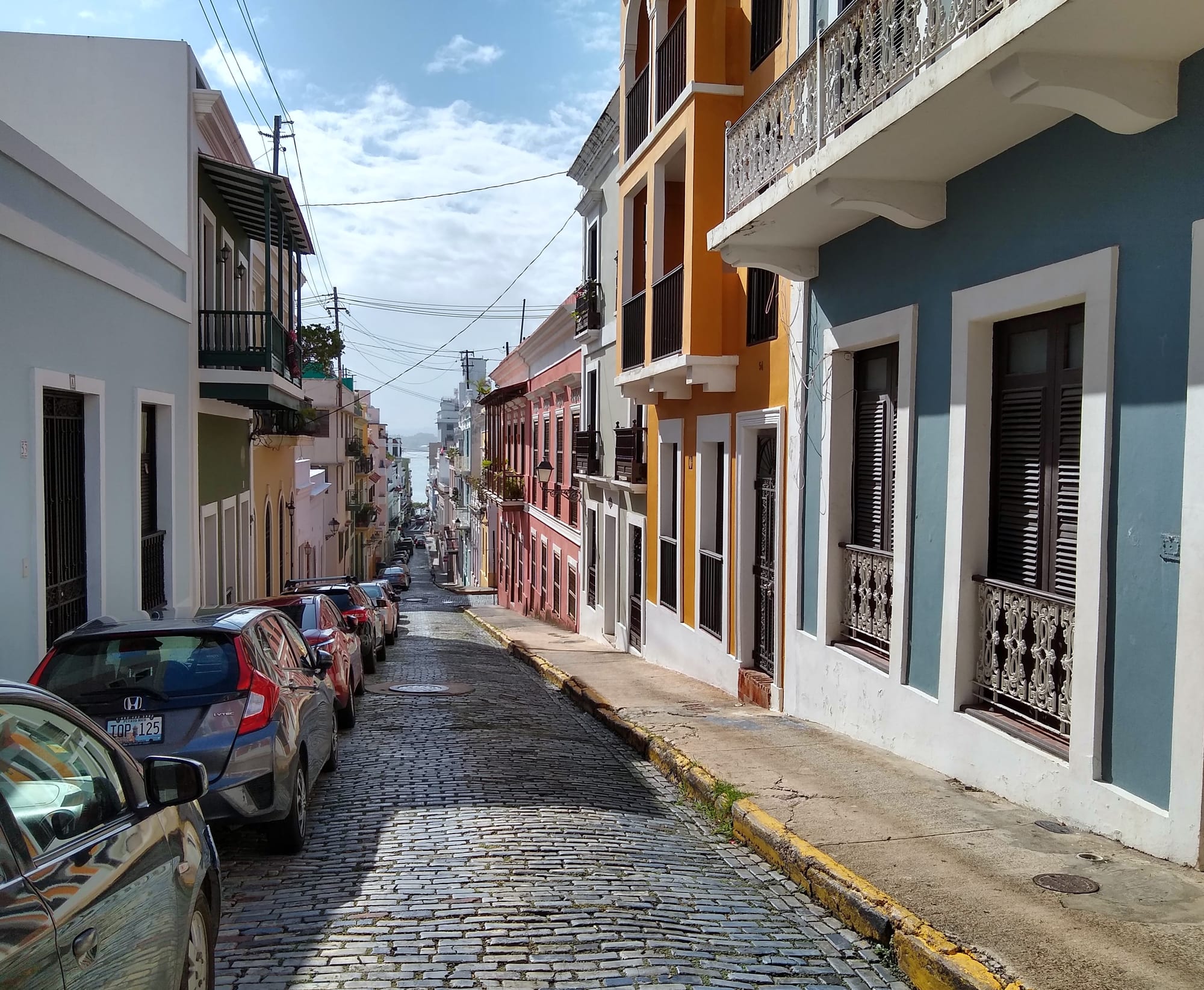
Old San Juan, founded in 1521, is one of the oldest continuously inhabited European settlements in the Americas — brightly painted colonial buildings, balconies, and blue-grey cobblestone streets (paved with slag from Spanish ships used as ballast) packed within the old city walls. Its compact size makes it easy to explore on foot in a day, though its density of history rewards a slower pace.
2. Castillo San Felipe del Morro
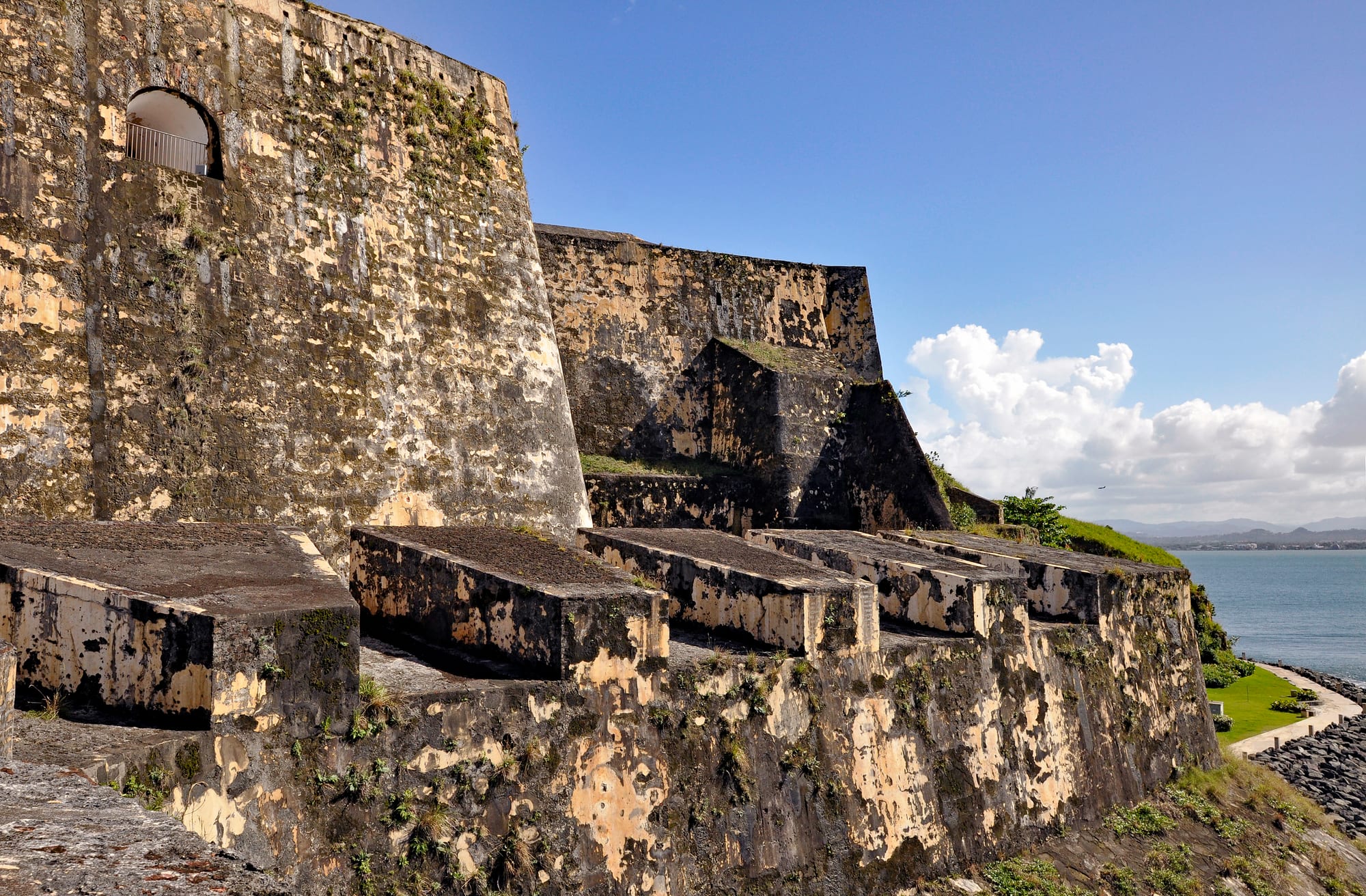
El Morro, a six-level Spanish fortress begun in 1539 to guard the entrance to San Juan Bay, successfully repelled attacks from English and Dutch forces over several centuries before the fortifications were finally taken by the US in 1898. Its sweeping ocean views, tunnels, and lighthouse make it one of the best-preserved colonial fortifications in the Caribbean, and a UNESCO World Heritage Site alongside the nearby Castillo San Cristóbal.
3. El Yunque National Forest
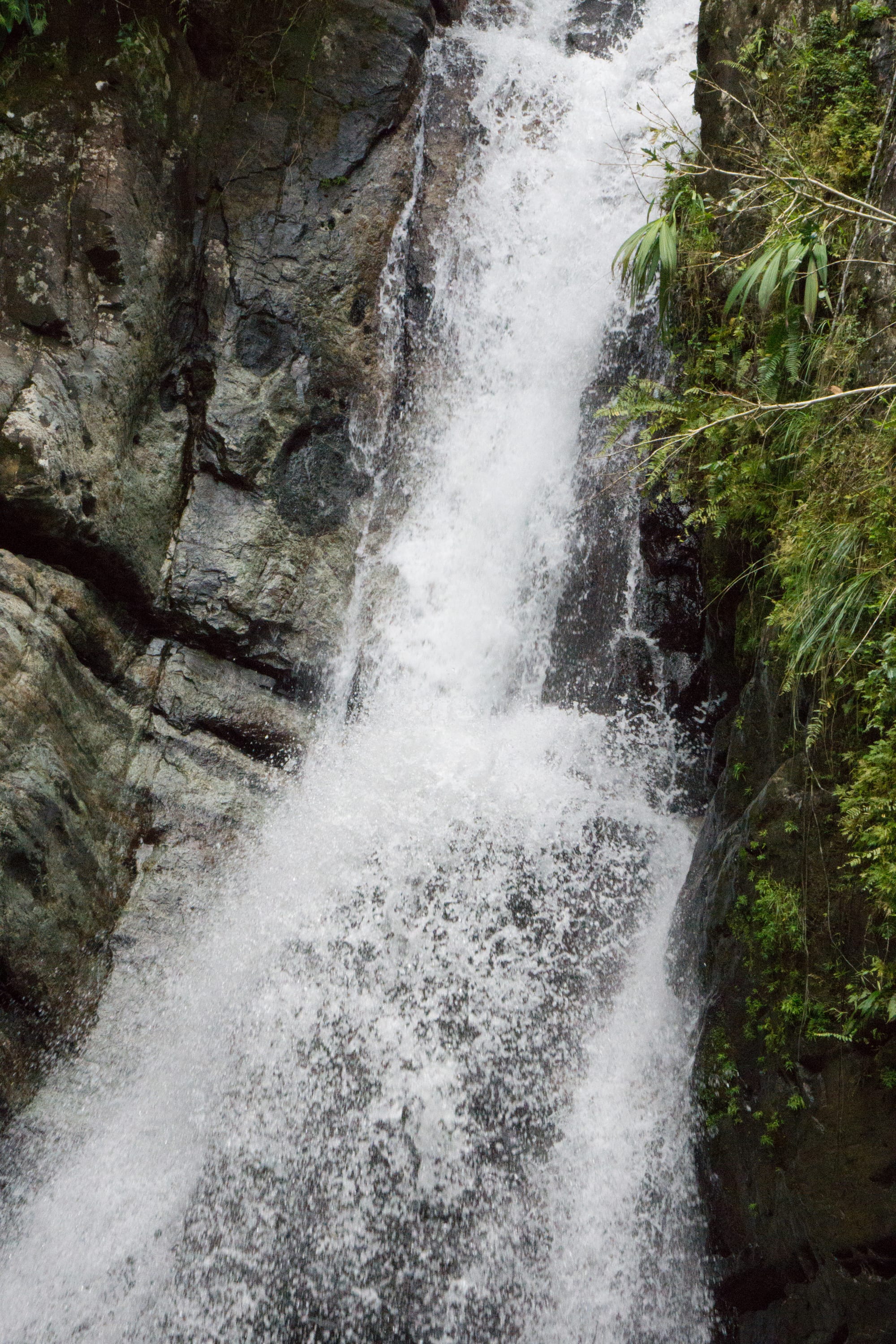
El Yunque, the only tropical rainforest within the US National Forest System, rises into cloud forest at its higher elevations and is home to the coquí, a tiny native frog whose distinctive call has become an unofficial symbol of Puerto Rican identity. Waterfalls, hiking trails, and noticeably cooler air make it a popular day trip from San Juan, roughly 40 minutes away.
4. The bioluminescent bay, Vieques
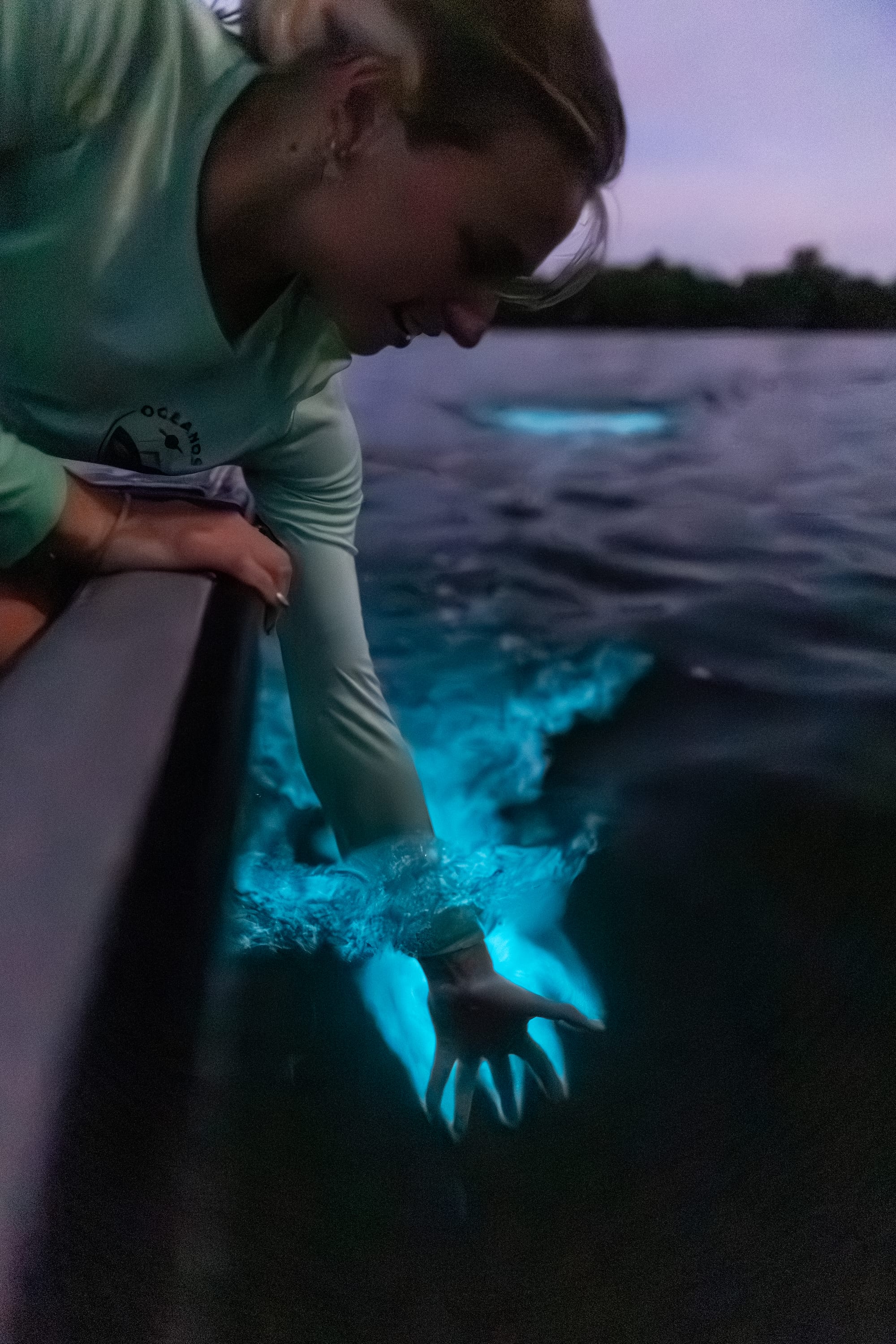
Mosquito Bay on the island of Vieques holds one of the highest concentrations of bioluminescent dinoflagellates recorded anywhere, producing a vivid blue glow in the water whenever it is disturbed — by a paddle, a fish, or a swimmer's movement — best experienced by guided kayak tour on a moonless night. Vieques itself, a former US Navy training ground, retains long stretches of undeveloped beach as a result of that history.
5. Flamenco Beach, Culebra
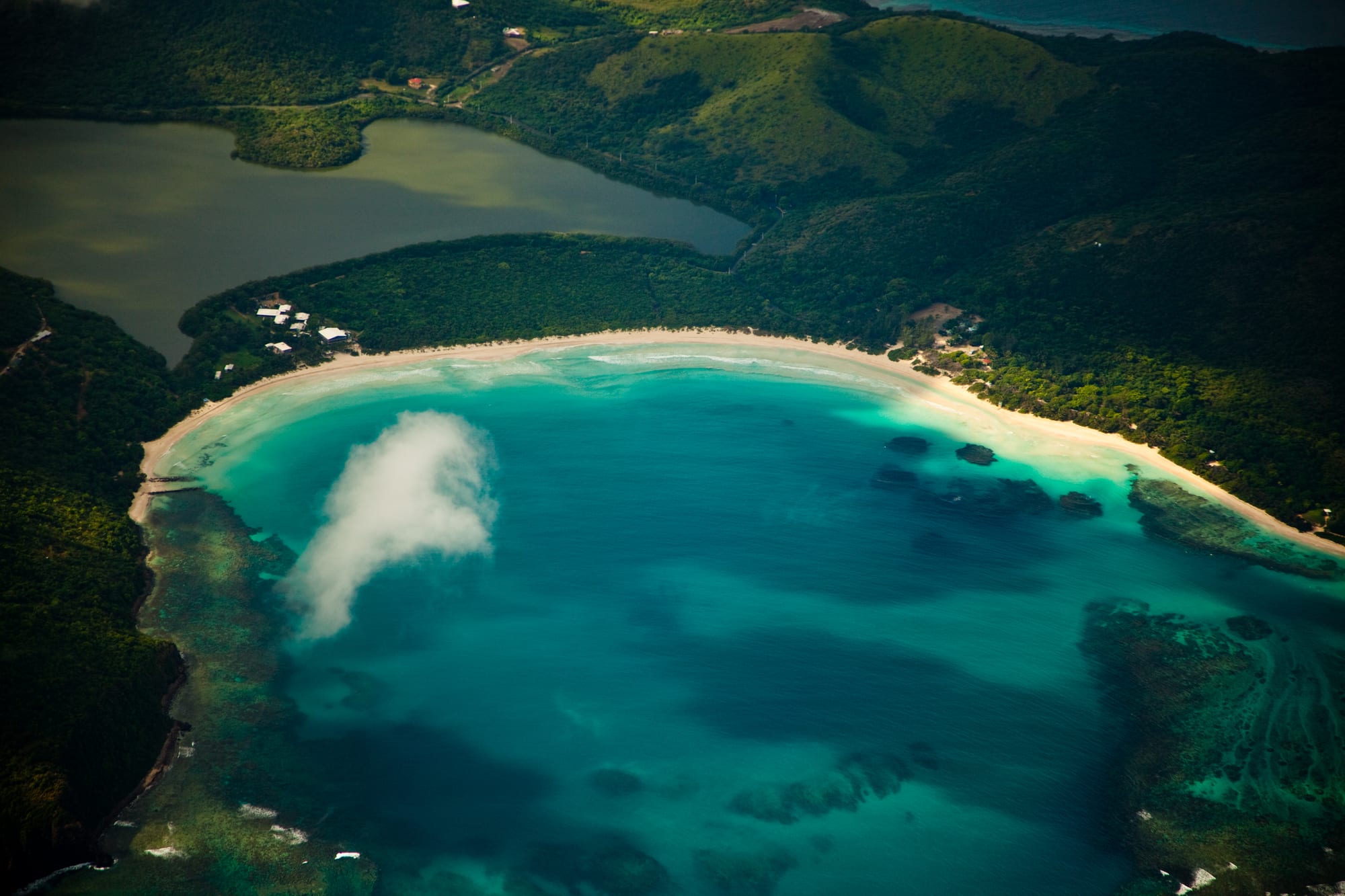
Flamenco Beach, on the small island of Culebra, is consistently ranked among the world's best beaches for its clear, calm water and wide crescent of white sand — a legacy in part of Culebra's own history as a former US Navy bombing range, which kept large-scale development away and left two rusting tanks still visible near one end of the beach as an unusual landmark.
6. The Camuy Caves
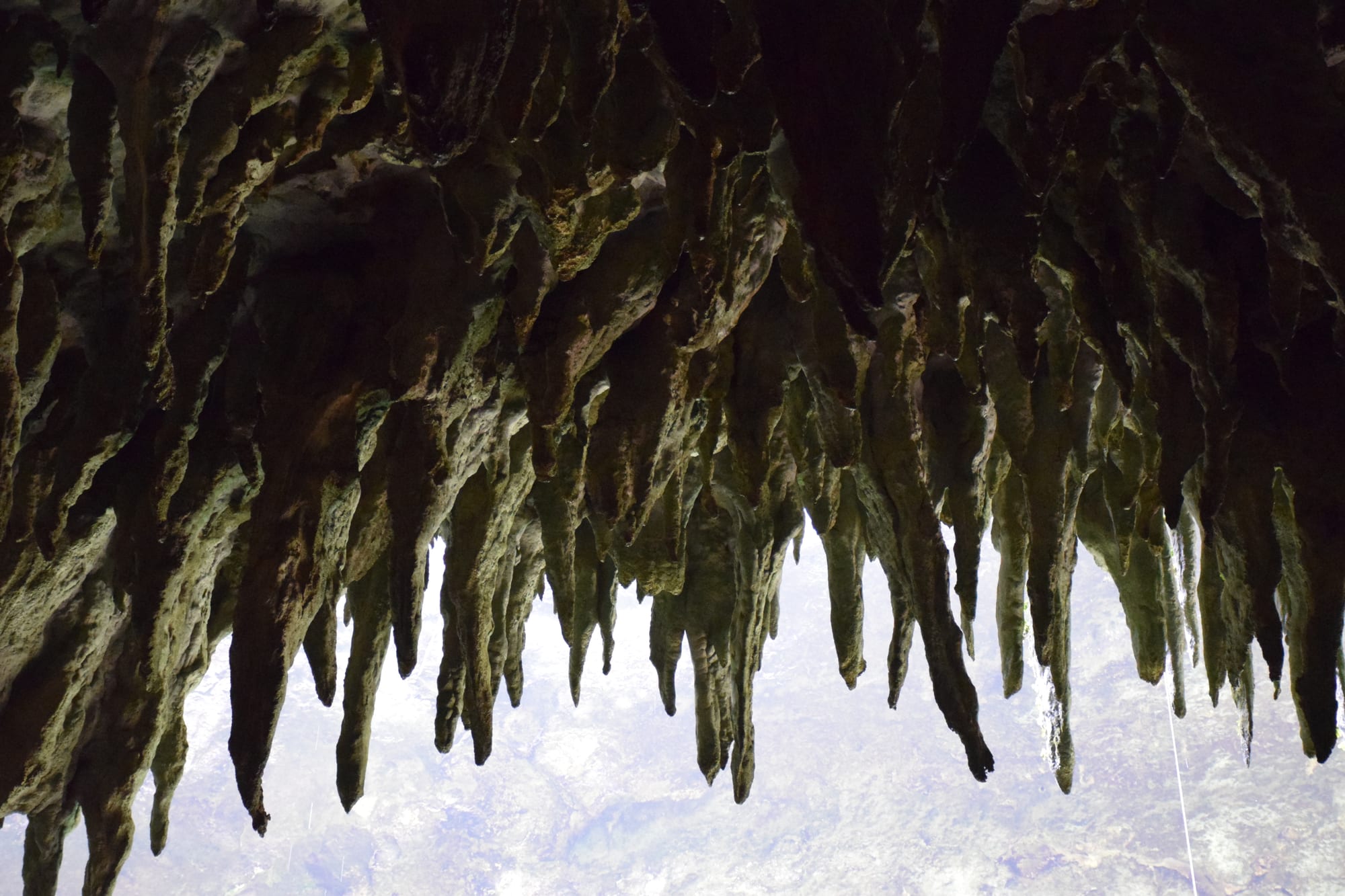
The Camuy River Cave Park, on the island's northwest karst coast, protects one of the largest cave systems in the Western Hemisphere, carved by an underground river over more than a million years — visitors descend by guided tram and walkway into massive chambers with towering stalactite and stalagmite formations, a striking contrast to the beaches most visitors associate with Puerto Rico.
7. Ponce
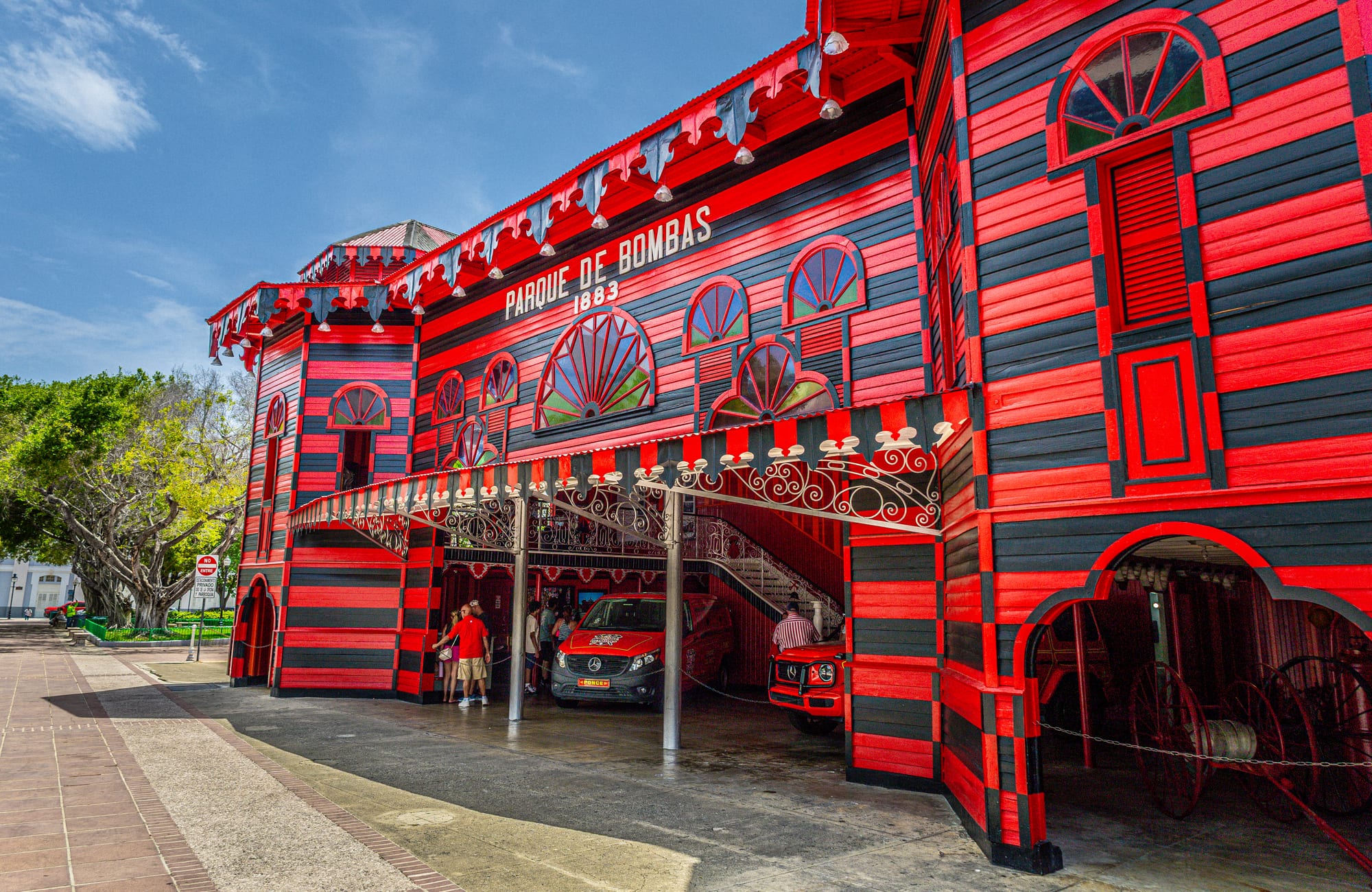
Ponce, Puerto Rico's second-largest city on the drier southern coast, holds a well-preserved historic downtown built on the wealth of its 19th-century sugar and rum trade, its candy-striped former firehouse, Parque de Bombas, now a small museum and the city's most photographed landmark.
Ponce's neoclassical cathedral, museums, and central plaza give it a distinctly different architectural character from San Juan, reflecting a prosperous era of its own.
8. Cabo Rojo
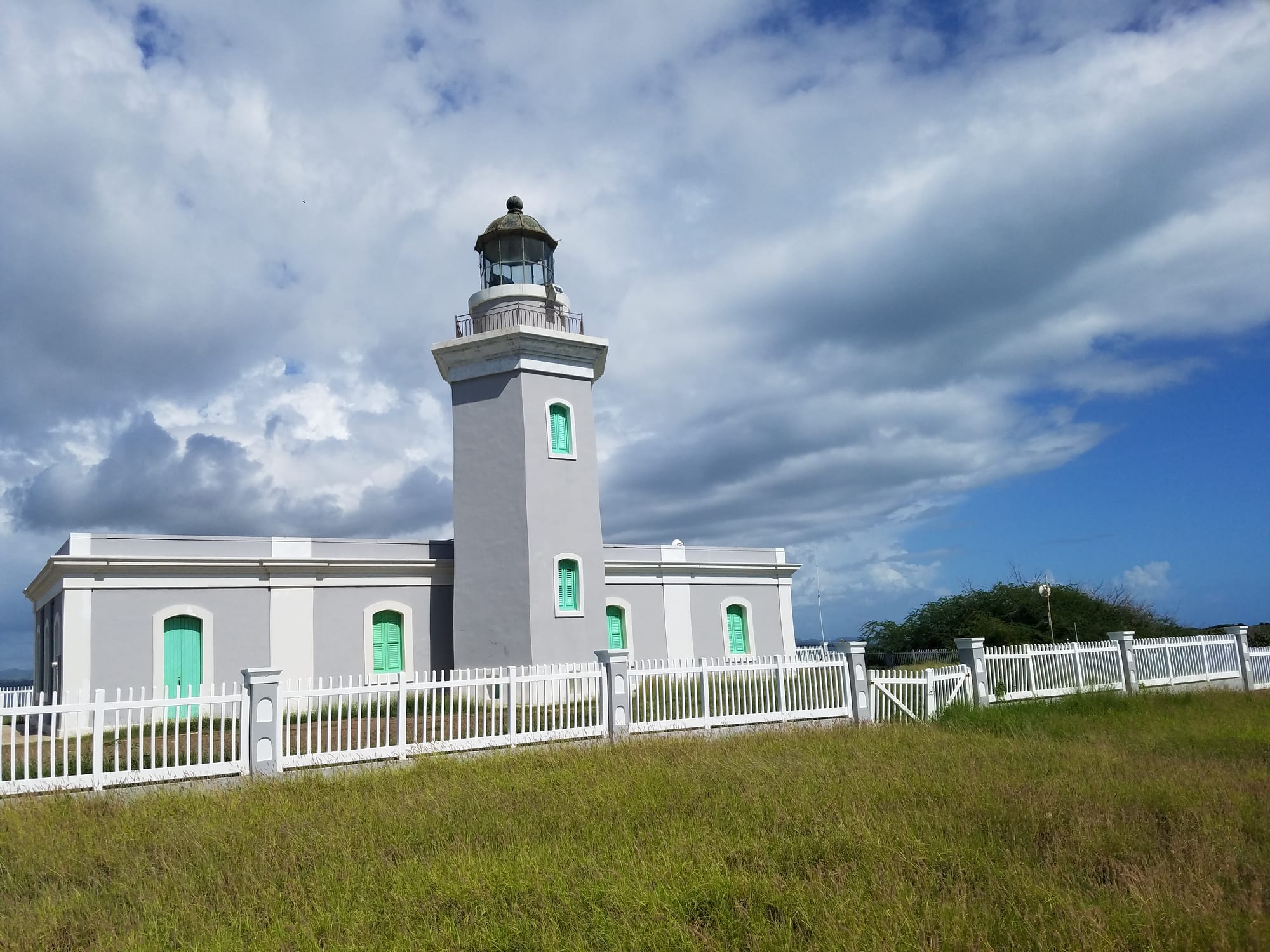
Cabo Rojo, at Puerto Rico's southwestern corner, pairs the historic Los Morrillos Lighthouse with sheer limestone cliffs dropping straight into the Caribbean Sea, along with pink-hued salt flats still harvested for salt nearby and some of the island's clearest water for swimming and snorkelling at Playa Sucia just below the cliffs.
9. Rincón
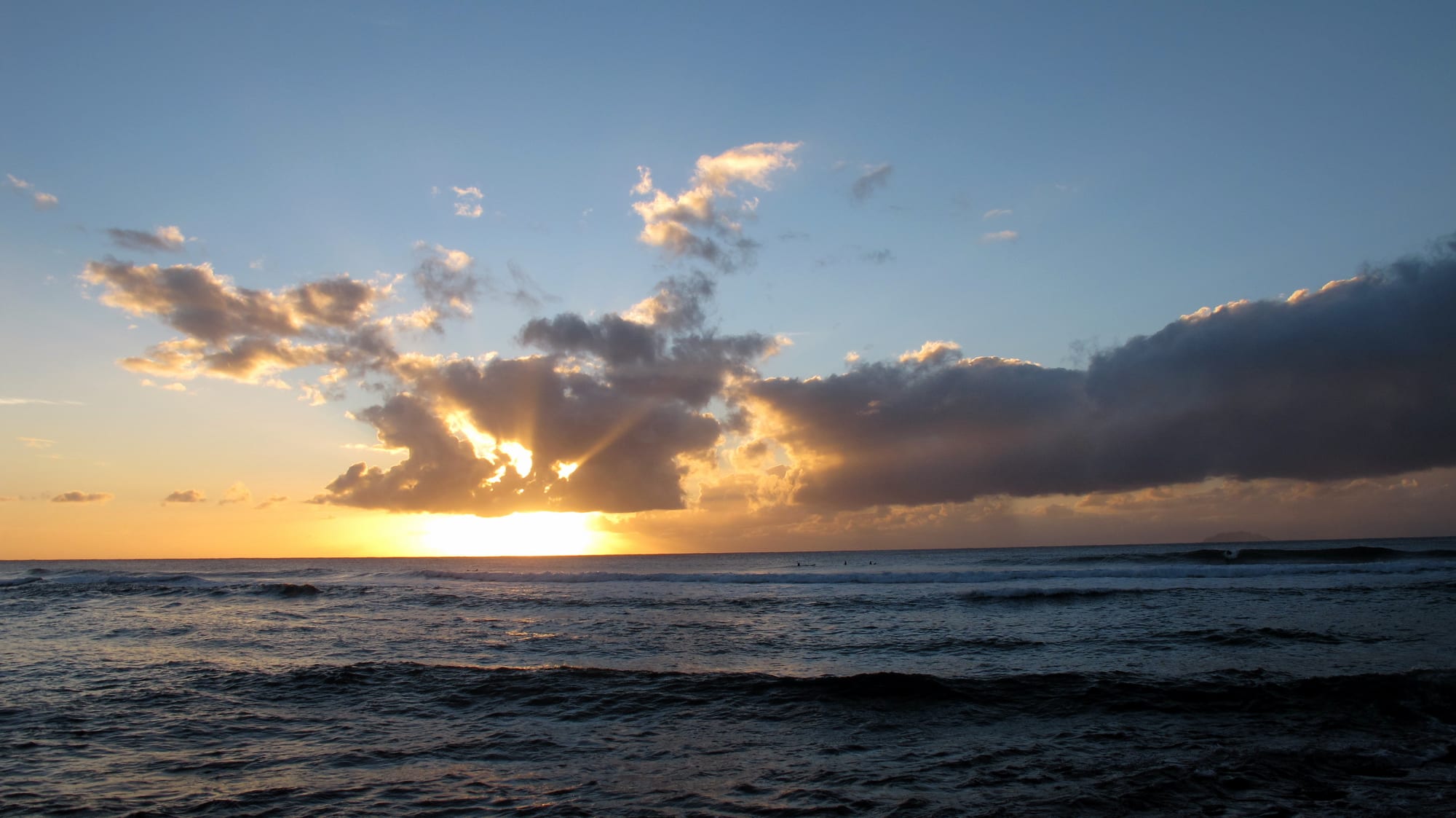
Rincón, on the island's west coast, has been Puerto Rico's premier surf town since hosting the 1968 World Surfing Championships, its reliable winter swells drawing surfers from around the world alongside a laid-back beach-town scene built around watching the sunset from one of its many beachfront bars.
Whale watching is also popular here in winter, when humpback whales pass close to shore on their migration through the Mona Passage.
10. The Guánica Dry Forest
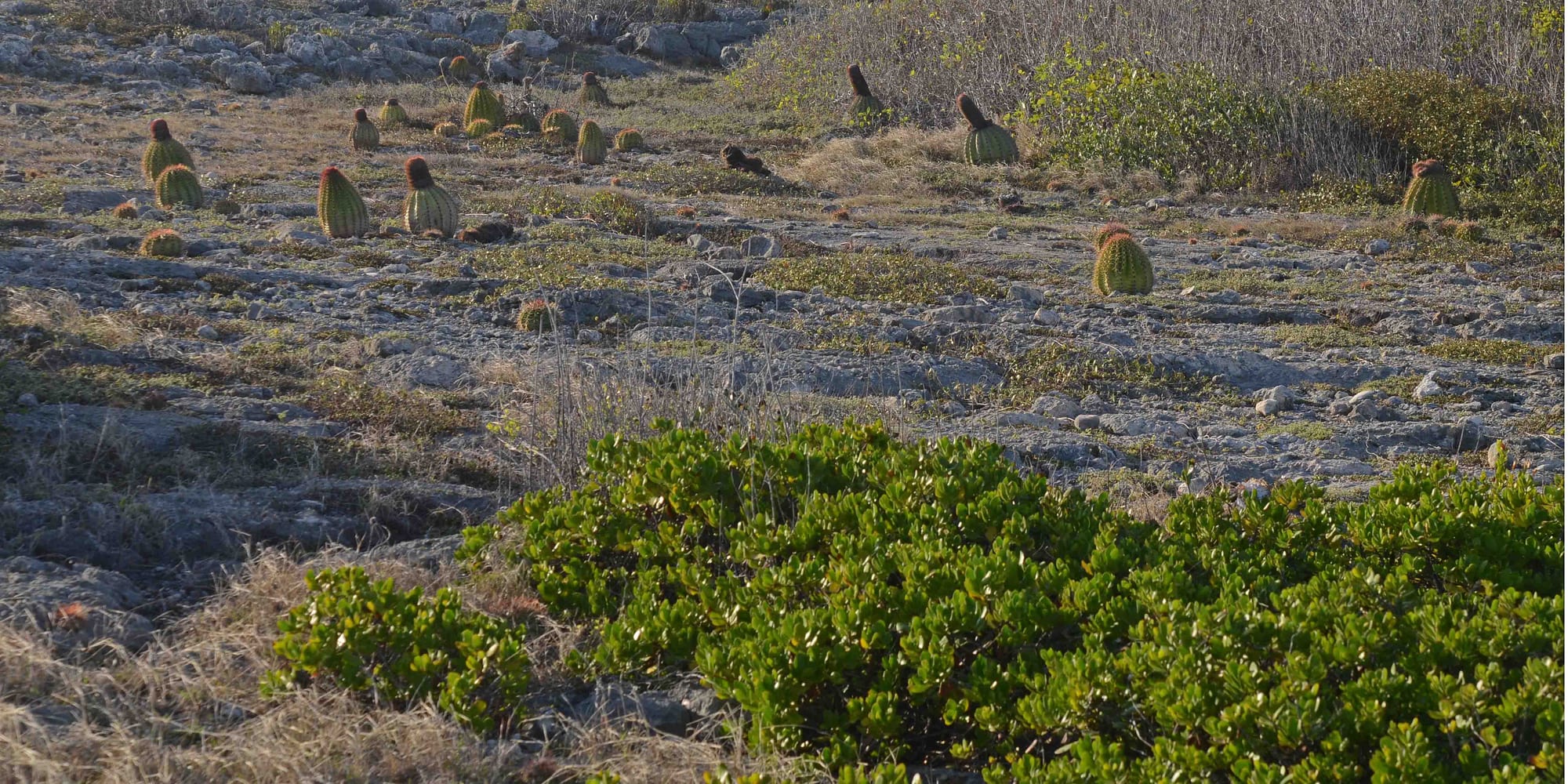
The Guánica Dry Forest, a UNESCO Biosphere Reserve on the island's arid south coast, preserves the best remaining example of subtropical dry forest in the Caribbean — a landscape of cacti, thorny scrub, and drought-adapted trees that stands in sharp contrast to El Yunque's rainforest on the opposite side of the island.
The reserve's trails are also considered among the best birdwatching sites in Puerto Rico, home to several species found nowhere else.
Puerto Rico works well as a week-long trip: a few days in San Juan and El Yunque, extended with a hop by small plane or ferry to Vieques or Culebra for beach time, or a loop around the south and west coasts taking in Ponce, Cabo Rojo, Rincón, the Guánica Dry Forest, and the Camuy Caves.