History · Portugal
Portugal: The Atlantic Edge
Europe's oldest fixed border and its first global empire — the country that opened the sea route to Asia, lost and regained its independence from Spain, endured Europe's longest dictatorship, and freed itself in an afternoon with almost no blood
By Worldlore Editorial · 19 September 2026
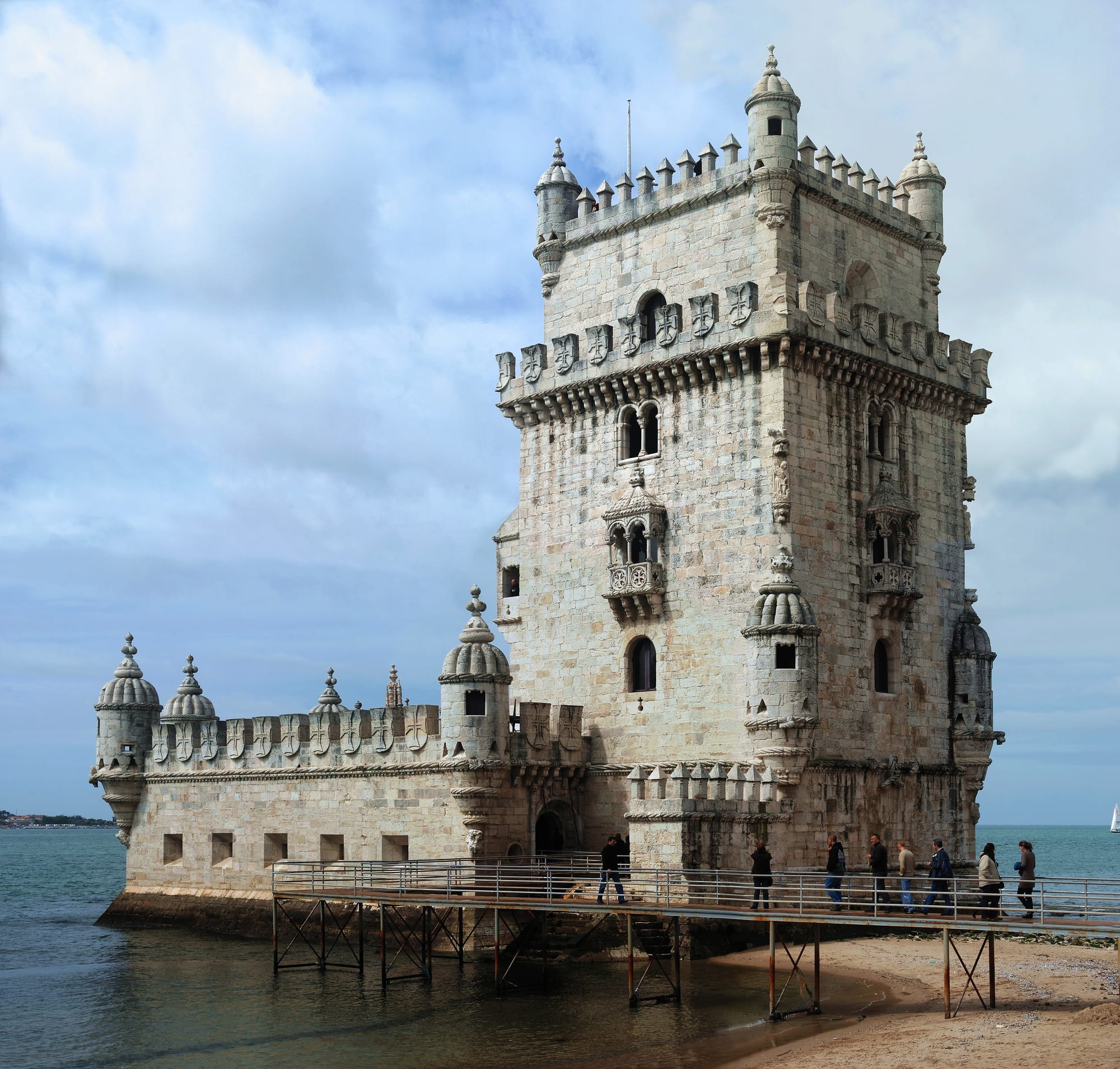
A small country that reached the whole world
Portugal occupies the western strip of the Iberian Peninsula, about 10 million people facing the Atlantic, with a land border with Spain that has barely changed since the 13th century — one of the oldest stable frontiers in the world. From this small base Portugal built the first of the European seaborne empires, pioneering the route around Africa to Asia and founding colonies from Brazil to Macau. Its modern history is dominated by the long shadow of that empire and by the 48-year dictatorship that clung to it.
A short history
- 1139
The kingdom
Afonso Henriques takes the title of king; independence from León.
- 1249
The Reconquista completed
The Algarve is taken; Portugal's borders are essentially set.
- 1415–1543
The discoveries
Ceuta, the African coast, the sea route to India, Brazil, Japan.
- 1580–1640
The Iberian Union
Portugal shares a king with Spain.
- 1640
Restoration
The Braganza dynasty restores Portuguese independence.
- 1755
The Lisbon earthquake
The capital is destroyed; tens of thousands die.
- 1822
Brazil independent
The largest colony breaks away.
- 1910
The Republic
The monarchy is overthrown.
- 1933–1974
The Estado Novo
Salazar's authoritarian "New State".
- 1974
The Carnation Revolution
A military coup ends the dictatorship and the colonial wars.
Kingdom on the edge
Portugal emerged in the 12th century as a county of the Kingdom of León whose count, Afonso Henriques, declared himself king around 1139. The southward push against the Muslim taifas — the Portuguese share of the Iberian Reconquista — was completed in 1249 with the capture of the Algarve, fixing the kingdom's borders. Hemmed in by Castile on land, Portugal turned to the sea. Under the sponsorship of Prince Henry "the Navigator" from the 1410s, Portuguese caravels worked their way down the African coast; Bartolomeu Dias rounded the Cape in 1488, and Vasco da Gama reached India in 1498.
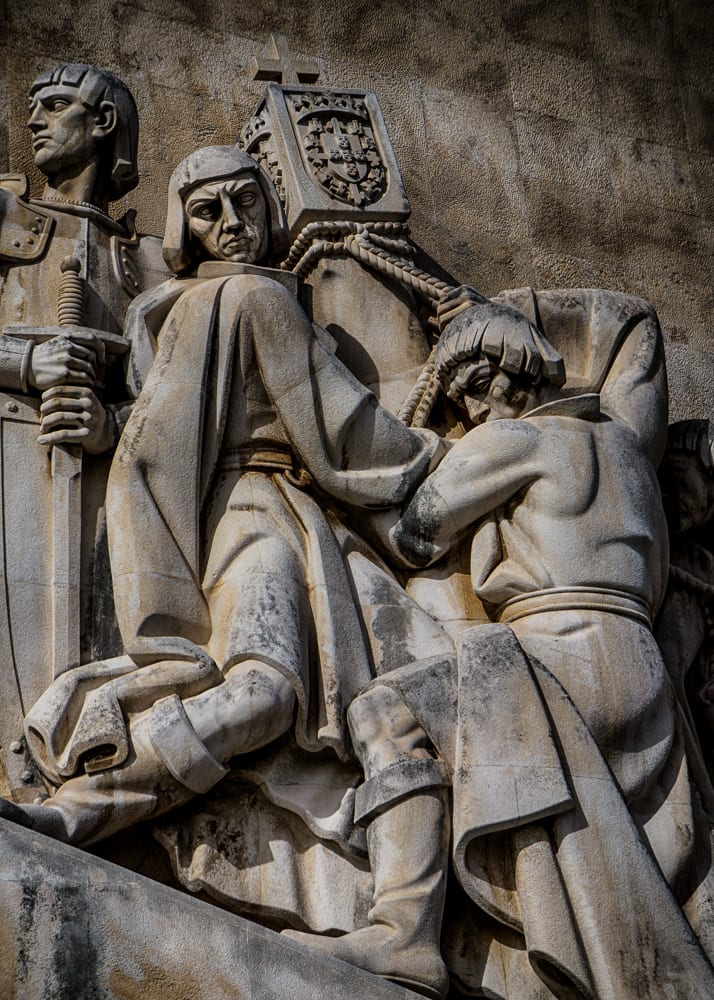
Empire, union, earthquake
The 1494 Treaty of Tordesillas split the non-European world between Portugal and Spain; Portugal took Brazil, the African coasts, the Indian Ocean trade posts, and footholds in the East Indies, China (Macau) and Japan. When the Portuguese king died without an heir in 1580, Philip II of Spain claimed the throne, and for 60 years the two crowns were joined — a period Portugal remembers as a loss of independence, ended by a nobles' coup in 1640 that installed the House of Braganza. Brazilian gold sustained the 18th-century crown. Then, on All Saints' Day 1755, a massive earthquake and tsunami levelled Lisbon and killed tens of thousands; the rebuilding, directed by the Marquis of Pombal, produced Europe's first earthquake-resistant planned city centre.
Decline and dictatorship
Napoleon's invasions from 1807 drove the royal family to Brazil, and when the king returned, Brazil — by then the seat of the monarchy — declared independence in 1822. The 19th century brought civil war between liberals and absolutists, financial weakness, and a "scramble" to consolidate the African colonies of Angola and Mozambique. The monarchy was overthrown in 1910, but the First Republic was chaotic, and a 1926 military coup led, by 1933, to the Estado Novo of António de Oliveira Salazar: a corporatist, Catholic, censored one-party state, the longest -lasting authoritarian regime in 20th-century Western Europe, kept afloat partly by the colonies.
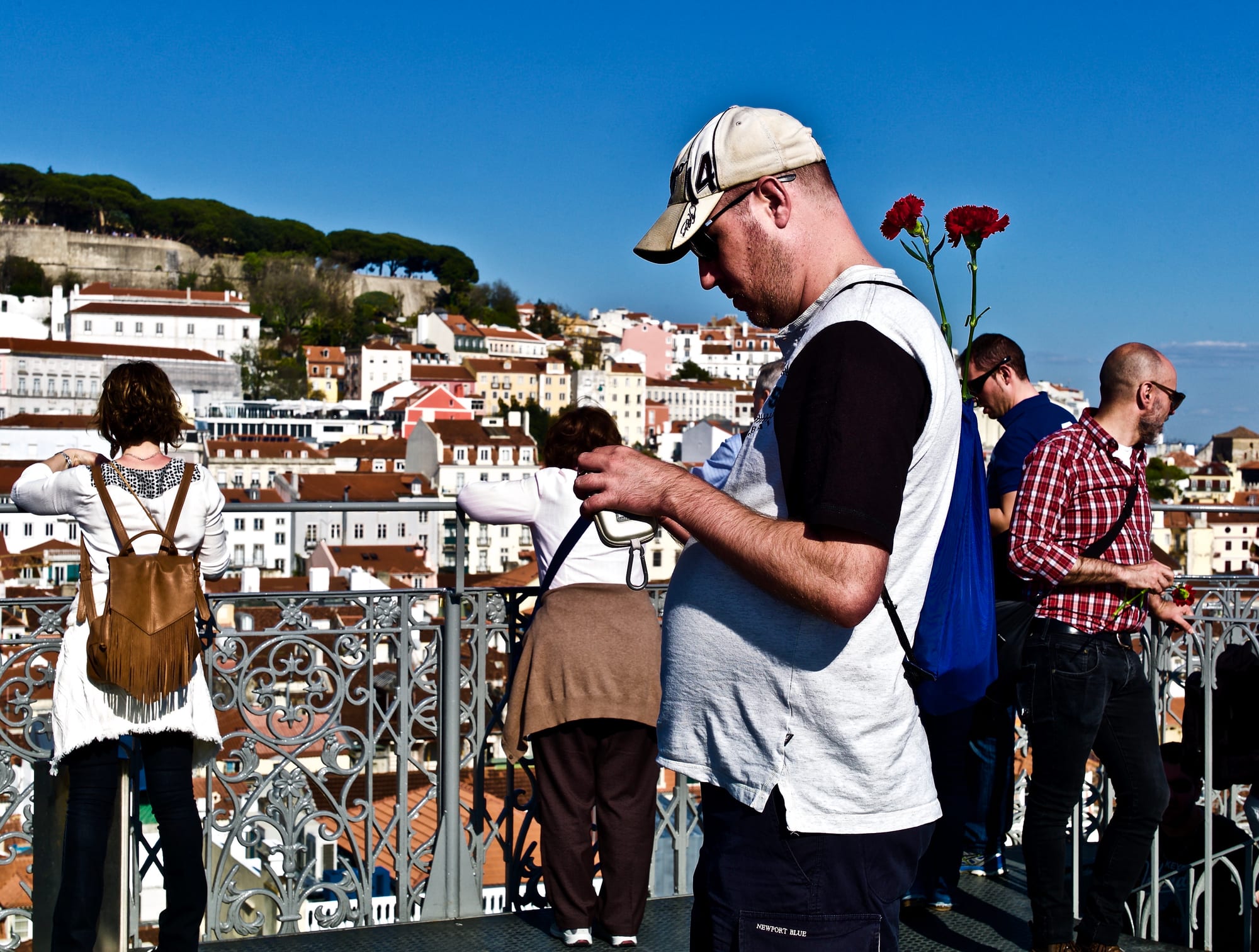
The Carnation Revolution
From 1961 Portugal fought simultaneous wars against independence movements in Angola, Mozambique and Guinea-Bissau, which consumed nearly half the state budget and conscripted a generation. War-weary junior officers formed the Armed Forces Movement, and on 25 April 1974 they overthrew the regime in a nearly bloodless coup that crowds turned into a celebration — the Carnation Revolution. A turbulent two-year transition followed, with a strong communist current, before Portugal settled into parliamentary democracy. The colonies were granted independence in 1974–75, prompting the return of around half a million Portuguese settlers. Portugal joined the European Community in 1986, adopted the euro, and — despite a severe debt crisis and bailout in 2011 — has become a stable, if relatively poor, Western European democracy.
What Portugal carries
Portugal's borders and language have been fixed for centuries, but its sense of itself has swung between two poles: the tiny Atlantic kingdom and the far-flung empire. The Estado Novo staked everything on keeping the second alive, and its fall in 1974 was, in effect, the country choosing to be the first. The diaspora, the Lusophone ties from Brazil to Timor, and the monuments along the Tagus are what remains of the reach; the democracy and the EU membership are what came after.