Food · Portugal
Portugal: Food and the National Dish
Salted cod cooked hundreds of documented ways, from a seafaring nation that built its cuisine on a fish it never caught at home
By Worldlore Editorial · 16 September 2026
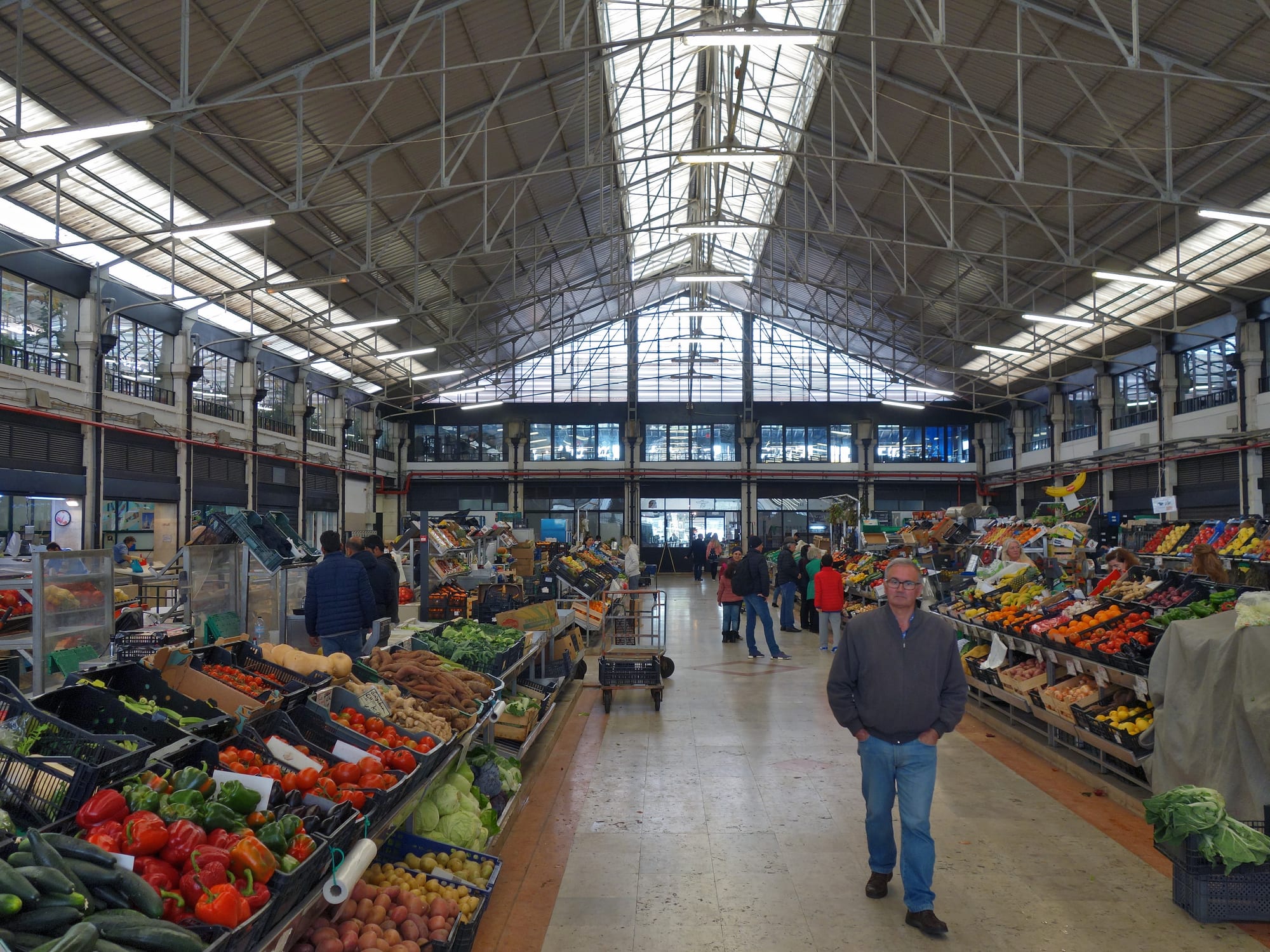
A cuisine built on a fish that never swam in Portuguese waters
Portugal's food identity is inseparable from its seafaring history, and no ingredient shows that more directly than salted cod, a fish that has never been commercially caught in Portuguese waters yet sits at the centre of the country's national dish, sourced instead from the North Atlantic for centuries.
The national dish: bacalhau
Bacalhau, salted and dried cod rehydrated and cooked in dishes ranging from baked casseroles to fritters, is Portugal's national dish, with Portuguese cooks widely claimed to have developed hundreds of distinct recipes for it. Bacalhau à brás, shredded cod fried with potato strips, egg and onion, and bacalhau com natas, baked with cream, are two of the best-known versions, though the specific preparation varies by region and household.
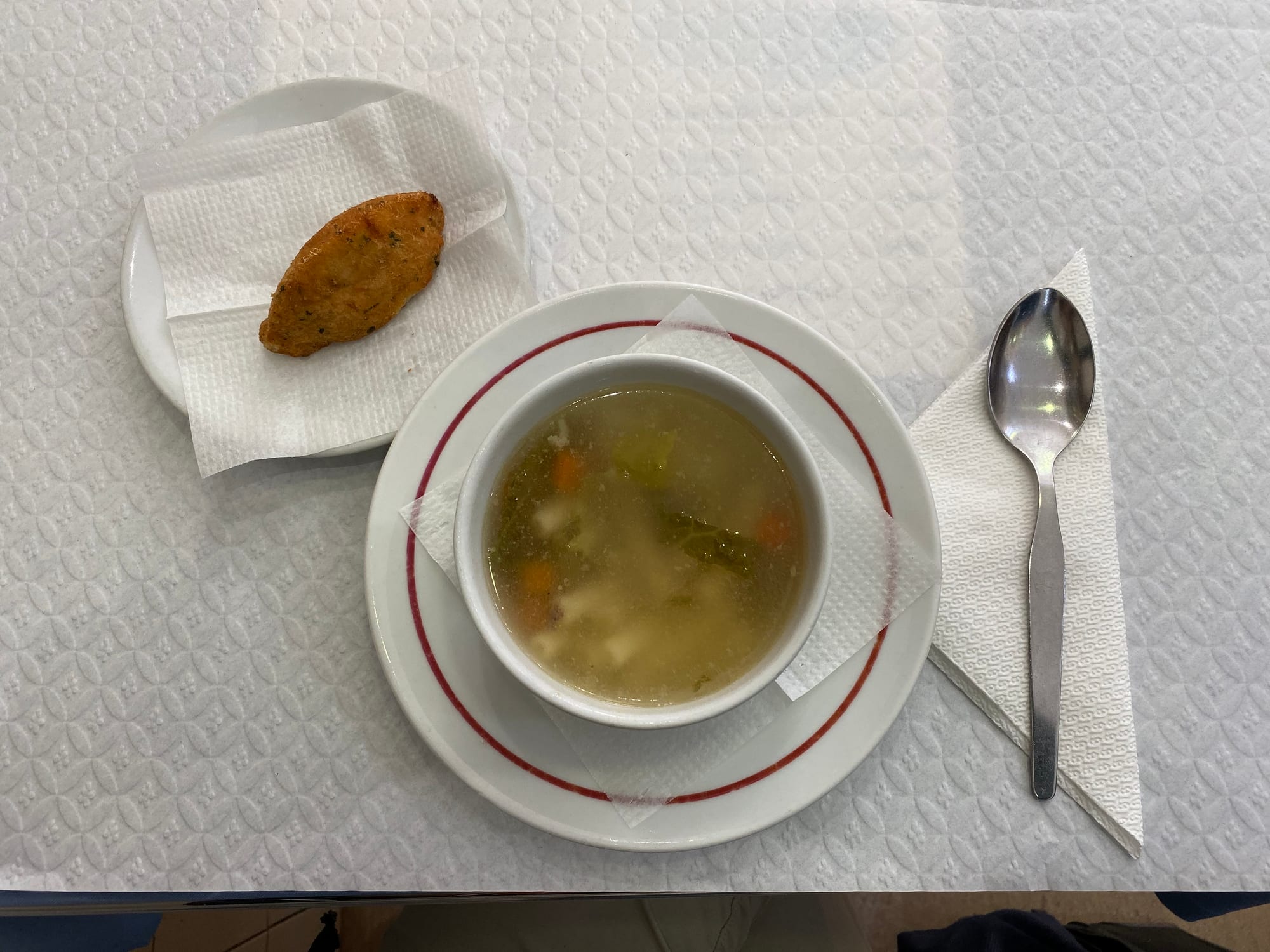
Salt cod, olive oil and a genuinely coastal pantry
Salt cod, olive oil and garlic anchor much of Portuguese cooking, alongside fresh seafood, particularly sardines, along the coast. Bread, used to soak up sauces and served with nearly every meal, and a wide range of pork dishes in the interior regions round out a pantry shaped as much by the Atlantic as by the country's own farmland.
History behind the salt cod
Portuguese sailors began fishing the cod-rich waters off Newfoundland and Greenland as early as the 15th and 16th centuries, salting and drying their catch to preserve it for the long voyage home, a practice that made cod a genuine national staple centuries before refrigeration existed and long before Portugal had any domestic cod fishery of its own. That reliance on imported salt cod has continued largely unbroken ever since.
Dishes to know
Five more to recognise across Portugal:
- Bacalhau à brás — shredded salt cod fried with potato strips, egg
and onion, one of the most popular bacalhau preparations.
- Caldo verde — a kale and potato soup, often with sliced sausage,
eaten nationwide.
- Sardinhas assadas — grilled sardines, especially popular during
summer festivals.
- Francesinha — a heavily layered meat and cheese sandwich in tomato
and beer sauce, a Porto specialty.
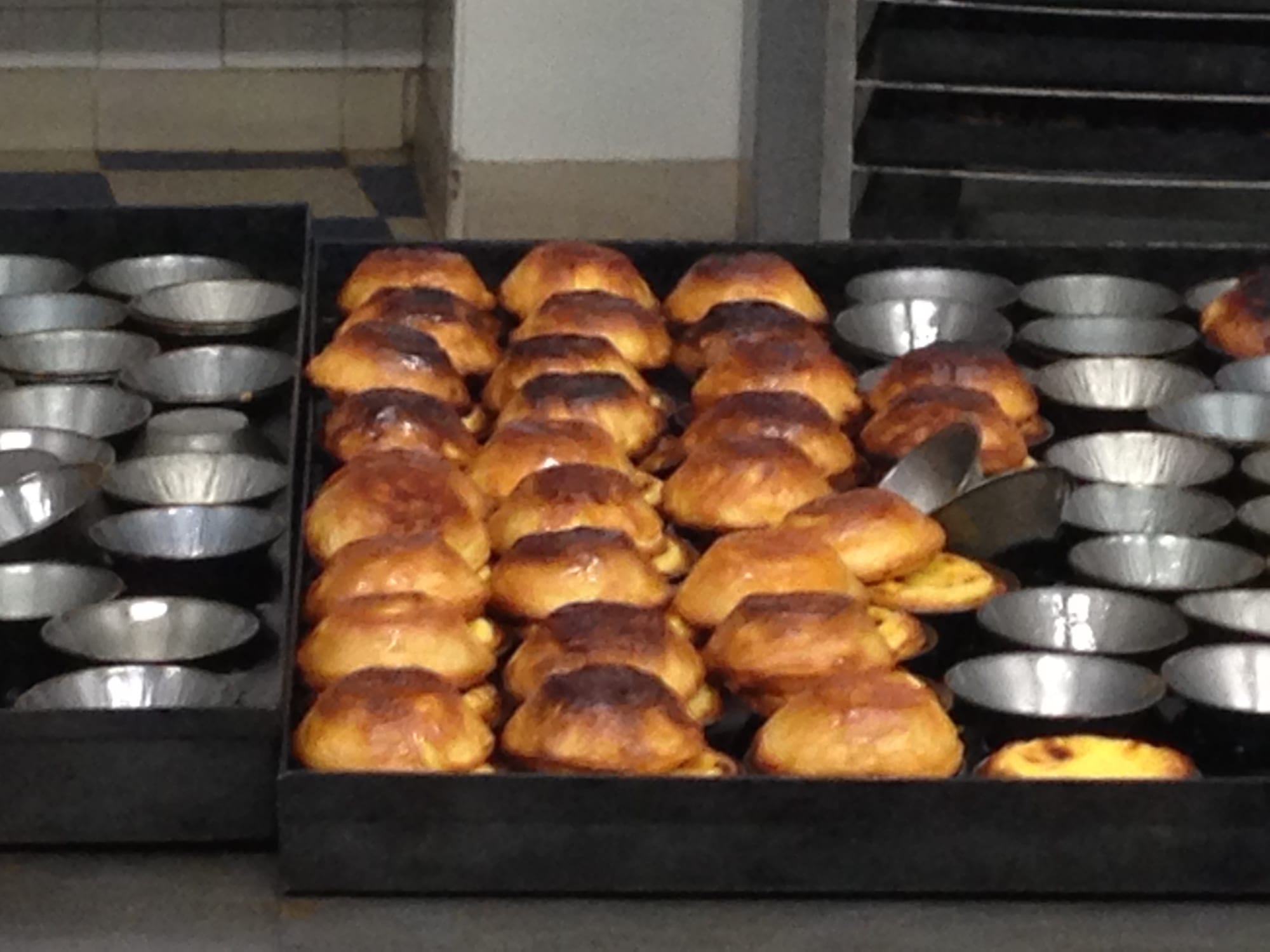
- Pastel de nata — a custard tart in flaky pastry, associated
historically with Belém in Lisbon.
Drinks
Port wine, a fortified wine produced in the Douro Valley and named for the city of Porto from which it was historically shipped, is Portugal's best-known wine export. Vinho verde, a light, slightly effervescent young wine, and coffee, taken strong in small cups, are common everyday choices.
Eating as a traveller
Vegetarians will find bread, soup and vegetable-based dishes manageable, though fish and meat dominate most traditional Portuguese cooking. Tap water is generally safe to drink across Portugal. Trying a pastel de nata still warm from the oven at a bakery in Belém is a genuine, widely recommended way to taste the dish close to its origin.
What to take from the table
Bacalhau, a fish Portugal never caught at home yet claims as its own, says something honest about the country's food story: shaped as much by centuries at sea as by anything grown on land.