Culture & Customs · Portugal
Portugal: A Quiet Courtesy and a Sung Longing
A Catholic country that wears its faith lightly, manners that begin formal and end in two kisses on the cheek, June nights given over to the popular saints, and a song form built around saudade
By Worldlore Editorial · 30 September 2026
A guest arrives at a Portuguese home and waits at the door. It would be presumptuous to step inside before being asked, so the visitor wipes their shoes on the mat and lets the host do the inviting. There is a handshake, or, if the two already know each other, a light kiss on each cheek, starting on the right. Within minutes a coffee appears, perhaps with something small to eat, and it would be faintly impolite to refuse. Later, at the table, nobody lifts a fork until the host has said "bom apetite". None of it is stiff, yet all of it is quietly observed: in Portugal, good manners tend to start out formal and modest, and warm steadily into something much closer.
Faith, identity and values
Portugal remains a largely Catholic country. In the 2021 census, 80.2 per cent of people identified as Roman Catholic, around 5 per cent belonged to other Christian churches, about 1 per cent to other faiths including small Jewish and Muslim communities, and roughly 14 per cent said they had no religion. Most Catholics describe themselves as non-practising, and attendance at Mass is noticeably lower in the cities and the south than in the centre and north. Church and state have been formally separated since 1911, but the Catholic calendar still shapes public holidays, village festivals and family milestones.
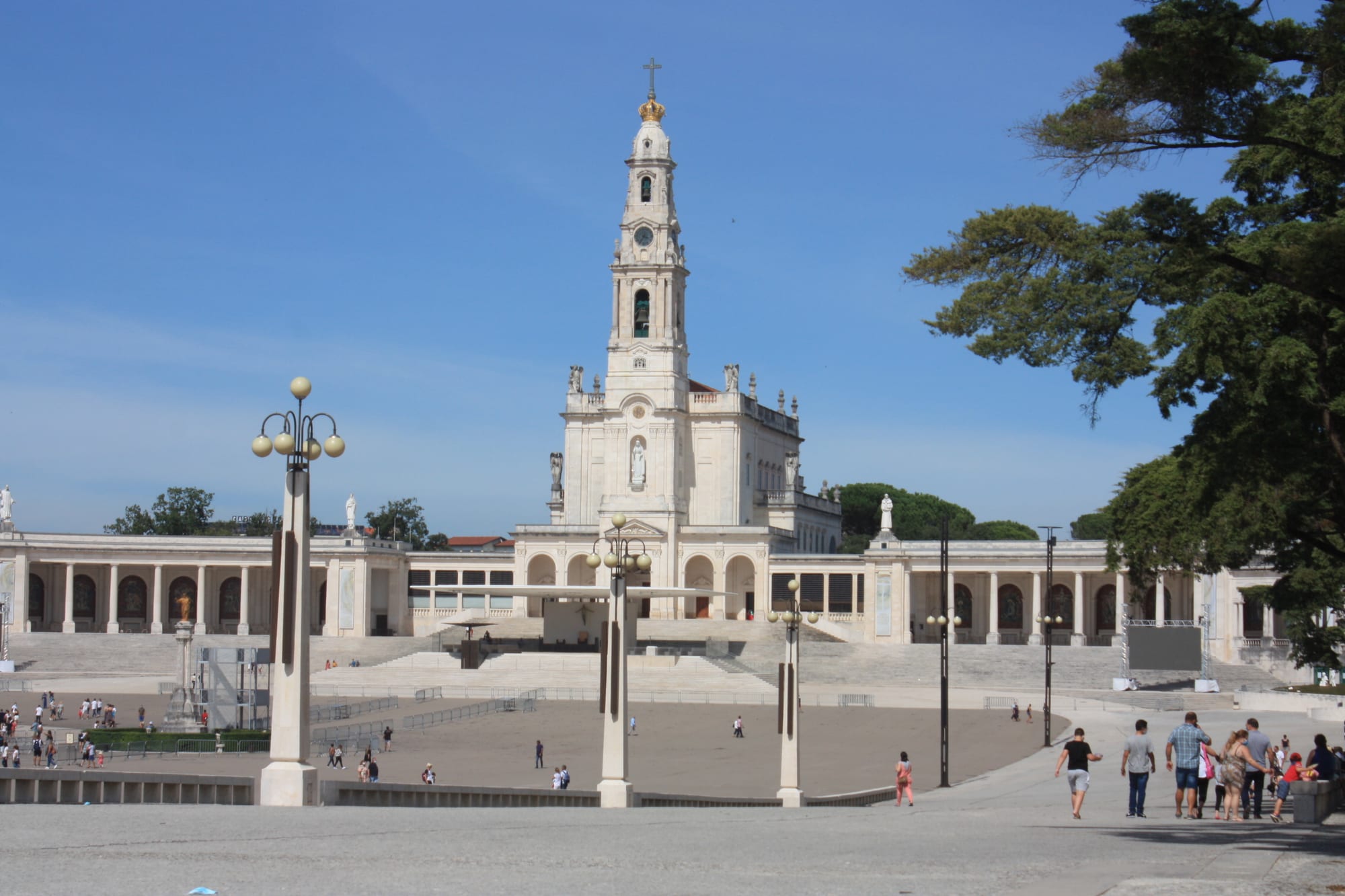
Popular devotion runs through saints and pilgrimages as much as through Sunday Mass. Regional pilgrimages, known as romarias, to hilltop and country shrines are a central feature of religious life, especially in the north, and villages hold an annual festa in honour of their patron saint that combines a procession with music, food and dancing. The most famous destination of all is Fátima, where three children reported apparitions of the Virgin Mary in 1917. The sanctuary built on the site is one of the world's great centres of Marian devotion, and its largest pilgrimages fall on 12 and 13 May and 12 and 13 October, when a candlelight procession fills the vast esplanade on the first evening and a farewell procession closes the celebrations the next day. The sanctuary now holds a candlelight procession every day.
Beneath the faith sit values that visitors notice quickly. The best known is saudade, a mixture of longing, nostalgia and melancholy for people, places or times that are absent or out of reach, often described as the emotional key to the Portuguese character. A related idea, sebastianismo, grew from the belief that King Sebastian, who disappeared in battle in 1578, would one day return to rescue Portugal from crisis. Modesty is prized: boasting about money or status is frowned upon, and people tend to present themselves with understatement. Family pride and loyalty run deep, and loyalty to relatives often comes before personal interest. Society is also fairly hierarchical, with education and status shaping how people are addressed, and there is a marked respect for tradition and a caution about sudden change.
Greetings and meeting people
First meetings are formal and a little reserved. The usual greeting is a handshake, generally firm, though some people prefer a lighter touch, and men often wait for a woman to offer her hand first. Among friends and relatives, people exchange beijinhos, or "little kisses", one on each cheek beginning on the right, sometimes simply brushing cheeks and kissing the air. Children are expected to greet adults in their extended family with a kiss. Everyday greetings follow the time of day: "bom dia" in the morning, "boa tarde" in the afternoon and "boa noite" in the evening, with "olá" and "tudo bem?" among people who know each other.
Polite forms of address are still widely used even as Portugal has become more informal. Senhor and Senhora are the standard titles, and it is common to hear them combined with a first name rather than a surname. Older people and anyone not yet well known are addressed formally; first names are kept for friends, teenagers and children.
Once a relationship is established, conversation becomes warm and expressive. People can speak quickly and loudly without being angry, and touch is common, with a light hand on the arm or back among friends. Portuguese speakers tend to be direct but gentle, and they generally avoid open confrontation. Eye contact signals respect, although children may be expected to lower their gaze with elders. Pointing at someone with one finger is considered rude, and beckoning is done with the palm facing up and the fingers waved, not with a single crooked finger. Humour ranges from gentle teasing and puns to a dry cynicism.
Hospitality and being a guest
Hospitality is warm but unshowy. Guests wait outside the door until they are invited in, wipe their shoes before entering, and let the host show them out at the end of a visit rather than letting themselves out. It is customary to bring a small gift, such as chocolates or flowers. Wine is best avoided unless the host's tastes are known, and gifts are usually opened as soon as they are received. Hosts will offer coffee, tea or a light snack, and declining outright can seem impolite. Complimenting the home is a good way to begin a conversation, and conversation itself is the point of most gatherings, carrying on before, during and long after a meal. An invitation is best returned with one of the guest's own.
At the table, the host decides where people sit, and the meal begins once the host has said "bom apetite", meaning "enjoy your food". Knife and fork laid parallel across the plate show that a diner has finished. A toothpick is used behind a covering hand. Toasts are made by raising glasses to "saúde", or "health". Timekeeping is relaxed in social settings, where relationships matter more than the clock, but business meetings are expected to start on time. In homes and churches, dress is expected to be neat and modest.
Festivals and life's big moments
Christmas Eve is the heart of the Portuguese Christmas. Families gather for the consoada, a late supper whose name comes from the Latin for "to comfort". In parts of the north, places are traditionally set for relatives who have died, or candles are left burning through the night, and the table may be left uncleared until morning in case the Christ child should visit. After supper, many go to the Missa do Galo, the "Rooster's Mass" celebrated at midnight, where, after communion, the congregation files up to kiss the figure of the infant Jesus. Presents are opened after midnight or on Christmas morning, depending on the family.
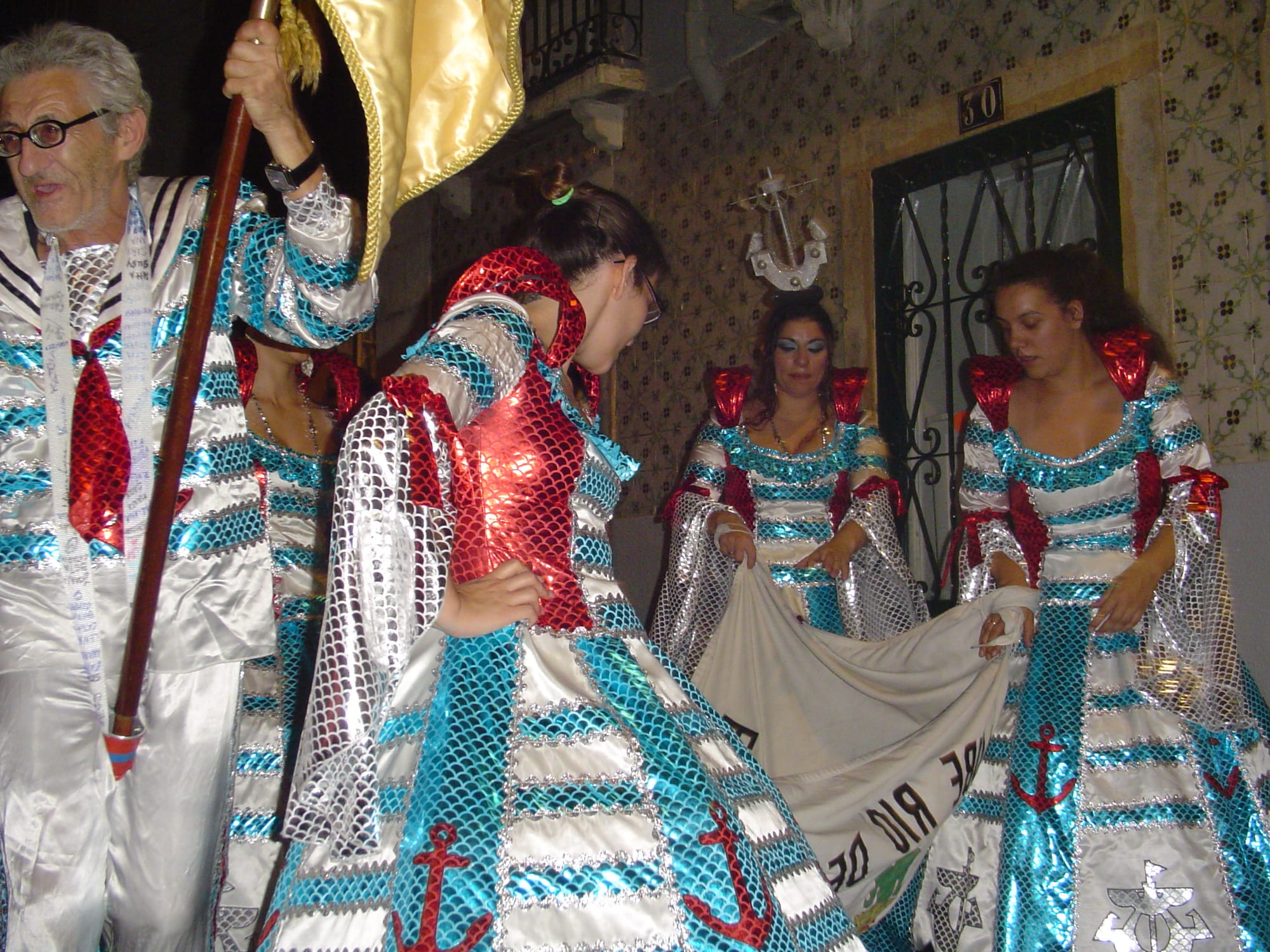
June belongs to the Santos Populares, the popular saints. On the nights of Saint Anthony, Saint John and Saint Peter, towns and city neighbourhoods hang up paper arches and balloons, crowds fill the streets to eat, sing and dance until late, and in some places people still jump over bonfires. Small pots of manjerico, a fragrant bush basil, are given to loved ones, accompanied by short verses that usually speak of love. In the cities, neighbourhoods compete in costumed parades with their own songs and choreography. Carnival is also widely celebrated, and the masked Carnival of Podence, in the north-east, has been on UNESCO's list of intangible cultural heritage since 2019.
Family milestones follow the Catholic cycle. Baptisms are important occasions for the whole extended family, and godparents, padrinhos, are often chosen from among relatives, which reinforces the kinship networks that many Portuguese still rely on for childcare and support in old age. A First Communion is usually marked with a family celebration. Many couples still marry in church, living together before marriage has become common, and same-sex marriage has been legal since 2010.
Death is marked with long-established customs, especially in the countryside. Black is the traditional colour of mourning, and a widow once wore it for the rest of her life, as some older women in rural areas still do. Masses for the dead and visits to the family grave keep the memory of relatives alive long after a funeral.
Arts, crafts and music
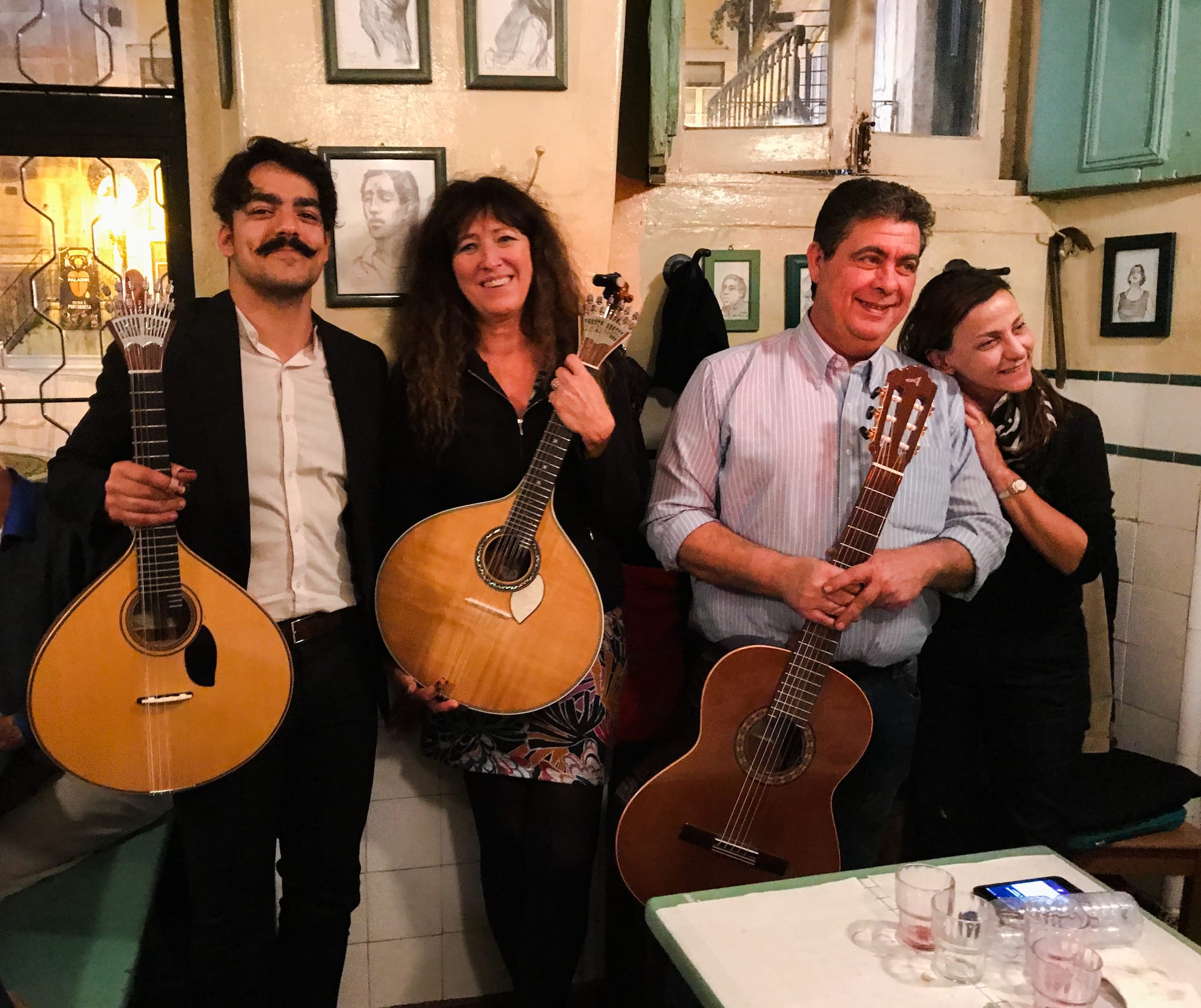
Fado, the country's most famous music, was inscribed on UNESCO's list of intangible cultural heritage in 2011. It is usually sung by a solo singer, male or female, accompanied by an acoustic guitar and the guitarra portuguesa, a pear-shaped cittern with twelve steel strings in six pairs. UNESCO describes it as a synthesis of Afro-Brazilian sung dances, rural song brought to the city by internal migrants, and the urban song of the early 19th century, and it has long been the music most associated with saudade. Also on the list, since 2014, is cante alentejano, from the south, sung by amateur choirs of up to thirty voices without any instruments: a lower voice opens the song, a higher voice answers with the melody above it, and the whole choir joins in parallel harmony, singing of rural life, landscape, love, motherhood and faith.
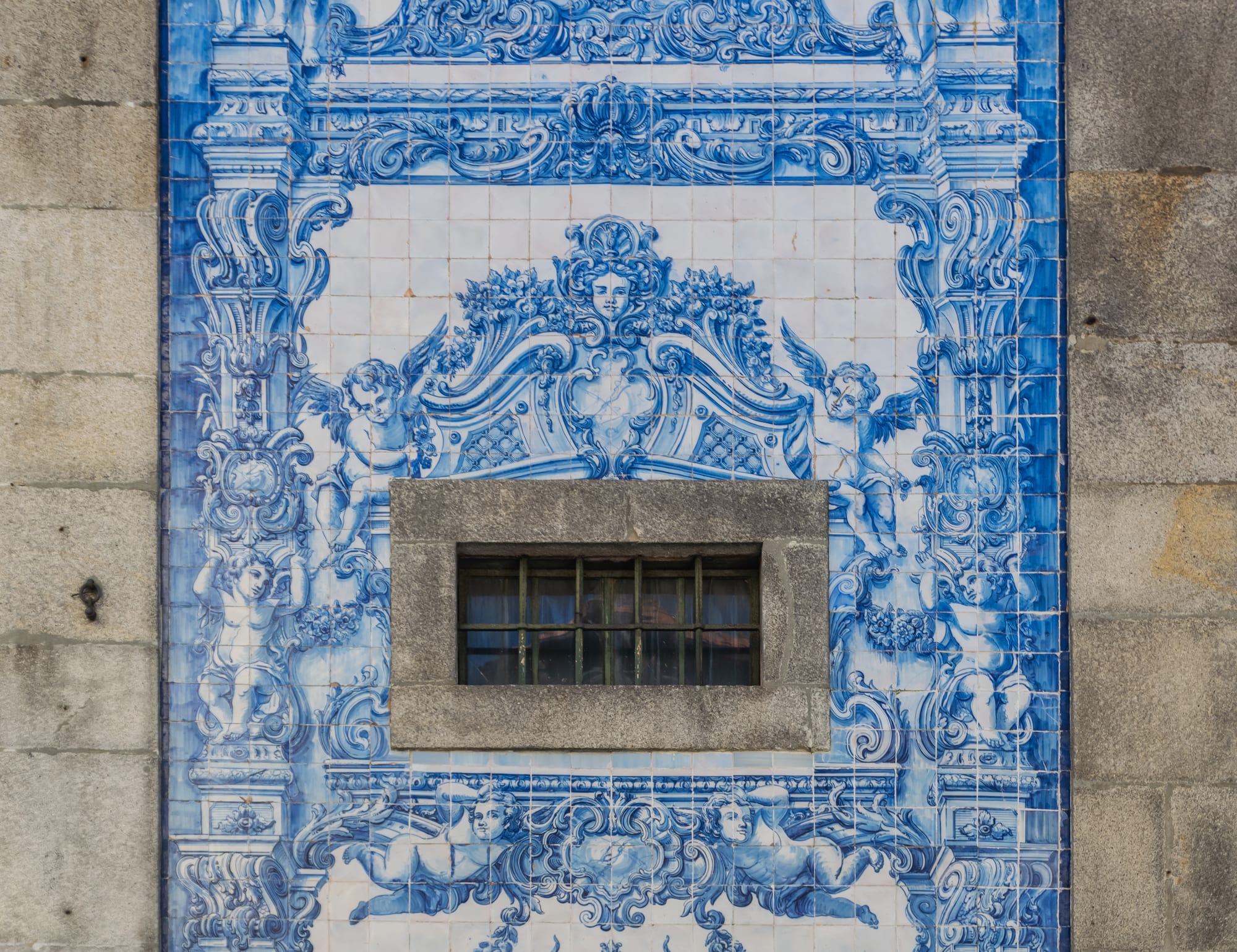
The most visible art form is on the walls. Azulejos, glazed and painted ceramic tiles, take their name from an Arabic word for a small, smooth stone. King Manuel I brought Seville's tile techniques to Portugal after a visit in 1503, and by the 18th century azulejos covered churches, convents, palaces, houses, gardens and fountains, with geometric patterns, scenes from the lives of saints and secular stories. The tradition has run unbroken for five centuries and still decorates new buildings and metro stations today.
Craft traditions remain strong. Goldsmiths work filigree, twisting very fine threads of gold or silver and tiny metal beads into delicate lacework designs that form part of traditional festive and bridal costume. Estremoz clay figures, small painted figurines modelled from rolls and balls of clay and then "dressed" with further layers, were added to UNESCO's list in 2017, while the making of cowbells (2015) and Bisalhães black pottery (2016) are listed as needing urgent safeguarding. The brightly painted Barcelos cockerel has become one of the country's most familiar emblems.
Dos and don'ts for visitors
- Do wait to be invited into a home, and wipe shoes on the mat before entering.
- Do greet with a handshake; among friends, a light kiss on each cheek begins on the right.
- Do address older people and new acquaintances as Senhor or Senhora until invited to be less formal.
- Do accept the coffee or snack a host offers, and wait for "bom apetite" before starting to eat.
- Do cover shoulders and knees and remove hats in churches, and don't take photographs during Mass.
- Don't bring wine as a gift unless the host's tastes are known; chocolates or flowers are safer.
- Don't point at people or beckon with a single finger.
- Don't boast about money or status; modesty is valued.
What to take away
Portuguese courtesy asks for patience rather than performance — wait at the door, accept the coffee, say "saúde" — and those who follow its quiet rules soon find the reserve giving way to real warmth.