Daily Life · Portugal
Portugal: A Day Measured in Coffees
A pastelaria on nearly every corner, grandparents doing the school run, and a country where the extended family still gathers for Sunday lunch even as its young graduates keep leaving for work abroad
By Worldlore Editorial · 30 September 2026
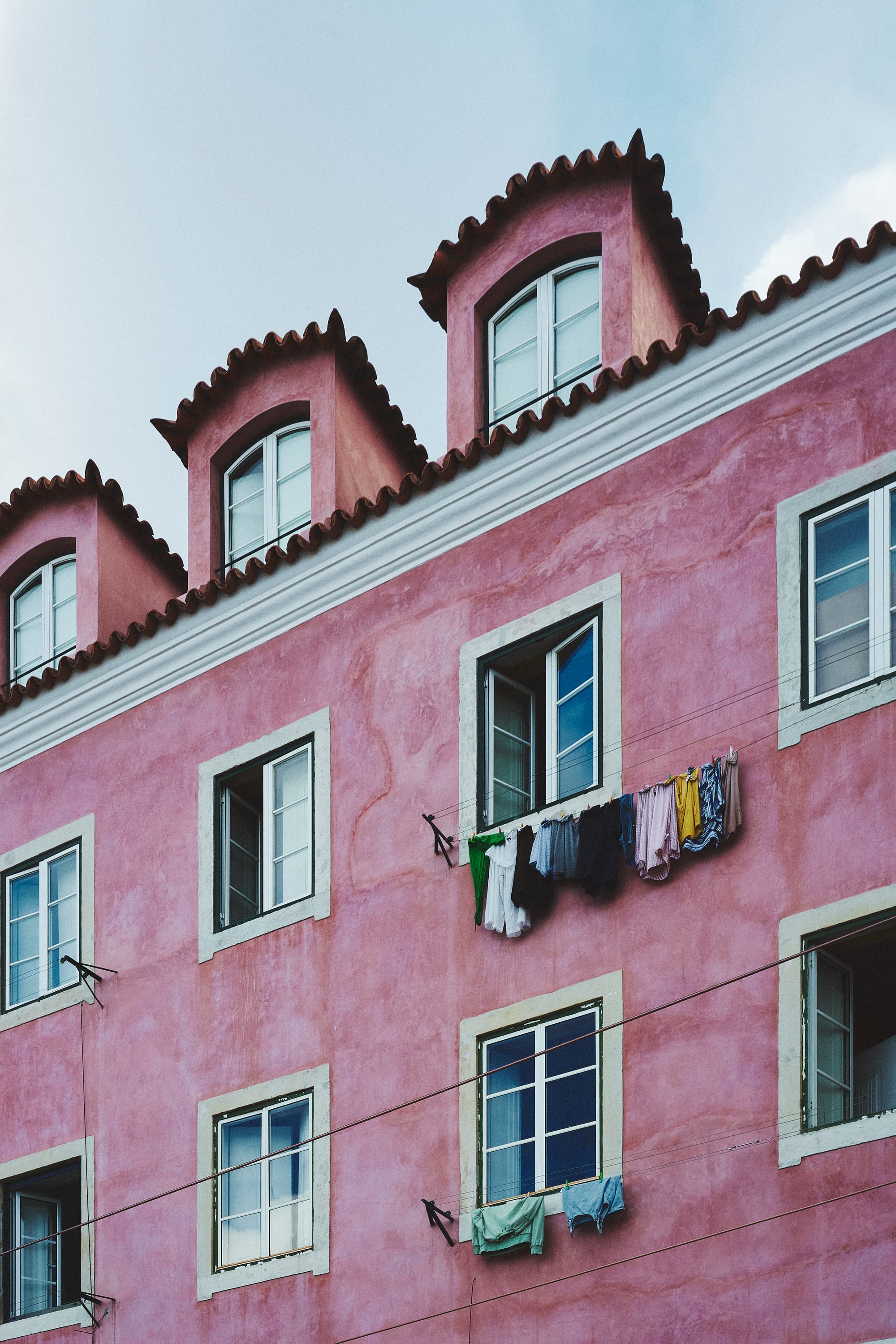
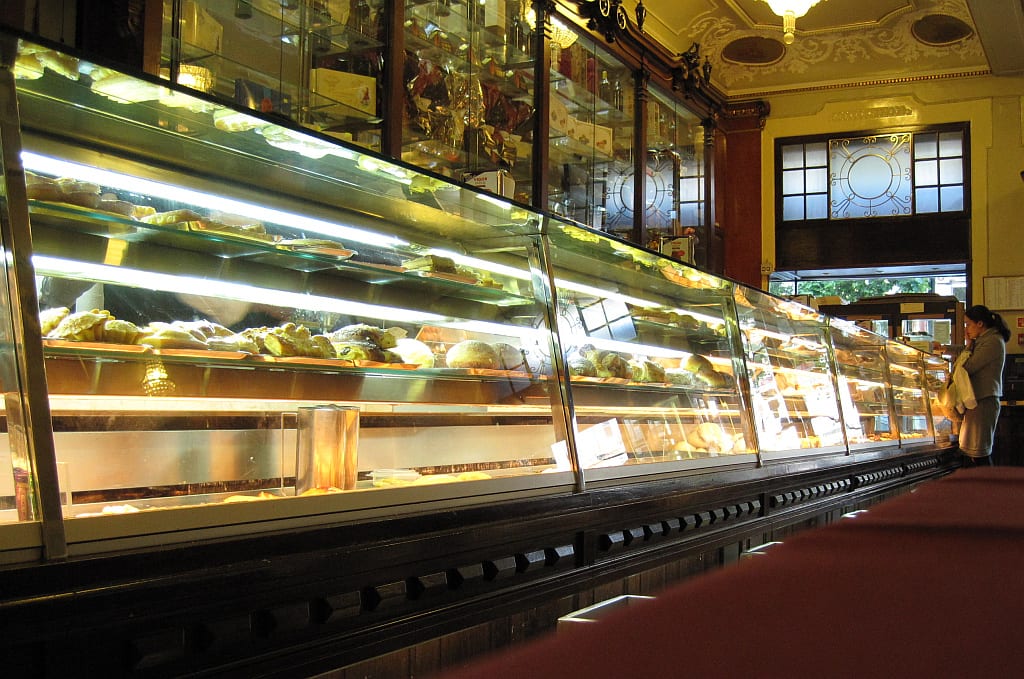
An ordinary day in Portugal is punctuated by coffee rather than divided by it. Many people start at a pastelaria counter with a small espresso, called a bica in Lisbon, and a pastry rather than a long breakfast at home, break again mid-morning, sit down properly for lunch, usually between noon and two, pause once more in the afternoon for the lanche, a coffee and a sweet bite that both children and adults treat as a normal part of the day, and eat dinner late, typically around eight. Family sits close by all of it: grandparents remain closely involved in day-to-day child-rearing in many families, and the extended family lunch, especially on Sundays, is still one of the most reliably kept fixtures of the week.
Family and home life
Close family ties run through Portuguese daily life more than they do in many other Western European countries: adult children often stay in the family home longer or settle nearby after leaving it, and grandparents, aunts and uncles are often part of raising children rather than occasional visitors. Grandparents doing the school run or collecting children in the afternoon is a common, unremarkable sight. At the same time, low wages by Western European standards have pushed a steady stream of young graduates to emigrate for work, and the population is among the oldest in the EU, even as immigration has pushed numbers back up, so a household with grown children already working abroad and only sending money and video calls home is now a familiar pattern rather than an unusual one.
Work, school and the rhythm of the day
The normal working week is forty hours, usually eight-hour days with a lunch break of an hour or more, and lunch is treated as a proper meal rather than something eaten at a desk. School hours vary by age but generally run through the middle of the day into mid-afternoon, after which many children go to a grandparent's house, an after-school activity, or straight home. The tourism-heavy economy, alongside manufacturing, agriculture and a growing tech and start-up sector, means working patterns vary a good deal between the coastal cities, where jobs are more white-collar and increasingly cosmopolitan, and the interior, where farming, smaller trades and an older workforce still set the pace. The afternoon lanche, coffee with a pastry in the late afternoon, is common enough to count as a fixture of the day rather than an indulgence.
Community life and public spaces
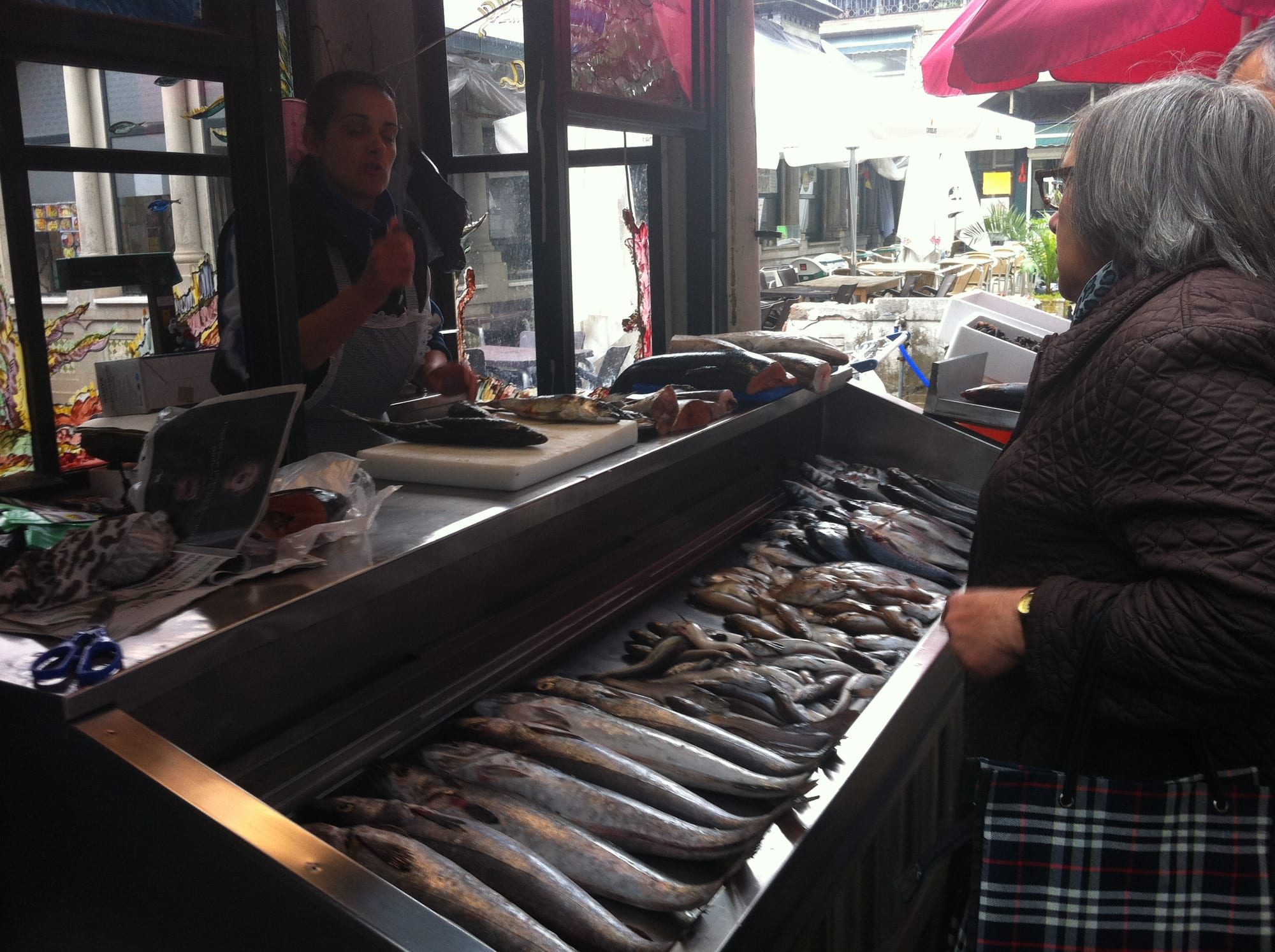
Municipal markets, mercados, remain a normal place to buy fresh fish, meat, fruit and vegetables in cities and towns of any size, standing alongside supermarkets rather than being replaced by them, and market stallholders often know regular customers by name. Weekly outdoor feiras add secondhand goods, flowers and local produce on a fixed day in many towns. Cafés and pastelarias function as the real neighbourhood meeting point, open from early morning into the evening and used by every age group, from pensioners reading the paper over a coffee to teenagers meeting after school. Public transport is well developed in Lisbon and Porto, with metro, tram, bus and ferry networks carrying much of the daily commute, while smaller towns and the interior rely more on buses and private cars.
Free time and weekends
Weekends revolve around the extended family, most visibly the Sunday lunch, which can run for hours and draws together several generations at once. Football is followed with real intensity nationwide, and match days, especially derbies involving Benfica, Porto or Sporting, are shared communal events watched at home or in a café rather than a niche interest. Where the coast is within reach, a weekend trip to the beach is routine rather than a special occasion, particularly from spring through autumn, and the café remains a normal place to spend a free afternoon at any time of year. Summer also brings the recurring risk of wildfires to the forested centre and north, which can affect travel and daily plans in the worst-hit regions during the driest months.
A visitor's ordinary day
Cards and contactless payment are accepted almost everywhere, but it is worth carrying some cash for small pastelarias, markets and rural cafés. Lunch service in many restaurants runs from around noon to three, and dinner is typically eaten around eight, so eating on a Northern European schedule can mean arriving to a half-empty restaurant. Many small shops and some services close for a stretch around lunchtime outside the big cities, so plan errands accordingly. Public transport in Lisbon and Porto is inexpensive and covers most tourist areas well, and elsewhere coaches fill in where trains do not reach, and hiring a car makes sense for anywhere off the main coastal corridor.
What to take away
What holds an ordinary day together in Portugal is less any single institution than the coffee breaks strung through it: the pastelaria counter in the morning, the proper sit-down lunch, and the afternoon lanche, each one an excuse to slow down and, more often than not, to do it with family close by.