Culture & Customs · Pitcairn Islands
Pitcairn Islands: The Longboat and the Sabbath
A community of a few dozen people descended from the Bounty mutineers and their Tahitian companions, bound together by an Adventist faith, a creole of their own, a boat crew everyone trusts and a burning ship every January
By Worldlore Editorial · 30 September 2026
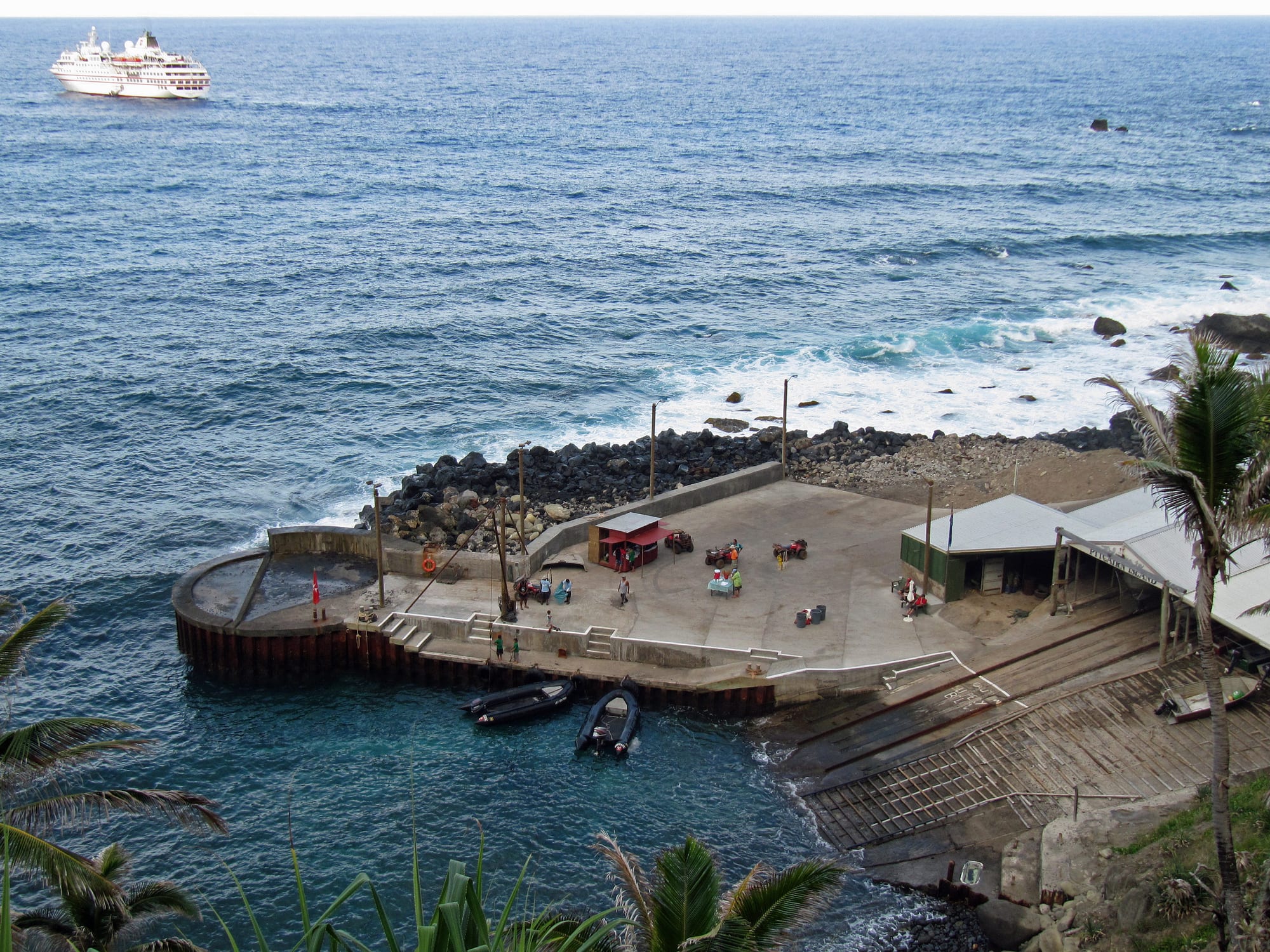
A supply ship drops anchor off Bounty Bay, and a longboat pushes out through the swell to meet it. There is no harbour on Pitcairn, so everyone and everything that arrives or leaves must come through the surf in one of these boats, crewed by islanders, and anyone on board is in the crew's hands. At the landing, islanders wait to greet the newcomers and take them home, since there are no hotels. Departures are shared occasions too. For a community of about 35 permanent residents, this ritual of arrival and farewell sums up how life works: everyone is needed, and everyone relies on everyone else.
Faith, identity and values
Almost all Pitcairners descend from the mutineers of HMAV Bounty and the Tahitian women and men who settled the island with them, and a handful of family names, among them Christian, Young and Warren, recur across the community. Islanders describe themselves as one big family, whichever of those names they carry. Pitkern, a creole born from eighteenth-century English and Tahitian, is spoken alongside English, and a visitor is likely to hear it in everyday talk between islanders.
Faith has shaped the island for well over a century. The community originally followed the Church of England, but in 1886 an American Adventist layman, John Tay, spent five weeks on the island and persuaded the islanders to keep Saturday rather than Sunday as their day of rest. The island's only church building is Seventh-day Adventist. Regular attendance has fallen in recent years, though most islanders go to church on special occasions, and from sunset on Friday to sunset on Saturday Pitcairners keep a day of rest, whether as observant Adventists or out of respect for them. The Adventist church asks its members to avoid alcohol.
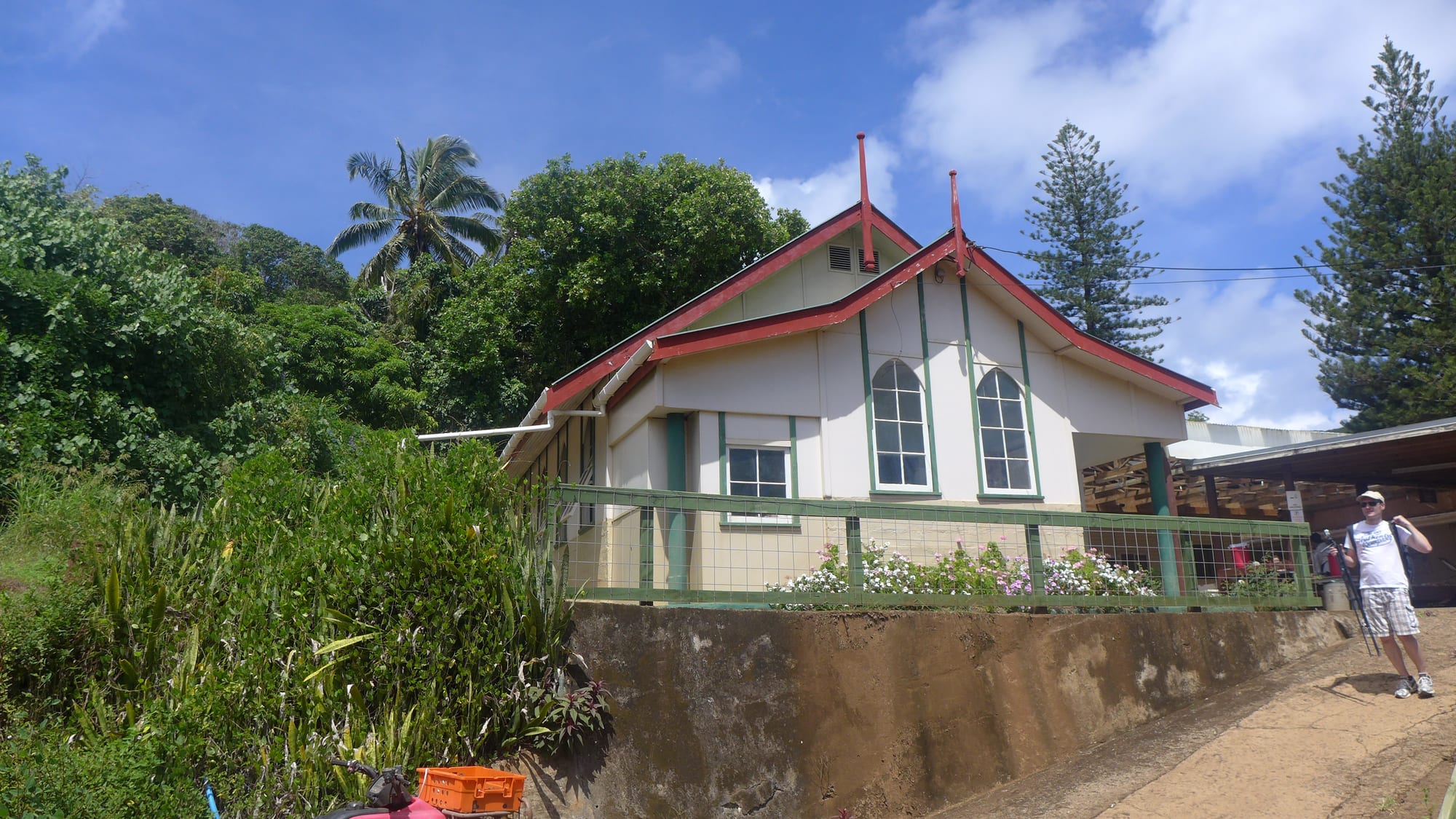
The island's scale shapes its values. With so few people, the same islanders keep the settlement tidy, unload cargo, host visitors and crew the boats, and the work of the community is shared out rather than left to others. Adamstown's life centres on the Square, where the church and other community buildings stand close together.
Greetings and meeting people
Greetings are informal and friendly, as befits a place where everyone knows everyone. Islanders often speak Pitkern among themselves, and visitors who show an interest in it are likely to be met with a smile. In a community this small, a newcomer is noticed at once, and the welcome tends to be personal rather than formal: visitors are met at the landing by the families who will host them, and introductions happen naturally over the days that follow.
Hospitality and being a guest
Hospitality on Pitcairn is domestic by necessity. There are no hotels, so visitors stay in homestays, which range from a room in a private home to arrangements where the host family provides meals and laundry. Guests often share meals with their hosts, and a stay becomes as much an introduction to a family as to the island.
Visitors are free to do as much or as little as they like. They can join islanders on traditional community fishing trips, take guided quad bike tours, walk the island's tracks with a map, or visit the museum, which holds Bounty artefacts and tells the island's history.
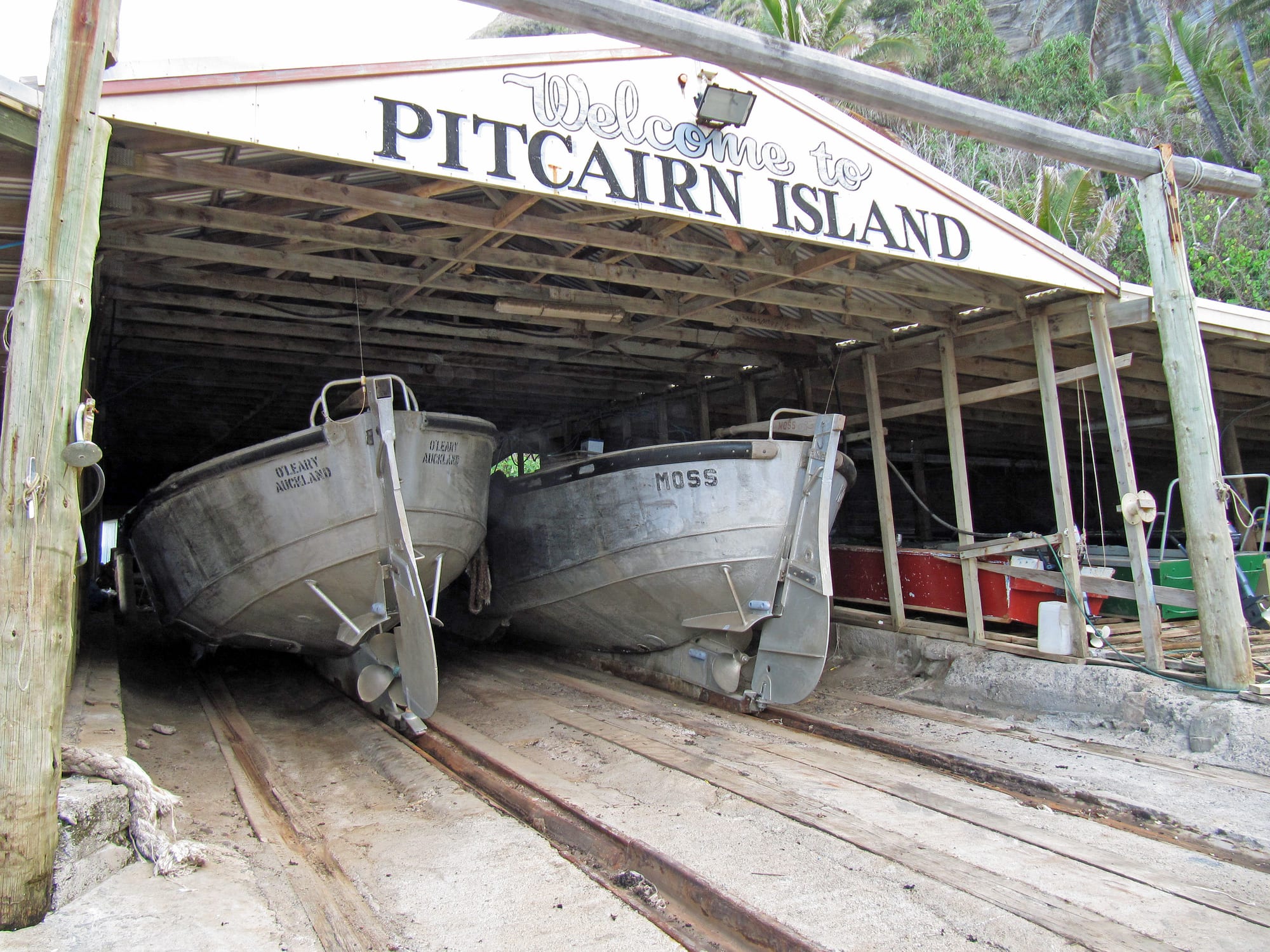
The longboats themselves deserve respect. They are crewed by islanders, and the transfer between ship and shore depends on the sea. Those on board follow the crew's instructions without question, and it is the islanders who decide when a landing is safe.
Festivals and life's big moments
The biggest date in the island's calendar is Bounty Day, 23 January, which marks the day in 1790 when the mutineers burned their ship. It is celebrated with a fish fry at the Landing overlooking Bounty Bay, and a model of the Bounty made by the islanders is set alight in memory of the original.
Personal milestones tend to be shared by the whole community. In a place this small, almost any celebration is effectively a gathering of everyone.
Arts, crafts and music
Craftwork is part of island life, and many islanders make something to sell. Woodcarving is the best known of these crafts: islanders carve sharks, fish, whales, dolphins, turtles and birds, as well as vases, walking sticks, book boxes and models of the Bounty, preferring the dark, durable miro, much of it gathered on neighbouring Henderson Island. Islanders also weave baskets and make tapa cloth, painted leaves, handmade jewellery and soap, and curios have been traded with visiting ships for generations.
Pitcairn honey, from a notably disease-free population of bees, is another island speciality and is exported to New Zealand and the United Kingdom. Crafts are sold to visitors and passing ships, and they remain an important source of income for the community.
Dos and don'ts for visitors
- Do follow the longboat crew's instructions exactly, and accept that the swell may delay or prevent a landing.
- Do take an interest in Pitkern, the island's own language, when meeting islanders.
- Do share meals and conversation with a host family; homestays are the heart of any visit.
- Do respect the Sabbath day of rest, from sunset on Friday to sunset on Saturday.
- Do buy carvings, weaving and honey from the islanders who make them.
- Don't assume alcohol will be part of a gathering; the Adventist church asks its members to avoid it.
What to take away
Pitcairn's customs are those of a single extended family on a remote rock, and visitors who arrive with patience, respect the island's faith and trust the people at the oars will be welcomed into that family for the length of their stay.