Daily Life · Pitcairn Islands
Pitcairn Islands: Everyone on the Payroll
A permanent population of around forty people, a government store open a few hours a week, and a community small enough that nearly every working adult is, one way or another, employed by the government itself
By Worldlore Editorial · 30 September 2026
An ordinary day on Pitcairn starts with a population small enough to know everyone in it by name: around thirty-five to forty people, most descended from the Bounty mutineers and the Tahitians who settled the island in 1790, living in the one settlement of Adamstown on the only inhabited island of the territory's four. There is no queue anywhere, because there are rarely more than a handful of people at any one place at any one time. What fills the day is less leisure than necessity — nearly everyone of working age holds at least one public role, because government is, in practical terms, the island's main employer.
Family and home life
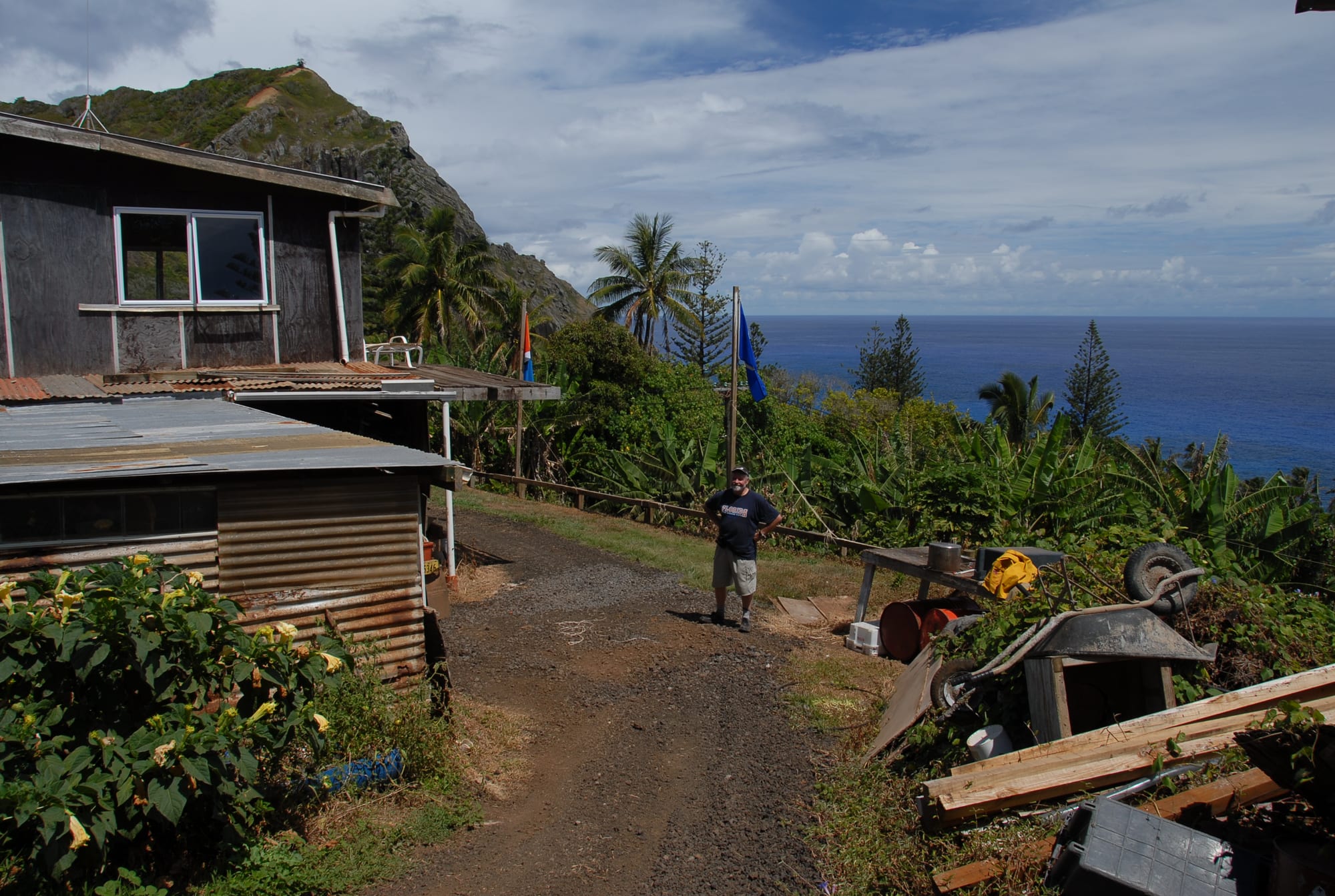
Households are small and mostly built around a handful of extended families who share a short list of surnames going back to the original settlers, Christian and Warren foremost among them. Homes are modest, single-storey timber and corrugated-iron houses set into steep, densely planted hillside plots, each with its own vegetable garden, fruit trees and, often, beehives, since growing and gathering a share of one's own food is still a normal part of running a household here. With the working-age population so small and ageing, and almost every islander related to several others, family obligation and public duty tend to blur — the same handful of people sit on the council, crew the longboat and keep the small businesses running.
Work, school and the rhythm of the day
Most islanders of working age hold one or more paid roles with the Pitcairn Islands Government — public works, the post office, the government store, the power station, the school or the administration office — since the private sector amounts to little more than crafts, honey and hosting the few visitors. Pitcairn honey, prized for its purity, together with postage stamps, commemorative coins and revenue from the ".pn" internet domain, brings in outside income, but the UK has provided around 90 per cent of the territory's budget since 2004. The island's one school, for children up to about twelve, often has a single-figure roll; older children attend secondary school in New Zealand or study by correspondence, and many who leave do not return to live on the island, one reason the population has been falling since its 1930s peak. The working day is shaped as much by the weather and the sea as by any clock, since outdoor jobs and the arrival of each supply voyage set the real schedule.
Community life and public spaces
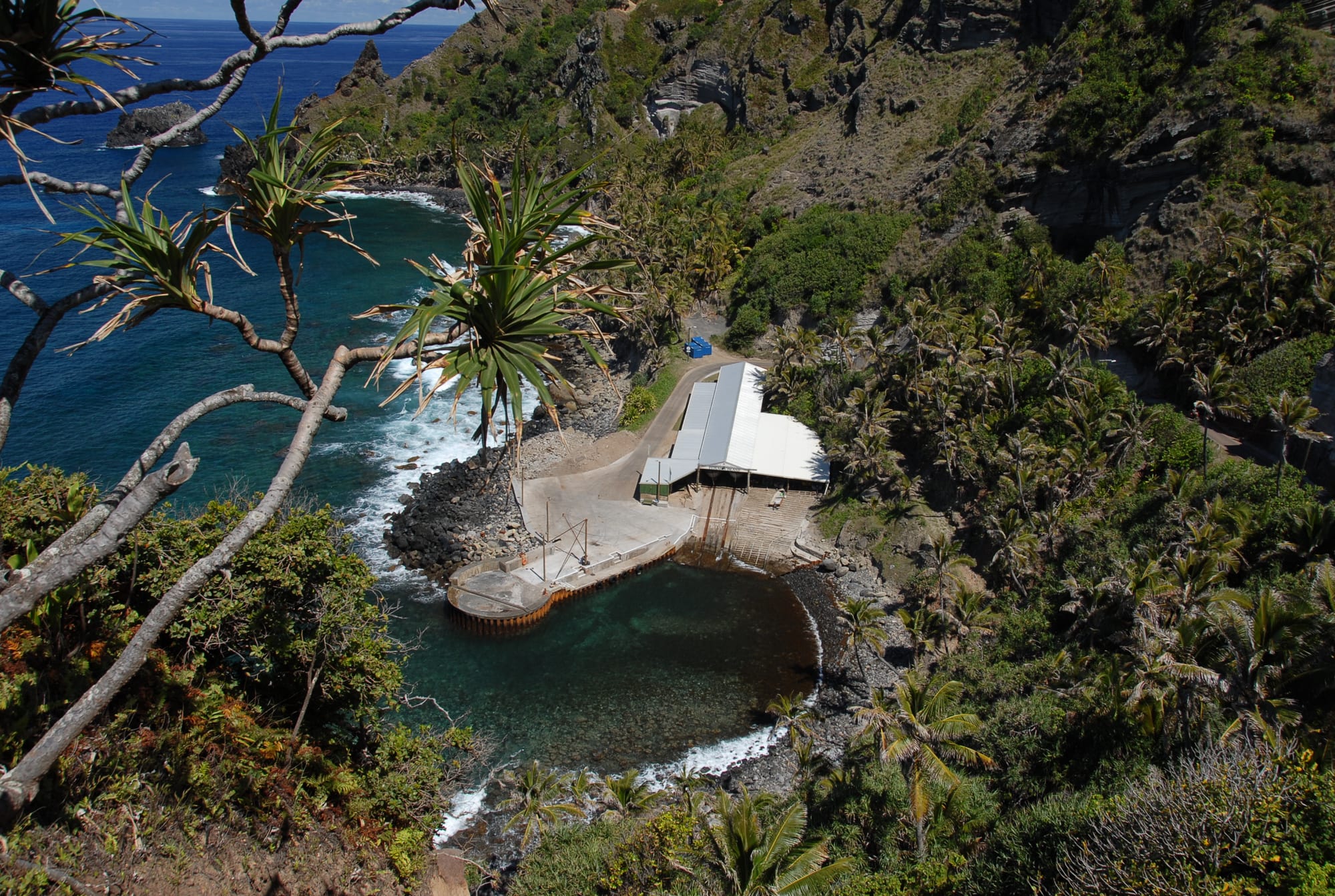
Adamstown is the whole of public life: the Square, where a ship's arrival or a birthday brings the whole community together for a public dinner, with the church, the government store, the post office and the small museum all within a short walk. The government store opens only a few hours a week, so a restock is a genuine event, and the square becomes a gathering point whenever the supply ship's longboat brings goods, mail or visitors ashore through the surf at Bounty Bay. Since March 2024, Starlink terminals have connected every home and government building on the island to high-speed internet, a change islanders and outside reporting have both described as transformative for an otherwise deeply isolated community, keeping people in daily contact with family, government business and the wider world in a way earlier generations of islanders never had.
Free time and weekends
The island's only church is Seventh-day Adventist, and Saturday is the sabbath and the day's rhythm slows for church services and rest, while Sunday and other free hours are given over to fishing, swimming, tending gardens and beehives, and visiting between the handful of households. Community meals in the Square bring together dishes such as pilhi, a baked pudding of grated banana, taro or pumpkin, alongside fish, chicken and tropical fruit, and any gathering that size effectively counts as most of the island turning out. With so few people and so much unbuilt land, walking tracks, the coastline and the sea around the island are the main recreation available, rather than any organised entertainment.
A visitor's ordinary day
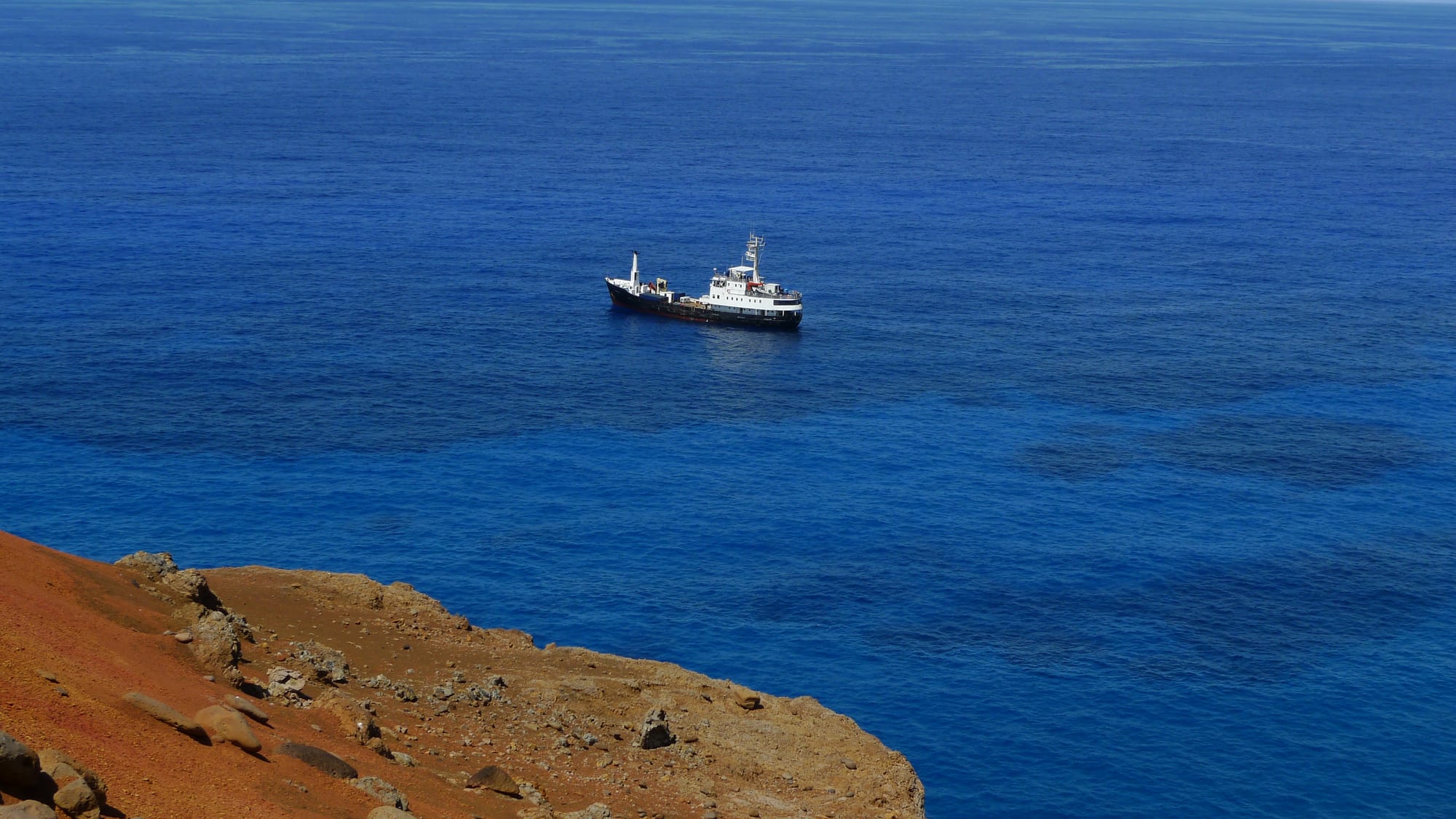
There is no airstrip, so every visit is built around the territory's supply ship, which crosses the 688 kilometres from Mangareva in French Polynesia on only a handful of scheduled sailings a year; a landing licence, a confirmed home-stay booking and travel insurance covering medical evacuation must all be arranged well in advance through the Pitcairn Islands Office. It is a cash economy, so visitors bring New Zealand dollars in cash. On arrival, the ship anchors offshore and passengers and goods transfer to Bounty Bay by longboat, a transfer that depends entirely on the sea being calm enough that day. Once ashore, quad bikes and walking are the only way to get around the steep, unpaved tracks, and with the government store open only a few hours a week, visitors generally eat what their host family provides rather than shopping for themselves.
What to take away
What shapes an ordinary day on Pitcairn is scale: with the entire population no bigger than a couple of school classes elsewhere, family, work, government and community are not separate spheres of life so much as the same small group of people moving between them.