Attractions & Natural Wonders · Pitcairn Islands
Pitcairn Islands: Five Attractions and Natural Wonders
The world's least populous jurisdiction, settled in 1790 by mutineers from HMS Bounty and their Tahitian companions, still reached only by a rare supply ship across open Pacific ocean
By Worldlore Editorial · 10 September 2026
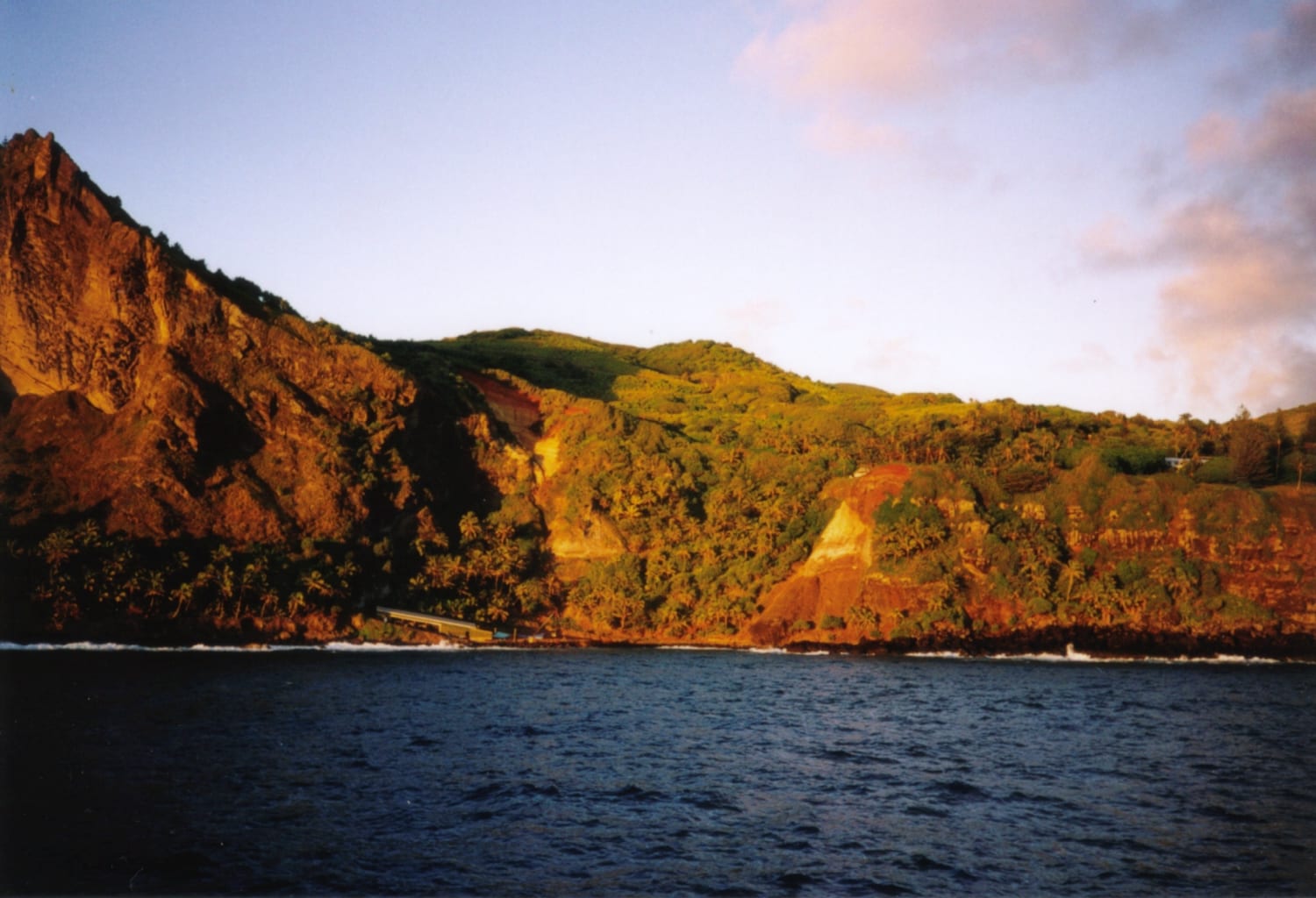
The world's least populous jurisdiction
Pitcairn, a remote volcanic island in the middle of the South Pacific, is home to only around 40 people, making it the least populous national jurisdiction in the world. Its entire modern history traces back to a single event: in 1790, mutineers from the British ship HMS Bounty, along with Tahitian men and women who had joined them, settled the uninhabited island to avoid capture, and their descendants — surnames like Christian and Young still common today — make up most of the population that remains. There is no airstrip; the island is reached only by a supply ship that calls a few times a year, or by charter yacht, making it one of the most physically remote inhabited places on earth.
The five sights below are all within walking distance of each other on the island's small habitable area. Given the near-total absence of scheduled transport, visiting requires advance planning measured in months, not weeks.
1. Adamstown
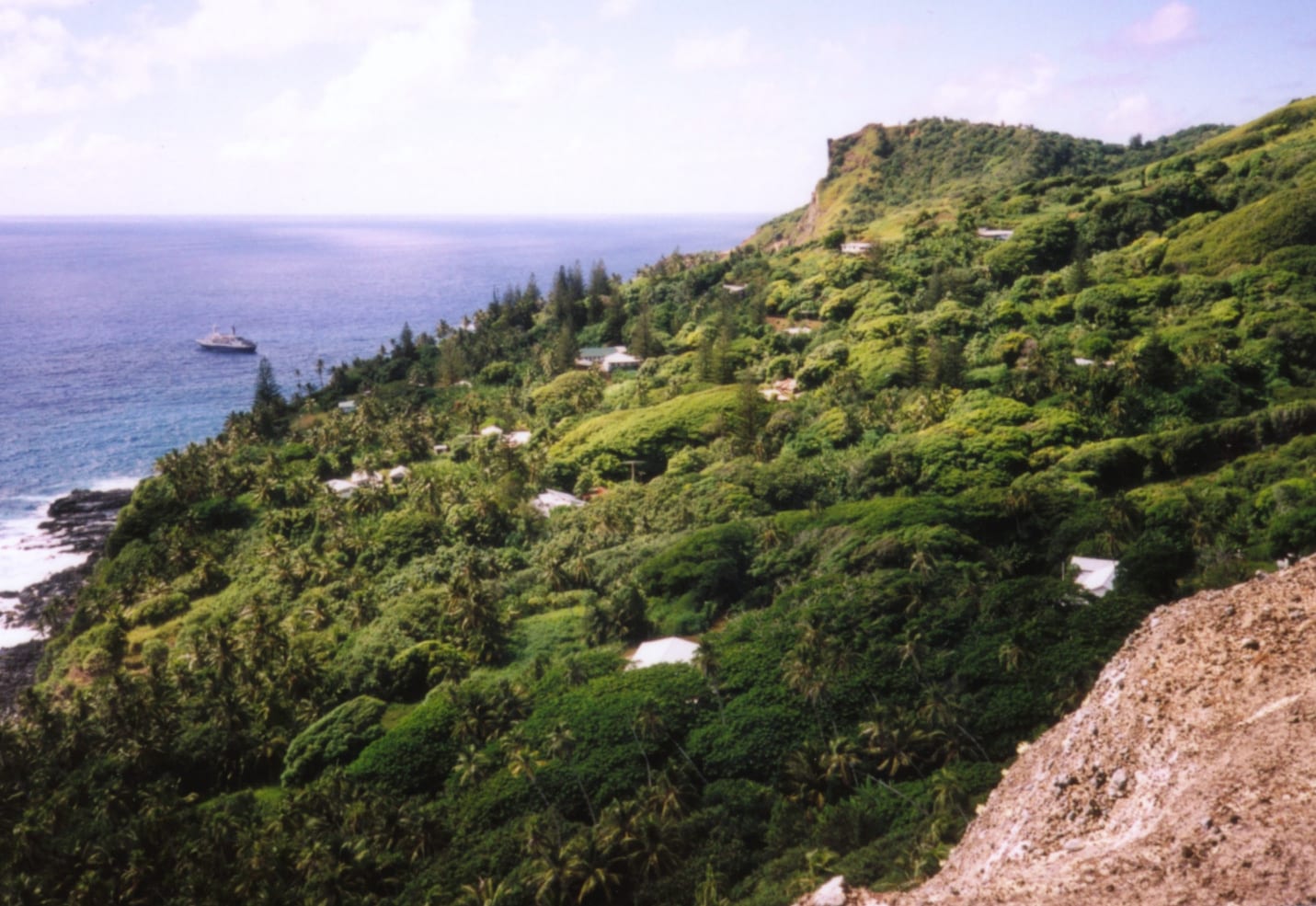
Adamstown, Pitcairn's only settlement, holds essentially the island's entire population in a scatter of houses along the hillside above Bounty Bay. It takes its name from John Adams, the last surviving Bounty mutineer, who led the small community through its early decades. The village includes a post office prized by philatelists worldwide for its rare Pitcairn stamps, a school, and a small museum holding relics connected to the Bounty story.
2. The Church of Adamstown
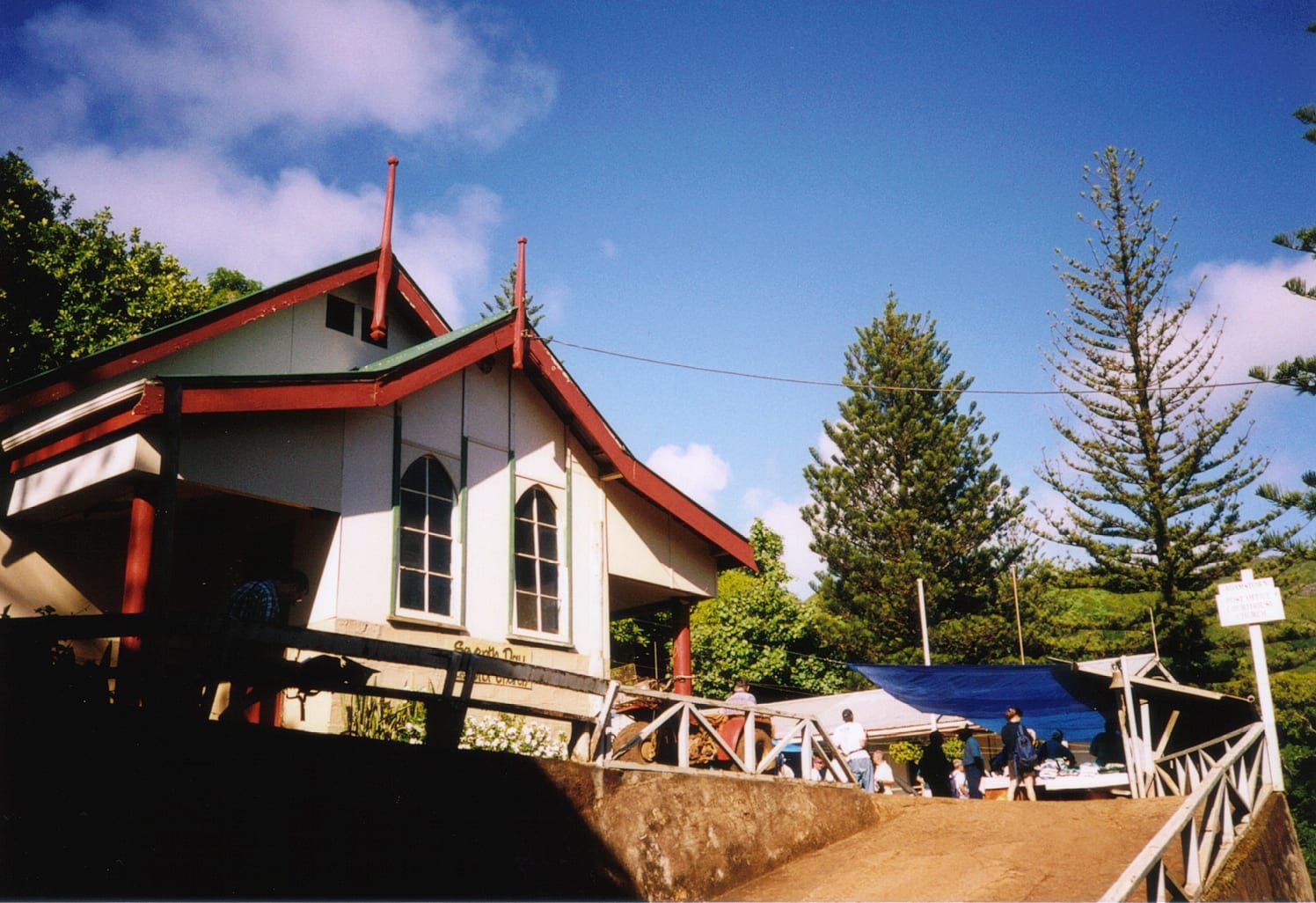
The entire Pitcairn community converted to Seventh-day Adventism in the 1890s following a missionary visit, and the church remains central to daily and weekly life on the island — Saturday, the Adventist sabbath, is observed as a day of rest by virtually the whole population, a rare instance of an entire nation sharing one faith and its practices this closely.
3. The island's coastline
Pitcairn's volcanic coastline is almost entirely cliff-bound, with no natural harbour and only the narrow landing at Bounty Bay usable, and even that only in calm conditions — supply ships anchor offshore and passengers and cargo are ferried in by longboat. Hiking trails across the island's interior lead to viewpoints, banyan groves, and sites connected to the mutineers' settlement, including Christian's Cave, where Fletcher Christian is said to have kept watch for approaching ships.
4. The Bounty story
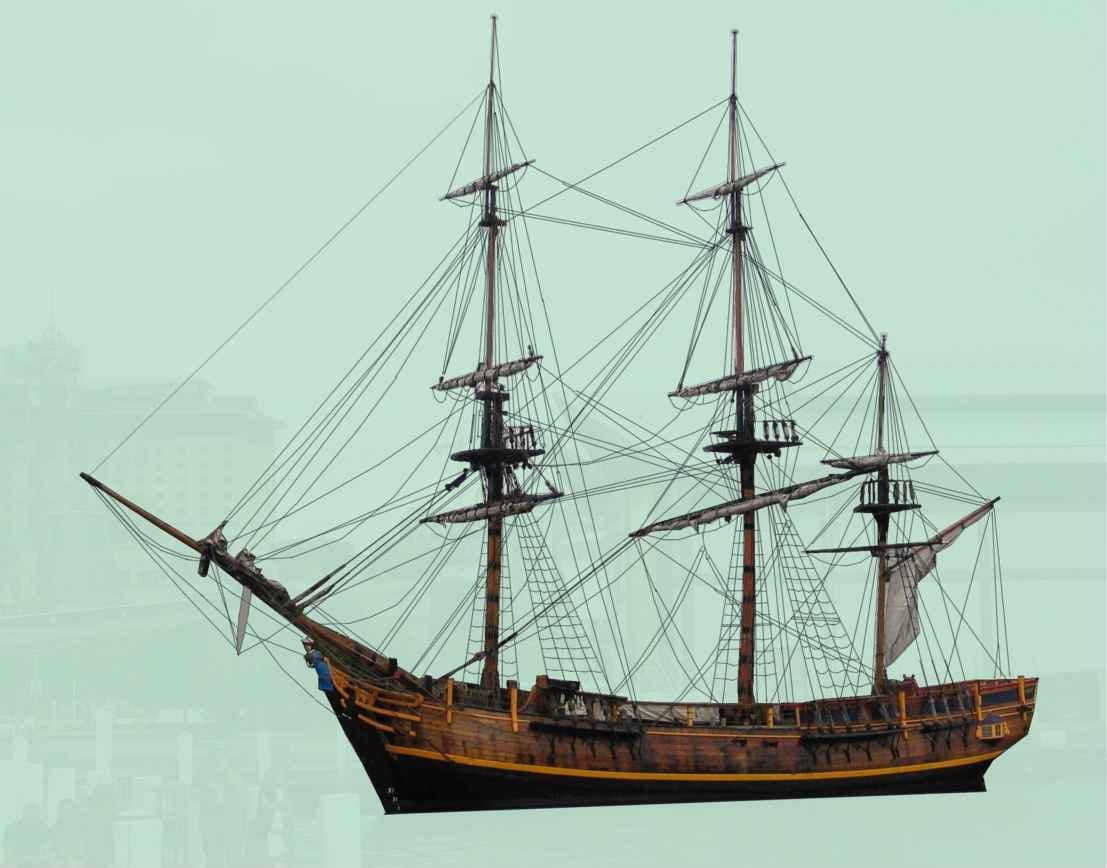
The mutiny on HMS Bounty in 1789, and the mutineers' subsequent search for a hideout beyond the reach of the Royal Navy, is one of the most retold maritime stories in history, dramatised repeatedly on film. Wreckage of the Bounty itself, burned by the mutineers in Bounty Bay to avoid detection and prevent anyone leaving, still lies in the shallow water there and is visible to snorkellers on calm days.
5. Isolation itself
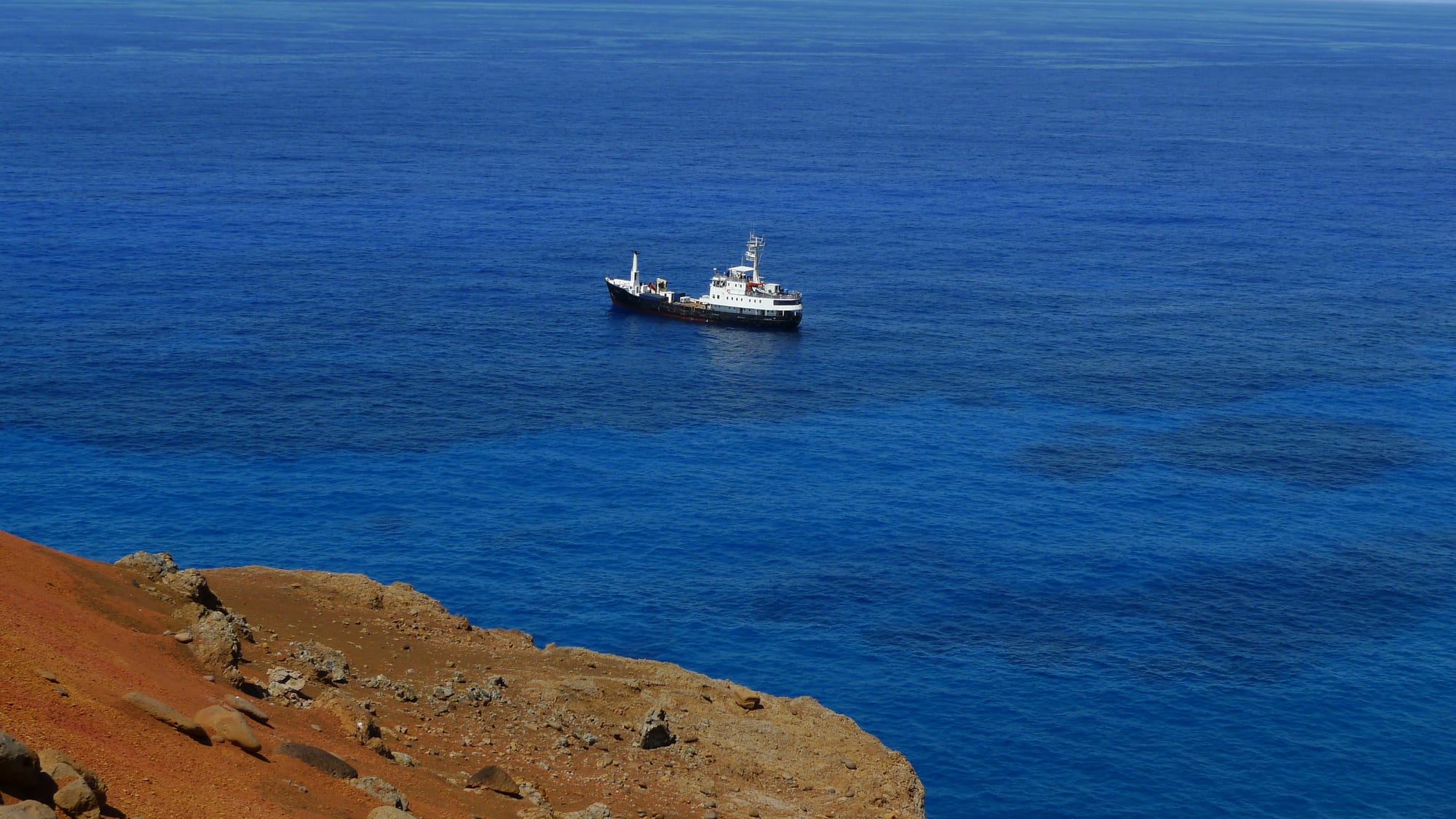
Perhaps Pitcairn's defining feature is simply how remote it is — the nearest inhabited land, Mangareva in French Polynesia, is around 500 kilometres away, and the island receives only a handful of supply-ship visits each year. Visitors who do make the journey typically stay for the length of the ship's call, days at a time, immersed in a small community still shaped directly by its 18th-century founding story.
A visit to Pitcairn is a genuine expedition rather than a conventional trip — requiring a booked passage on one of the few annual supply-ship sailings or a private yacht charter, planned many months ahead, and typically combined with other remote South Pacific stops given how far out of the way it lies.