History · Peru
Peru: The Andean Core
The seat of the largest empire in the pre-Columbian Americas — conquered by a few hundred Spaniards, ruled for three centuries as the richest viceroyalty, a slow and contested independence, and a modern history swinging between oligarchy, military reform, insurgency and autocracy
By Worldlore Editorial · 19 September 2026
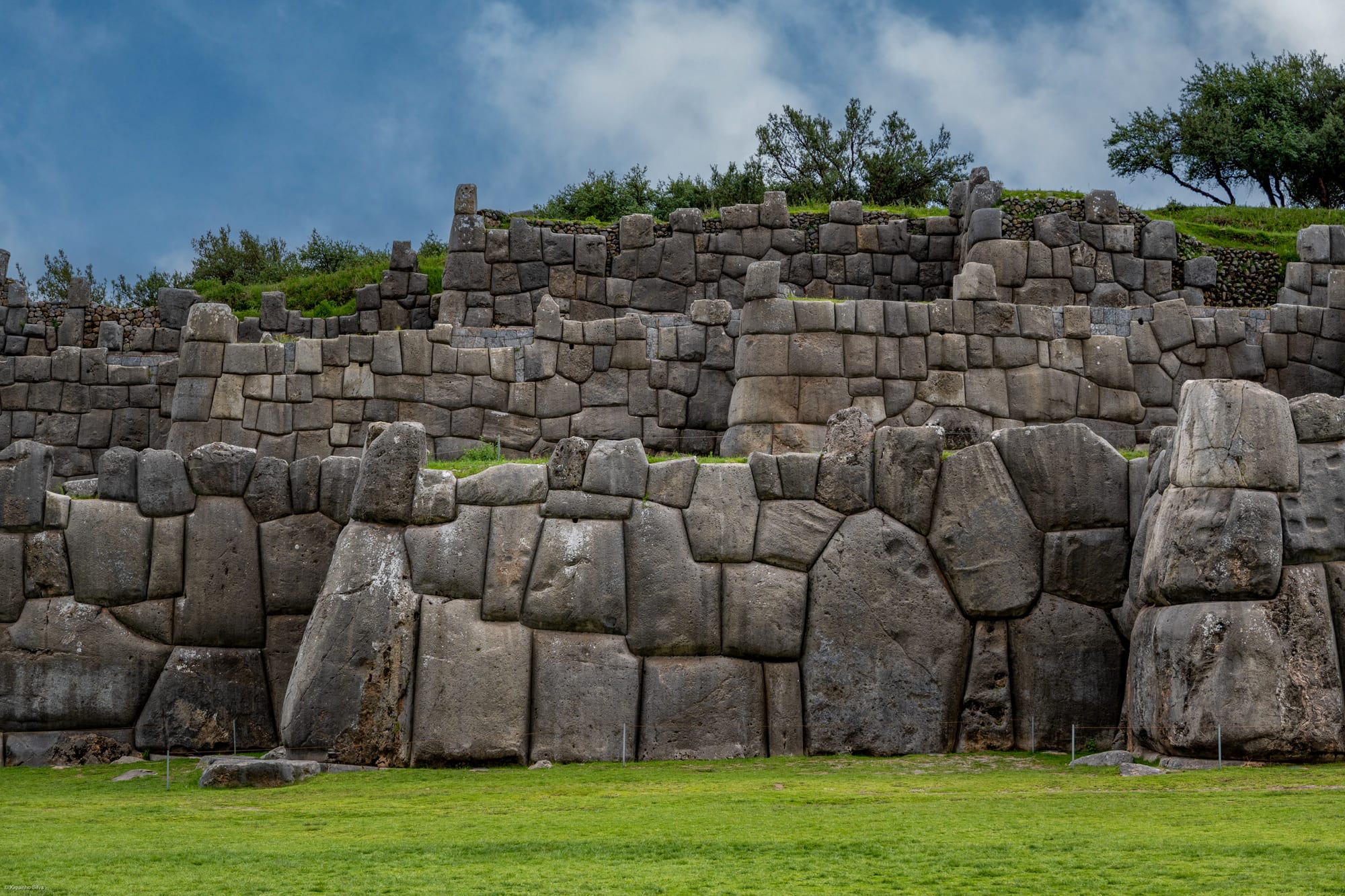
The heart of the Andes
Peru holds the Pacific desert coast, the high Andes, and the western Amazon, and about 34 million people, roughly split between the coast — dominated by Lima — and the Andean and Amazonian interior, where Quechua and Aymara are widely spoken. This was the centre of Andean civilisation for thousands of years and the core of the Inca Empire, then for three centuries the hub of Spain's South American empire. The tension between a coastal, Europeanised elite and a highland, Indigenous majority runs through the whole of the country's history.
A short history
- c. 3000 BCE
Norte Chico
Monumental architecture on the coast, among the oldest in the Americas.
- c. 1438–1533
The Inca Empire
Cusco rules from Ecuador to central Chile.
- 1532–1533
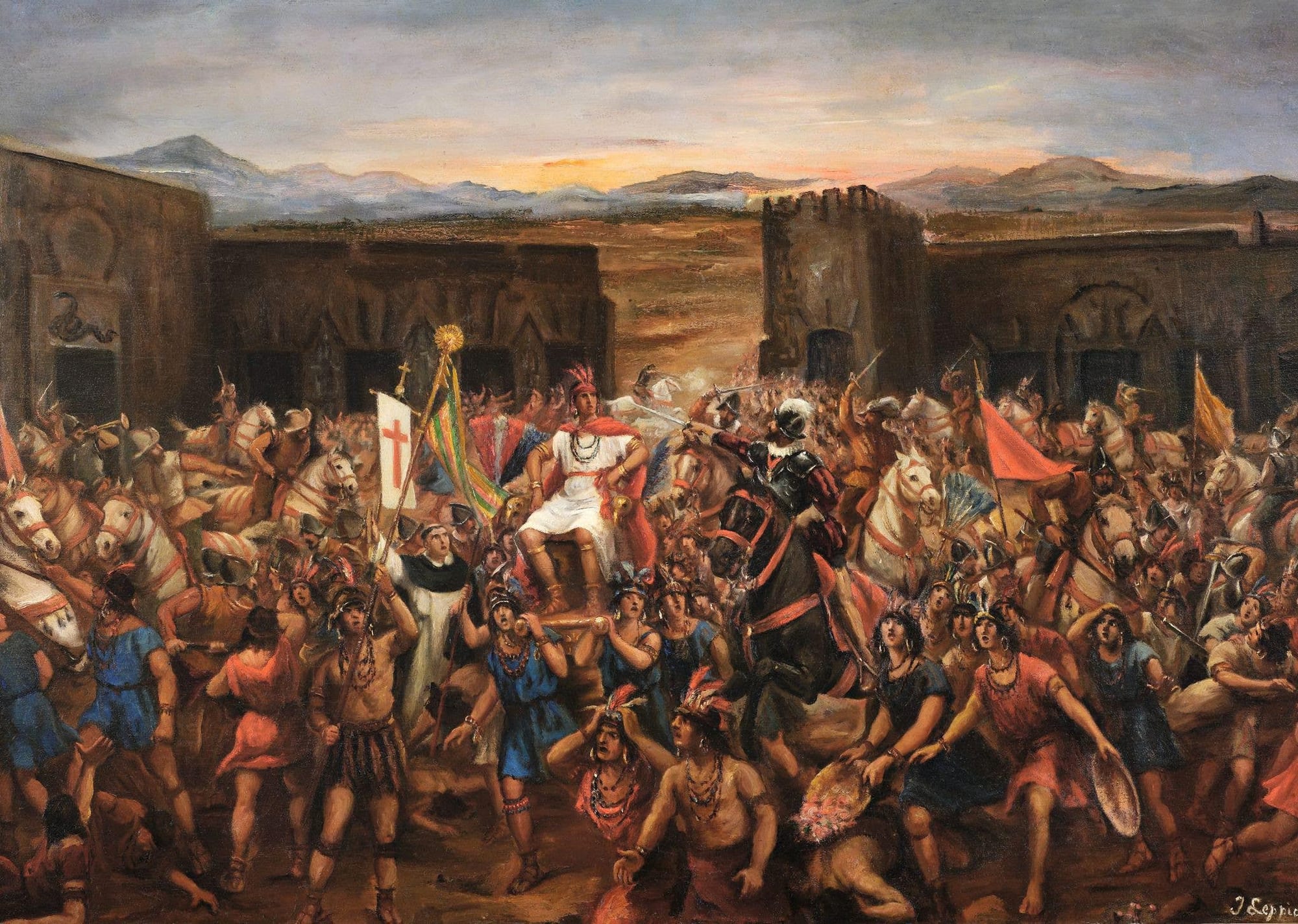
The conquest
Pizarro captures and kills the emperor Atahualpa.
- 1542
Viceroyalty of Peru
Lima becomes Spain's capital in South America.
- 1780–1783
The Túpac Amaru II revolt
A massive Andean rebellion is crushed.
- 1821–1824
Independence
Proclaimed by San Martín; secured at Ayacucho by Bolívar's forces.
- 1879–1883
War of the Pacific
Chile defeats Peru and Bolivia; Peru loses its southern provinces.
- 1968–1980
Military rule
A leftist junta nationalises industry and reforms land.
- 1980–2000
The internal conflict
The Shining Path insurgency; around 69,000 dead.
- 1990–2000
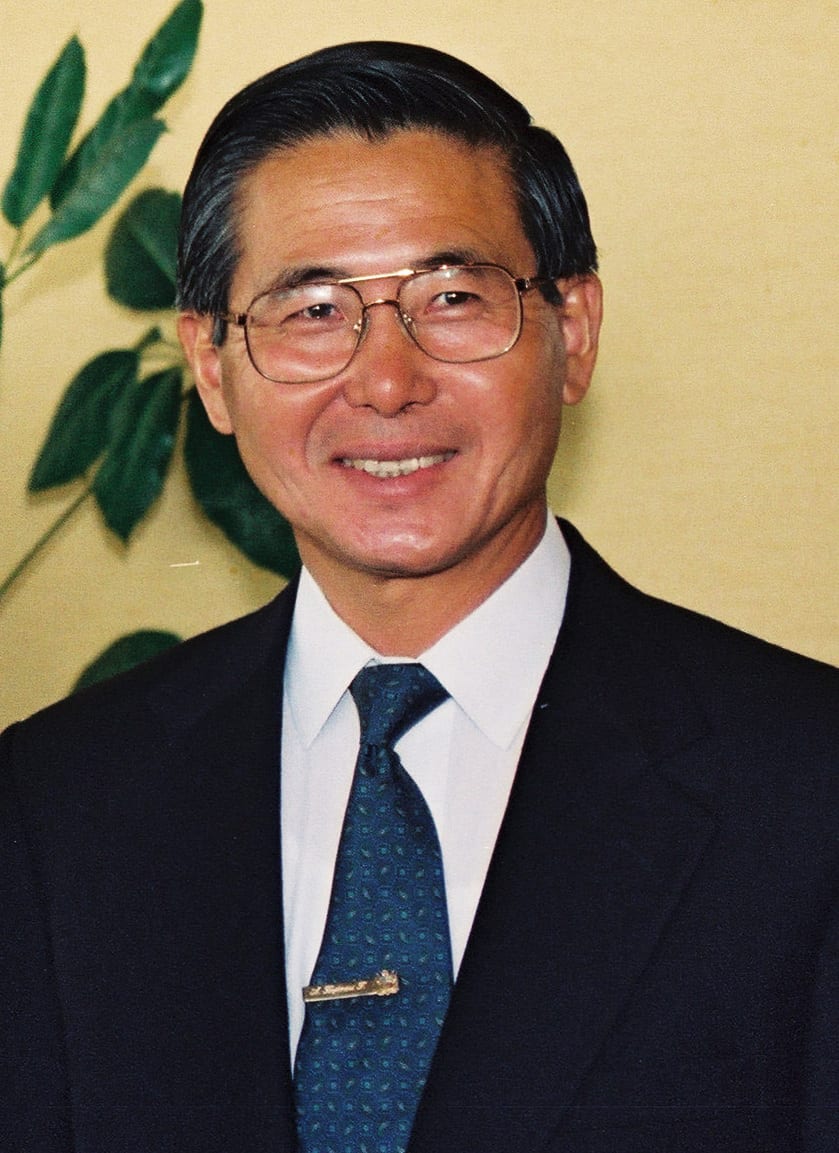
The Fujimori government
Autocratic rule, then collapse in scandal.
Andean civilisation and the Incas
The central Andes are one of the few places where civilisation arose independently: the Norte Chico sites on the coast date to around 3000 BCE, followed by Chavín, Nazca, Moche, Wari, Tiwanaku and the coastal Chimú kingdom. The Incas, starting from Cusco in the 15th century, built all of this into Tawantinsuyu, an empire of perhaps ten million people knit together by a road network, storehouses, a labour tax and the Quechua language — without writing, the wheel or money. It was at its height, and freshly divided by a war of succession, when the Spanish arrived.
Three centuries of Lima
Spain founded Lima in 1535 and made it the capital of the Viceroyalty of Peru, which at first covered almost all of Spanish South America. The empire's wealth ran on silver — above all from Potosí (in present-day Bolivia, then part of Peru) — mined using the coerced mita labour draft that fell on Andean communities. Lima grew rich, built a university and cathedral, and hosted the Inquisition. Indigenous resentment erupted in 1780 in the revolt led by José Gabriel Condorcanqui, who took the name Túpac Amaru II; it convulsed the southern Andes before being suppressed with great brutality and mass executions.
A reluctant independence
Peru, with its large Spanish bureaucracy and Creole elite tied to the crown, was the last major part of Spanish America to break away, and it was done largely by outsiders: José de San Martín landed from the south and proclaimed independence in Lima in 1821, and Simón Bolívar's lieutenant Antonio José de Sucre won the decisive battle of Ayacucho in 1824. The 19th century brought caudillo rule, a guano-export boom and bust, and then disaster in the War of the Pacific (1879–83), when Chile occupied Lima and Peru lost its nitrate-rich southern coast.
Oligarchy, the military, and the war
Into the 20th century Peru was run by a coastal export oligarchy, challenged by new movements — the reformist APRA party and, later, the Marxist left. In 1968 a left-wing military government under Juan Velasco seized power and carried out a sweeping agrarian reform, nationalisations and a promotion of Quechua, before a more conservative faction reversed course and restored civilian rule in 1980. That same year the Maoist Shining Path launched an insurgency in the Andean department of Ayacucho.
Fujimori and after
The conflict with Shining Path and the smaller MRTA, and the state's response, killed around 69,000 people over two decades, most of them poor, Quechua-speaking highlanders, according to Peru's Truth and Reconciliation Commission. Alberto Fujimori, elected in 1990, stabilised the economy and broke the insurgency by capturing its leader in 1992, but ruled increasingly by force — closing Congress, rewriting the constitution, and running an intelligence apparatus that bribed and blackmailed on a huge scale. His government fell apart in 2000. Peru has since had strong economic growth built on mining and gas, but chronic political crisis: it has cycled through numerous presidents, several jailed or under investigation for corruption, amid deep public distrust and recurring mass protest.
What Peru carries
Peru was the political centre of the Andean world for the Incas and then for Spain, and that long primacy left a country sharply divided between a coastal capital that held the wealth and power and a highland interior that supplied the labour and bore the costs — of the mines, of independence, of the Shining Path war. Every phase of its modern politics, from the 1968 military reforms to the instability of today, has been in some way an argument over that divide.