History · Paraguay
Paraguay: The Landlocked Heart
A bilingual country where almost everyone speaks Guaraní — a Jesuit mission province, an isolationist dictatorship, a catastrophic war that killed most of its men, and the longest one-party rule in the Americas
By Worldlore Editorial · 10 September 2026
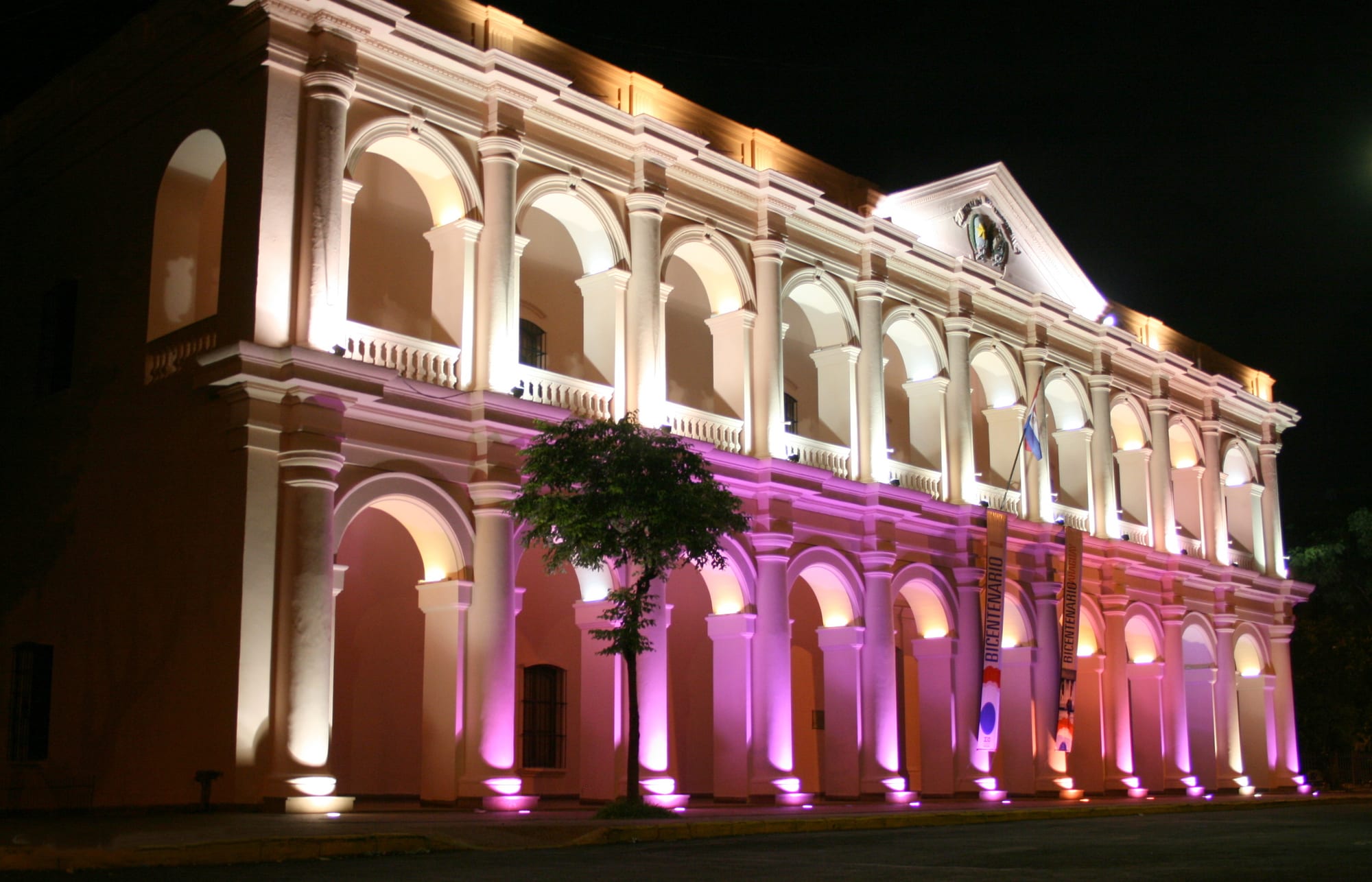
A country that kept its first language
Paraguay is a landlocked country of about 6.9 million people between Argentina, Brazil and Bolivia, split by the Paraguay River into fertile eastern hills and the dry Chaco scrub of the west. It is the only country in the Americas where an Indigenous language — Guaraní — is spoken by the majority of the population, alongside Spanish, by descendants of Spanish and Guaraní alike. Its history is marked by long isolation, two ruinous wars, and a run of strongmen culminating in one of the 20th century's most durable dictatorships.
A short history
- pre-1537
The Guaraní
Semi-settled farming peoples of the forests and rivers.
- 1537
Asunción founded
"The mother of cities" for the Spanish Río de la Plata.
- 1609–1767
The Jesuit reductions
Mission towns of Christianised Guaraní, until the Jesuits are expelled.
- 1811
Independence
Paraguay breaks from Spain and from Buenos Aires.
- 1814–1840
Dr Francia
"El Supremo" seals the country off from the outside world.
- 1864–1870
War of the Triple Alliance
Paraguay fights Brazil, Argentina and Uruguay; a demographic catastrophe.
- 1932–1935
The Chaco War
Paraguay defeats Bolivia over the northern desert.
- 1954–1989
The Stroessner regime
35 years of military dictatorship.
- 1947–2008, 2013–
Colorado Party rule
One party holds the presidency for most of 80 years.
Missions and isolation
The Guaraní who farmed the region were drawn, from 1609, into the Jesuit "reductions" — self-governing mission towns where tens of thousands of Christianised Guaraní lived under Jesuit direction, producing yerba maté and crafts and defending themselves against slave raiders from São Paulo. The reductions were among colonial South America's most striking experiments, and their ruined churches survive as World Heritage sites; the Jesuits' expulsion in 1767 ended them. After independence in 1811, José Gaspar Rodríguez de Francia — "El Supremo" — ruled as absolute dictator until 1840, closing the borders almost completely, confiscating Church and elite property, and enforcing a stark self-sufficiency that also kept Paraguay out of the region's wars.
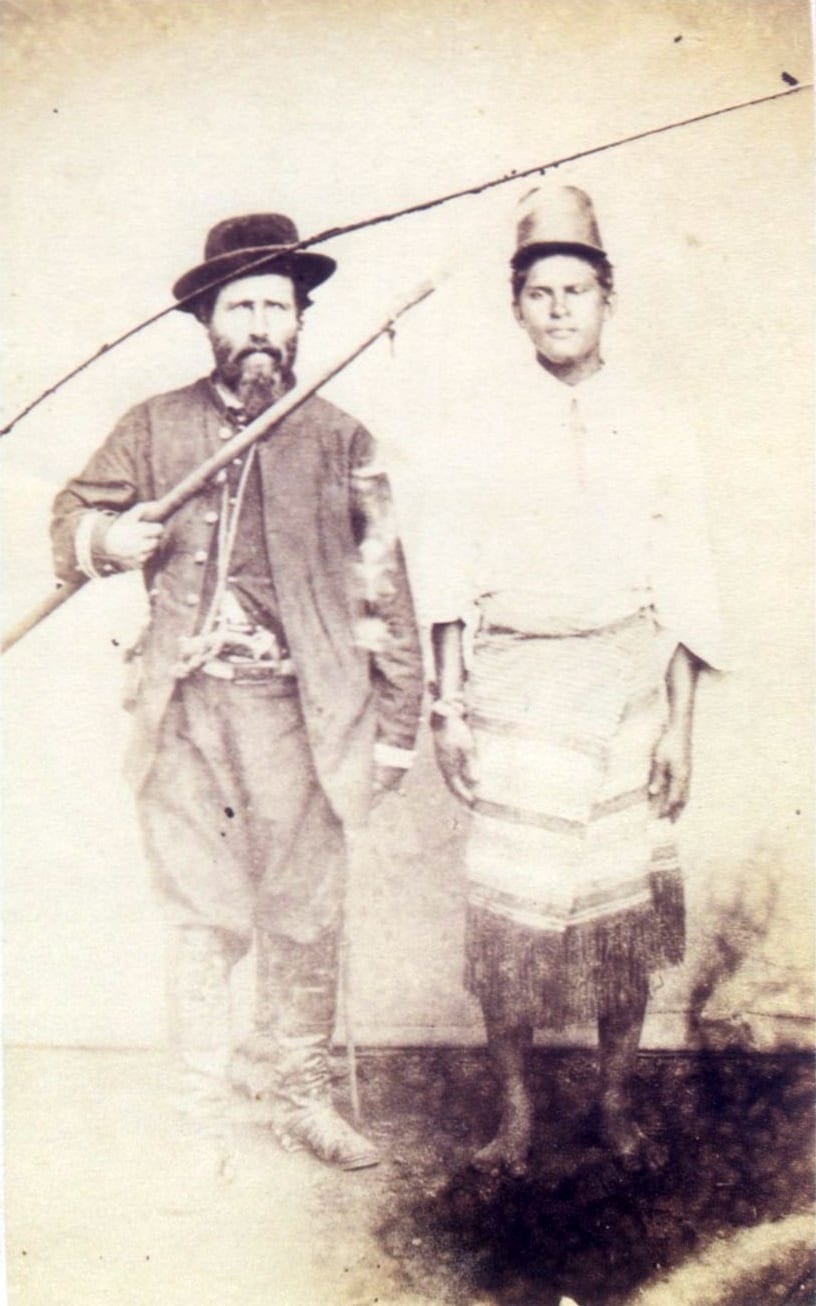
The war that nearly ended the country
Francia's successors, Carlos Antonio López and then his son Francisco Solano López, opened Paraguay somewhat and built railways, a foundry and an army. In 1864 Solano López went to war over regional influence and ended up fighting Brazil, Argentina and Uruguay together. The War of the Triple Alliance lasted almost six years, was fought to López's death at Cerro Corá in 1870, and was one of the deadliest in modern history relative to population: estimates vary, but Paraguay may have lost half or more of its people, and the great majority of its adult men. The victors annexed large territories, and Paraguay spent decades under foreign debt, weak governments and Colorado–Liberal factional strife.
The Chaco, and Stroessner
In 1932 Paraguay and Bolivia — both landlocked, both seeking the Paraguay River and rumoured Chaco oil — fought the Chaco War, the bloodiest inter-state war in 20th -century South America. Paraguay won most of the disputed desert but at a cost of tens of thousands of lives, and the veterans' grievances fed a decade of coups and a brief civil war in 1947. Out of that instability rose General Alfredo Stroessner, who seized power in 1954 and held it for 35 years — the longest continuous dictatorship in Latin American history at the time — through the Colorado Party, the army, rigged elections, torture and exile, and a role as a haven for fugitives, including Nazi war criminals.
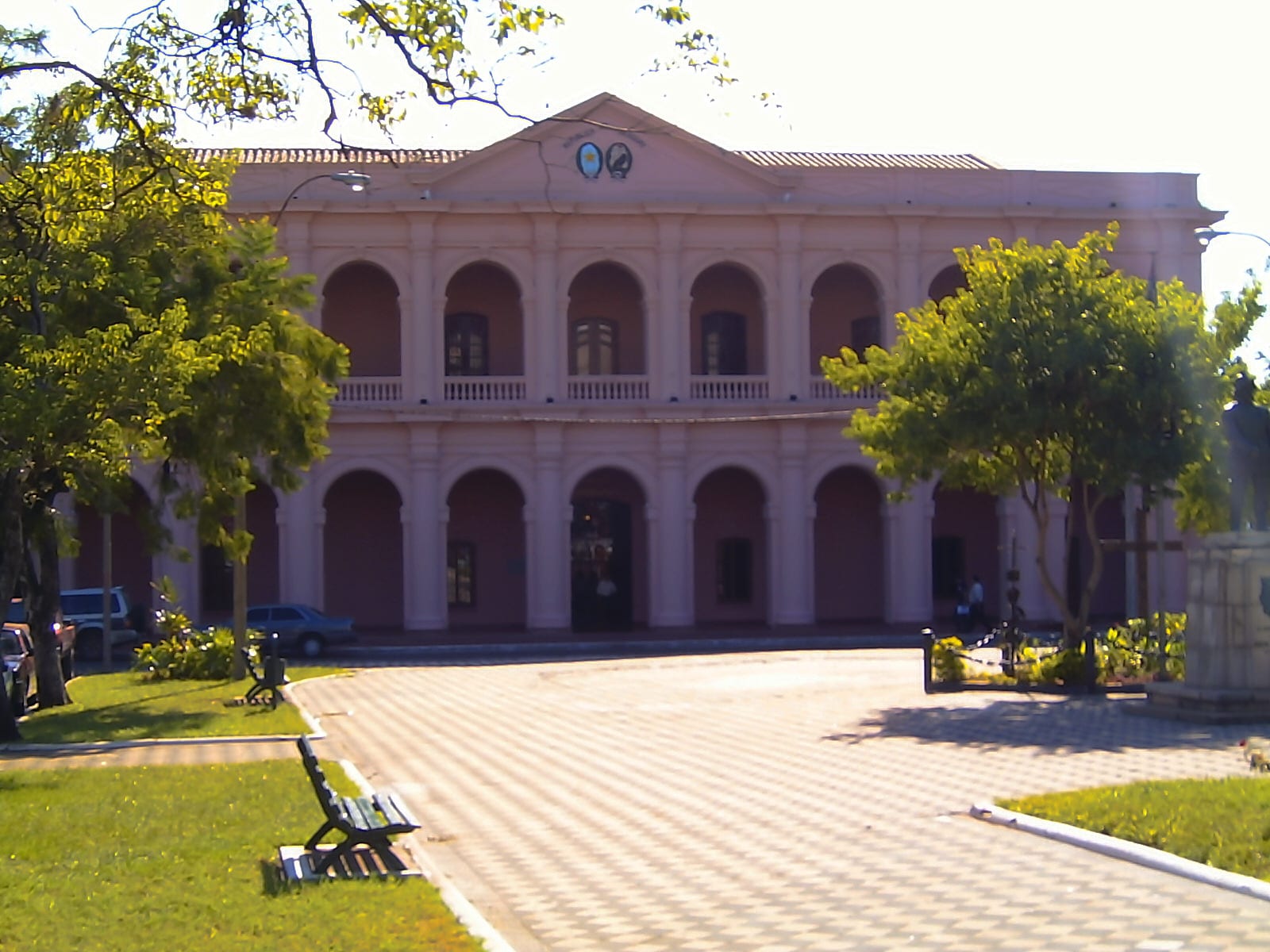
Since 1989
A 1989 coup ended Stroessner's rule, and a 1992 constitution established competitive elections and civil liberties. But the transition was partial: the Colorado Party, the state and the security forces stayed deeply entwined, land ownership remained among the most unequal in the world, and politics has been punctuated by an assassinated vice-president (1999), a near-coup, and the rapid 2012 impeachment of a left-leaning president that neighbours called a "parliamentary coup". The economy has grown on soybeans, beef and hydroelectricity — the binational Itaipú dam on the Brazilian border is one of the world's largest — but with weak institutions, high informality, and persistent smuggling and corruption.
What Paraguay carries
Paraguay's isolation was first chosen, under Francia, and then imposed by geography, debt and defeat. The War of the Triple Alliance is the hinge of its history — a loss so total that the modern nation was in a sense rebuilt from it — and the Colorado Party's grip, spanning the Stroessner dictatorship and the democracy that followed, has given the country an unusual political continuity through it all. The Guaraní language, spoken across every class, is the clearest sign of how much of the pre-conquest country survived.