Attractions & Natural Wonders · Paraguay
Paraguay: Seven Attractions and Natural Wonders
The red sandstone ruins of Jesuit mission towns once home to a self-governing Guaraní republic, the world's second-largest hydroelectric dam, and a vast thorn-forest wilderness few travellers ever cross
By Worldlore Editorial · 9 September 2026
South America's landlocked crossroads
Paraguay, landlocked between Argentina, Brazil, and Bolivia, is one of South America's least-visited countries, but holds a genuinely distinctive history — most strikingly the Jesuit reductions, self-governing mission towns where Guaraní communities lived under Jesuit protection relatively free of colonial exploitation, until the order's expulsion in 1767. It also spans two very different landscapes: a fertile, populated east and the vast, dry Gran Chaco wilderness stretching west, one of South America's last great wild frontiers.
The seven below run from the mission ruins in the south to the capital, the world's largest dam, and the Chaco frontier. The dry season (roughly May to September) is generally more comfortable, though Paraguay is hot and humid much of the year.
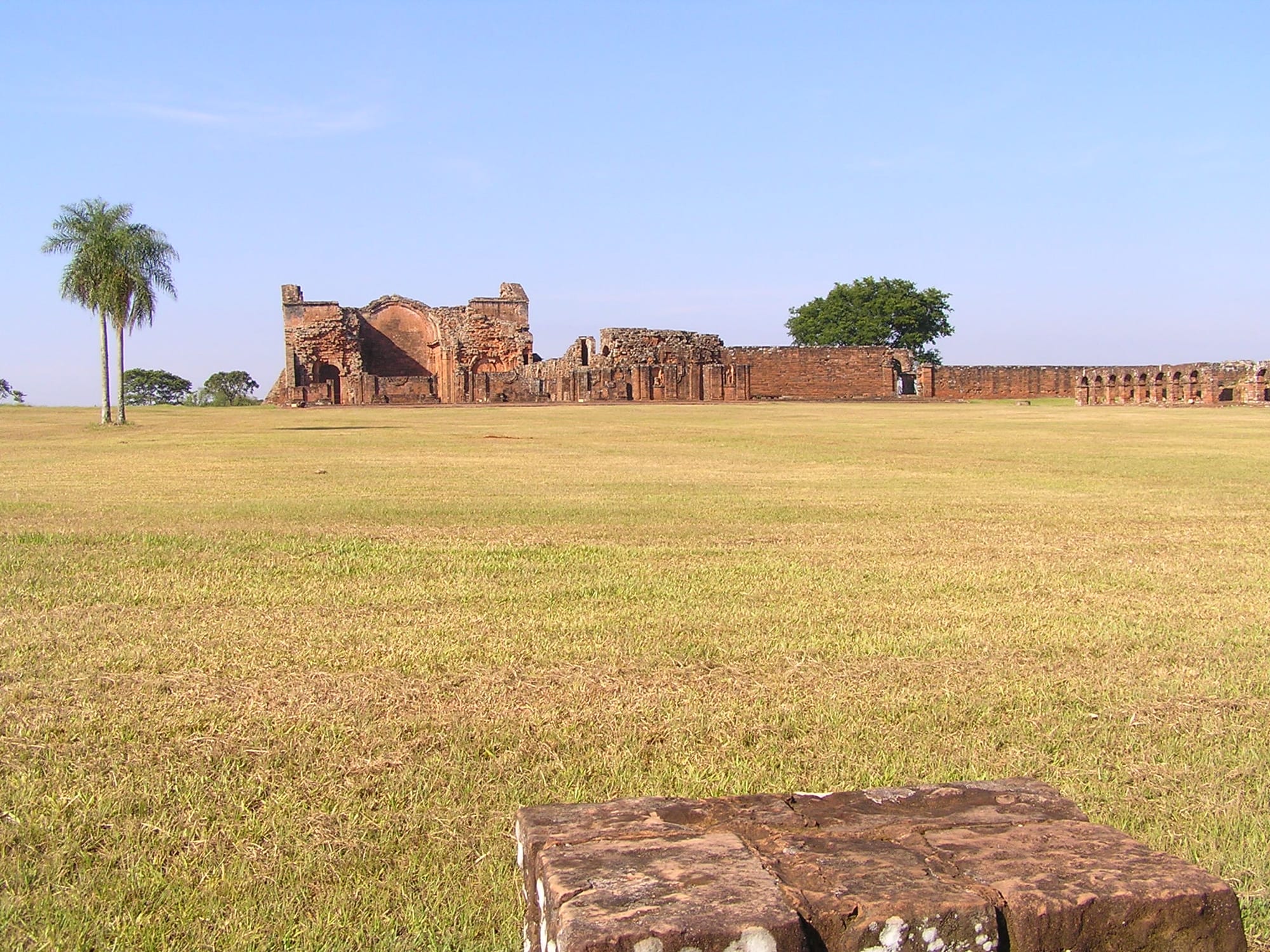
1. The Jesuit Missions of Trinidad and Jesús
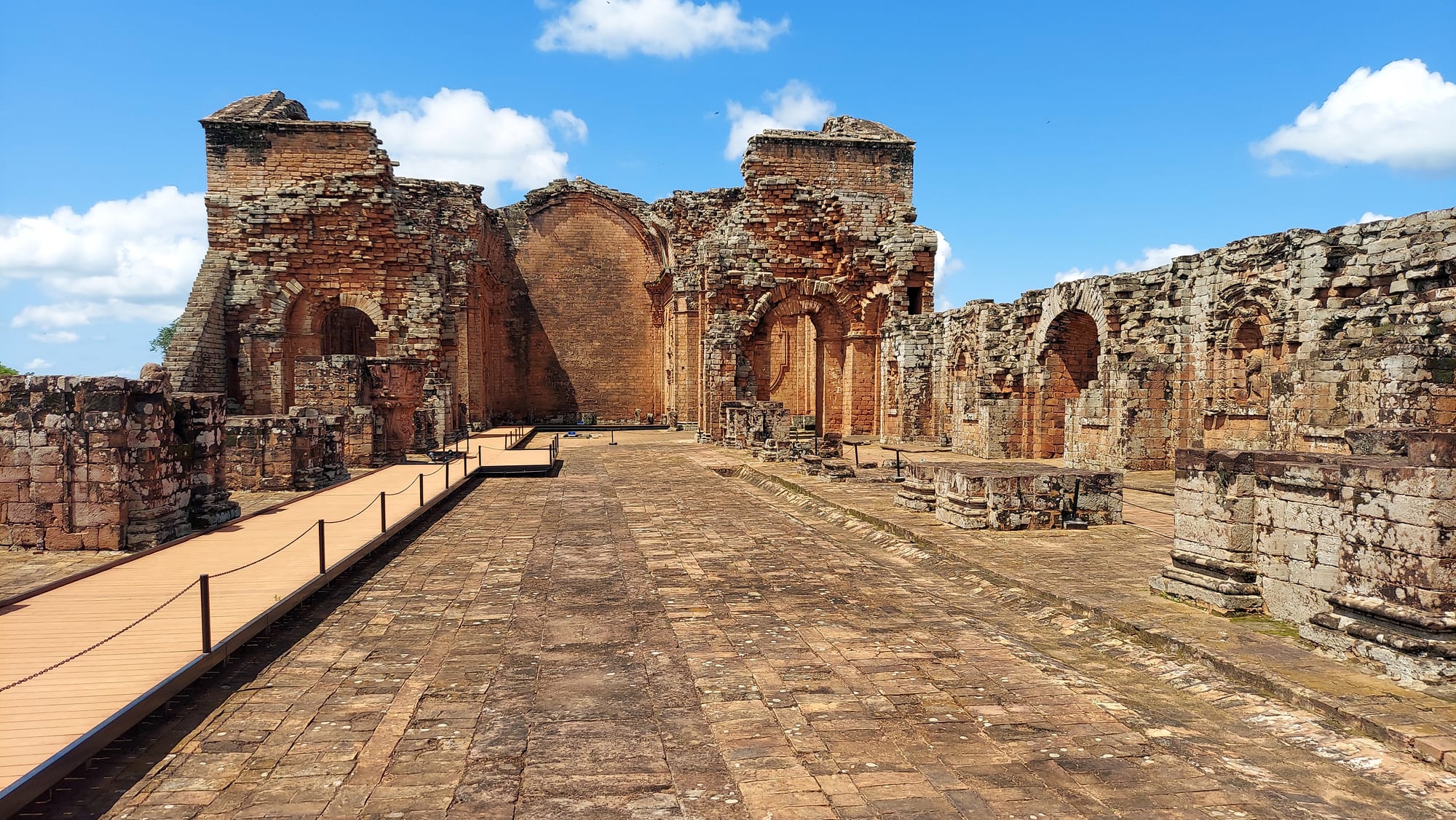
Trinidad and Jesús de Tavarangue, roughly 30 kilometres apart in southeastern Paraguay, preserve the finest-surviving examples of the roughly 30 Jesuit reductions once spread across the region — red sandstone churches, schools, and workshops built by Guaraní craftsmen under Jesuit guidance, forming self-sufficient communities that briefly resisted the slave-raiding and exploitation common elsewhere in colonial South America. Both sites are UNESCO World Heritage Sites and among the best-preserved Jesuit mission ruins anywhere in the Americas.
2. Asunción and the National Pantheon
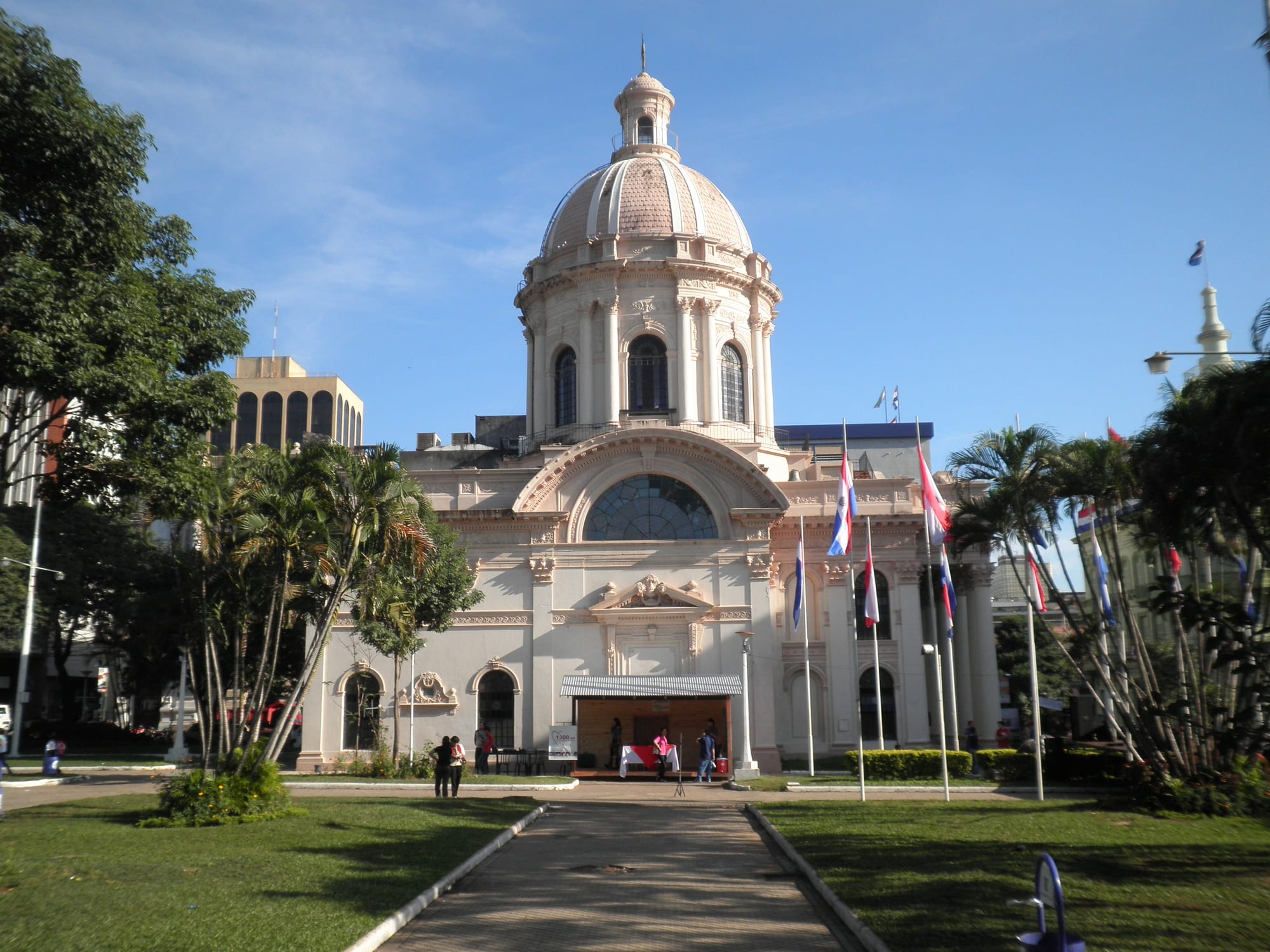
Asunción, one of the oldest cities in South America (founded in 1537), holds the National Pantheon of the Heroes, a domed monument modelled on Paris's Les Invalides that holds the remains of Paraguay's independence heroes and guards permanently posted outside. The wider city mixes colonial and early-20th-century architecture with a riverside setting on the Paraguay River, and serves as the practical base for reaching most other sights in this list.
3. The Itaipu Dam
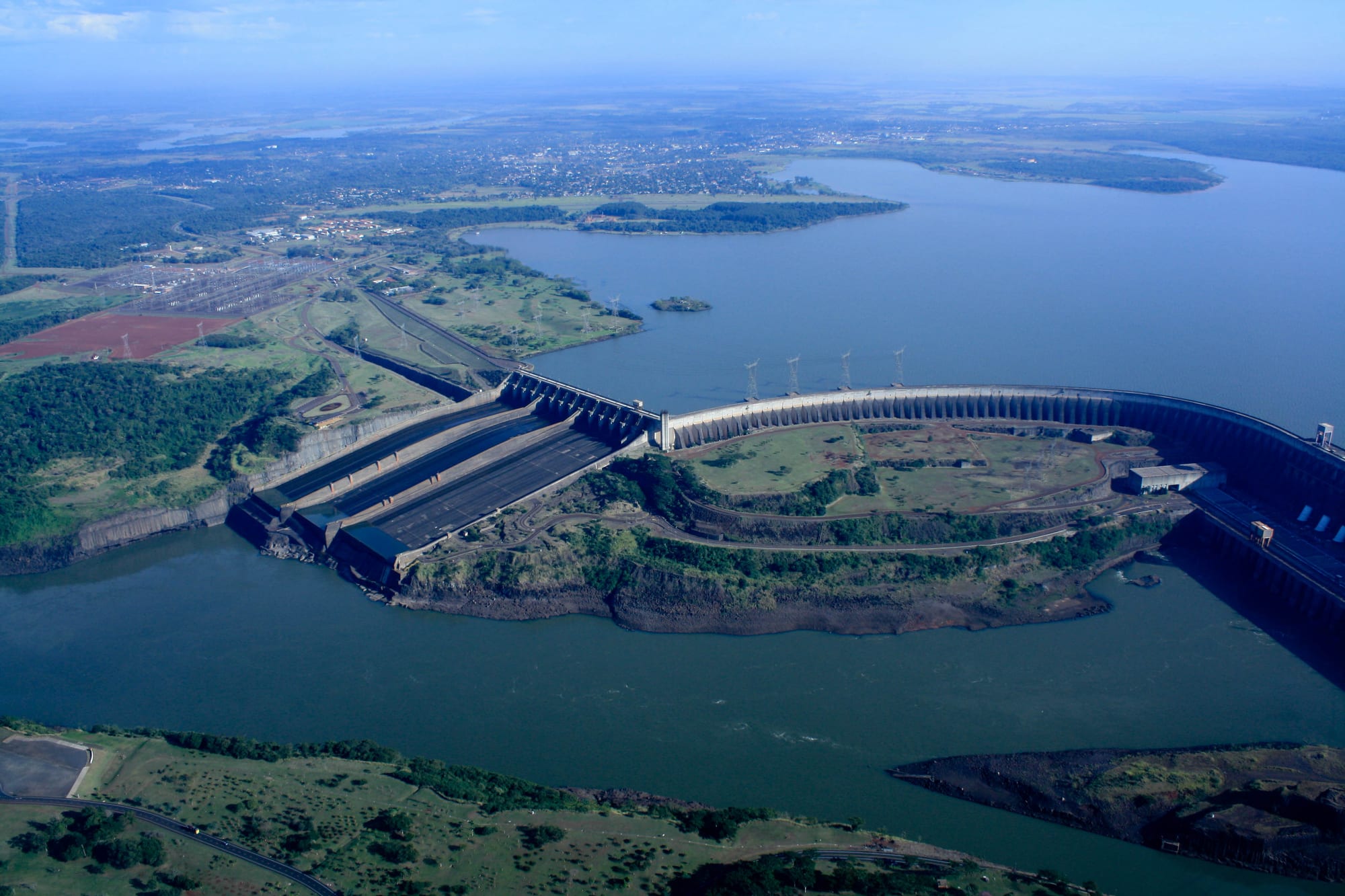
The Itaipu Dam, built jointly with Brazil on the Paraná River, is among the largest hydroelectric plants on earth by output, generating a significant share of both countries' electricity, and briefly the world's largest dam by construction volume when completed in the 1980s. Guided tours take visitors across the structure itself, with an observation deck giving a sense of its sheer scale.
It is often combined with a stop at nearby Ciudad del Este.
4. Ciudad del Este
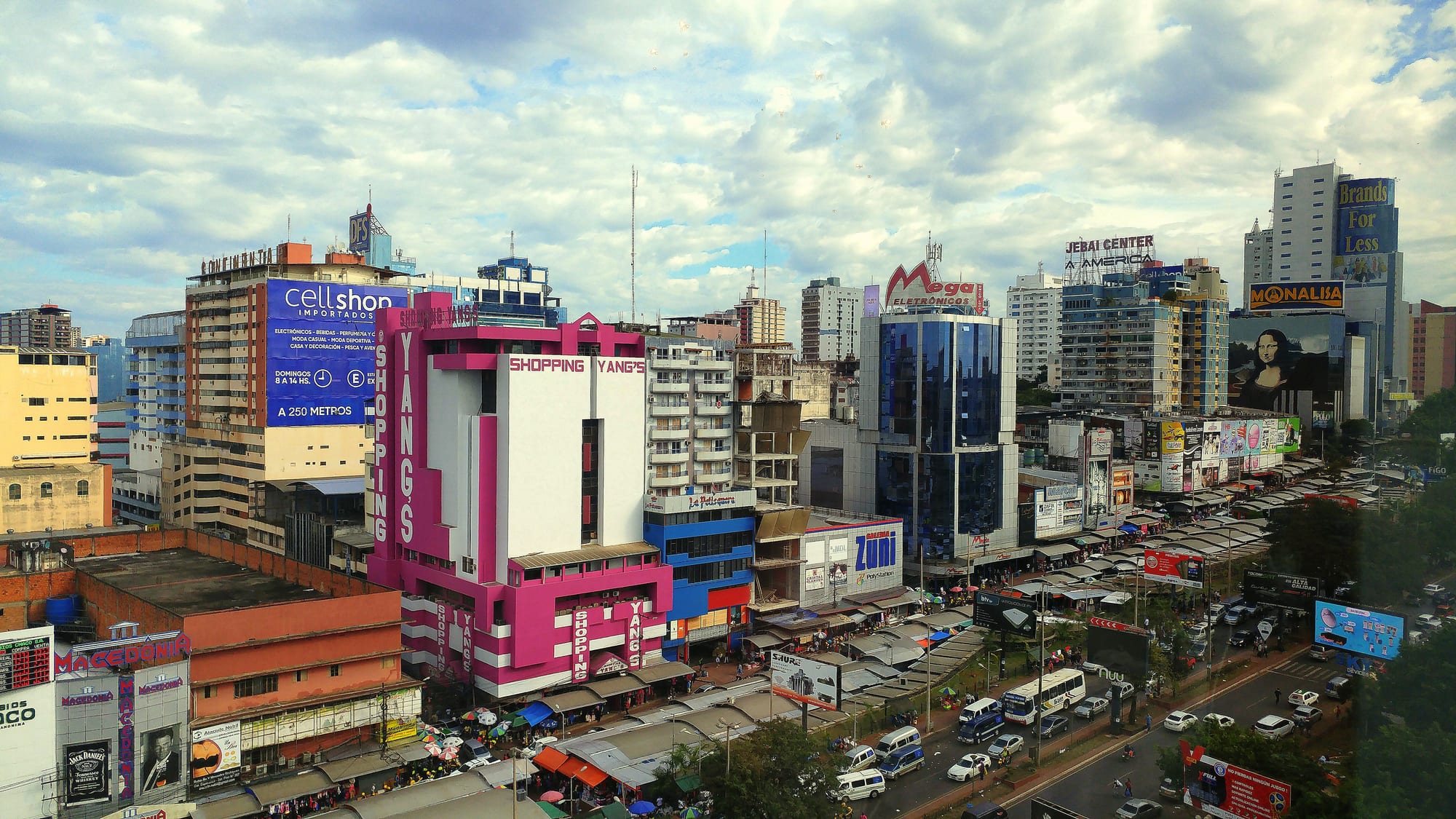
Ciudad del Este, on the border with Brazil and a short distance from Argentina, grew around duty-free commerce into one of the busiest trading hubs in South America, drawing shoppers from all three neighbouring countries. It sits close enough to Brazil's Iguazu Falls that many visitors combine a stop here with a trip to the falls from the Brazilian or Argentine side.
5. Ybycuí National Park
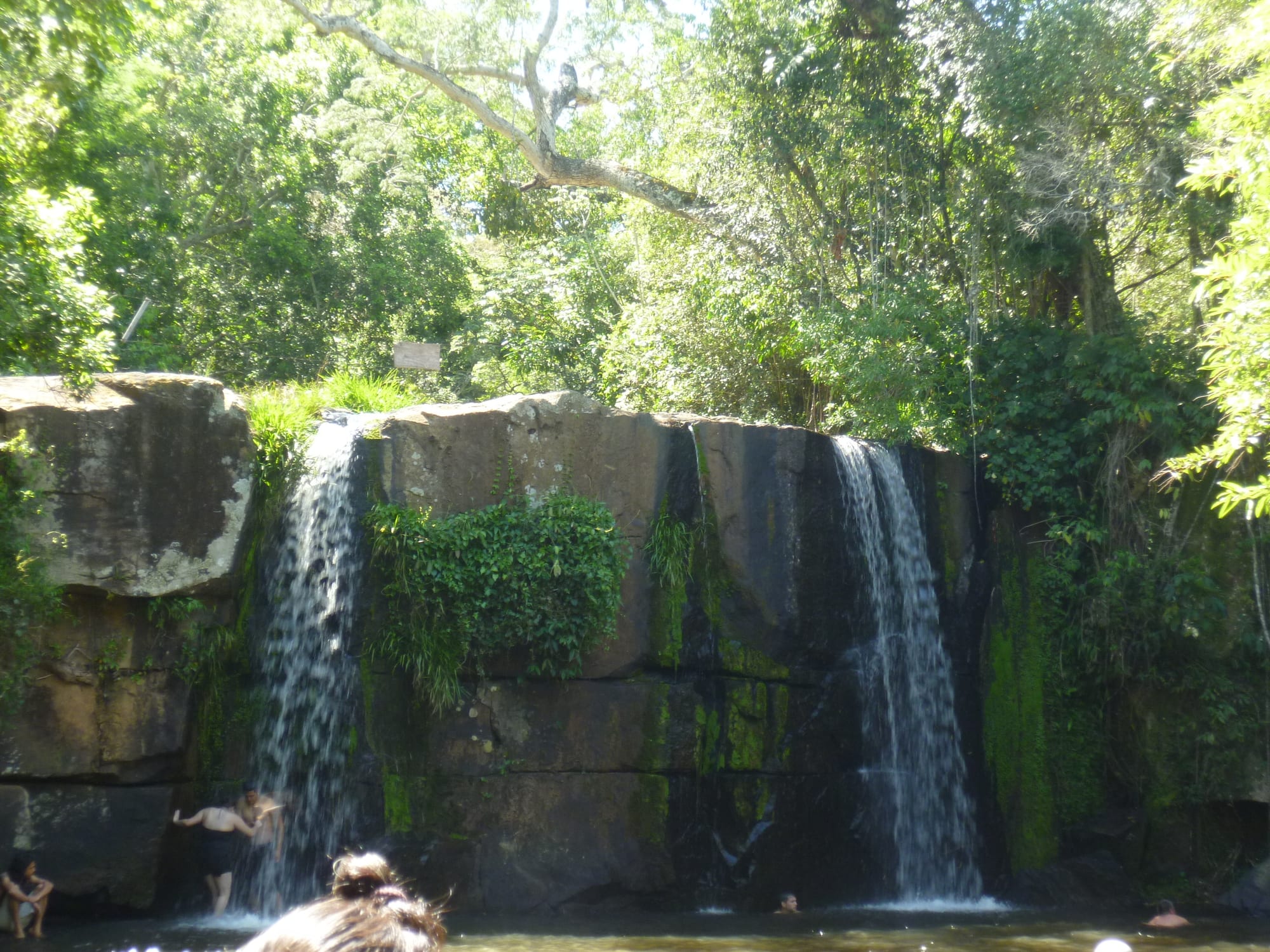
Ybycuí National Park, in the hills southeast of Asunción, protects one of the country's last significant remnants of Paraguayan Atlantic Forest, with waterfalls, hiking trails, and the ruins of a 19th-century iron foundry that once supplied the Paraguayan military. It is one of the more easily reached natural escapes from the capital.
6. The Gran Chaco
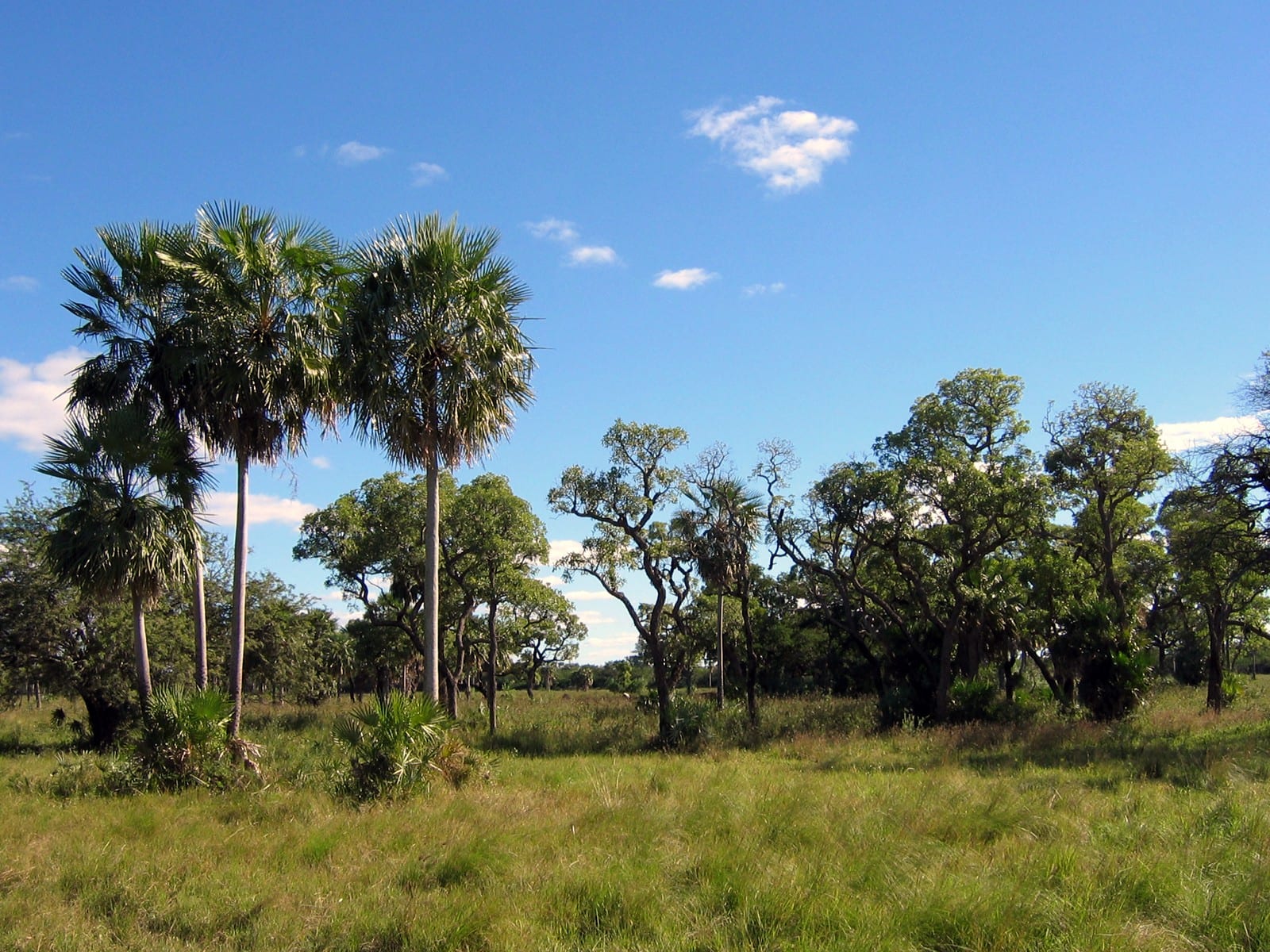
The Gran Chaco, covering roughly 60 percent of Paraguay's territory but home to only a small fraction of its population, is one of South America's last great wilderness frontiers — a vast, thinly populated expanse of dry forest and scrub shared with Argentina, Bolivia, and Brazil, home to jaguars, giant armadillos, and Mennonite farming colonies that have settled parts of it since the 1920s. It remains difficult to access and see in depth without significant time and, generally, a specialist guide.
7. Rural life around the missions
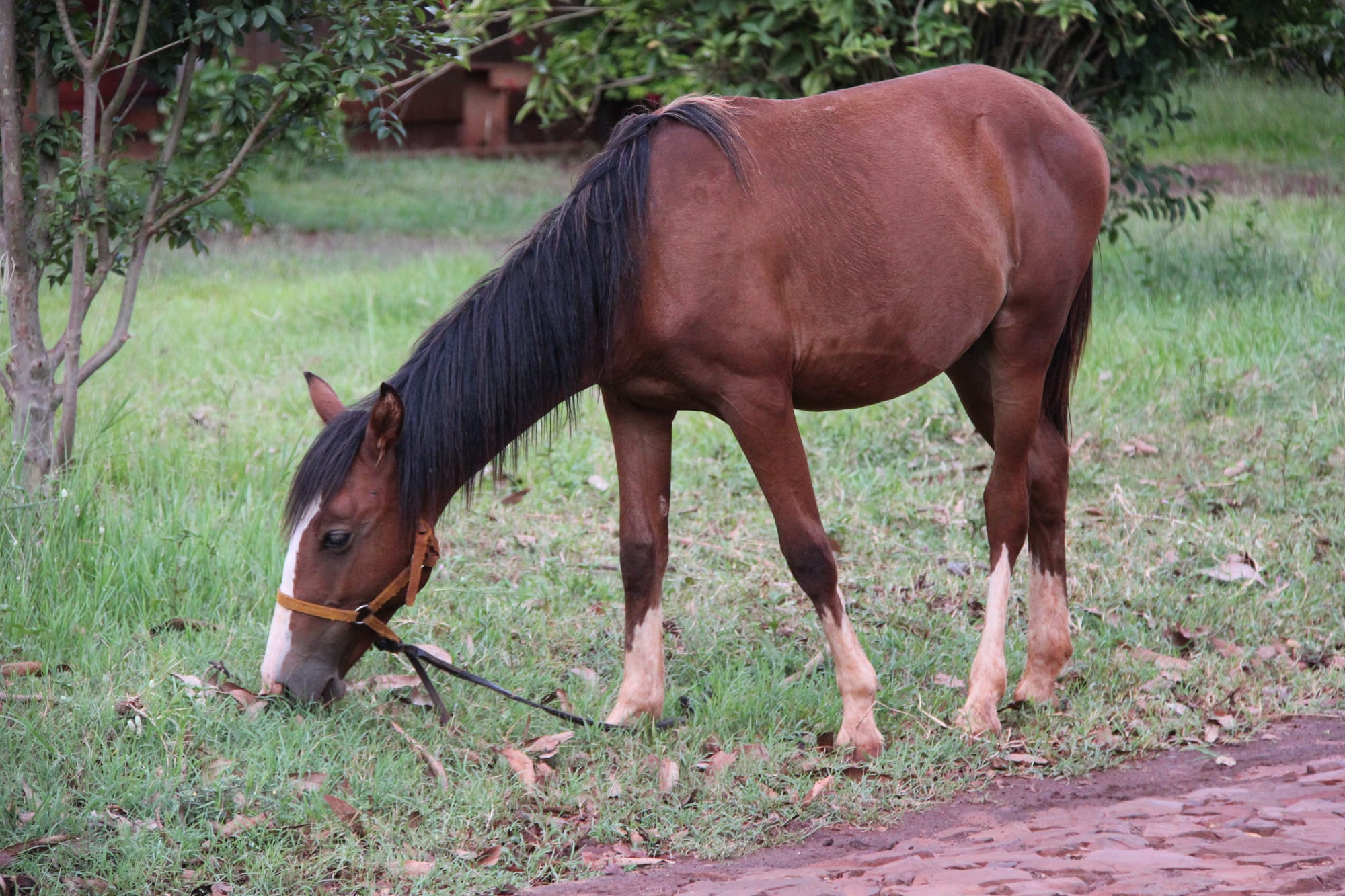
The countryside around Trinidad and Jesús remains predominantly agricultural, much as it has been since the mission era — small farms and grazing land surrounding the ruins give a sense of how the reductions once functioned as working agricultural communities, not just religious sites, and the region retains a strong Guaraní cultural presence in language and daily life.
Paraguay suits a modest week-long trip focused on Asunción and the southern mission towns; a serious Gran Chaco expedition is a substantially different, longer undertaking best arranged with a specialist operator.