Daily Life · Paraguay
Paraguay: A Country That Shares Its Straw
A household language that mixes Spanish and Guaraní without thinking about it, a long midday pause that still quietens the streets outside the capital, and a cold yerba mate ritual passed from hand to hand through a single metal straw all day long
By Worldlore Editorial · 30 September 2026
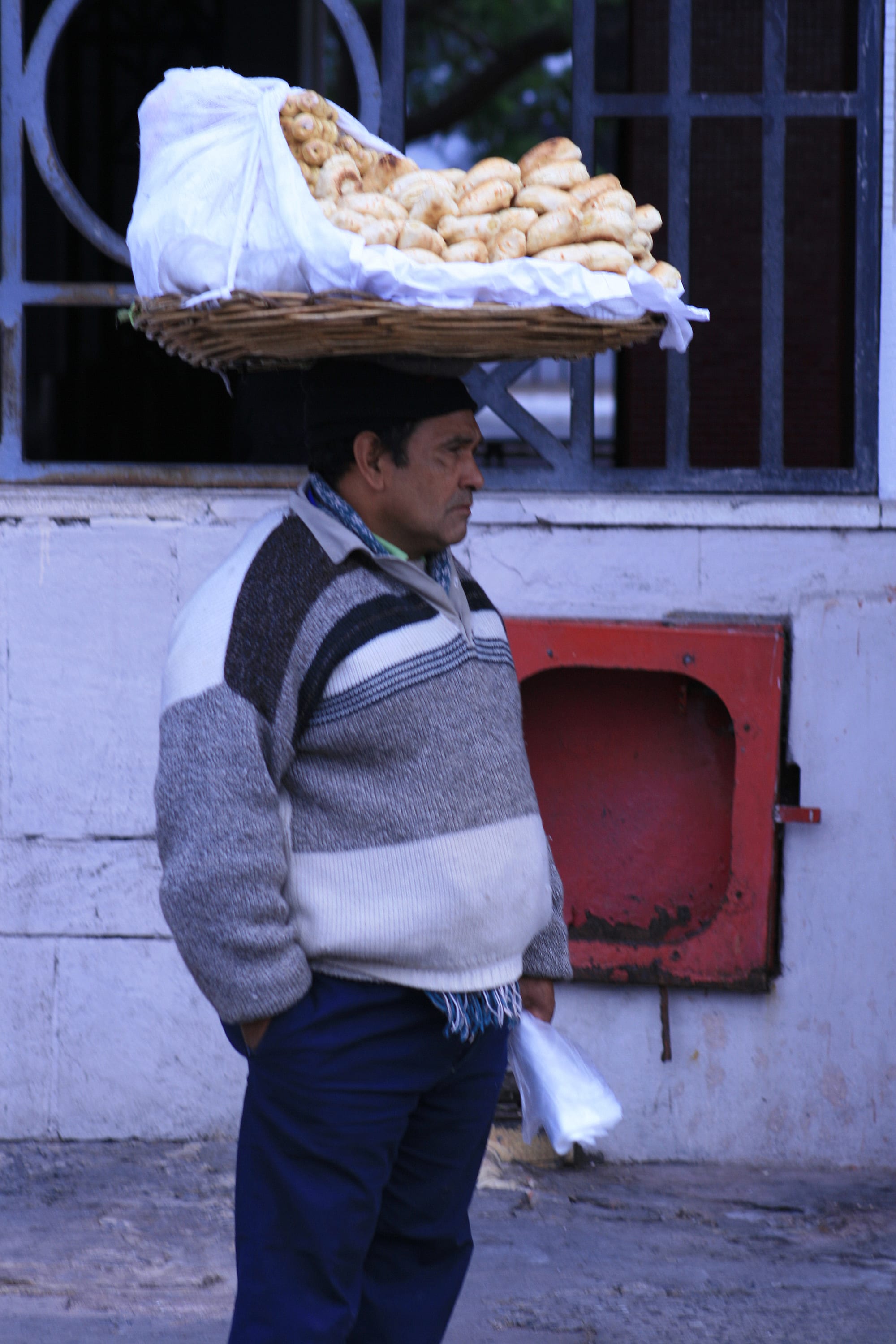
Paraguay is one of the few countries in the Americas where an Indigenous language dominates everyday speech: around nine in ten people speak Guaraní, many as their home language, and ordinary conversation nationwide slides freely between Guaraní and Spanish in a mix known as jopará. Life moves at a different pace than the hot climate might suggest — a long midday pause is still normal outside the capital — and running through the whole day, in homes, offices, buses and the street alike, is tereré, cold yerba mate poured from a shared thermos and passed hand to hand through one metal straw.
Family and home life
Households mix nuclear and extended patterns depending on region and income: in the countryside, where much of the population still lives, larger and extended households are more common, while urban households in Asunción and the larger towns tend to be smaller. Catholicism runs deep through family life, and the pilgrimage to the Virgin of Caacupé on 8 December, the country's patron saint's day, draws relatives back together from across the country each year. Language at home is rarely a single choice: children commonly grow up hearing and using both Spanish and Guaraní within the same conversation, and which one comes out first often depends on who else is in the room. Sharing tereré is a constant thread through the household day, prepared in a shared vessel and passed around rather than poured into separate cups.
Work, school and the rhythm of the day
The economy runs heavily on agribusiness — soybeans, beef and maize — and on cheap hydropower from the Itaipú and Yacyretá dams, most of which is sold on to Brazil and Argentina rather than used at home, alongside widespread informal work and one of the world's most unequal land distributions. A long midday break still closes many shops and offices, especially outside Asunción and during the hottest months, echoing the siesta tradition found elsewhere in South America. Both Spanish and Guaraní are official languages and both are used in schools, though the balance varies between schools and regions; Guaraní was banned from state schools for more than a century. Ciudad del Este, near the Brazilian and Argentine borders, anchors a huge cross-border trade economy, as one of the largest free-trade zones in the world, distinct from the agricultural rhythm of the rest of the east.
Community life and public spaces
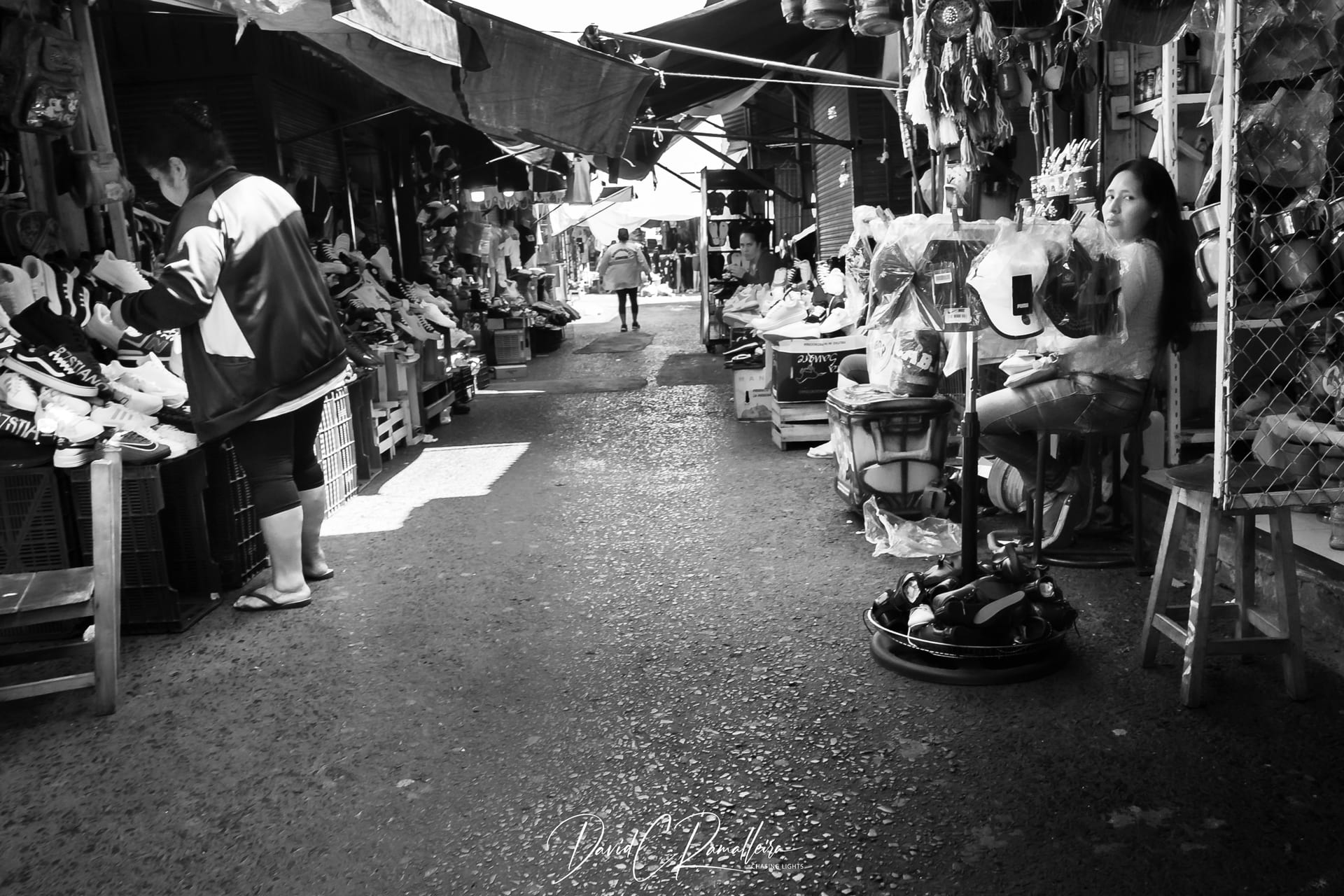
Mercado 4 in Asunción, a dense cluster of tightly packed stalls and corridors, is the country's best-known market and one of the real hubs of everyday public life in the capital, selling everything from fresh produce to clothing and household goods. Smaller municipal markets and street vendors carrying chipa, fruit and sweets play the same role at a village and neighbourhood scale across the rest of the country. Long-distance buses, rather than any working passenger railway, connect towns and cities, with a solid network running from Asunción to Encarnación, Ciudad del Este and across the Chaco. Throughout the day, in offices, market stalls, bus queues and front porches, tereré is shared between whoever happens to be present, making it one of the most visible threads of public life outside any single venue.
Free time and weekends
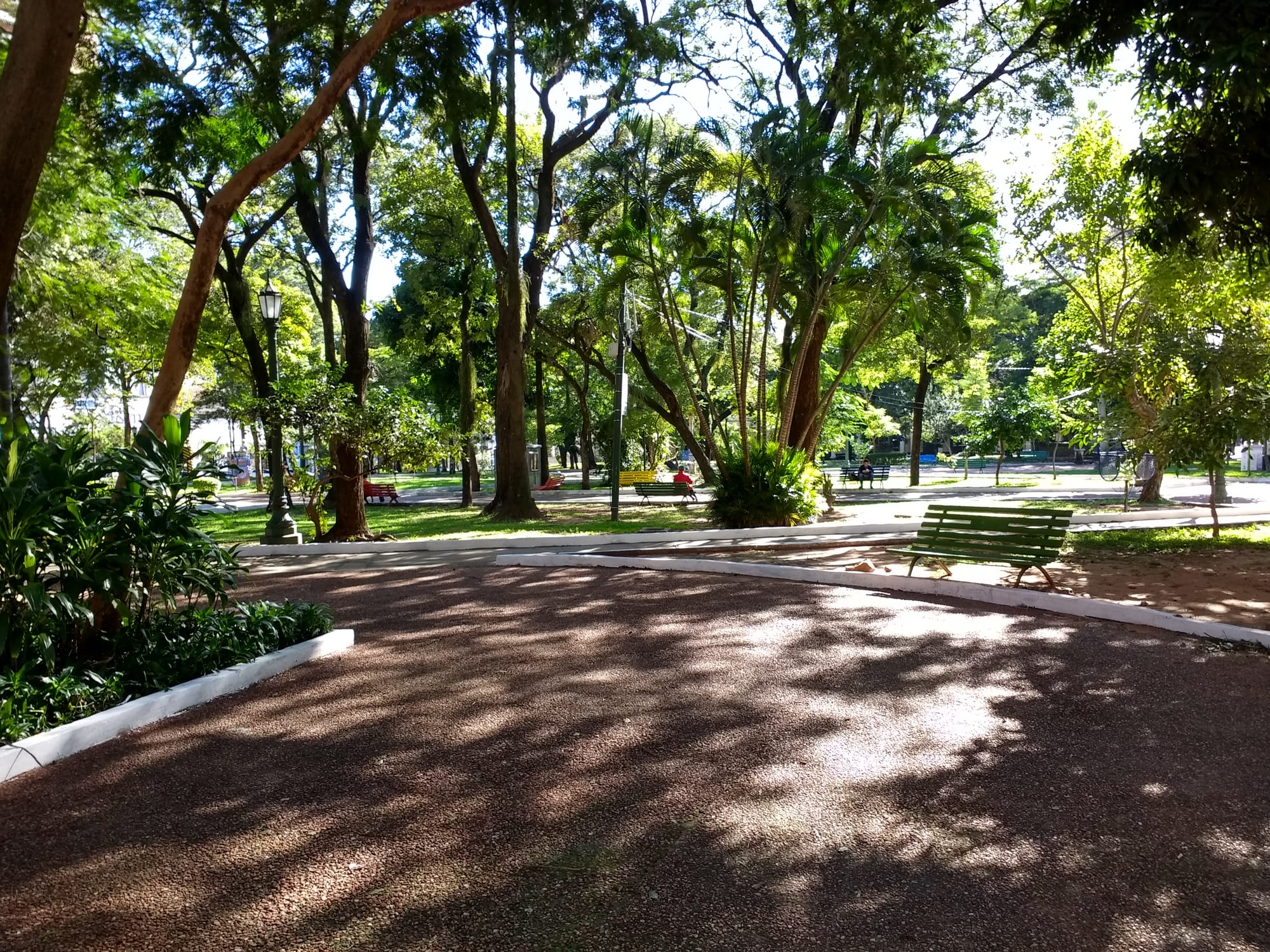
Football is the country's most popular sport, followed closely and watched collectively whenever the national team plays. City plazas, such as Plaza Uruguaya in Asunción, serve as the everyday gathering point for free time: people meet there to sit, talk and drink tereré together under the trees. June brings the San Juan festivities, with traditional fire games held in towns across the country, and Encarnación hosts Paraguay's best-known Carnival in January and February. The Caacupé pilgrimage on 8 December remains one of the great gatherings of the year, drawing pilgrims from every part of the country to the Basilica of the Virgin of Caacupé.
A visitor's ordinary day
Paraguay is largely a cash economy outside Asunción, in guaraníes, one of the region's lowest-denomination currencies, so it is normal for prices to run into the tens or hundreds of thousands; card acceptance is decent in the capital but thin elsewhere, and ATMs in the interior can be unreliable. Expect a genuine midday lull outside the capital, when shops and offices may close for a couple of hours in the heat. Long-distance buses are the practical way to travel between cities, since there are few domestic flights and no working passenger railway; driving rural roads and the long Chaco highway after dark is best avoided because of livestock, motorbikes and poor lighting. Petty theft occurs around Asunción's downtown and market areas and especially in Ciudad del Este, so keeping valuables out of sight in crowded market lanes is a sensible habit, and the northern border departments are best avoided given ongoing drug-trafficking violence there.
What to take away
An ordinary day in Paraguay runs on two languages spoken as one and on a single shared drink passed from hand to hand through whatever the day brings — a small, practical ritual that says more about how closely Paraguayans keep each other's company than any single custom could on its own.