Food · Papua New Guinea
Papua New Guinea: Food and the National Dish
An earth-oven feast of meat, root vegetables and greens, cooked the same way across a country of more than 800 languages
By Worldlore Editorial · 16 September 2026
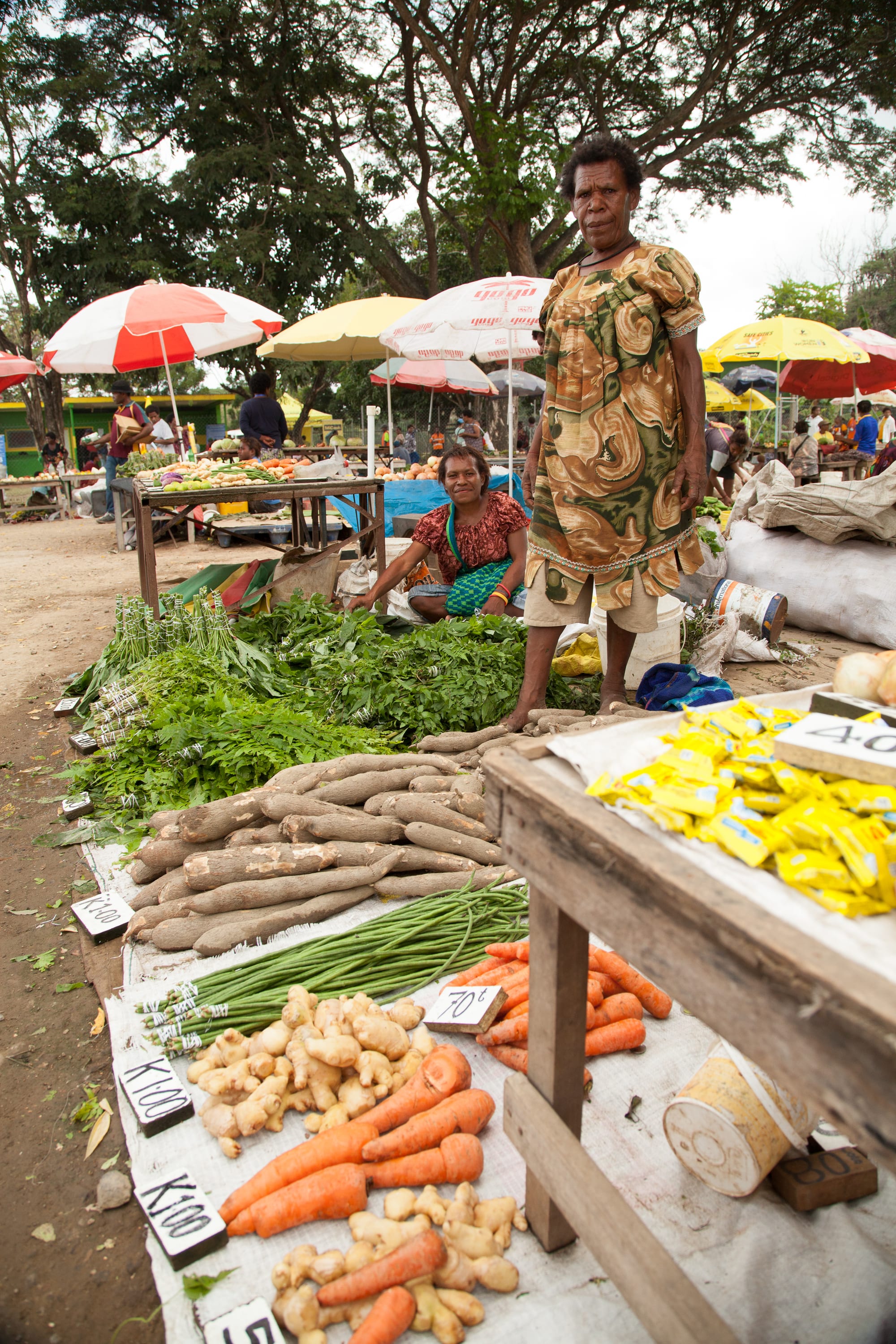
A cuisine grown from hundreds of local food traditions
Papua New Guinea is home to more than 800 languages and an equally varied range of local food traditions, shaped by highlands, coastline, rivers and islands that each grow, catch or hunt something different. What ties this diversity together is not one dish eaten daily nationwide, but a shared cooking method used for the country's biggest occasions.
The national dish: mumu
Mumu, meat, usually pork, and root vegetables such as sweet potato and taro, along with greens, all wrapped in leaves and cooked together in a pit of heated stones buried underground, is Papua New Guinea's national dish. Traditionally prepared for feasts, weddings and other significant gatherings, mumu brings together contributions from an entire community and is cooked the same fundamental way, stones, earth and leaves rather than pots and pans, across highland and coastal regions alike.
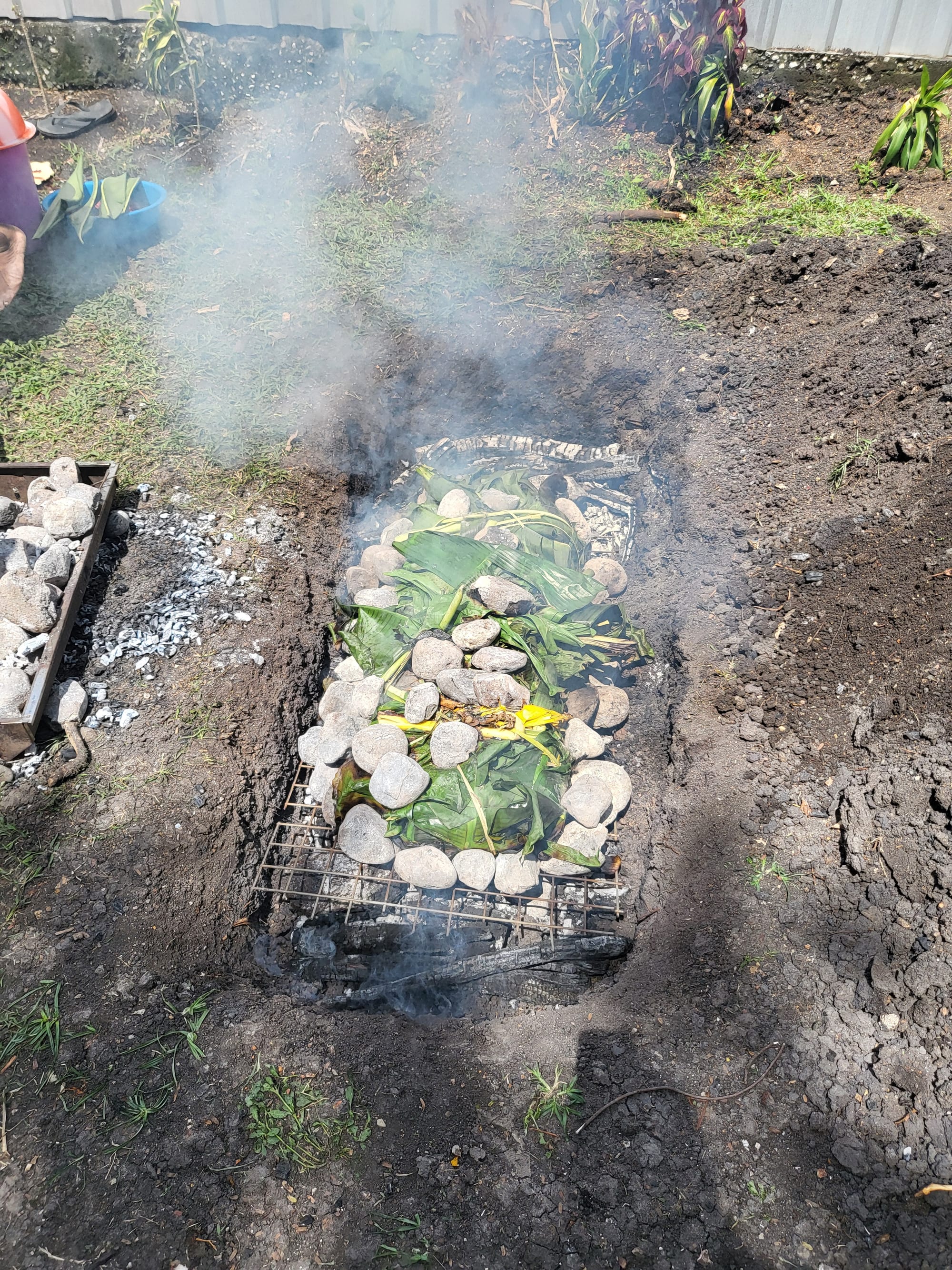
Sago, root vegetables and a genuinely regional pantry
Sago, a starch extracted from the pith of the sago palm and a genuine everyday staple in the Sepik River lowlands and other parts of the country, sits alongside sweet potato, taro and other root vegetables that dominate highland diets. Coconut, greens and fish along the coast, and pork reserved largely for special occasions, round out a pantry that varies noticeably from one region to the next.
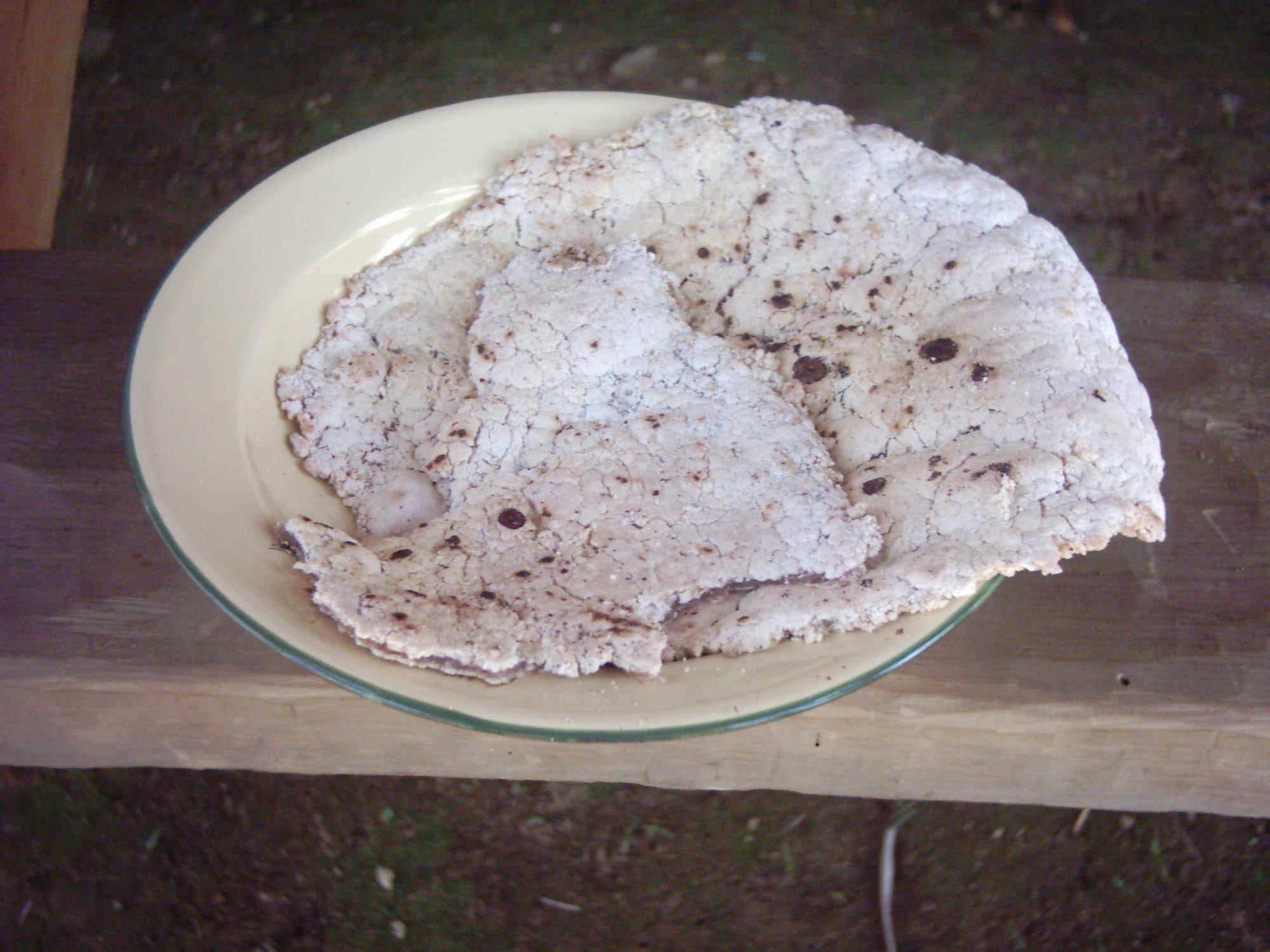
History behind the earth oven
Papua New Guinea's highlands were isolated from the coast and from each other for long stretches of history by steep mountain terrain, which allowed hundreds of distinct languages and food traditions to develop largely independently. The mumu's earth-oven method, requiring no metal pots, predates significant outside contact and remains the one cooking tradition genuinely shared across this otherwise highly localised culinary map.
Dishes to know
Five more to recognise across Papua New Guinea:
- Sago pancake — sago starch mixed with water and cooked flat, a
staple in the Sepik River lowlands.
- Kaukau — sweet potato, the dominant highland staple crop, eaten
boiled or roasted.
- Saksak — sago prepared in various forms, sometimes combined with
coconut milk.
- Betel nut — chewed rather than eaten, a widely used social stimulant
sold at markets nationwide.
- Coconut-based fish — fish cooked in coconut milk, common along the
coast and islands.
Drinks
Coffee, grown in the highlands and increasingly recognised internationally for its quality, is a genuine national export as well as a local drink. Fresh coconut water and tea are common everyday refreshments, and beer, particularly the locally brewed South Pacific lager, is widely drunk in towns.
Eating as a traveller
Vegetarians will find root vegetables, greens and coconut-based dishes manageable, though meat is central to mumu and most feast-day cooking. Tap water is not reliably safe outside major towns; bottled or boiled water is the safer default. Visiting a local market, such as Port Moresby's Gerehu markets, offers a genuine look at the sheer range of produce grown across the country's different regions.
What to take from the table
Mumu, cooked underground for the biggest occasions, is the one dish that reaches across Papua New Guinea's hundreds of local food traditions — a shared method holding together a genuinely diverse culinary map.