History · Papua New Guinea
Papua New Guinea: A Thousand Nations
The most linguistically diverse country on Earth — highland societies unknown to the outside world until the 1930s, a colony split between Germany, Britain and Australia, a Pacific War battleground, and a fragile democracy troubled by a secession war on Bougainville
By Worldlore Editorial · 10 September 2026
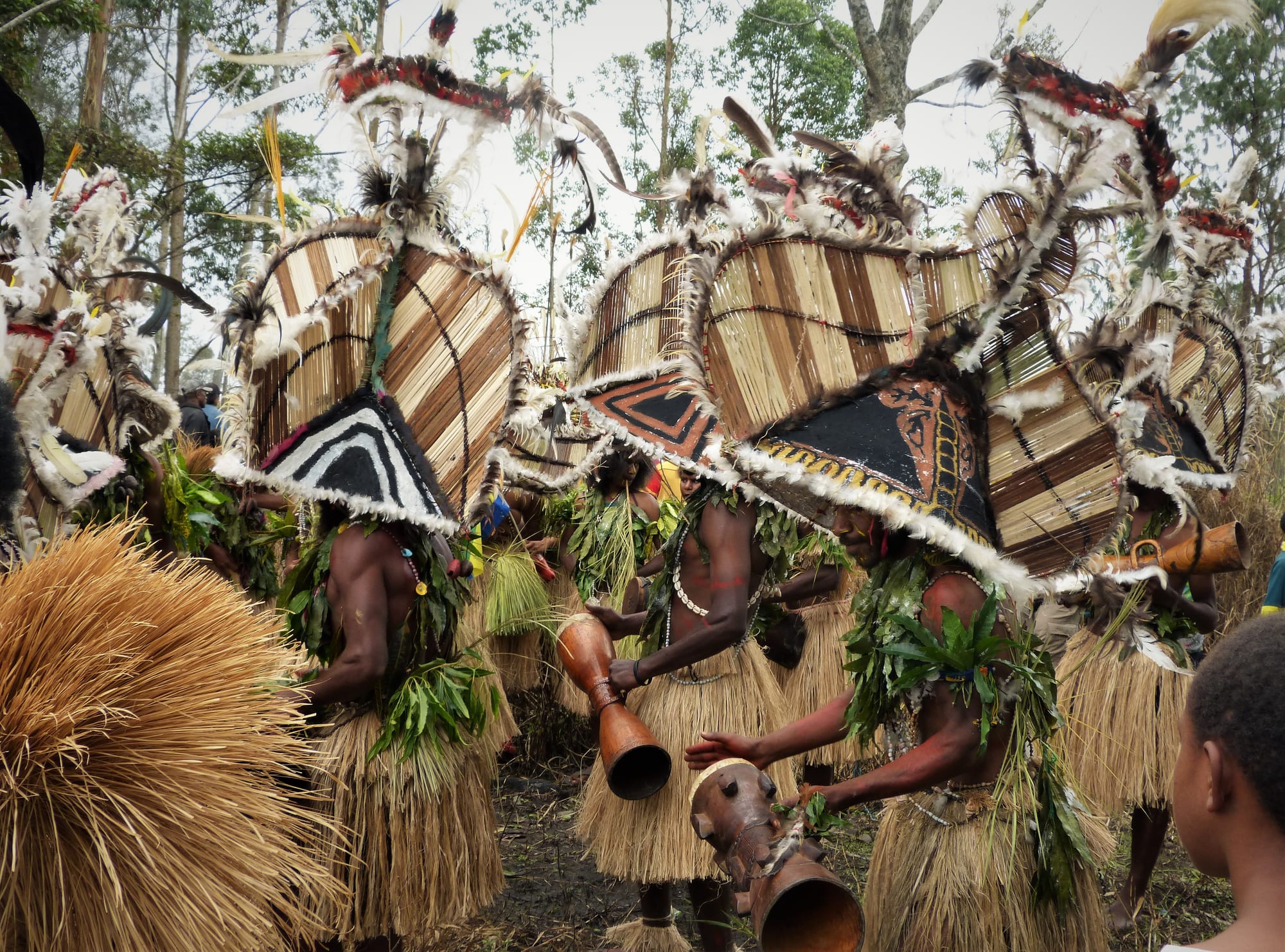
The most diverse country on Earth
Papua New Guinea occupies the eastern half of the island of New Guinea and hundreds of smaller islands. Its terrain — a spine of high mountains, dense rainforest, wide swamps — kept communities apart for millennia, and the result is extraordinary diversity: over 800 languages, most spoken by a few thousand people, and a society still largely organised around clans and customary land, which covers about 97 per cent of the country. Much of the highland interior, home to a million people, was unknown to the outside world until Australian gold prospectors walked into it in the early 1930s.
A short history
- c. 50,000 years ago
Settlement
Among the first regions settled by modern humans.
- c. 7000 BCE
Agriculture
Independent invention of farming at Kuk Swamp.
- 1526
European sighting
A Portuguese navigator names the island.
- 1884
Partition
Germany takes the north-east, Britain the south-east.
- 1906
Papua to Australia
Britain transfers its territory to Australia.
- 1914–1921
Australia takes the north
German New Guinea is seized, then held under mandate.
- 1942–1945
The New Guinea campaign
Fierce fighting between Japan and the Allies.
- 1975
Independence
Papua New Guinea becomes sovereign under Michael Somare.
- 1988–1998
The Bougainville war
A secessionist conflict over a giant copper mine; around 15,000–20,000 dead.
- 2019
Referendum
Bougainville votes almost unanimously for independence.
Deep time
People reached New Guinea at least 50,000 years ago, when it was joined by land to Australia. At Kuk Swamp in the highlands, drainage ditches show that agriculture — taro, bananas, yams — was developed independently around 9,000 years ago, one of a handful of places in the world where farming was invented rather than borrowed. The highland valleys supported dense populations of gardeners and pig-keepers, divided into small groups in a state of shifting alliance and warfare, and with no contact with the coast, let alone with Europe.
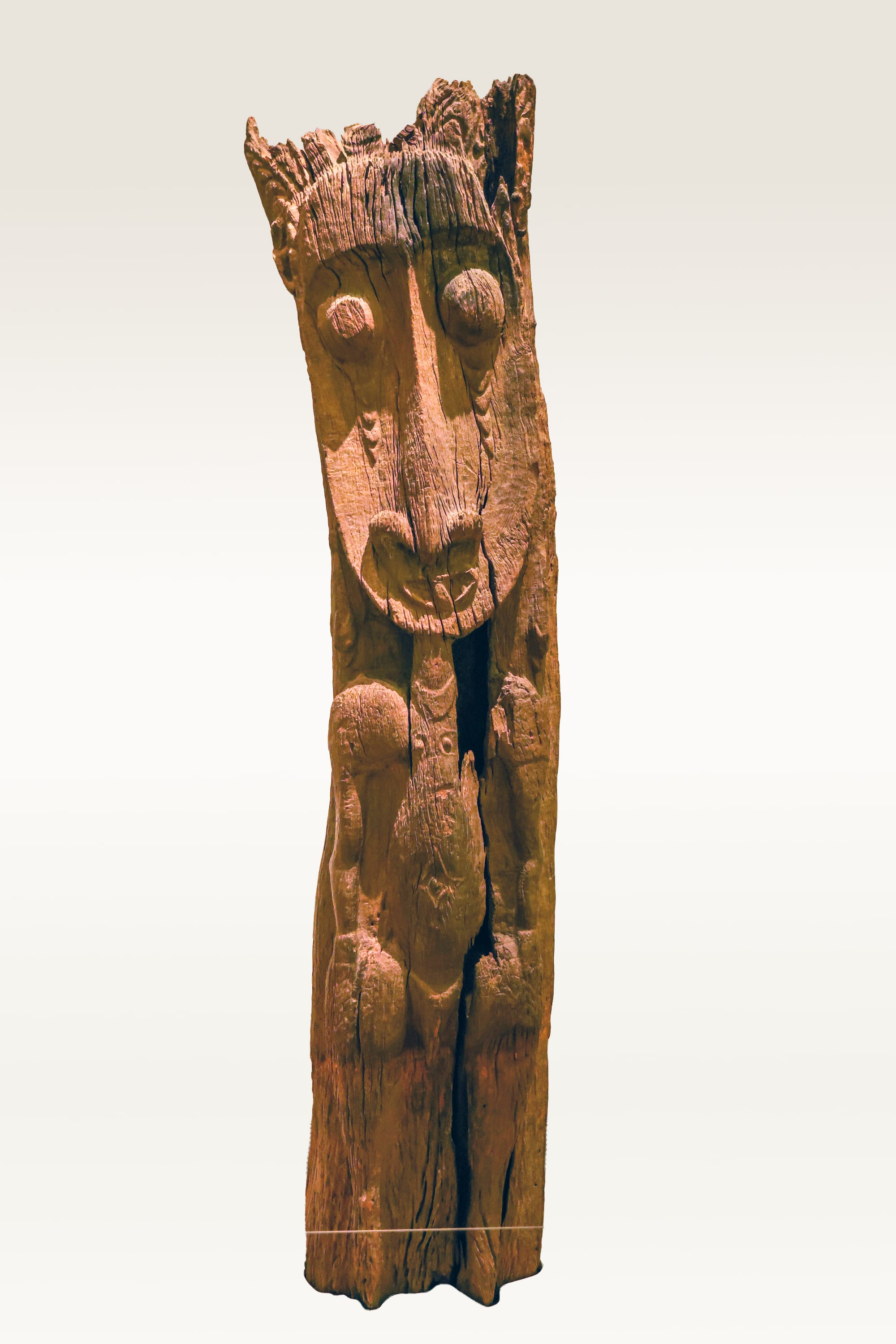
Three colonisers
European powers ignored New Guinea until the 1880s, when Germany annexed the north-east (Kaiser-Wilhelmsland) for its plantation companies and Britain, pressed by Australia, took the south-east. Britain handed its share, renamed Papua, to the new Commonwealth of Australia in 1906. When war came in 1914, Australian troops quickly took German New Guinea, and Australia governed it under a League of Nations mandate. The two territories — Papua and New Guinea — were run separately by Australia, with plantations, gold mines, missions and a system of indentured labour, while the highlands remained beyond administrative control until the 1930s and, in places, the 1950s.
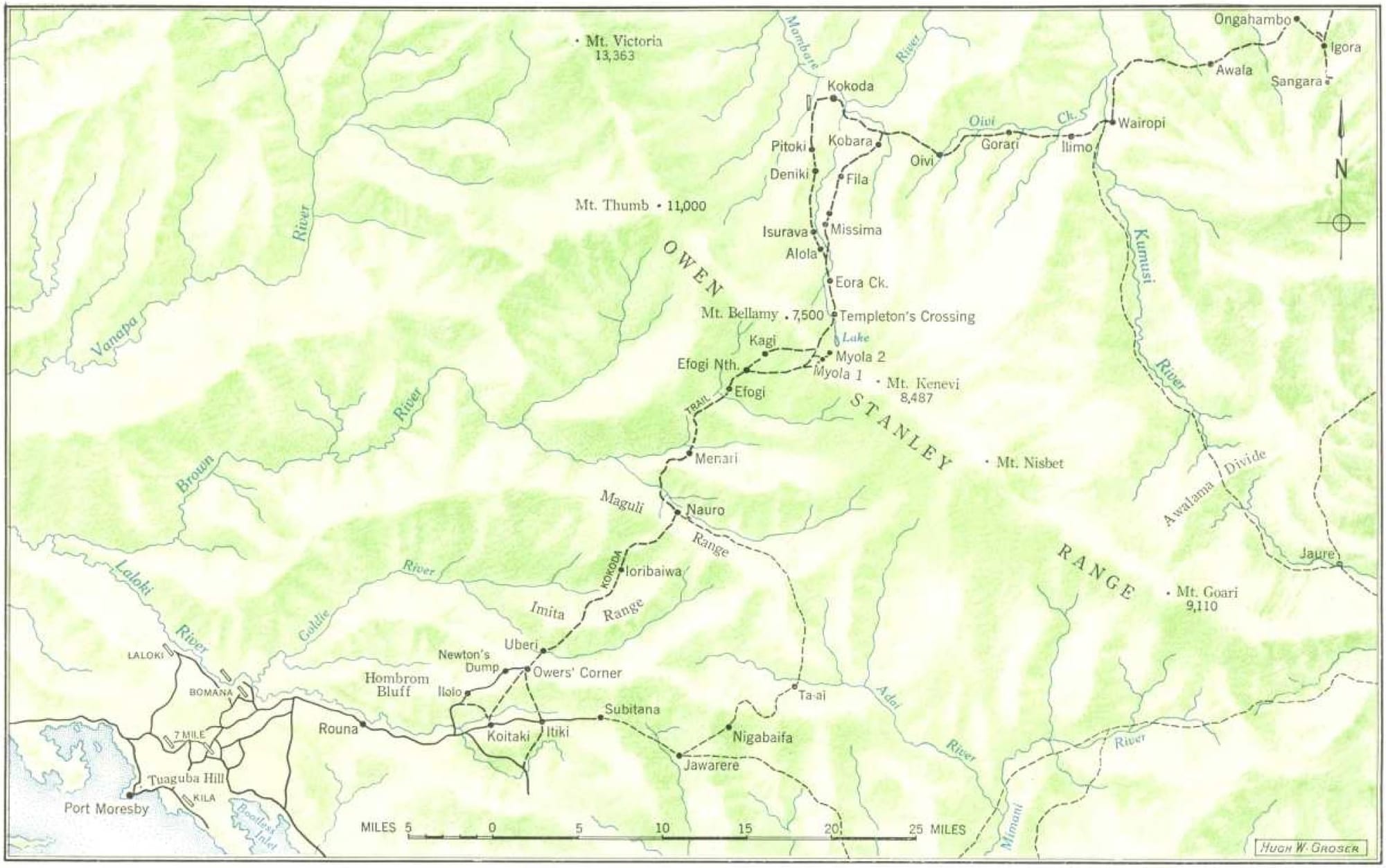
The war, and independence
Japan landed in New Guinea in 1942, and the island became a major theatre: the Kokoda Track campaign, the battles around Buna, Gona and Lae, and the isolation of the great Japanese base at Rabaul. Hundreds of thousands of troops fought in the mountains and jungle, and many Papua New Guineans served as carriers, scouts and soldiers. After the war Australia administered the two territories jointly, expanded schooling and health services, and — under United Nations pressure and a rising local political movement — moved towards decolonisation. Self-government came in 1973 and full independence on 16 September 1975, with Michael Somare as the first prime minister, within the Commonwealth and with the British monarch as head of state.
Bougainville and after
Independent Papua New Guinea has kept its democracy and its free press, but with chronic instability: no prime minister served a full term until the 2000s, votes of no confidence are frequent, and government reach into rural areas is thin. Its gravest crisis was on Bougainville, an island geographically part of the Solomons chain, where anger over the huge Panguna copper mine — its pollution, and the distribution of its revenue — sparked a secessionist rebellion in 1988. The resulting war and blockade lasted a decade and killed an estimated 15,000 to 20,000 people. A 2001 peace deal granted autonomy and a future referendum; in 2019 Bougainvilleans voted 98 per cent for independence, and the two governments are negotiating what that will mean.
What Papua New Guinea carries
Papua New Guinea is a single state laid over one of the most fragmented human landscapes anywhere — hundreds of languages, near-universal customary land, and a highland majority that met the outside world within living memory. Holding that together as a functioning democracy is the achievement and the strain of the country's first fifty years. Bougainville's near-certain departure is the sharpest test yet of whether the borders drawn by three colonial powers can hold.