Daily Life · Papua New Guinea
Papua New Guinea: A Day Grown in the Garden
An extended family raising most of its own food from a hand-cleared garden plot, a wantok network that does the work no government service reaches, and a country where many people speak two or three languages before they ever leave the village
By Worldlore Editorial · 30 September 2026
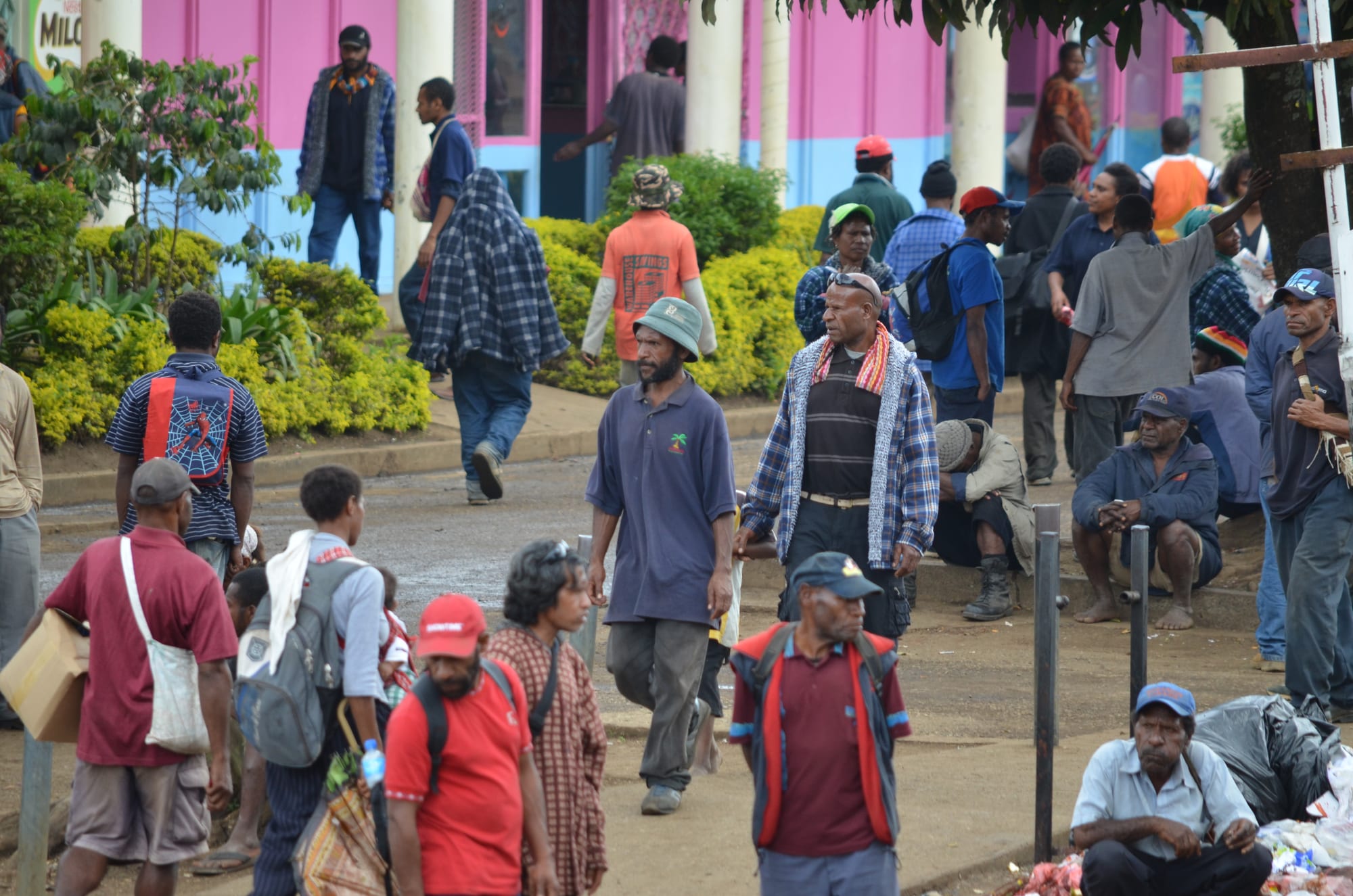
For most Papua New Guineans, an ordinary day starts in a garden rather than at a desk: more than four in five people live in rural areas, and most rural families grow the greater part of what they eat, clearing and tending small plots of sweet potato, taro, banana and greens by hand. The extended family, bound together as a wantok, one talk, sharing a language and a web of mutual obligation, is the unit that actually organises work, food and support, doing far more of that job than any government service reaches. A formal economy of gold, copper and gas enclaves exists alongside this rural world but touches relatively few of the people living in it, and even everyday conversation takes some doing: this is the most linguistically fragmented country on Earth, so many people grow up speaking more than one language just to get through the day.
Family and home life
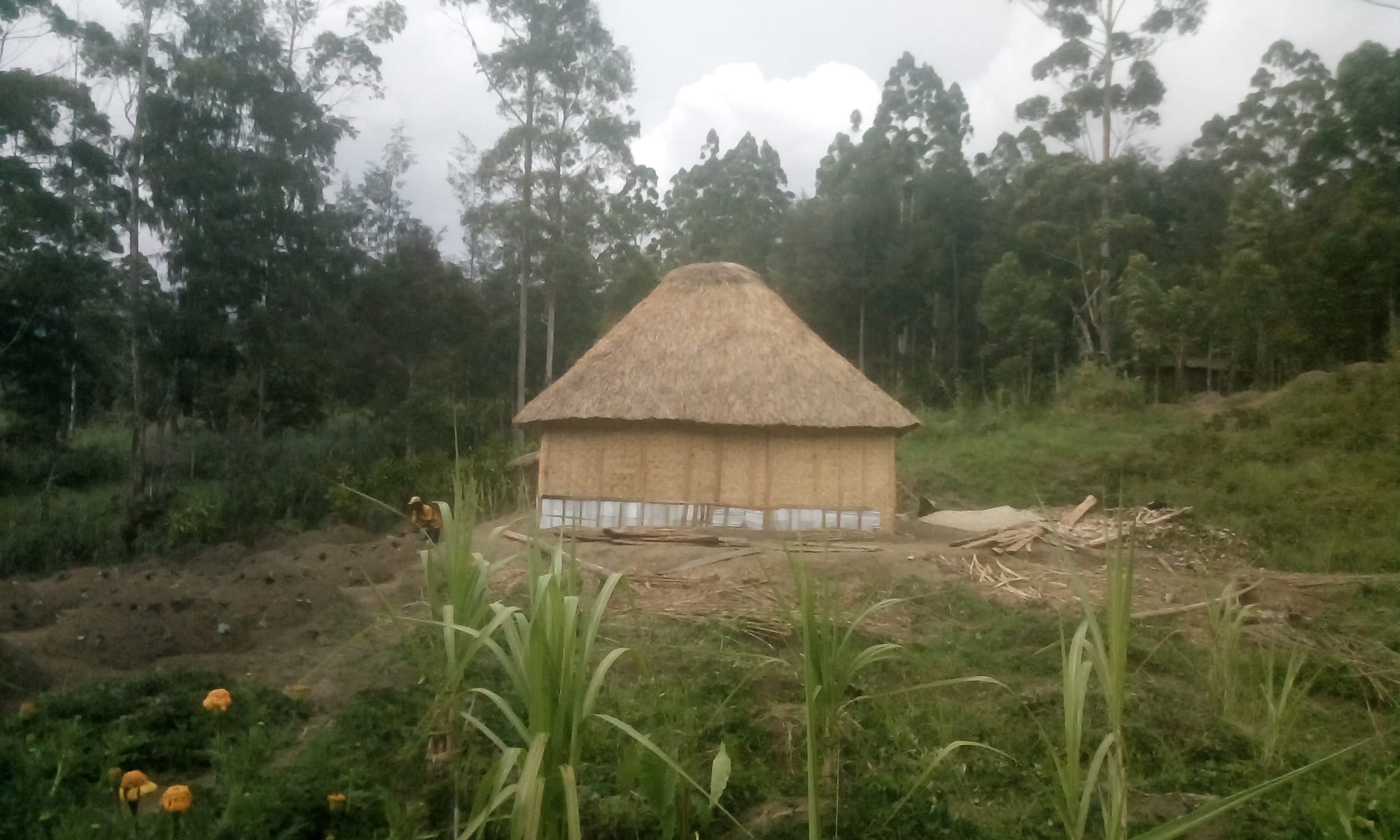
Daily life is organised well beyond the single house: the wantok system extends real obligations of support to everyone who shares a language or a clan, and relatives who have moved to town are generally expected to help those who have not, and vice versa. Work is shared out within the extended family, from clearing new ground and building houses to tending the food garden, keeping pigs and raising children, with older children and grandparents helping out in smaller ways through the day. Marriage still typically involves a bride price, an exchange of money, pigs and garden produce between the two families, which functions less as a purchase than as a formal, witnessed bond between two wantoks.
Work, school and the rhythm of the day
For most households, the working day means gardening, fishing or forest work rather than salaried employment: about 86 per cent of the food energy people eat is produced within the country, much of it grown by the households themselves, and cash typically comes from selling surplus produce, coffee, cocoa or copra rather than a wage. Where formal jobs exist, they cluster around the country's mining and gas enclaves, logging concessions and its small number of urban centres, leaving most of the rural majority outside the cash economy for much of the week. Schooling follows a more conventional pattern where it is available, though many villages are a long walk or a day's travel from the nearest school, and reaching a market town at all usually means catching one of the privately run PMV minibuses or trucks, which run without a fixed timetable, so a trip to town and back can fill most of a day.
Community life and public spaces
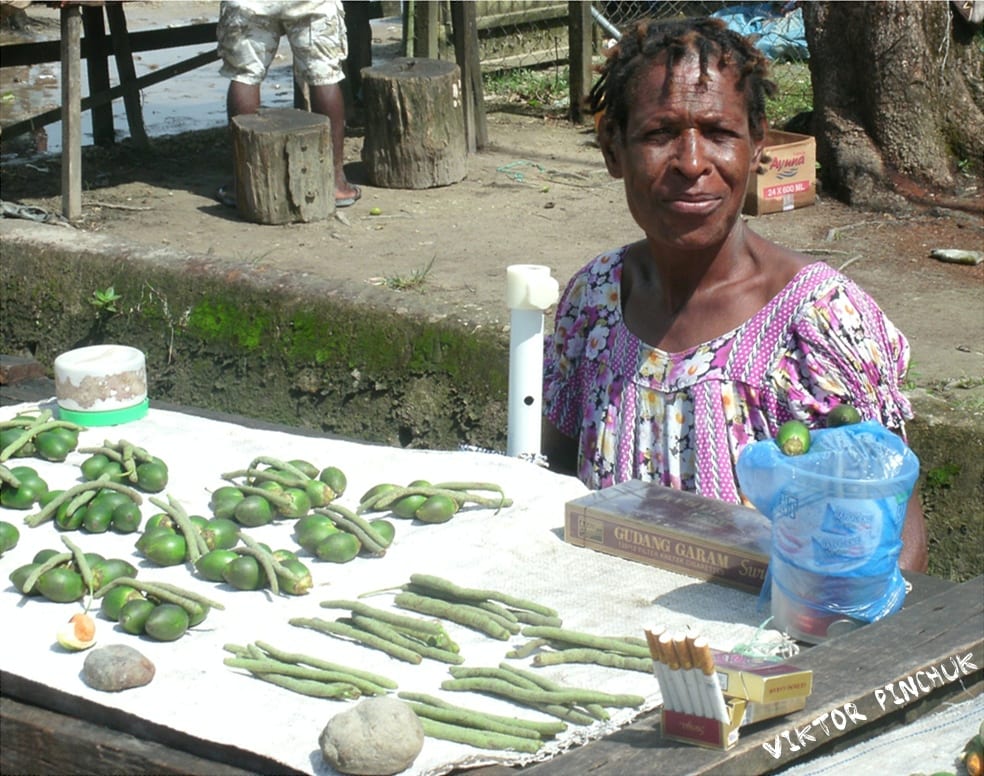
The market is the country's real public square: produce, betel nut and small goods change hands in open-air markets held on set days in towns from the Highlands to the coast, and for many rural sellers a market day is also the main chance to see people from outside the immediate village. Betel nut, chewed with lime and a mustard stick, is a genuinely everyday habit rather than an occasional indulgence, widely chewed by adults and sold from small tables in towns across the country. Church, overwhelmingly Christian in adherence, is another regular fixture of public life nationwide, drawing people together well beyond Sunday services alone.
Free time and weekends
Rugby league is the closest thing the country has to a single shared passion, watched and argued over from the Highlands to the coast whenever a screen or radio is within reach, and a big interprovincial or international match can empty a village of its usual daily business. Large cultural gatherings such as the Highlands shows, where dozens of clan groups perform in feathered headdresses and body paint, happen once a year in their towns, around 100 groups taking part at Goroka, and draw people from a wide area, but the more ordinary weekend is quieter: visiting relatives, attending church, and, since subsistence gardening does not pause for a day off, still tending the plot that feeds the household.
A visitor's ordinary day
Visiting means flying between most destinations: no road connects the capital to the rest of the country, and Highlands and island towns are reached by small aircraft or, on the coast, by boat. The kina is the everyday currency, and this remains largely a cash economy outside hotels and a handful of restaurants in the main towns; ATMs exist but are unreliable and best avoided out in the open. Market days are the easiest way to see ordinary daily life in a town, usually held in the mornings, with produce, betel nut and crafts laid out on the ground or under umbrellas. Distances that look short on a map can take a full day given the terrain and the limited road network, so it is worth building slack into any overland or river journey.
What to take away
What defines an ordinary day in Papua New Guinea is less any single custom than how local it still is: a household fed from its own garden, a language shared with only a few thousand other people, and a wantok network that does more to hold daily life together than any road or government service reaches.