Daily Life · Panama
Panama: The Lake That Runs the Country
An early-rising, dollarised economy where nearly half the workforce gets by informally, extended families gather for an unhurried Sunday lunch, and the same lake that lifts ships through the canal supplies the tap water for millions of Panamanians
By Worldlore Editorial · 30 September 2026
Panama runs on the US dollar and on early mornings: many people are at their desks, stalls or school gates by seven, and the working day's hinge is a proper sit-down lunch rather than a sandwich eaten at a desk. Family is the anchor of an ordinary week, stretched well beyond parents and children to grandparents, aunts, uncles and godparents who are consulted on decisions and turn up for a slow Sunday lunch that can run for hours. Nearly half the workforce gets by outside any formal payroll, in market stalls, small transport runs and casual trades, and behind much of the country sits the canal: not just the ships passing through it, but the freshwater lake that feeds it, which also happens to supply the drinking water for more than half the population.
Family and home life
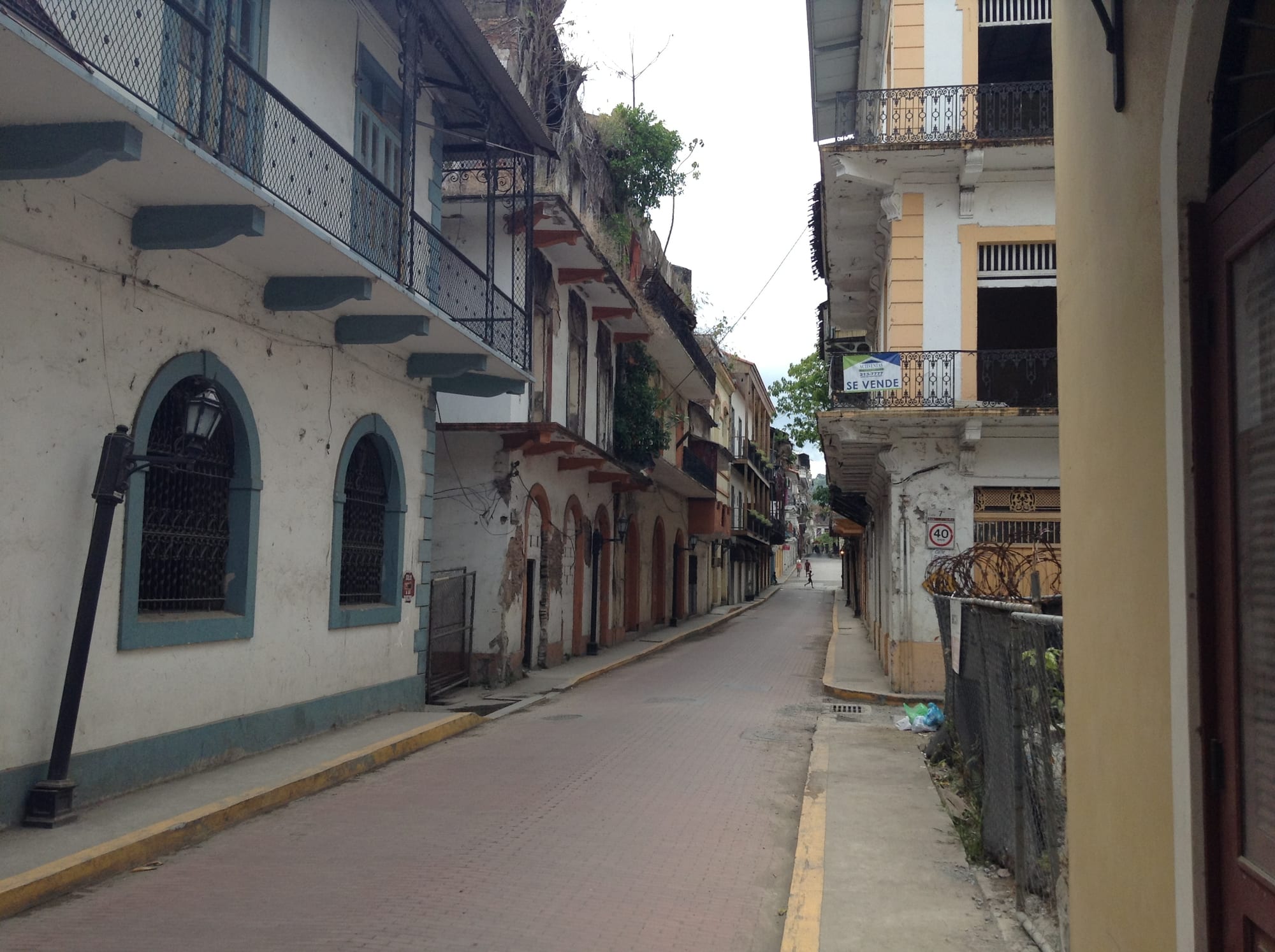
A Panamanian family typically means more than parents and children: grandparents, aunts, uncles, cousins and godparents are active participants in everyday decisions rather than occasional visitors, and extended relatives frequently pool money for a medical bill, school fees or a house. Despite that closeness, many households do not eat every meal together at a shared table; family members often eat at different times as the day allows, and it is the Sunday lunch, unhurried and often lasting hours, that functions as the week's real gathering point. Housing and household income vary sharply by region: the capital's fast-growing middle class lives in apartment blocks and gated developments, while the cattle country of the interior and the Indigenous comarcas remain considerably poorer and more traditional.
Work, school and the rhythm of the day
The day starts early: public schools begin at seven, and many offices and shops open early too. Lunch is treated seriously rather than rushed, and many workplaces slow down around midday while people eat a proper meal rather than at their desks. The official work day usually finishes by five or six in the evening, though traffic can stretch the journey home well beyond that in the capital. Public schools run a two-shift system to make the most of limited space: primary pupils attend in the morning, from seven until about midday, while secondary students choose a morning shift or an afternoon one running from one until five or six. Nearly half of workers, about 46 per cent in mid-2026 according to the national statistics institute, work outside the formal, tax-paying economy, in small trade, transport and casual labour rather than salaried jobs.
Community life and public spaces
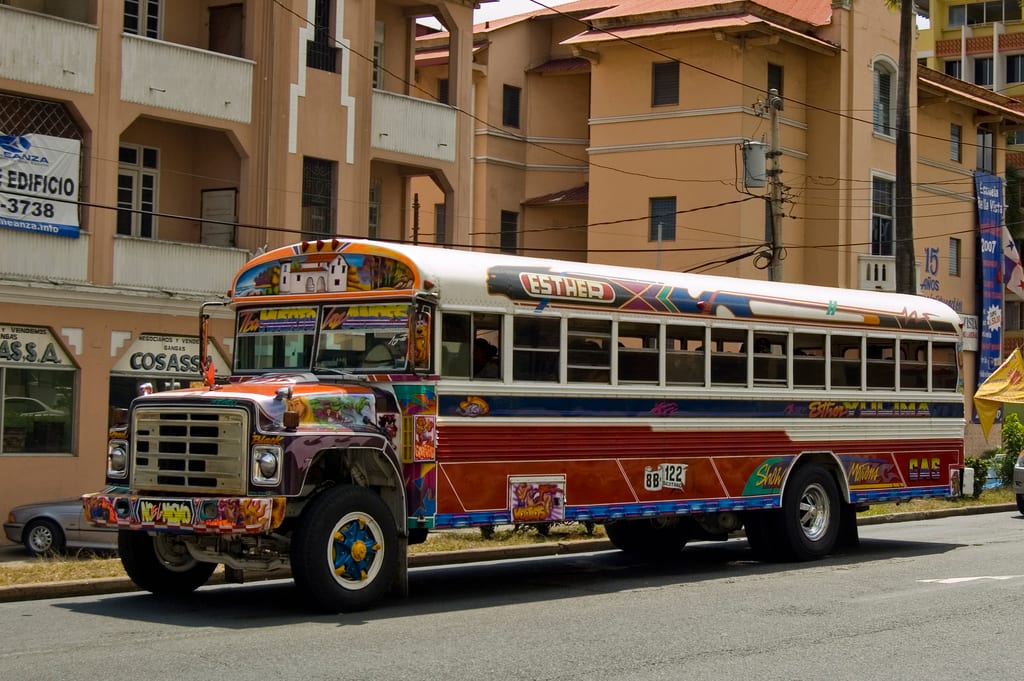
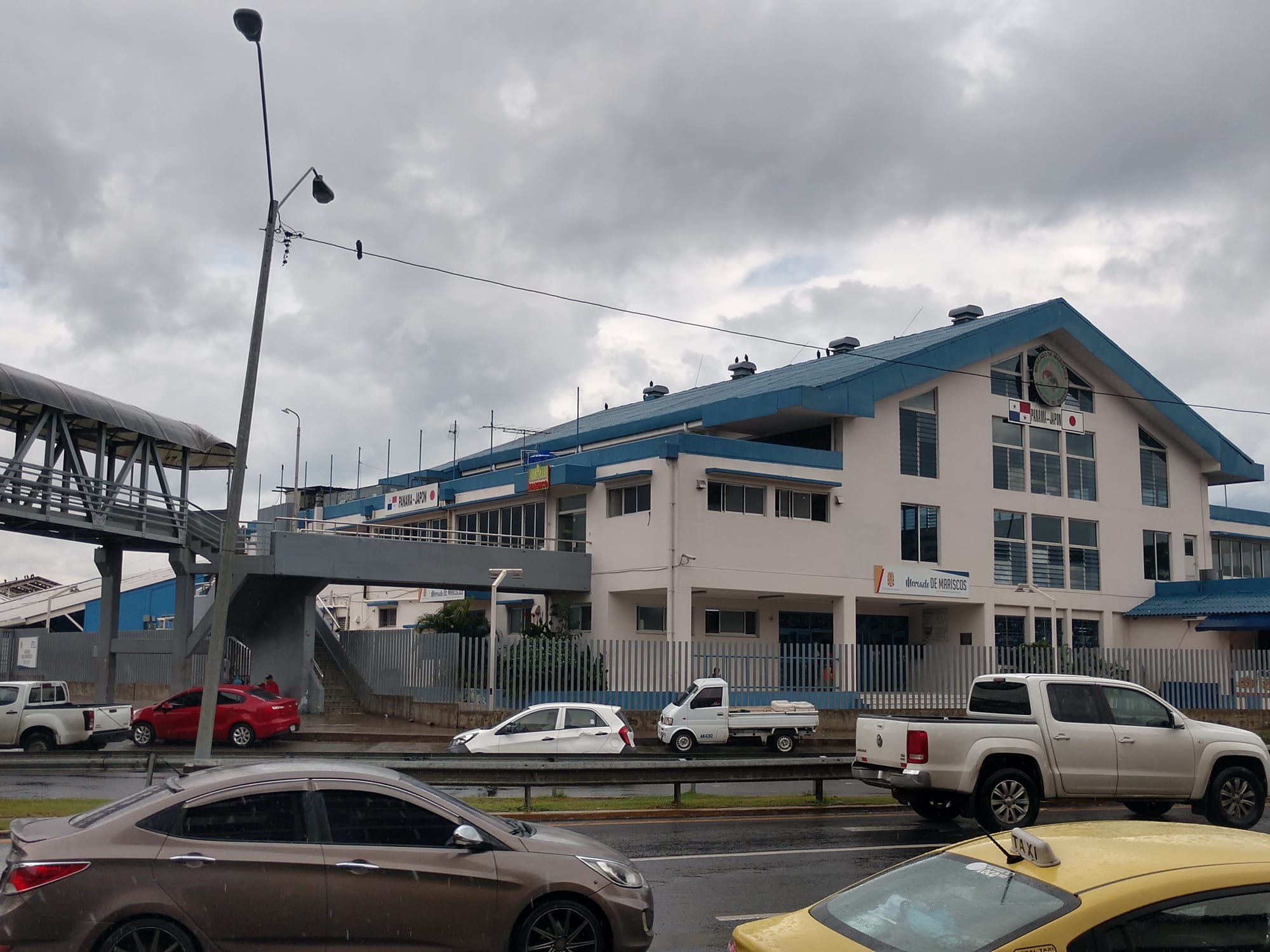
Markets remain a daily fixture: Panama City's Mercado de Mariscos, the seafood market, is known for its ceviche, and every province has its own mercado público for produce, meat and household goods, among them El Valle de Antón's well-known public market, often called its Sunday market. Public transport still runs partly on the diablo rojo, a retired US school bus repainted with its own individual mural and driven to the operator's own sense of timing rather than a fixed timetable; Panama City has largely replaced these with the publicly run MiBus buses and the metro, and the diablo rojos that remain are mainly used outside the capital. Small, no-frills fondas serving a fixed menú del día are where much of the country actually eats lunch, doubling as both a canteen and an informal neighbourhood gathering point.
Free time and weekends
Weekends, and Sunday especially, slow the pace further: many shops close early or stay shut, and the day is set aside for extended-family lunches, church for the Catholic majority, and, where the coast or a river is within reach, a trip to the water. Baseball has traditionally been the national sport and has produced a long line of major-league players, though football has drawn a large new following since the national team's first World Cup appearance in 2018, followed by qualification for the 2026 tournament. Where the household budget allows, a weekend or holiday trip to the beach or the cooler Chiriquí highlands is a common escape from the lowland heat.
A visitor's ordinary day
Panama is the rare country where a visitor arriving with US dollars never needs to change money: the dollar is legal tender, and locally minted balboa coins simply mix in at the same value. Cards are accepted in Panama City's hotels, malls and restaurants, but small fondas, buses and the interior still run mostly on cash. The capital's metro and Uber are the easiest way to get around the city, while long-distance buses leave from the Albrook terminal for the interior, and getting off the beaten path usually means a shared or contracted van rather than a scheduled service. Lunch is the day's fixed point: fondas post a menú del día from late morning, and many offices and shops observe a genuine midday slowdown, so it pays to plan a main meal around noon rather than the evening.
What to take away
What defines an ordinary day in Panama is less the canal itself than everything built around sharing it: a services economy running on the ships that cross the isthmus, an early-to-lunch rhythm shaped by the heat, and a country whose drinking water, like its shipping lanes, still flows from the same lake.