Food · Panama
Panama: Food and the National Dish
A hearty chicken and root vegetable soup from a country whose canal-side geography brings Caribbean and Pacific cooking to the same table
By Worldlore Editorial · 16 September 2026
A cuisine shaped by two coasts and a canal
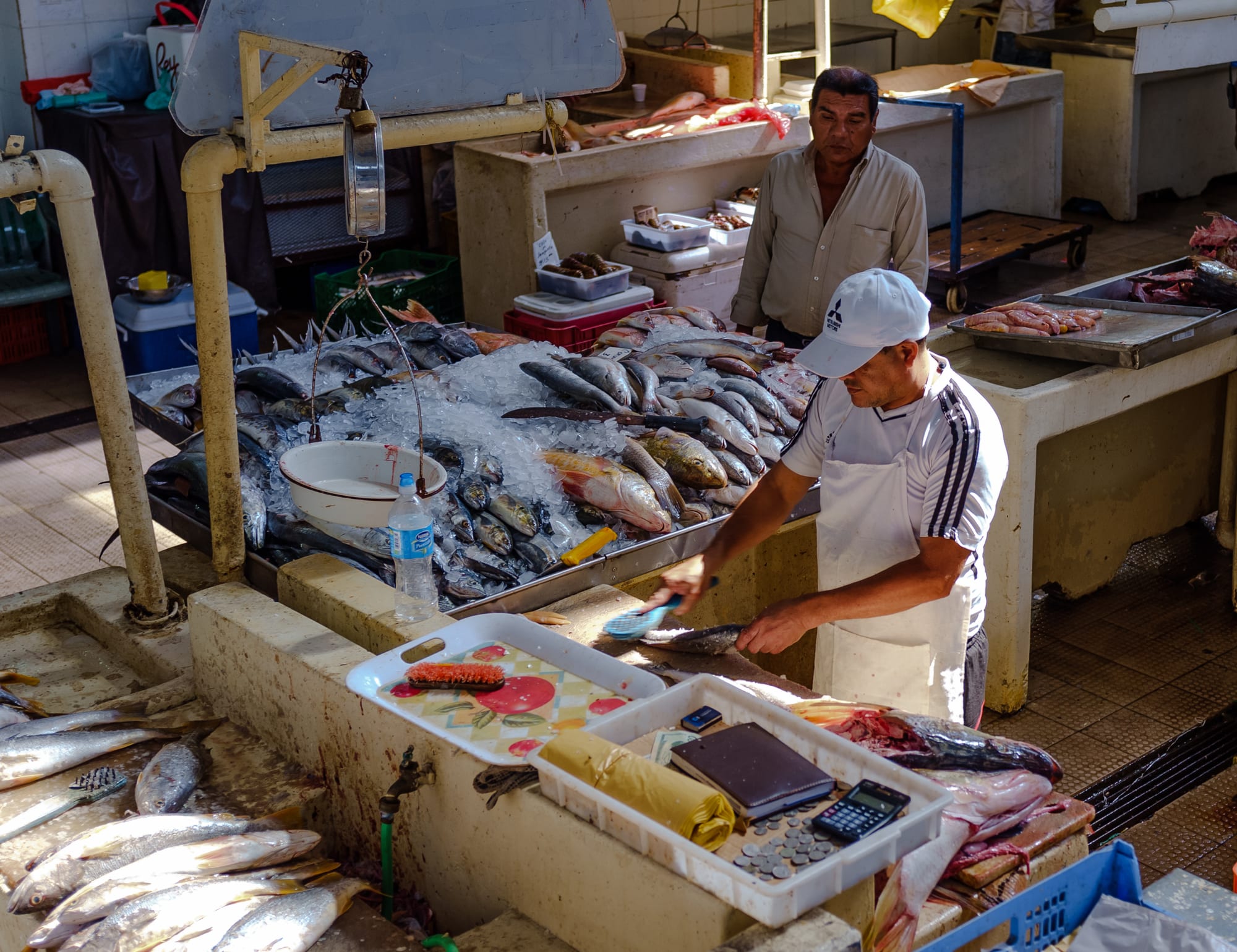
Panama's geography, a narrow isthmus with a Caribbean coast on one side and a Pacific coast on the other, connected by the canal that gives the country its global significance, produces a food culture that draws from both coastlines and from the many cultures that have passed through as a result of that maritime crossing point.
The national dish: sancocho
Sancocho, a hearty soup of chicken, root vegetables including ñame (a Panamanian yam) and culantro, a herb similar to but distinct from cilantro, is Panama's national dish. Genuinely comfort food, sancocho is cooked in Panamanian households for gatherings and as a cure-all for cold or rainy days, and the dish is closely related to versions found under the same name across Colombia, the Dominican Republic and much of the wider Caribbean and northern South America.
Coconut rice, fried fish and the coastal pantry
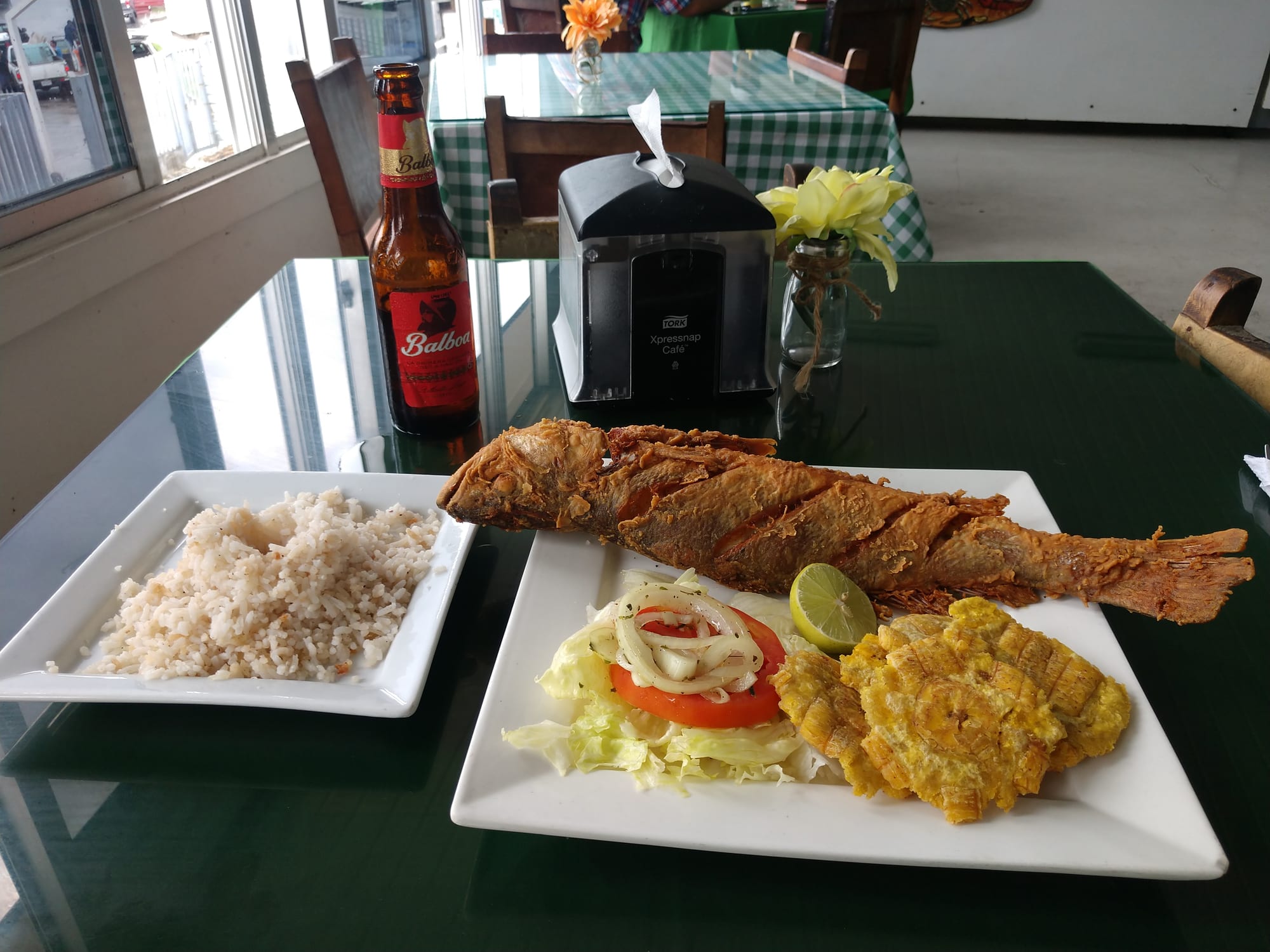
Along Panama's coasts, coconut rice, fried fish and patacones (fried, flattened plantain) form a beloved everyday combination, reflecting both Caribbean and Pacific coastal influence. Corn, in tamales and other forms, and a wide range of tropical fruit round out a pantry shaped by Panama's position between two oceans.
History behind the crossing point
Panama's role as a narrow land bridge between two oceans and two continents has shaped its food for centuries, first as a Spanish colonial transit route for goods crossing between the Pacific and the Caribbean, and later through the canal itself, which brought workers and cultural influence from across the Caribbean, particularly Afro-Caribbean communities from islands like Jamaica and Barbados who arrived to help build it in the early 20th century.
Dishes to know
Five more to recognise across Panama:
- Patacones — fried, flattened green plantain, a common side dish
across the country.
- Ceviche — raw fish cured in lime juice, popular given Panama's
extensive coastline on both oceans.
- Tamales — corn dough filled with meat, wrapped in banana leaf and
steamed, especially popular during holidays.
- Ropa vieja — shredded beef in a tomato-based sauce, shared with
Cuba and the wider Caribbean.
- Chicheme — a sweet corn-based drink, popular as a refreshing
everyday treat.
Drinks
Chicheme, a sweet corn-based drink, and fresh tropical fruit juices are common everyday refreshments. Seco, a sugarcane-based spirit distilled in Panama, is the country's traditional liquor, and Panamanian coffee, grown in the Boquete highlands, has built a genuine international reputation for quality.
Eating as a traveller
Vegetarians will find rice, plantain and bean dishes manageable, though meat and fish are central to most traditional Panamanian cooking. Tap water is generally safe in Panama City. Trying sancocho on a rainy day, the way many Panamanian families genuinely eat it, is an authentic way to experience the national dish as comfort food rather than a restaurant special.
What to take from the table
Sancocho, hearty and shared with several neighbouring countries under the same name, is the dish Panamanians call their own comfort food — and a plate of coconut rice and fried fish from the coast shows just how much the country's two oceans shape everything else on the table.