Attractions & Natural Wonders · Panama
Panama: Ten Attractions and Natural Wonders
A canal that reshaped global trade, a Caribbean archipelago of hundreds of islands governed by its own Indigenous nation, and a colonial old town wedged between a modern skyline and the sea
By Worldlore Editorial · 19 September 2026
The isthmus that connects two oceans
Panama, the narrow isthmus linking Central and South America, is defined above all by the canal that cuts through it — an engineering feat that reshaped global shipping and continues to define the country's economy and identity. Beyond the canal, Panama holds a colonial old town, a modern banking-hub skyline, Caribbean archipelagos governed in part by Indigenous comarcas, colonial-era Spanish fortifications, and highland cloud forest cool enough for coffee farming just a short drive from tropical coastline on both sides.
The ten below run from the canal and capital to the Caribbean coast, the western highlands, and the Pacific islands. The dry season (roughly mid-December to mid-April) is the easiest time to travel; the rest of the year is wetter but still very workable.
1. The Panama Canal

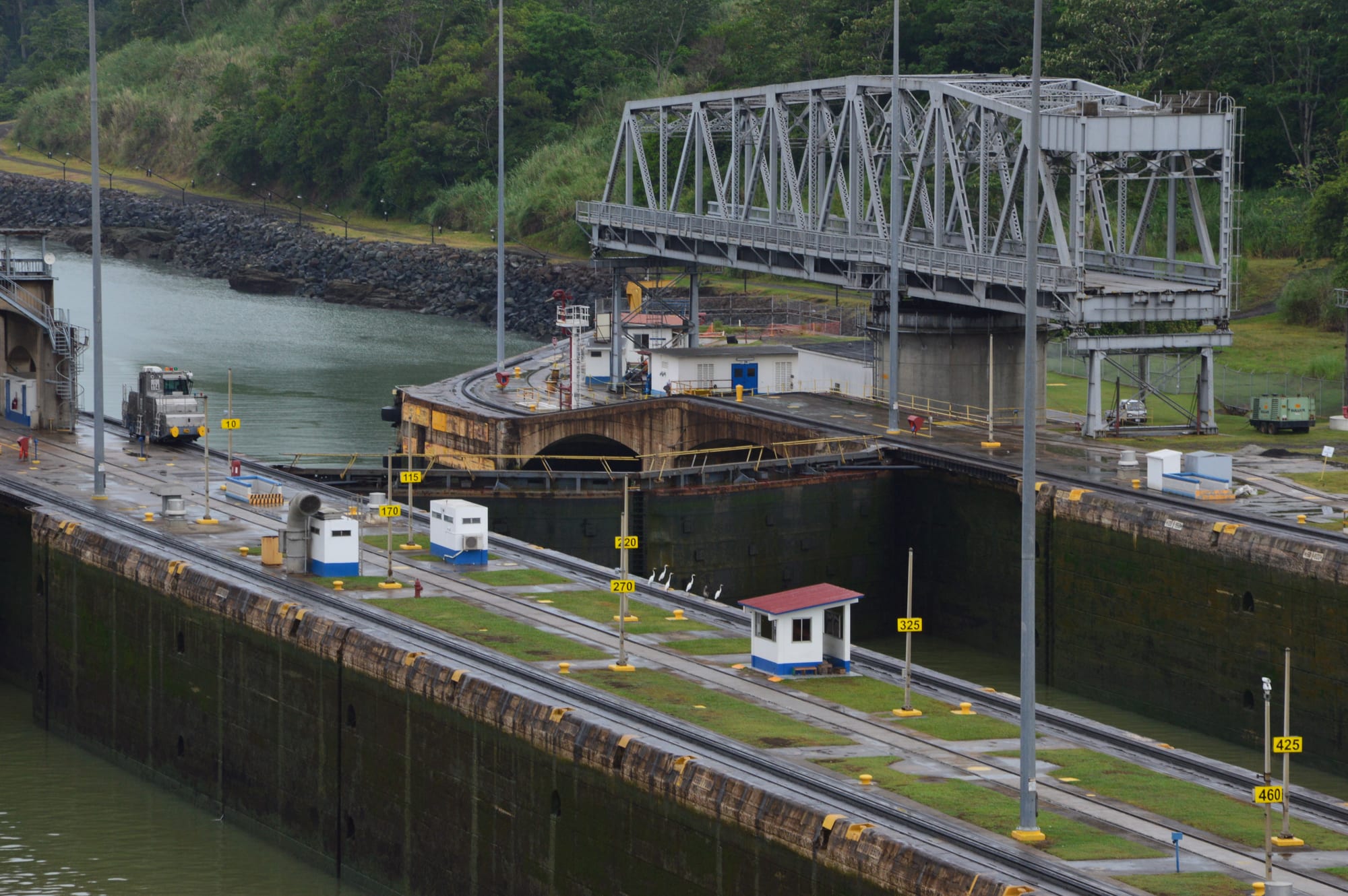
The Panama Canal, opened in 1914 and expanded in 2016 to accommodate larger "Neopanamax" ships, cuts roughly 80 kilometres through the isthmus and handles a significant share of world trade, saving ships the long detour around South America. The Miraflores Locks visitor centre near Panama City lets visitors watch massive container ships rise and fall through the locks at close range, with exhibits explaining the engineering and history behind the waterway.
2. Casco Viejo
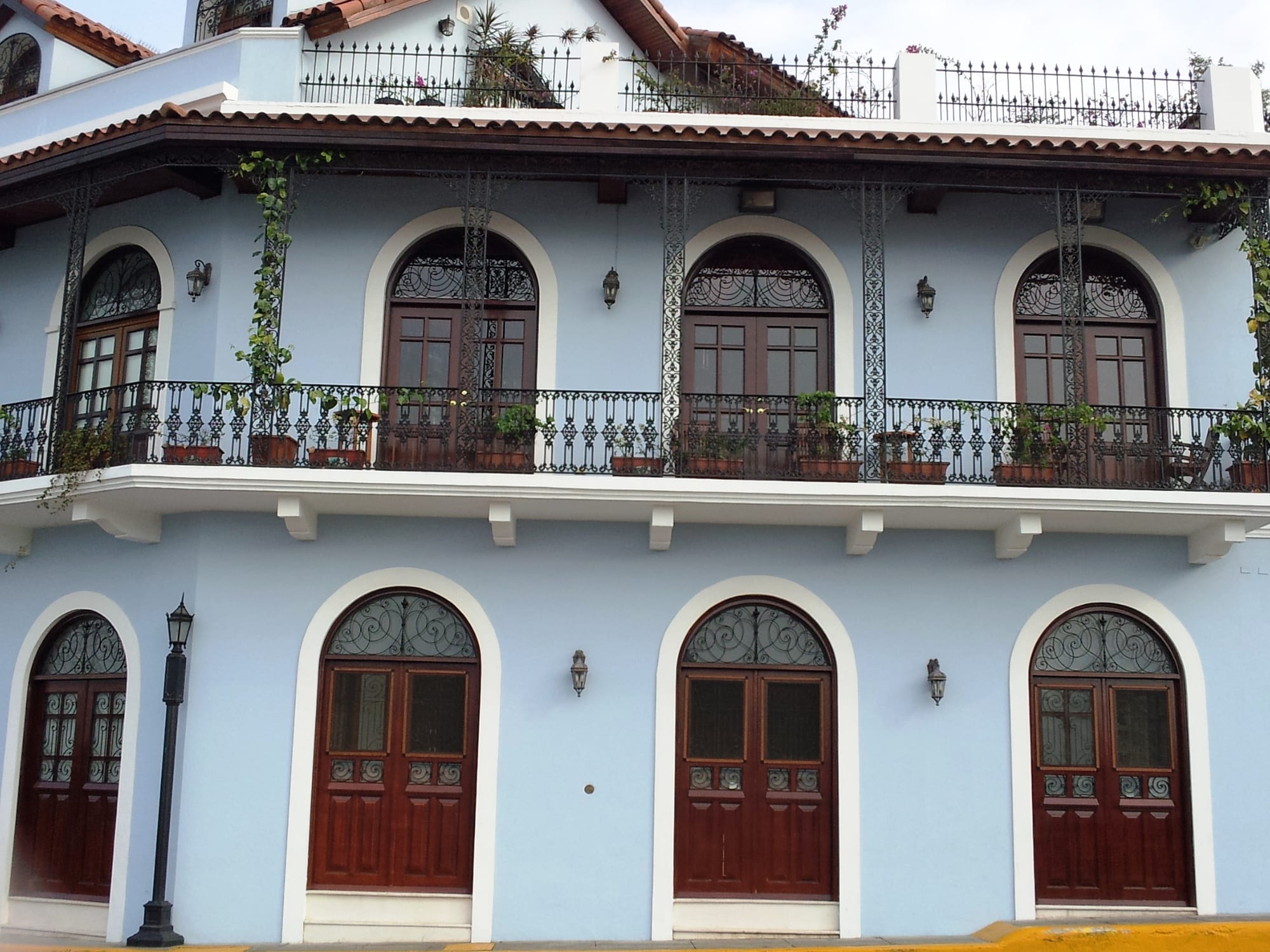
Casco Viejo, Panama City's historic quarter, was founded in 1673 after the original city (Panamá Viejo, whose ruins remain nearby) was sacked by the pirate Henry Morgan. Its restored plazas, churches, and balconied buildings now hold a mix of boutique hotels, restaurants, and street art, and it is a UNESCO World Heritage Site alongside the Panamá Viejo ruins.
It contrasts sharply with the glass towers of the modern city rising just across the bay.
3. The San Blas Islands (Guna Yala)
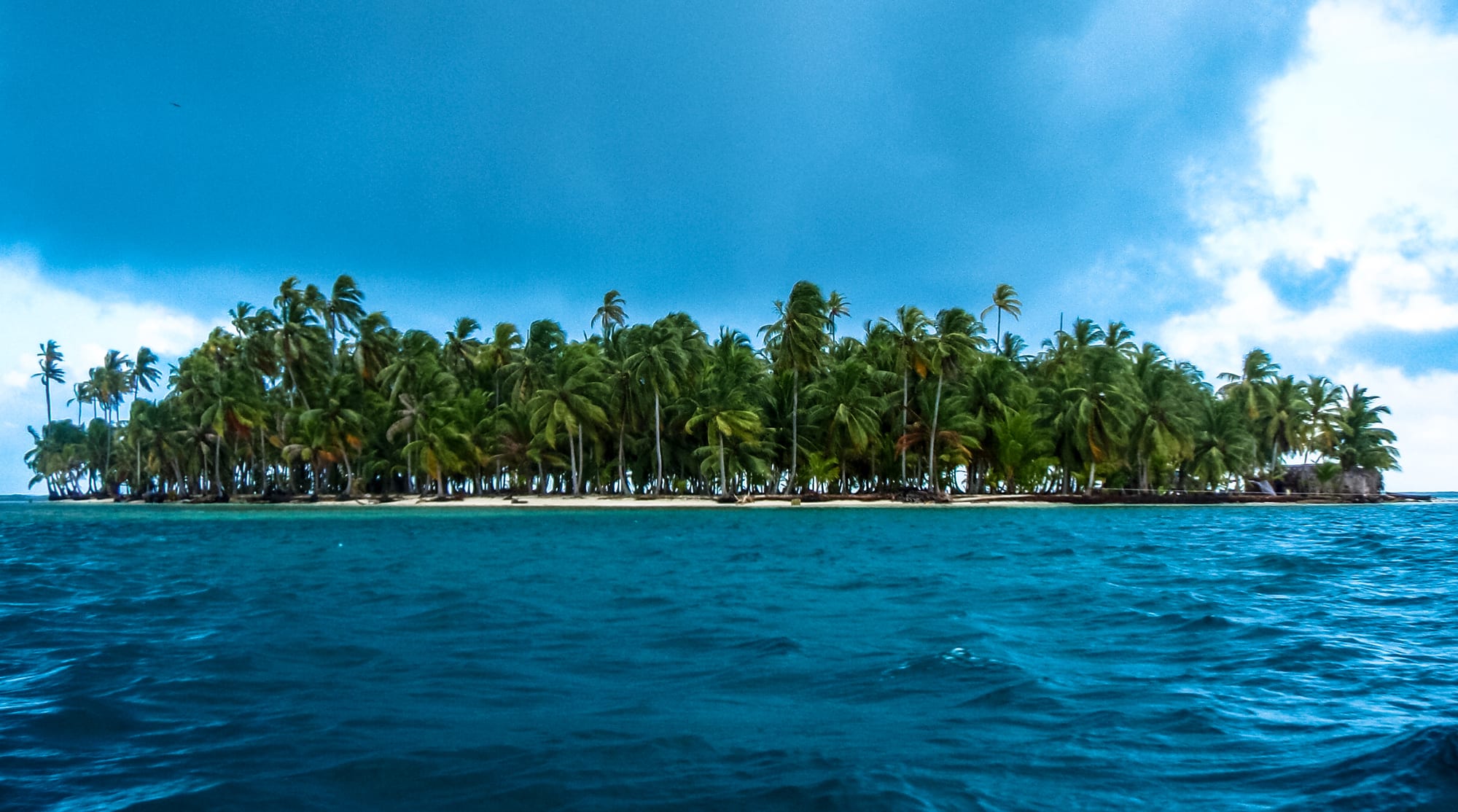
The San Blas Islands, a chain of roughly 365 small islands off Panama's Caribbean coast, form the autonomous Guna Yala comarca, self-governed by the Guna people, who maintain their own political structure, distinct textile tradition (the mola), and control over tourism development on the islands. Visitors typically stay in simple island lodges run by Guna families, with day trips by boat between islands of white sand and clear water.
Visiting respectfully within Guna-run tourism, rather than independently, is both the norm and the expectation here.
4. Panama City's skyline
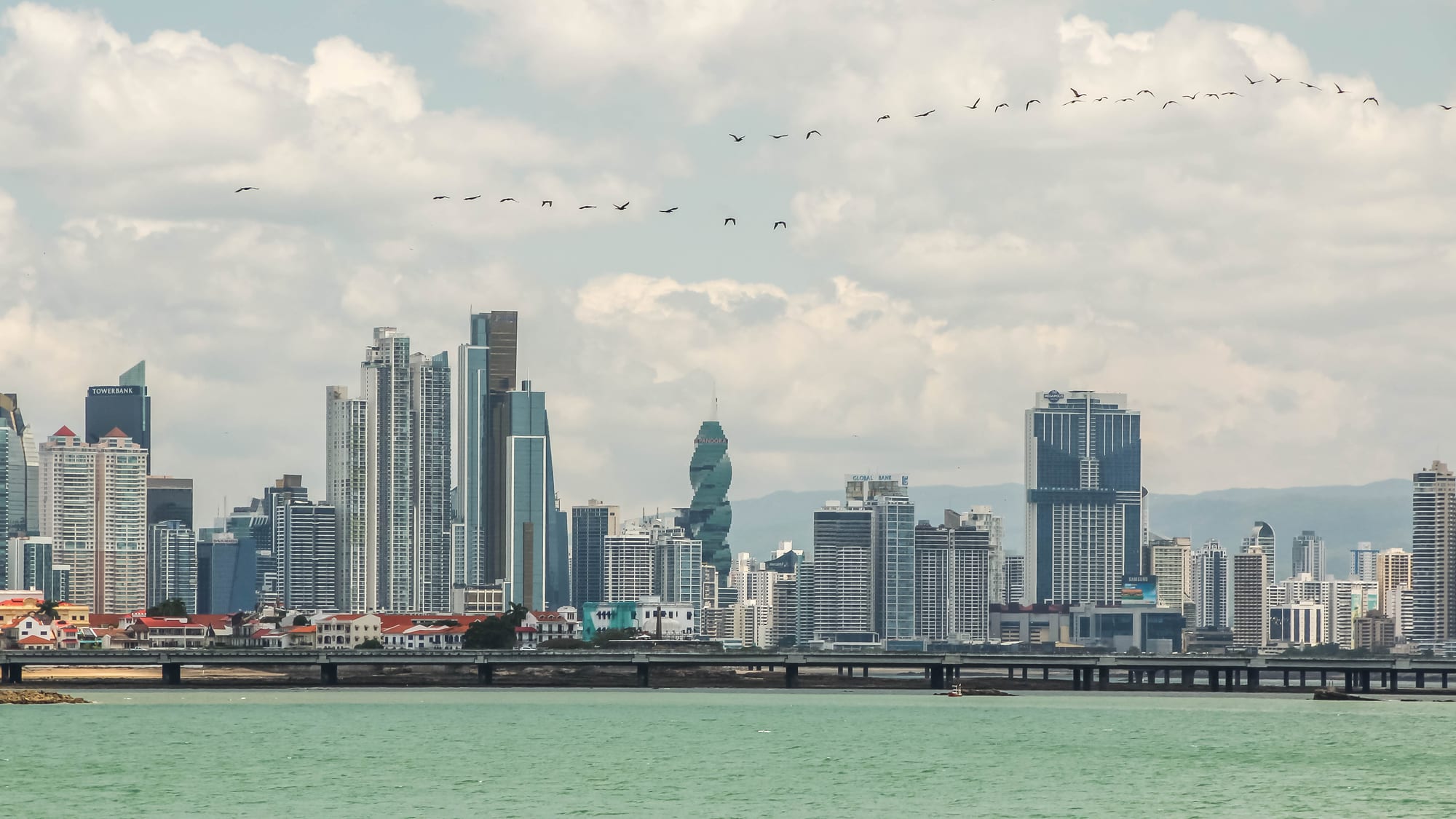
Panama City's skyline, built up rapidly on the strength of the canal economy and offshore banking, is one of the most modern and vertical in Latin America — a striking contrast with the colonial old town just across the bay, and with the tropical rainforest of Soberanía National Park that begins within the city's own metropolitan limits.
5. Boquete and Volcán Barú
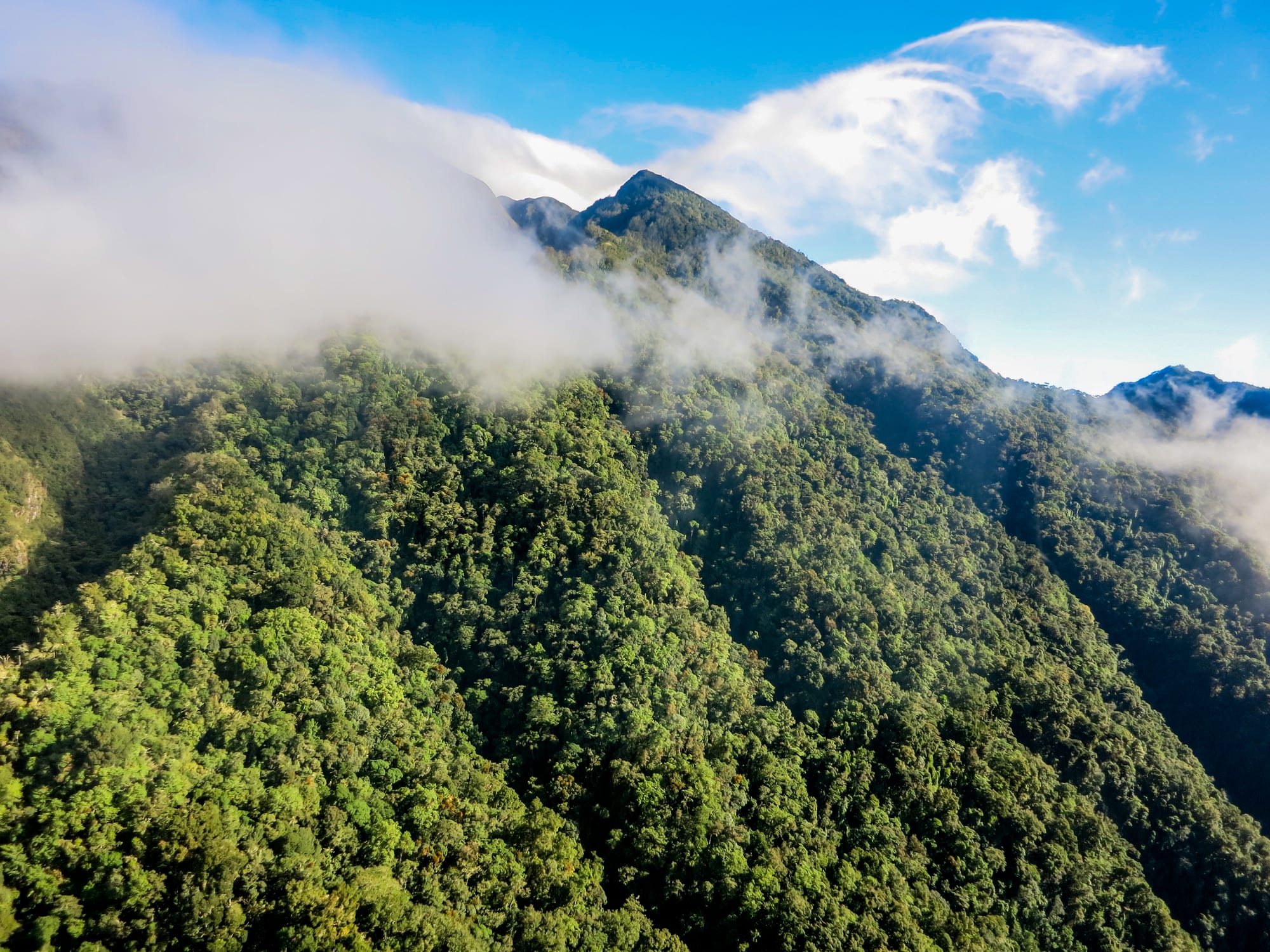
Boquete, a cool mountain town in the western highlands near Volcán Barú (Panama's highest peak, at nearly 3,500 metres), has built a reputation for its coffee — some of the most sought-after and expensive in the world grown on its volcanic slopes — alongside hiking trails, cloud forest, and, on clear days from the summit, views said to stretch to both the Pacific and Caribbean at once.
6. Bocas del Toro
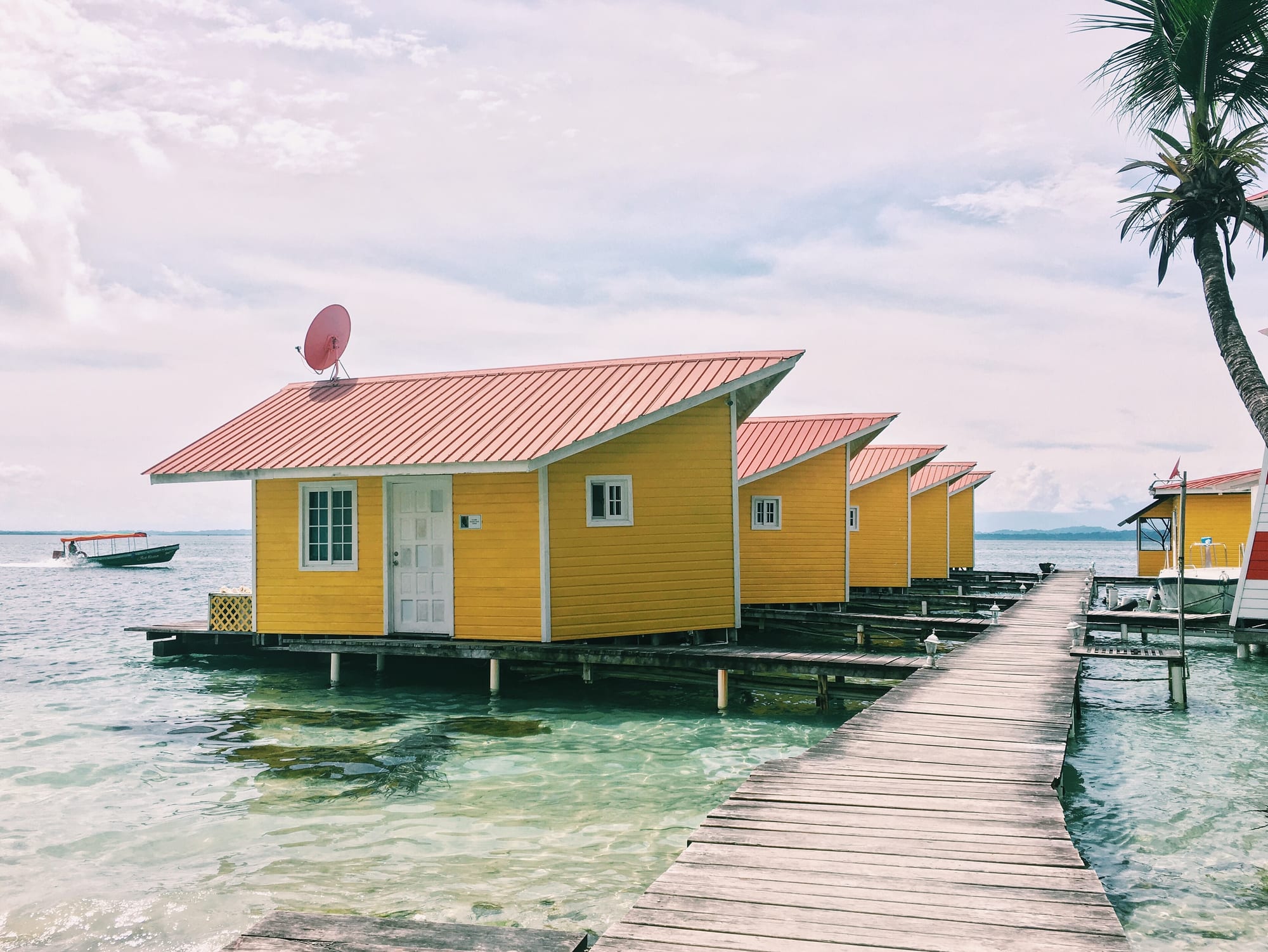
Bocas del Toro, an archipelago on the Caribbean coast near the Costa Rican border, has grown into Panama's most popular backpacker and surf destination — brightly painted wooden buildings on stilts, mangrove channels, coral reef snorkelling, and beaches favoured by both tourists and nesting sea turtles in season. It has a noticeably more relaxed, island-time pace than the capital.
7. Panamá Viejo
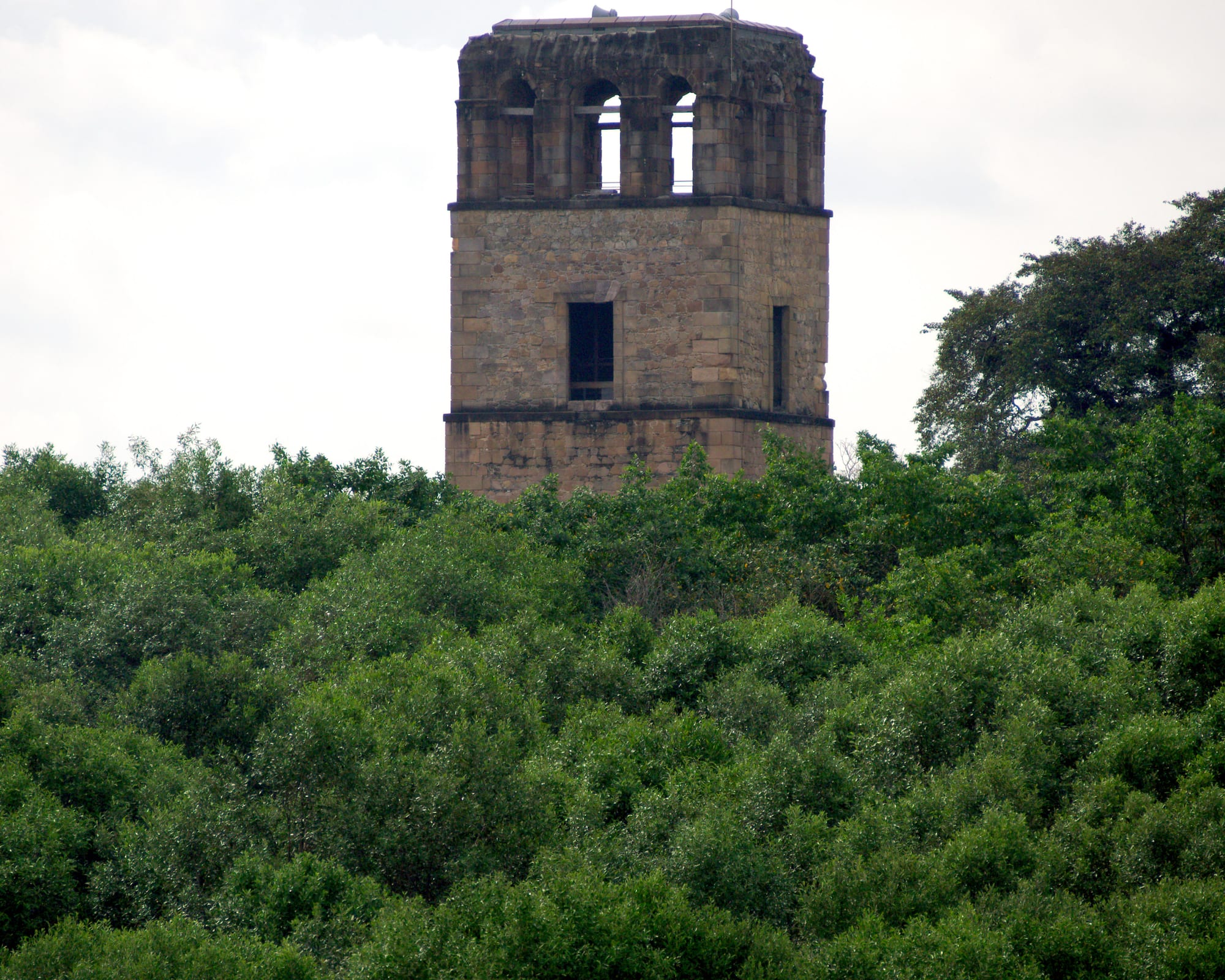
Panamá Viejo preserves the stone ruins of the original Panama City, founded in 1519 as the first European settlement on the Pacific coast of the Americas and a crucial staging point for Spanish treasure shipped from Peru, before Henry Morgan's pirate raid burned it to the ground in 1671, prompting the move to what is now Casco Viejo.
A UNESCO World Heritage Site alongside Casco Viejo, its cathedral tower and scattered foundations can be climbed and explored, with a museum on site explaining the city's brief but consequential history.
8. Gatún Lake
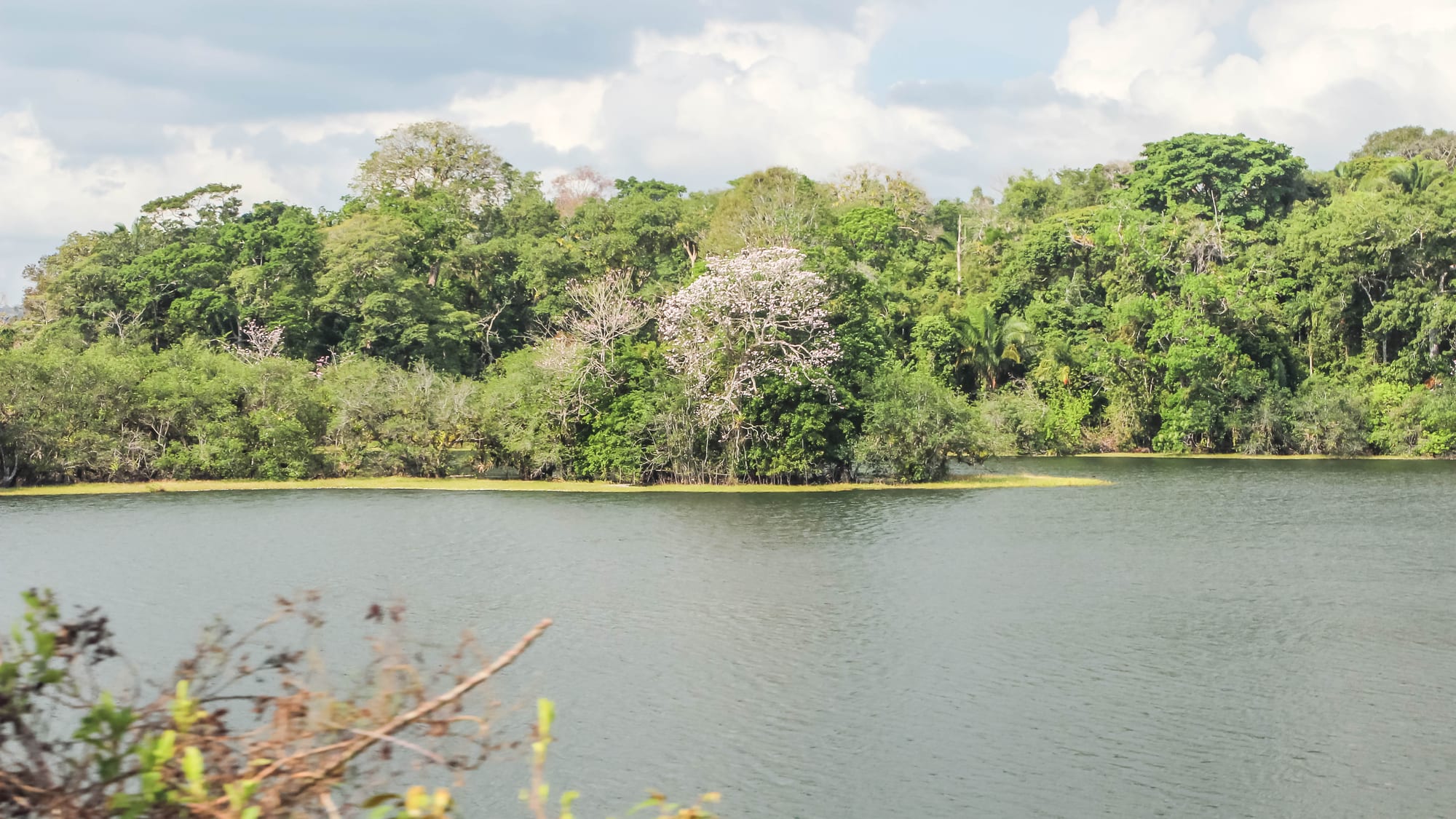
Gatún Lake, created by damming the Chagres River during the canal's original construction, was one of the largest artificial lakes in the world when it was completed and still forms the central stretch of ships' transit across the isthmus today. Its flooded rainforest shoreline and islands, part of the wider Soberanía and Barro Colorado protected areas, support howler monkeys, sloths, toucans, and crocodiles, viewable on wildlife-watching boat tours that double as a way to see the canal itself from the water.
9. Coiba National Park
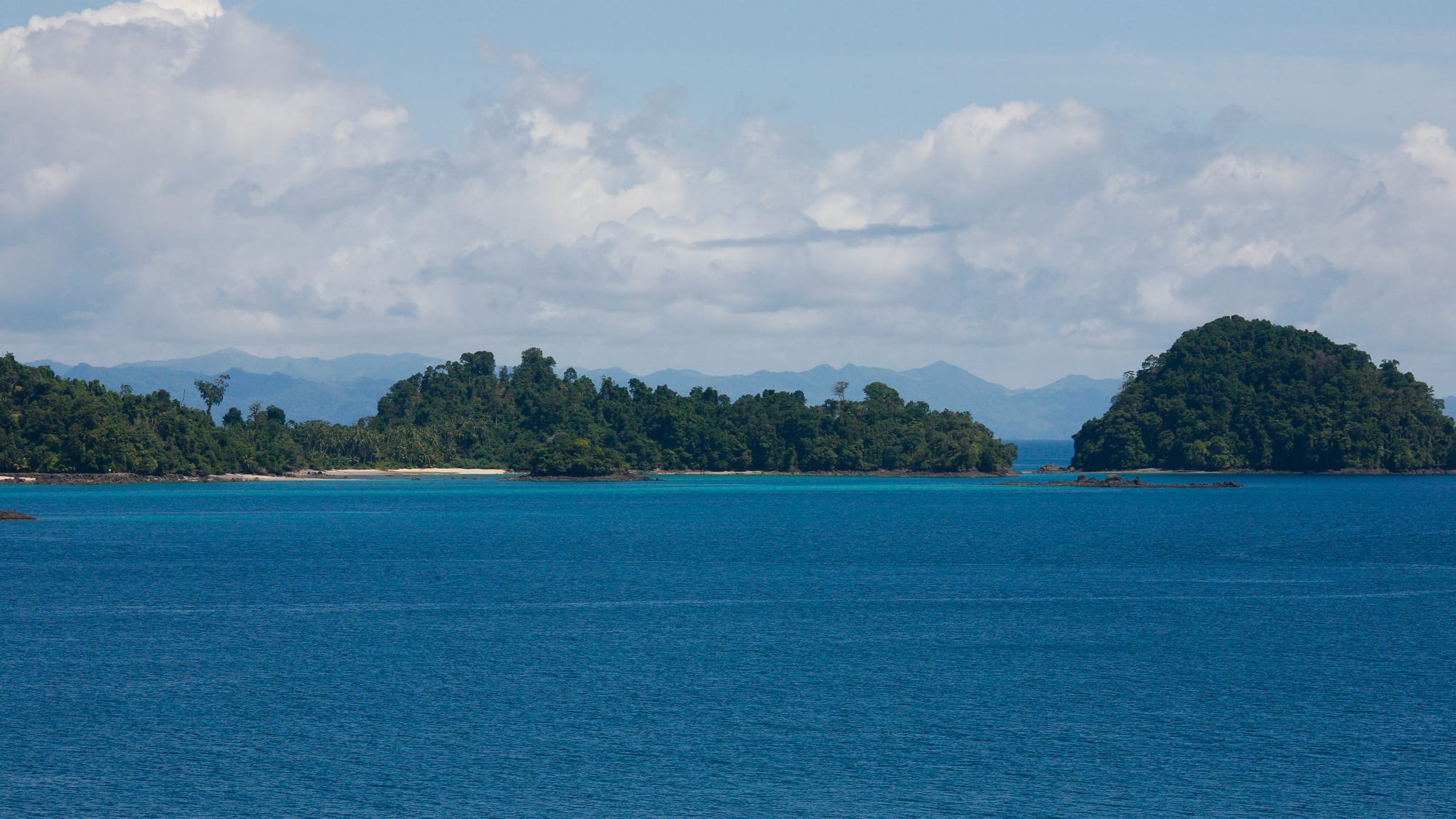
Coiba, Panama's largest island, spent most of the 20th century as a remote penal colony, a history that inadvertently kept its surrounding waters and rainforest almost untouched by development. Now a UNESCO World Heritage Site and marine park, it holds some of the richest biodiversity in the eastern Pacific, with world-class scuba diving among sharks, rays, and humpback whales that migrate through seasonally, alongside a rainforest interior still home to crested eagles and other rarely seen wildlife.
10. Fuerte San Lorenzo
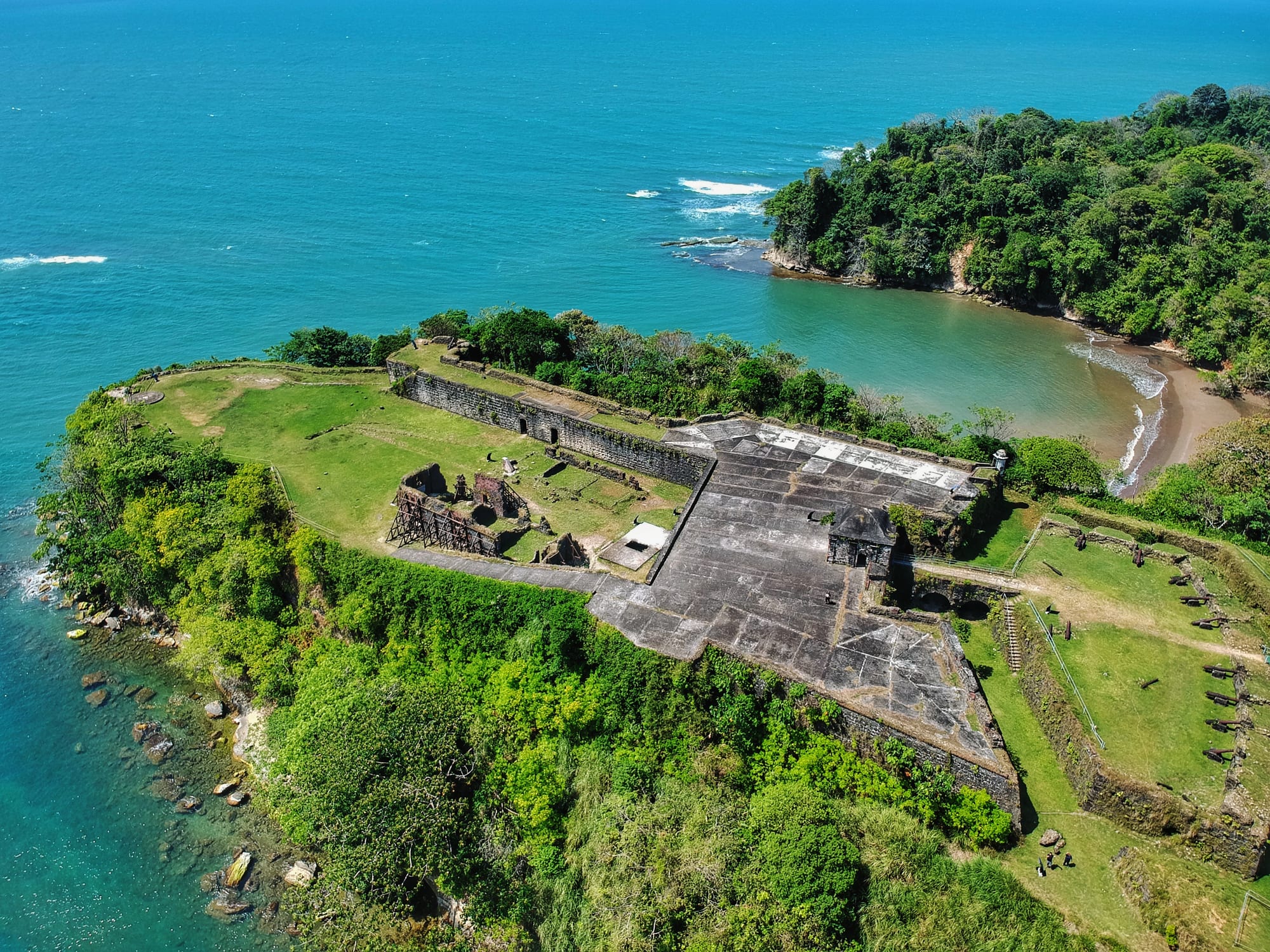
Fuerte San Lorenzo, perched on a forested bluff above the mouth of the Chagres River, was built by the Spanish to defend the overland treasure route to Panamá Viejo and was itself sacked by Henry Morgan in 1671 en route to attacking the capital. Its cannons, moat, and stone ramparts remain remarkably intact today.
A UNESCO World Heritage Site alongside Panama's other colonial fortifications, the fort's dramatic clifftop setting and quiet, rarely crowded grounds make it an easy, scenic add-on for visitors already near the Caribbean entrance to the canal.
Panama combines well as a short trip centred on the canal and Casco Viejo, or extended to two weeks or more by adding the western highlands, the Pacific islands, and either coast — San Blas and Bocas del Toro are rarely combined in a single visit given the distance and different logistics involved.