Daily Life · Palau
Palau: Where Women Choose the Chiefs
A matrilineal clan system that still passes land, titles and traditional money through women, a population of around eighteen thousand with a large Filipino community, and a cash economy that coexists with costly customary obligations
By Worldlore Editorial · 30 September 2026
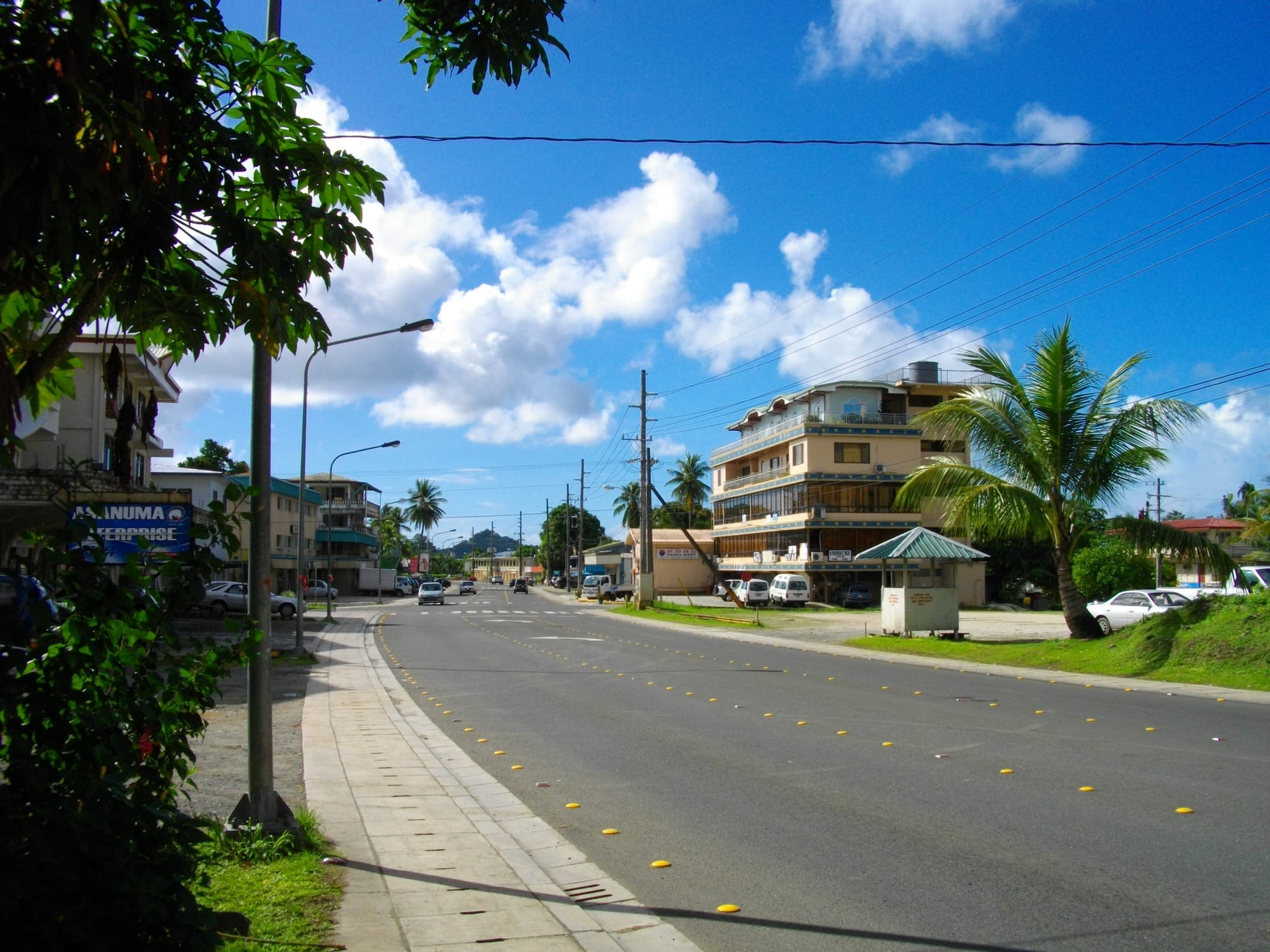
Palau had a resident population of around eighteen thousand at the 2020 census, and nearly all of it lives on Koror and the southern tip of Babeldaob, joined by a single bridge. Daily life here runs on two systems at once: a modern cash economy built on dive tourism, government jobs and US funding, and an older matrilineal clan structure that still governs land, titles and obligation. Filipinos are the second-largest group after Palauans and make up much of a large foreign workforce, so an ordinary day in Koror is often conducted partly in Tagalog or English as well as Palauan.
Family and home life
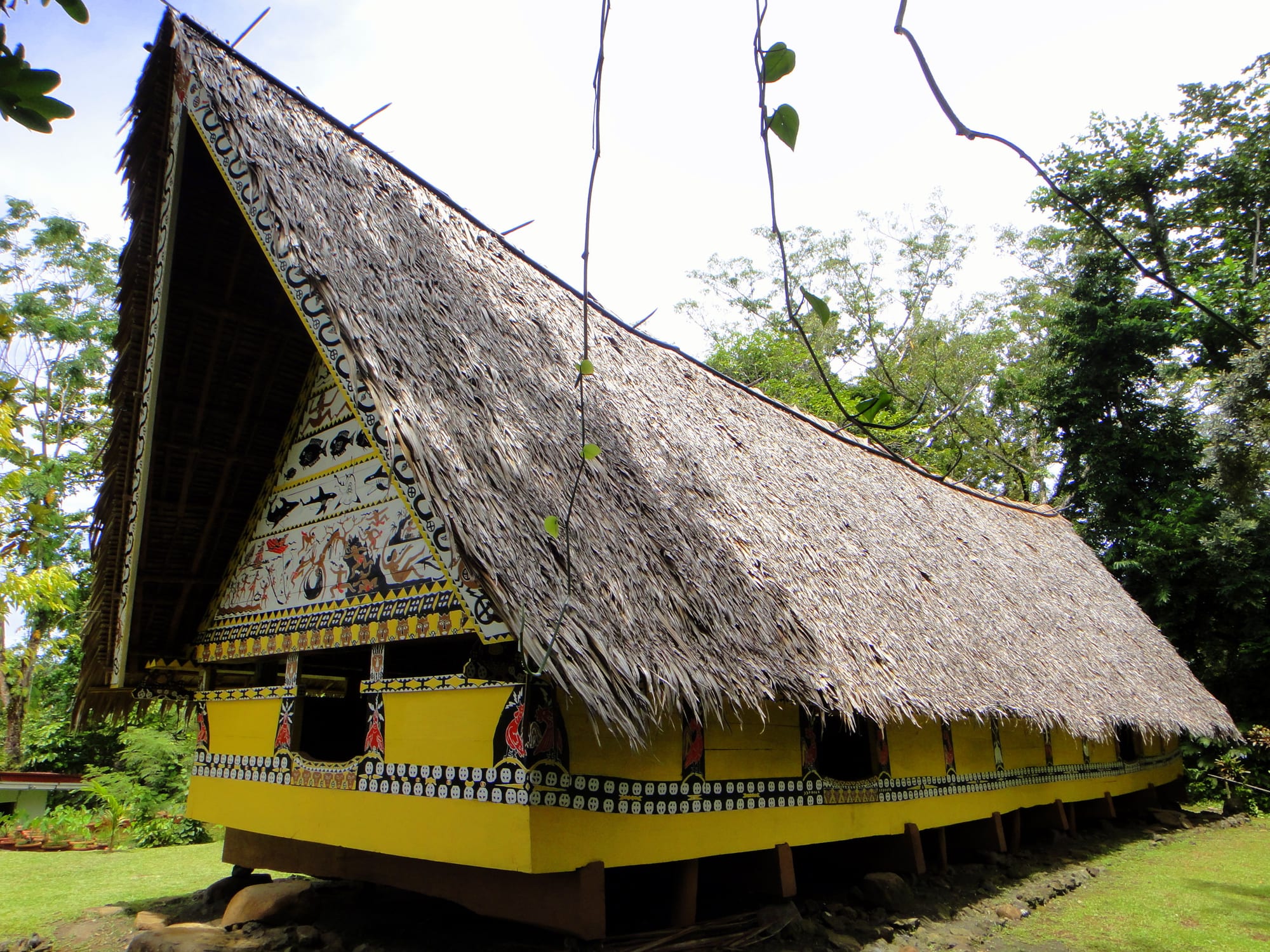
Palauan society is organised around matrilineal clans, in which land rights, traditional titles and the strings of shell and glass beads used as customary money pass down through women rather than men. Senior women of a clan choose the male chiefs who hold public authority and can remove them, a structure that has persisted through Spanish, German, Japanese and American rule and into independence. Family obligation runs on its own separate economy alongside wages: funerals, a child's first-birthday celebration and the conferring of a customary title all call for large exchanges of food, cash and traditional money between clans, so a household's finances can look very different in a month with a major ceremony than in an ordinary one. Extended family ties remain close, and decisions about land and title within a clan are still made collectively rather than by any one person.
Work, school and the rhythm of the day
The economy is built on dive tourism above all, together with fishing licence fees, government jobs and funding from the United States under the Compact of Free Association, which makes it unusually exposed to outside shocks such as the loss of Chinese group tours and the pandemic border closures. A large share of the workforce is foreign, mainly Filipino, working across tourism, construction, and services, so a typical Koror workday brings together Palauan and Filipino colleagues in many workplaces. Traditional taro farming continues alongside this cash economy: taro patches still supply households even as imported food dominates the shops and supermarkets of Koror. Palauan and English are both official languages and English is a core school subject, with most schools concentrated on Koror and southern Babeldaob; getting to school or work from elsewhere on Babeldaob means travelling by road across the island.
Community life and public spaces
Koror holds almost everything that counts as public infrastructure: the shops, banks, restaurants and government offices that a population this small can support. Beyond the town, villages on Babeldaob and the outer islands of Peleliu and Angaur are far quieter, reached by road or, for the Rock Islands and outer islands, mostly by boat, with only limited domestic air services. Churches are a genuine public gathering point beyond commerce: most Palauans are Christian, chiefly Catholic or Protestant, though the syncretic Modekngei faith, blending Christian and indigenous belief, still has its own following and gathering places. There is no significant public transport system, so private cars, taxis and lifts among family and colleagues carry most everyday movement around Koror and across Babeldaob.
Free time and weekends
Sunday is kept largely for church and rest, following the Christian majority's weekly rhythm, with family gatherings and shared meals filling the rest of the day. Chewing betel nut is a common daily and social habit, practised while talking, working or simply passing time. Swimming, boat trips and fishing are recreational as much as practical, drawing on the same waters that underpin the tourism economy. Constitution Day and Independence Day on 1 October are the country's largest shared celebrations, along with the Belau Games and a calendar of customary and church festivals that punctuate the year.
A visitor's ordinary day
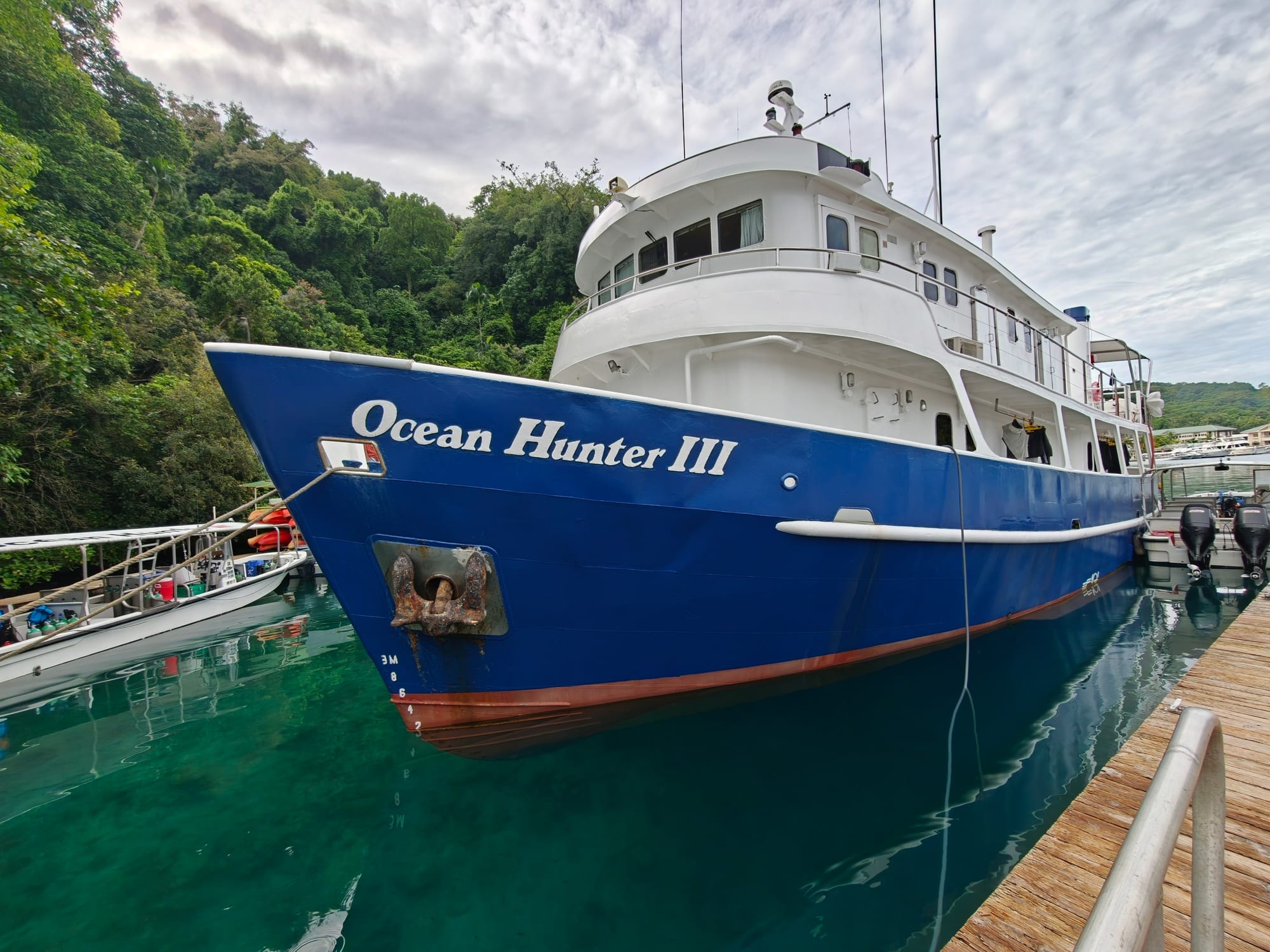
Palau uses the US dollar, and cards are accepted at hotels and dive shops in Koror, but cash is still needed for small restaurants, taxis and market stalls, and the only ATMs are in Koror. Every arriving visitor signs the Palau Pledge, an environmental promise stamped directly into the passport, and reef-toxic sunscreen is banned, so a reef-safe mineral sunscreen is worth bringing or buying locally. There is no public transport, so getting around means a taxi, a hire car, or a boat, and the Rock Islands and Jellyfish Lake each require a permit, whose fees fund conservation. Flights in and out of Palau are limited and change often, so onward travel is worth confirming rather than assuming.
What to take away
An ordinary day in Palau runs through a small, closely related population where a matrilineal clan system, a large Filipino community, and a tourism economy built largely on the reef all have to fit together in one small town.