Food · Palau
Palau: Food and the National Dish
Reef fish and taro from a Pacific island nation better known worldwide for its coral reefs than its cooking
By Worldlore Editorial · 16 September 2026
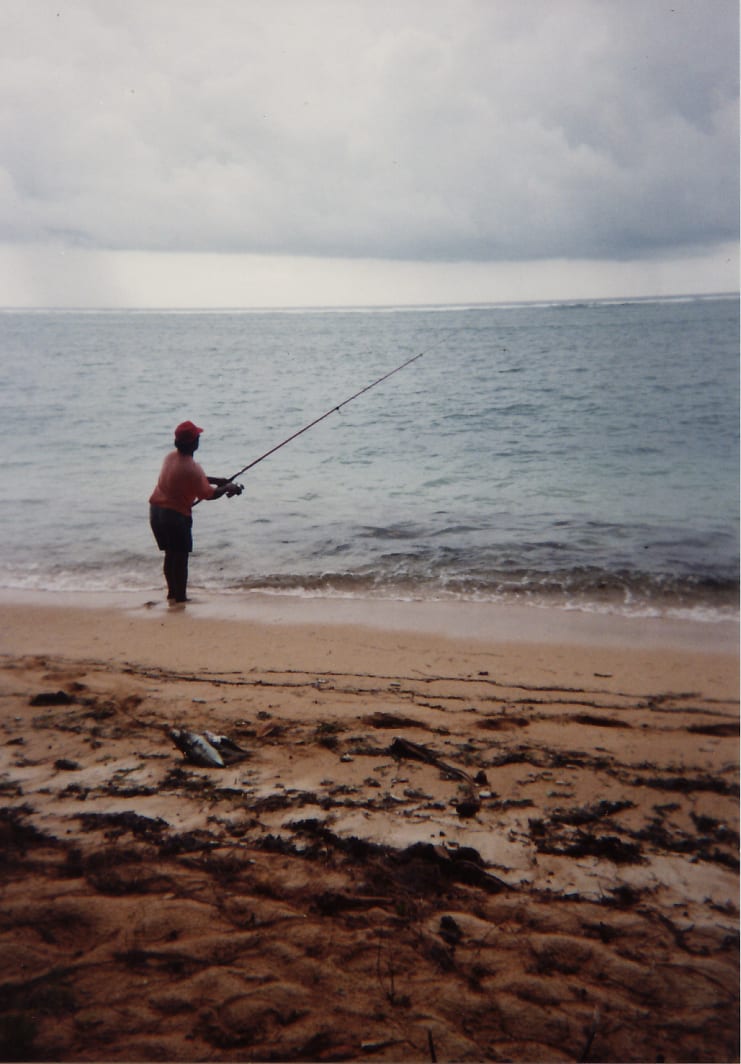
An island nation better known for its reefs than its recipes
Palau's international reputation rests overwhelmingly on its coral reefs and diving, and its food culture, while genuine and lived daily by Palauans, has been far less documented than the marine life just offshore. No single dish has a confidently documented claim as an official national dish, so this article describes what is actually eaten across the islands.
Reef fish, taro and the everyday pantry
Fresh reef fish, caught locally, remains the most consistent everyday protein in Palau, prepared simply and often eaten with rice. Taro, grown in traditional cultivated patches that have been farmed for generations, is a genuine staple crop and carries real cultural significance in Palauan communities beyond its role as food, alongside coconut, breadfruit and other tropical produce suited to the islands' climate.
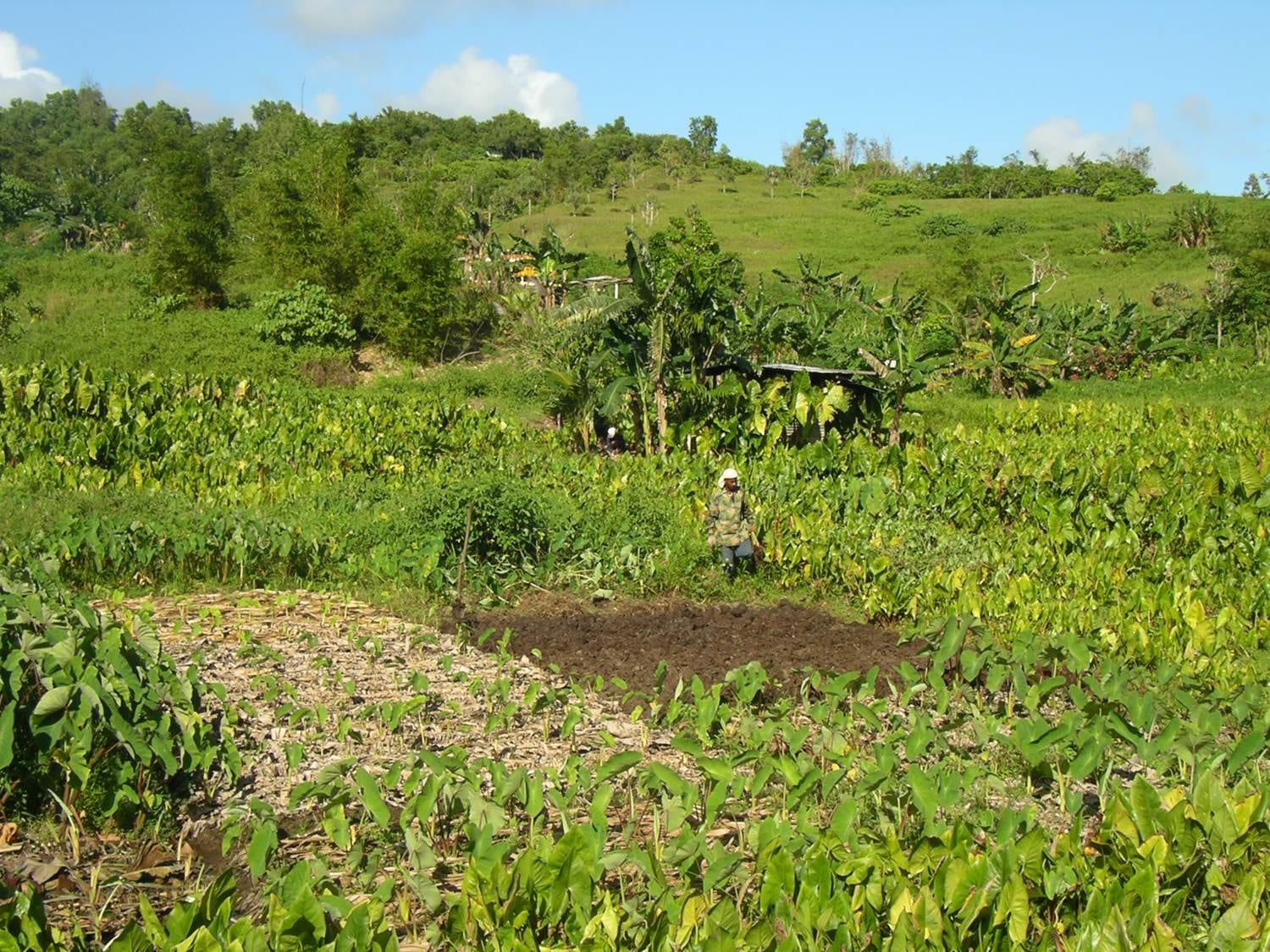
Dishes to know
A few more staples worth recognising in Palau:
- Reef fish — grilled or eaten fresh, the most common everyday
protein.
- Taro — grown in traditional cultivated patches, a genuine staple
crop with cultural significance beyond food.
- Coconut — used in milk and flesh form across much of Palauan
cooking.
- Breadfruit — a starchy staple, boiled or roasted.
Eating as a traveller
Palau imports a meaningful share of its food given the limits of growing everything locally, so rice and packaged goods sit alongside fresh fish and taro on most tables, especially in Koror. Tap water is generally safe in the main towns. Visiting a local market or a taro patch, where still tended in traditional style, offers a genuine look at Palauan food beyond the seafood restaurants built mainly for diving tourists.
What to take from the table
Reef fish with taro is the truest everyday picture of Palauan food — a quieter, less internationally documented side of an island nation better known for what swims around it than for what's cooked on its tables.