Food · Norway
Norway: Food and the National Dish
Mutton and cabbage simmered together in one pot, in a country whose long coastline supplies some of the world's most exported salmon
By Worldlore Editorial · 16 September 2026
A coastal country with a simple, hearty table
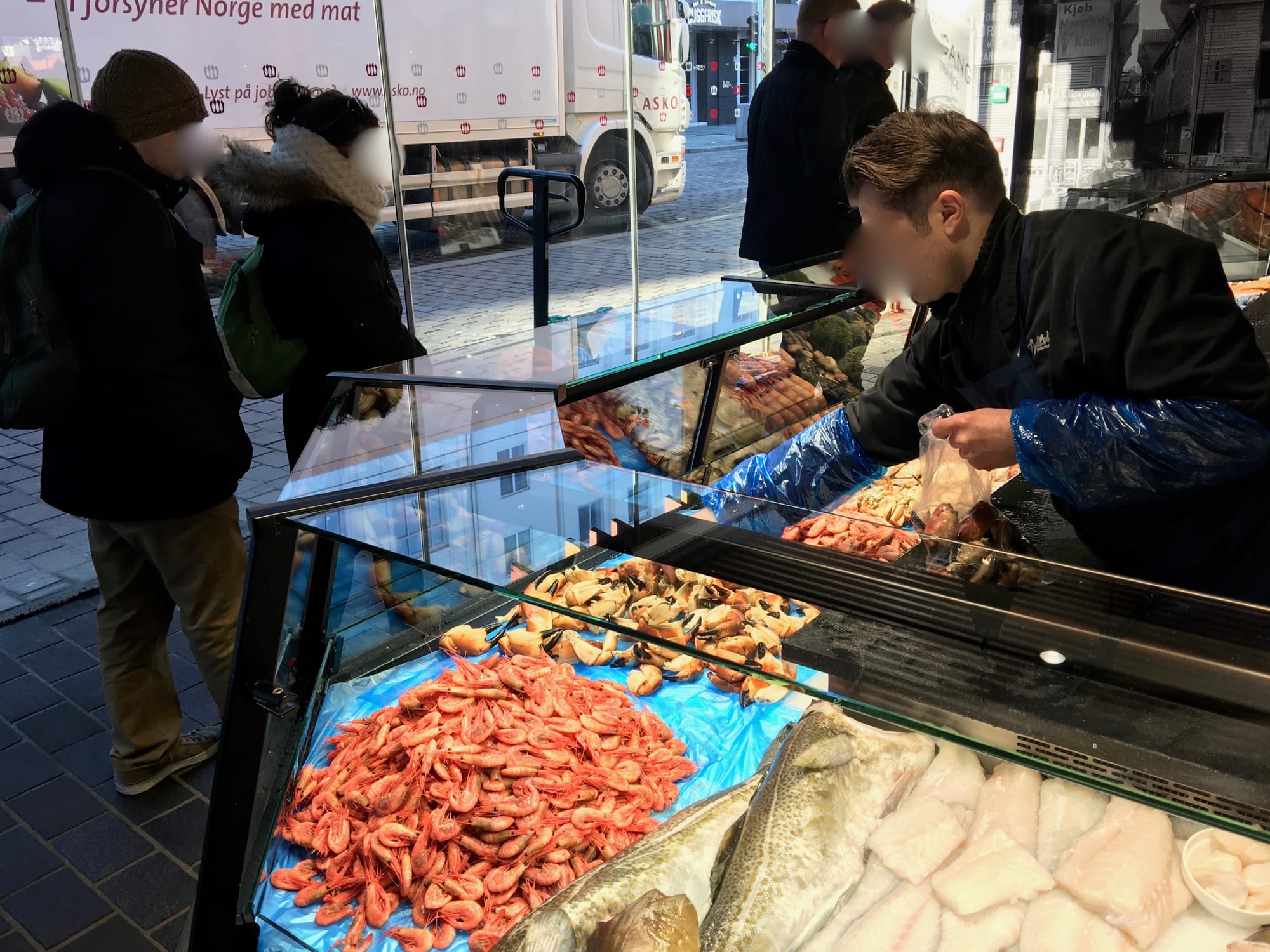
Norway's food reflects its geography directly: a long, dramatic coastline supplying fish and seafood, and a harsh interior climate that favours simple, filling dishes built on meat, potatoes and dairy over elaborate technique. Preserving food through salting, smoking and drying remains a genuine part of Norwegian cooking rather than a historical relic.
The national dish: fårikål
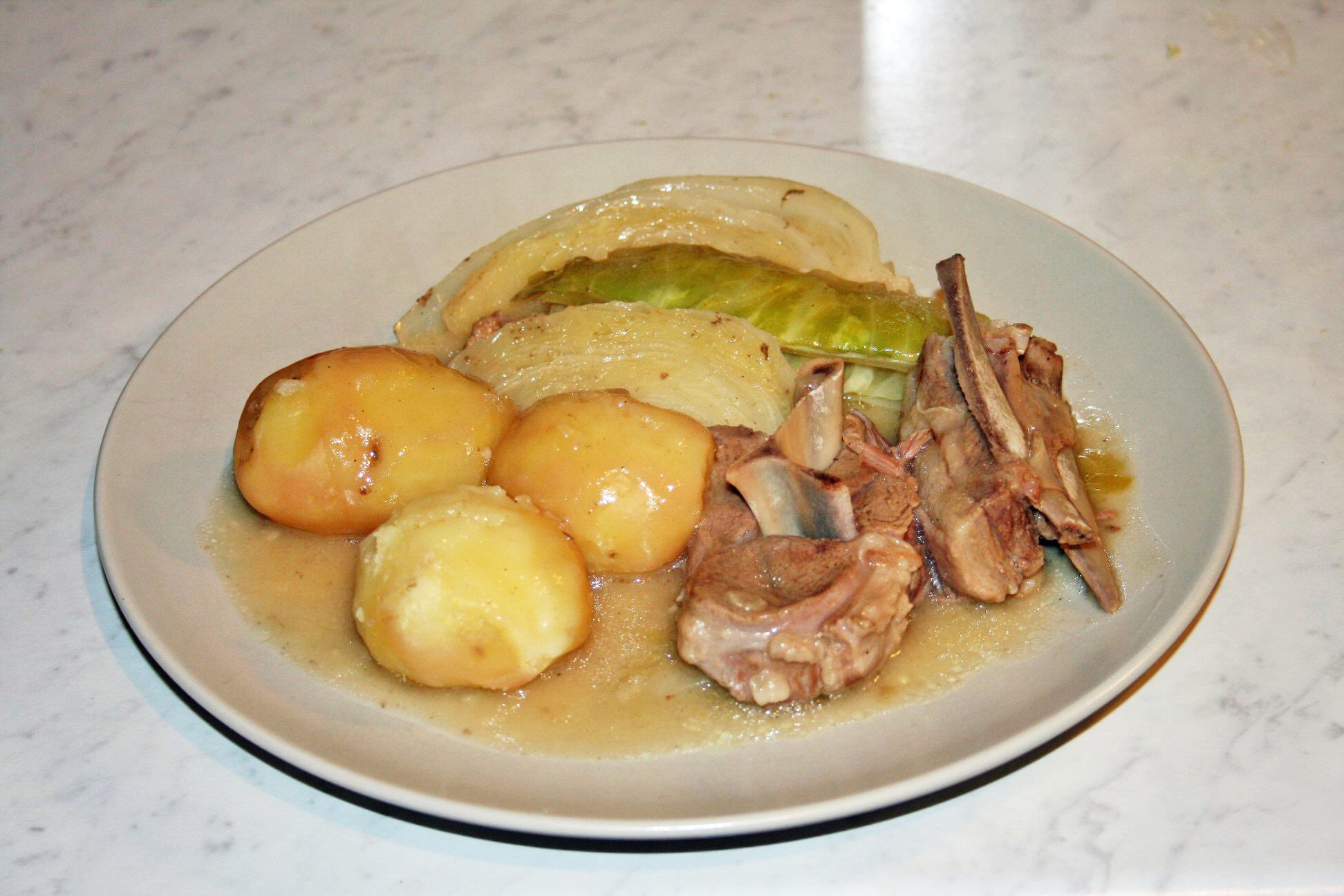
Fårikål, mutton and cabbage simmered together in one pot with just salt, whole peppercorns and water, is Norway's national dish, so strongly recognised that the country holds an official "Fårikål Day" each autumn to mark the start of the season when the dish is traditionally eaten. Genuinely simple by design, fårikål relies on the quality of the lamb and cabbage rather than seasoning or technique.
Salmon, brown cheese and the Norwegian pantry
Salmon, farmed extensively along Norway's coast, has become one of the country's most significant food exports, alongside a long tradition of dried and salted cod called tørrfisk. Brunost, a caramelised brown whey cheese with a genuinely distinctive sweet flavour, and dark rye and whole-grain breads round out a pantry built for a cold climate and a long coastline at once.
History behind the dish
Fårikål's simplicity reflects a genuinely old Norwegian farming tradition, using mutton from sheep slaughtered in autumn alongside cabbage harvested at the same time of year, a practical pairing shaped by the agricultural calendar rather than any deliberate recipe design. Norway's seafood trade, particularly dried cod, has a much longer export history, having supplied European markets for centuries before salmon farming became the country's modern seafood story.
Dishes to know
Five more to recognise across Norway:
- Torrfisk — wind-dried, unsalted cod, a centuries-old Norwegian export
and preservation method.
- Brunost — a caramelised brown whey cheese with a distinctive sweet
flavour, sliced thin for bread.
- Rakfisk — fermented trout or char, a traditional and strongly
flavoured delicacy.
- Lutefisk — dried whitefish rehydrated in a lye solution, a
traditional Christmas dish with a genuinely divisive texture.
- Kjøttkaker — Norwegian meatballs, usually served with brown gravy,
potatoes and lingonberry.
Drinks
Coffee is a genuine daily habit in Norway, among the highest per-capita consumption rates in the world. Aquavit, a caraway- and dill-flavoured spirit, is the traditional drink for festive occasions, and Norwegian beer, though historically taxed heavily, has a growing craft scene today.
Eating as a traveller
Vegetarians will find bread, dairy and vegetable dishes manageable, though meat and fish are central to most traditional Norwegian cooking. Tap water is safe and of very high quality throughout the country. Trying fårikål in September, around the official Fårikål Day, offers a genuine sense of how tied the dish remains to Norway's agricultural calendar.
What to take from the table
Fårikål, plain and seasonal, is the dish that best represents Norwegian food's quiet confidence — and a plate of smoked salmon alongside it is a direct taste of the coastline that has fed the country for centuries.