Culture & Customs · Norway
Norway: A Nation of Equals and the Great Outdoors
A quiet rule against standing out, a legal right to walk almost anywhere, and a calendar of children's parades, midsummer bonfires and Easter crime novels that the whole country keeps together
By Worldlore Editorial · 30 September 2026
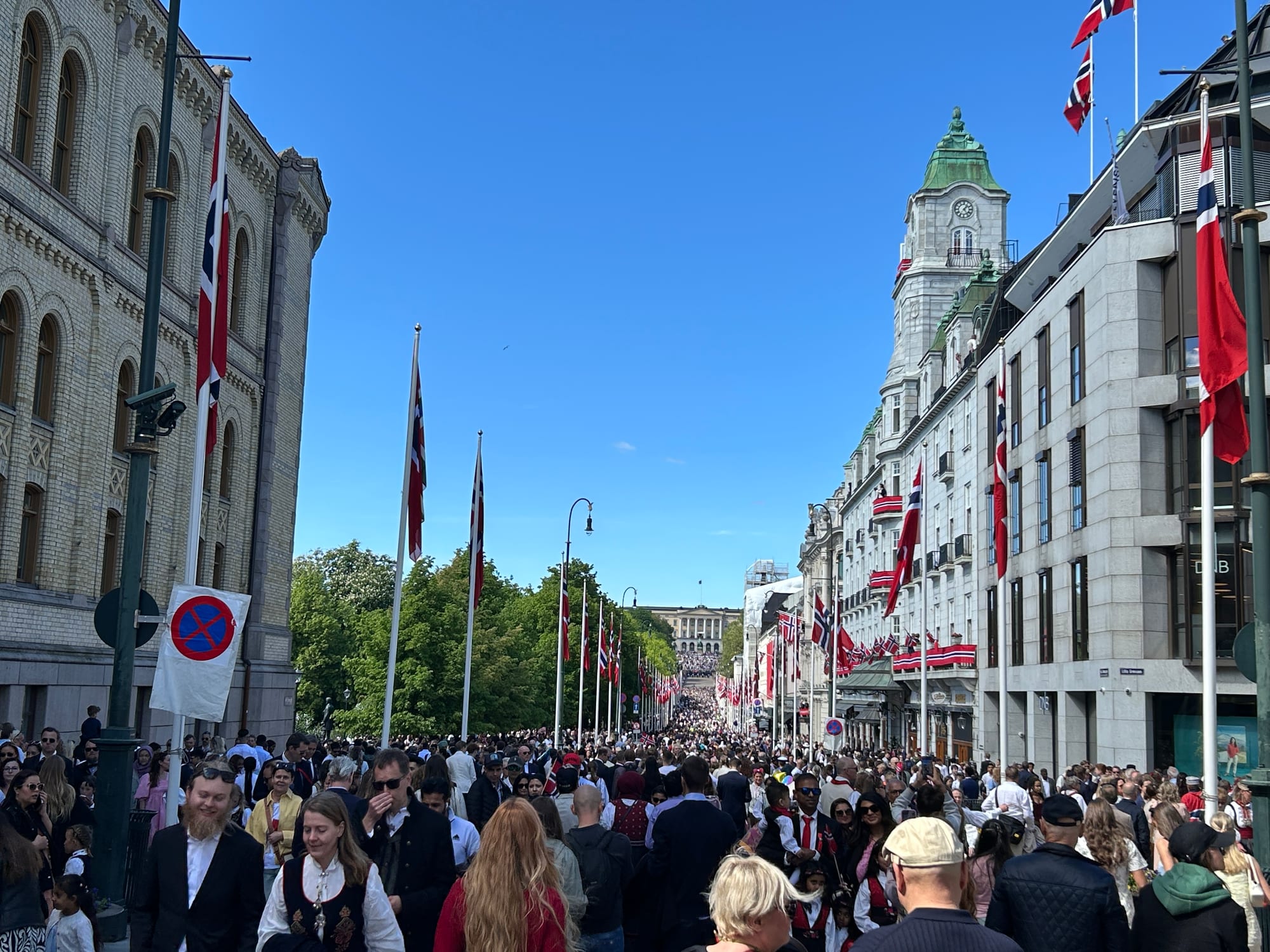
On the morning of 17 May, schoolchildren gather in lines behind their school banners, and the country's streets fill with flags. There are no tanks and no soldiers on parade. Instead, the barnetog, the children's procession, has been the heart of Constitution Day since the writer Bjørnstjerne Bjørnson organised the first one in 1870, according to Store norske leksikon, Norway's national encyclopedia. School bands play, parents and grandparents line the pavements in bunad, the embroidered folk costume, and since 1906 the royal family has waved to the passing children from the palace balcony in Oslo. It is a national day that celebrates the country by putting its youngest citizens at the front, and it captures a good deal about Norway: pride expressed without swagger, a strong sense of shared belonging, and a preference for the ordinary over the grand.
Faith, identity and values
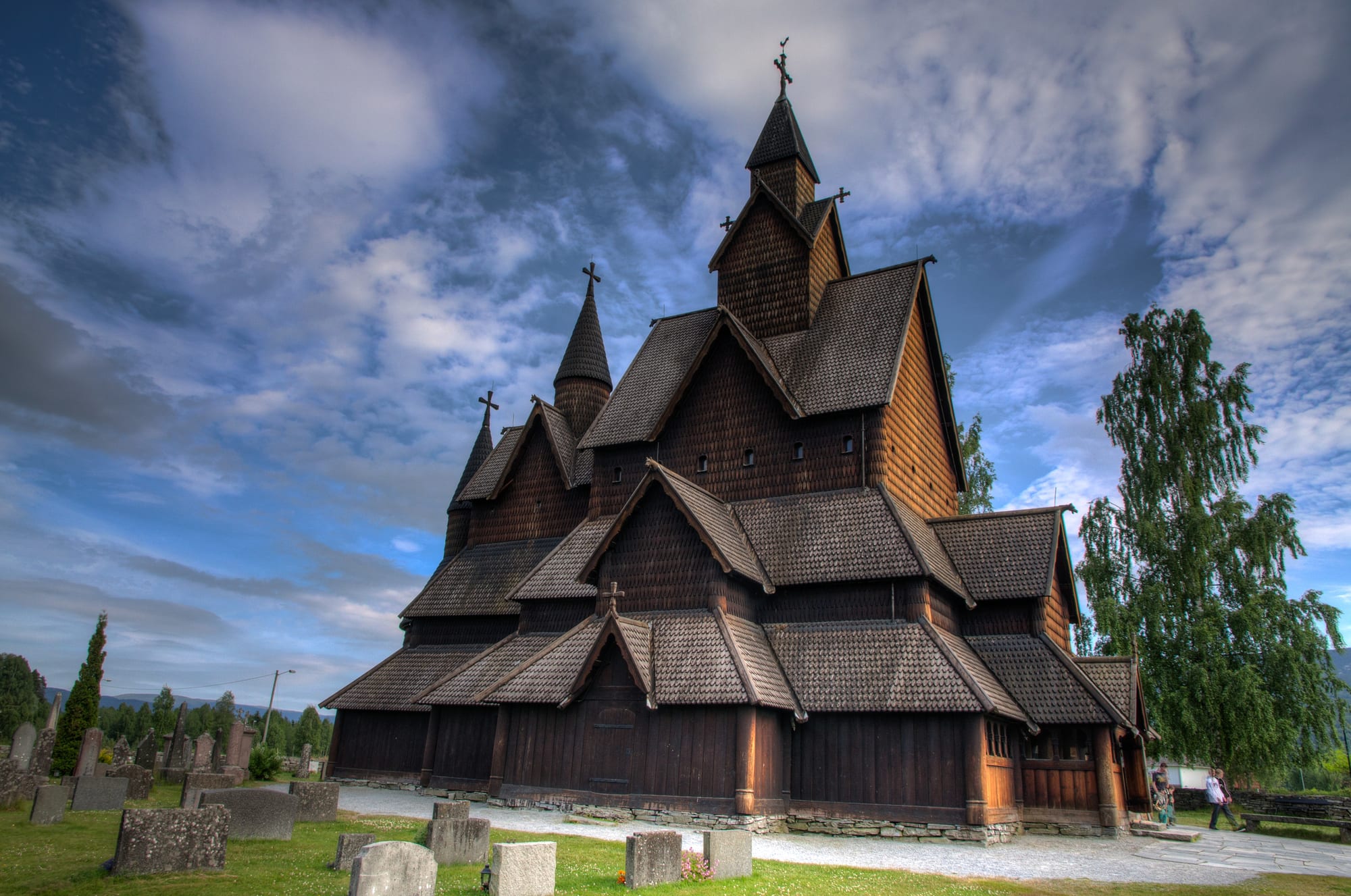
Norway is a largely secular society that still turns to the church for life's milestones. Statistics Norway reports that around 61 per cent of the population were members of the Lutheran Church of Norway in 2025, that just over half of newborns were baptised in it, and that around four in five funerals were held in church. Regular worship is far less common, but the rituals of the church remain woven into family life, and the country's medieval wooden stave churches are among its best-loved buildings.
The values that shape everyday behaviour are more social than religious. The best known is the Law of Jante, a set of ten mock commandments from Aksel Sandemose's 1933 novel about a small town where anyone who stands out is cut down to size. Its first rule, "you shall not think you are something", has become shorthand for a wider distaste for boasting and showing off. Norwegians are generally informal and egalitarian: first names are used for almost everyone, and displays of wealth or status tend to be met with quiet disapproval. Dugnad, unpaid communal work for a housing association, school or sports club, is so central to community life that the national broadcaster NRK named it Norway's national word in 2004.
Closely tied to these values is friluftsliv, "open-air life", and the right that underpins it. Under allemannsretten, the right to roam set out in the Outdoor Recreation Act of 1957, anyone may walk, ski and paddle across uncultivated land, pick wild berries, mushrooms and flowers, and pitch a tent, as long as it is at least 150 metres from an inhabited house and generally for no more than two nights in the same place. The right comes with a duty to behave carefully and considerately. Cutting down dead, dry trees for a campfire is not part of it, and campfires in or near forest are banned from 15 April to 15 September.
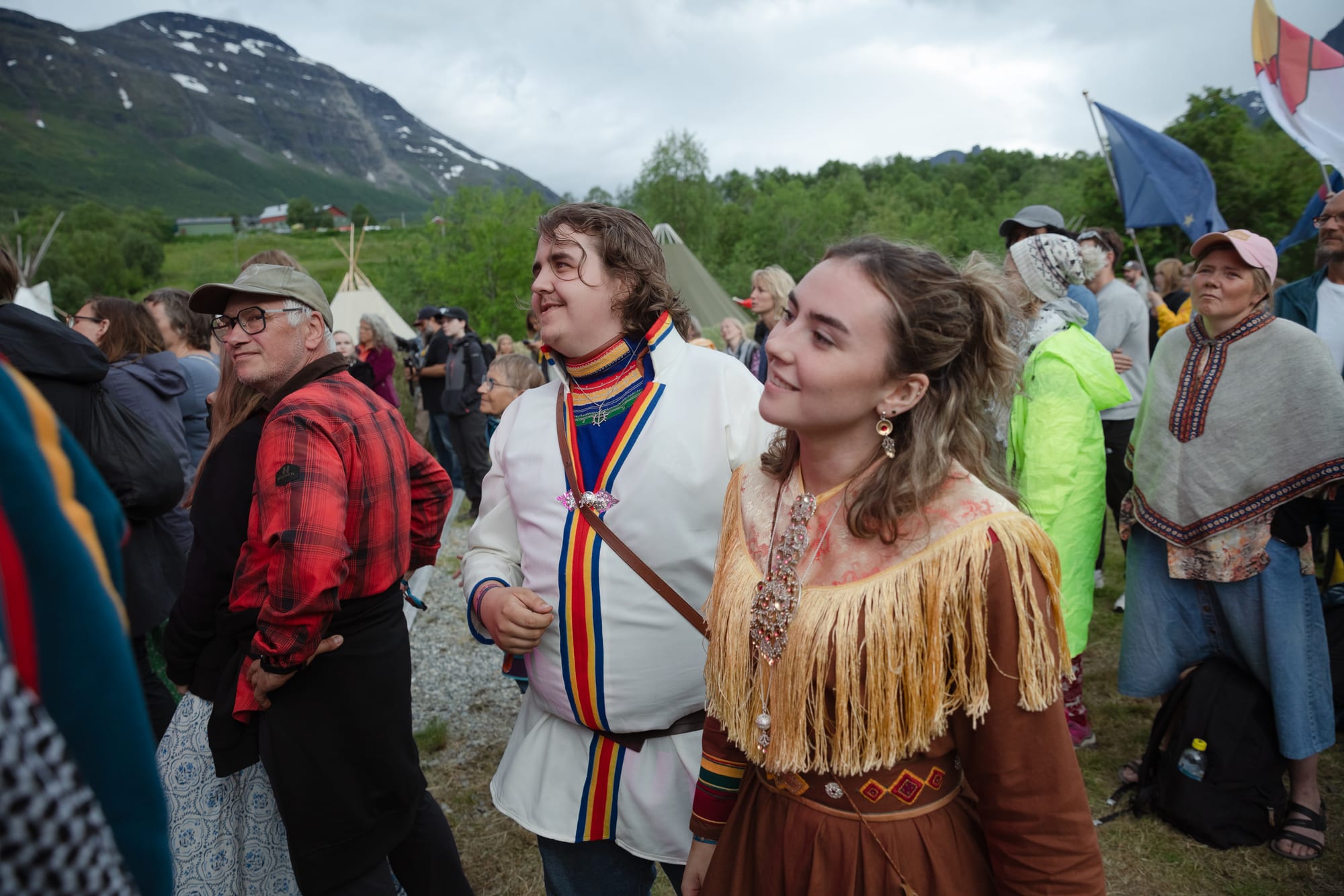
Norway is also home to the Sámi, an Indigenous people whose homeland, Sápmi, stretches across the north of Norway, Sweden, Finland and Russia. In June 2023 a commission appointed by the Storting delivered a report of some 700 pages on the policy of Norwegianisation and the injustices done to the Sámi, the Kven/Norwegian Finns and the Forest Finns. It found that schools had played a significant part in the state's efforts at assimilation, and in November 2024 the Storting issued a formal apology.
Greetings and meeting people
Greetings are brief and unfussy. A firm handshake or a nod is usual when meeting someone, with eye contact and a smile; hugs and kisses are kept for close friends and family. Norwegians are often described, including by the intercultural writer Tone Delin Indrelid on Life in Norway, as a "coconut culture": reserved with strangers, but warm once a friendship is made. Small talk with people they do not know is uncommon, and silence on buses and trains, or between acquaintances, is not considered awkward. Personal space matters, and it is respected in queues and on public transport.
Communication is direct. Norwegians value saying what they mean, "calling a spade a spade", and a plain answer is not meant as rudeness. The language rarely uses a word for "please" in everyday speech, so politeness is carried instead by tone, by phrasing requests as questions such as "kan jeg få...?" ("may I have...?"), and above all by the word takk, "thank you", which is used constantly. Safe topics of conversation include holidays, weekend plans, books, films and children, while questions about money, salaries or someone's weight are best avoided.
Hospitality and being a guest
Invitations to a home are a sign of real friendship. Shoes come off at the door, especially in winter, when no one wants snow and grit carried through the house. Timing matters: according to Life in Norway, arriving early is as impolite as arriving late. At the table, reaching across for a dish rather than interrupting the conversation to ask for it, sometimes called the "Norwegian arm", is perfectly acceptable. When the meal is over, each guest thanks the host with "takk for maten", "thanks for the food". At formal dinners, such as weddings, confirmations or the Christmas parties known as julebord, a guest usually gives a short takk for maten speech after dessert, thanking the hosts on behalf of everyone.
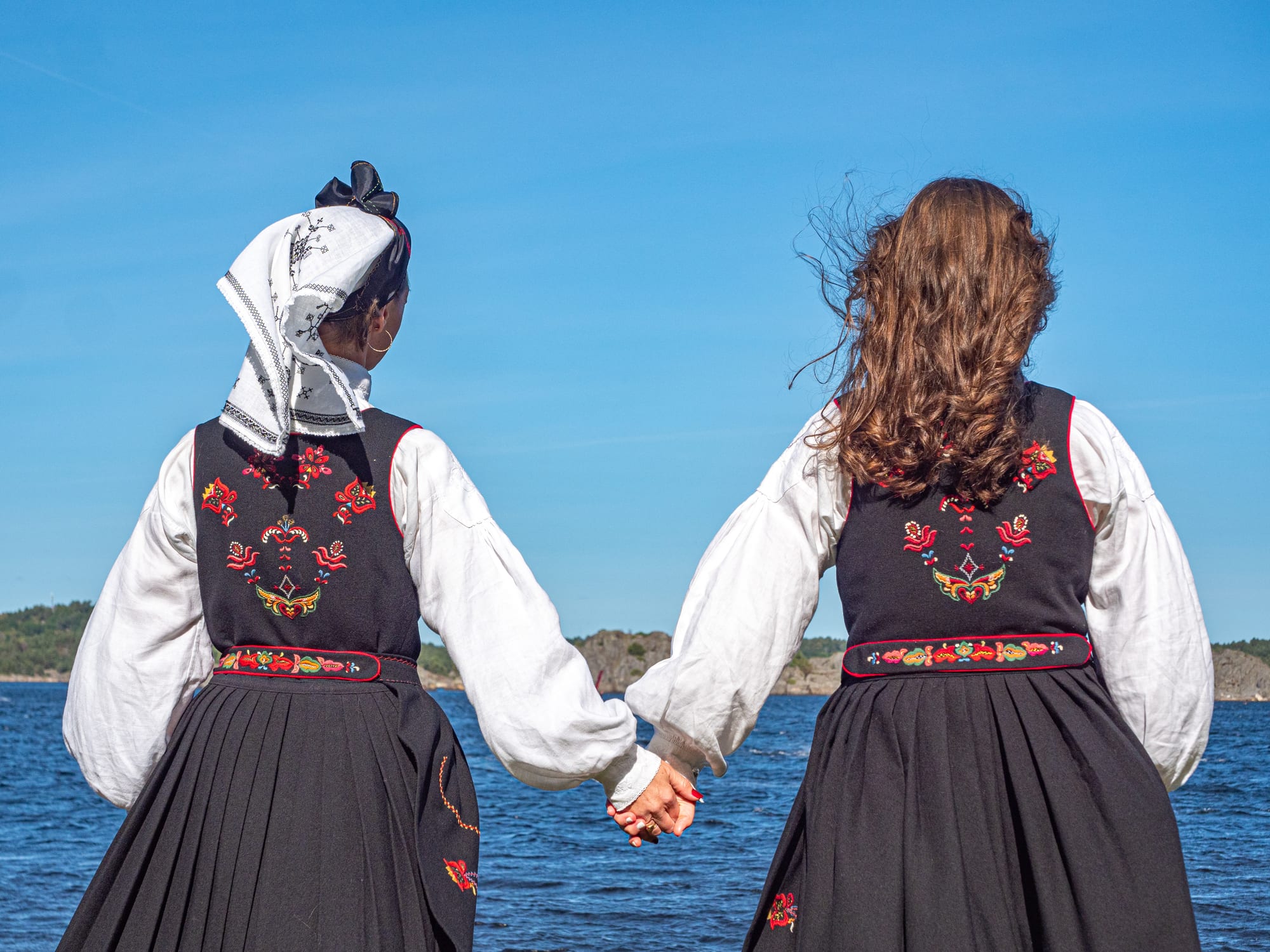
The bunad carries its own etiquette. Visit Norway notes that it is treated with respect: someone wearing one is expected not to overdo the make-up or drink too much, since the costume is regarded as formal dress for the most important occasions.
Festivals and life's big moments
Christmas centres on Christmas Eve rather than Christmas Day. Store norske leksikon notes that Christmas is "rung in" at five o'clock on the afternoon of 24 December, when church bells ring out across the country, and that presents are opened that evening, often brought by the julenisse, a figure that blends Santa Claus with the household spirit of folk belief. Some families still leave out a bowl of porridge for the nisse. In the old custom of julebukk, people in masks and costumes go from house to house over the Christmas season asking for treats; today it is mostly children who keep it up.
The run-up to 17 May belongs to the russ, school leavers who celebrate the end of upper secondary school in the weeks before their final exams, in overalls whose colour shows their programme of study, and in russ caps worn since 1905. Midsummer brings Sankthans, St John's Eve, on 23 June, when large bonfires are lit on hilltops and other prominent spots, a custom that may reach back to pre-Christian midsummer rites. On 6 February, Sámi National Day marks the first Sámi political assembly, held in Trondheim in 1917 and organised by the activist Elsa Laula Renberg; it is an official flag day in Norway.
Confirmation at around 15 is one of the biggest family events of a young person's life. Store norske leksikon records that just under half of all 15-year-olds are now confirmed in the Church of Norway, while around a fifth choose a humanist confirmation instead. Either way, the day is marked with a family gathering, gifts and often a first bunad: UNESCO notes that many girls acquire their costume at confirmation. Weddings, many still held in church, bring speeches, the bunad and the takk for maten tale. Most funerals, too, are held in church, and the bunad is also worn for christenings, the other great church occasion in family life.
Arts, crafts and music
The bunad is the most visible living tradition, and in 2024 it was added to UNESCO's list of intangible cultural heritage. Store norske leksikon counts around 450 different bunads, each tied to a particular district, and records that around 70 per cent of Norwegian women and just over 20 per cent of men own one. The modern bunad owes much to the national romantic movement of the 1800s and to the writer Hulda Garborg, whose 1903 book gave the word its present meaning. Made from wool, linen and silk, with embroidery and silver brooches known as sølje, a bunad is often made to measure, can last a lifetime and is frequently handed down within the family. UNESCO notes that knowledge of how and when to wear it is often passed on by an aunt or grandmother, and that many new citizens adopt a bunad too.
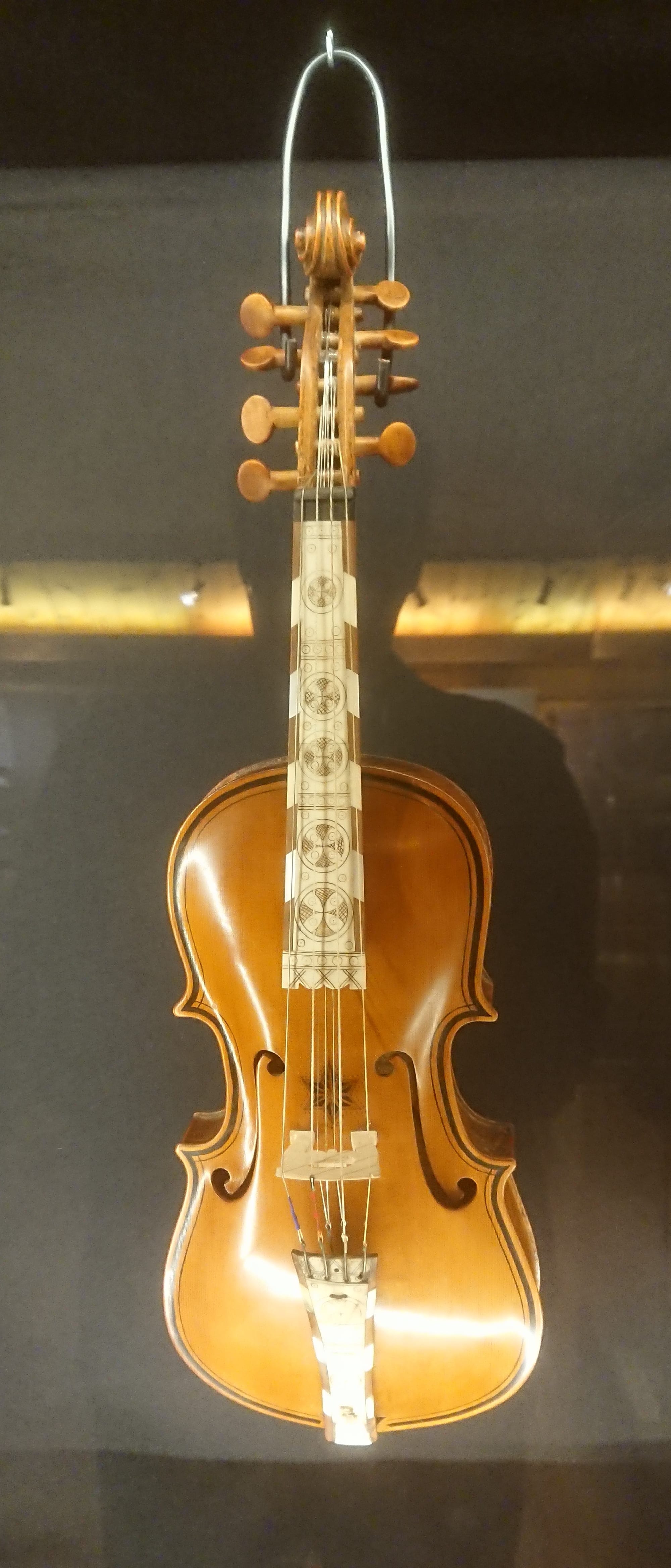
Folk music remains strong. The Hardanger fiddle, the hardingfele, looks like a violin but has four or five sympathetic strings beneath the playing strings that resonate to give a rich, ringing sound. It became a national symbol in the nineteenth century and is used above all for traditional dance tunes. The traditional music, dance and stev singing of Setesdal is on UNESCO's list, alongside Nordic clinker boat-building and the knowledge and practices of seasonal summer farming.
Rosemaling, "rose painting", flourished among rural painters in the 1700s and 1800s, who covered chests, cupboards, beds, ceilings and whole rooms with bold scrolls and flowers. Sámi culture has its own great musical form in joik. Store norske leksikon explains that a joik does not so much describe a person or place as express who they are; traditionally a person owned their own joik. Suppressed during the missionary era, the tradition has been revived and carried into popular music by artists such as Mari Boine.
Dos and don'ts for visitors
- Do greet people with a firm handshake and use first names; keep hugs for close friends.
- Do take shoes off when entering someone's home.
- Do arrive on time for invitations, neither early nor late.
- Do say "takk for maten" to the host at the end of a meal.
- Don't expect small talk with strangers, and keep voices low on public transport.
- Don't boast or draw attention to wealth or status; modesty is valued.
- Do use the right to roam responsibly: camp at least 150 metres from houses, move on after two nights, never cut trees for firewood and respect the summer ban on campfires near forest.
What to take away
Norway's customs rest on equality, modesty and a shared love of the outdoors, and visitors who are punctual, plain-spoken and considerate of others will find Norwegians' reserve quickly gives way to warmth.