Culture & Customs · Northern Mariana Islands
Northern Mariana Islands: Latte, Mwar and the Nine Nights
Two Indigenous peoples, CHamoru and Carolinian, sharing a Catholic calendar, a greeting that bows over an elder's hand, and a web of giving and receiving that holds families together from christening to the last rosary
By Worldlore Editorial · 30 September 2026
A family gathering is under way, and a teenager arrives late. Before greeting anyone else, she crosses the room to her grandmother, takes the older woman's right hand, bows slightly and brings the back of the hand up to her nose. "Ñora," she says. "Dioste ayudi," comes the reply: "God help you." The gesture, called nginge', takes a second, and many children learn it young. Guampedia, the encyclopedia of CHamoru history and culture, notes that the custom of smelling an elder's hand predates colonial rule and was understood as taking in something of the elder's spirit. It captures a great deal about the Northern Mariana Islands, where respect for elders, obligation to family and a deep Catholic faith shape everyday life across two Indigenous peoples and a much larger, mixed community.
Faith, identity and values
The Commonwealth is home to two Indigenous peoples. The CHamoru are descended from the islands' first settlers, who raised the great stone pillars known as latte. The Carolinians, who call themselves Refaluwasch, came from the outer islands of the central Carolines in the early nineteenth century, after typhoons devastated their home atolls, and settled on Saipan under Spanish rule. Their language, Carolinian, belongs to the Chuukic group of Micronesian languages and is quite distinct from CHamoru, and their seafaring tradition used a star compass of many points to navigate across open ocean. The Commonwealth recognises both peoples as Indigenous, with particular rights to own land, and CHamoru and Carolinian are official languages alongside English. The two are distinct peoples with their own histories, and it is worth not treating them as one.
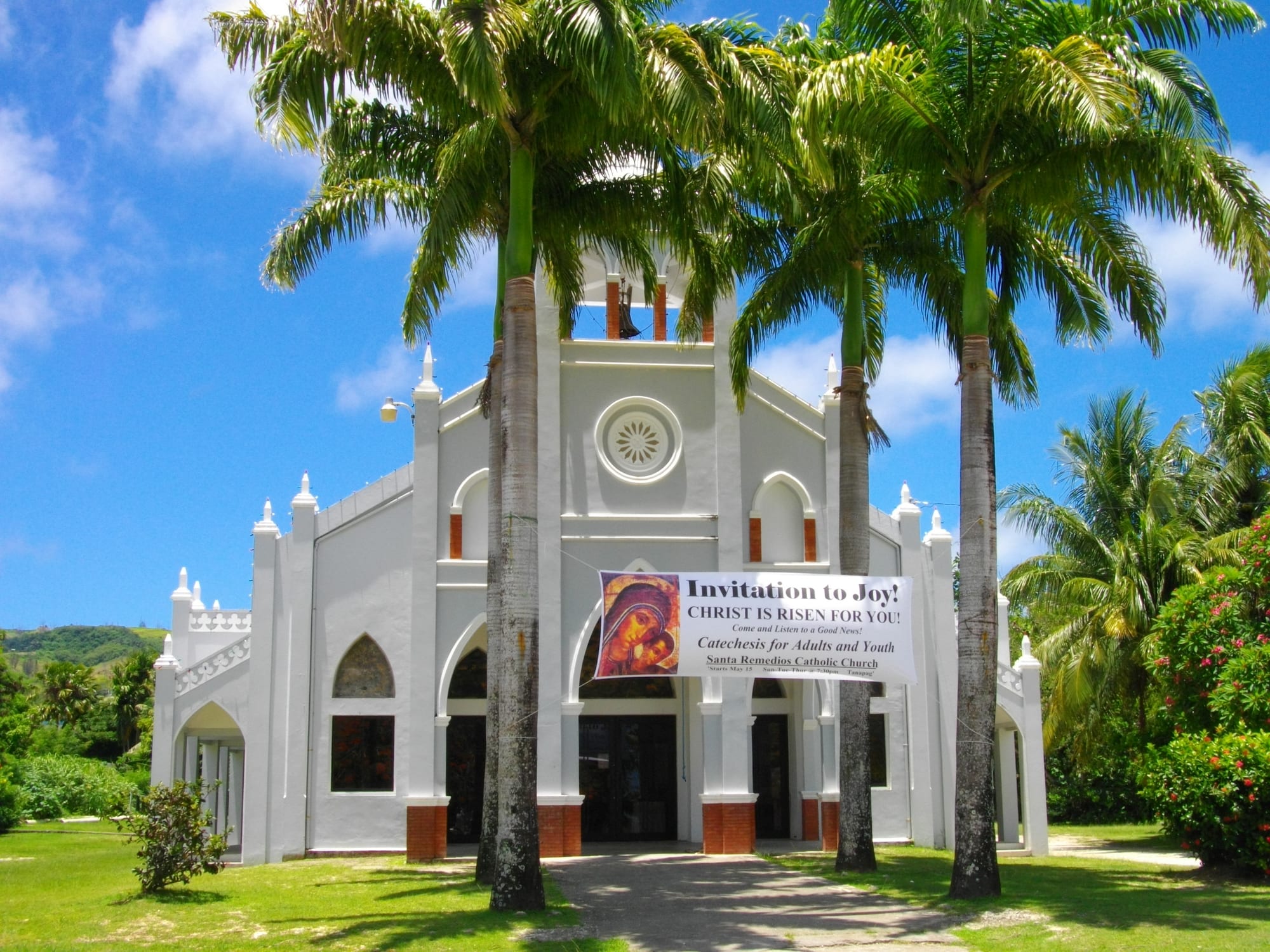
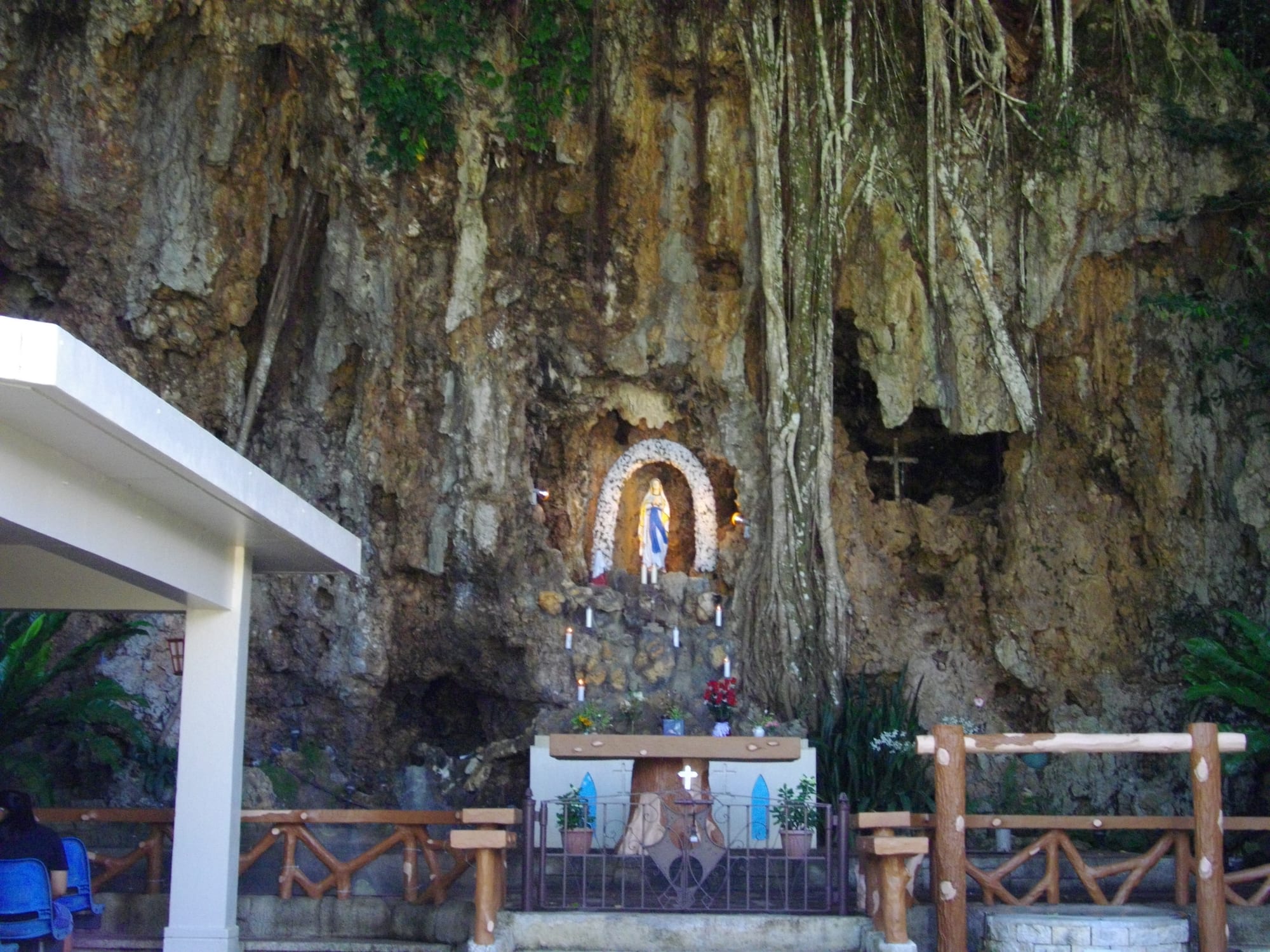
Most CHamoru and Carolinian families are Roman Catholic, a legacy of the Spanish period, and the church sits at the centre of community life. As the University of Guam researcher Amy Owen has written, many older beliefs survived by being folded into Catholic practice. The CHamoru belief that the spirits of the dead wandered for nine days before judgment, for example, found a new home in the nine-day novena of prayers for the dead.
Beneath the faith sit values that shape how people treat one another. The CHamoru idea of inafa'maolek, literally "to make good", means keeping harmony and interdependence within the family and community. Guampedia lists the values that support it: respetu, respect for elders and people of standing; mamåhlao, a sense of shame that governs conduct; chenchule', reciprocal giving; che'lu, the bond between siblings; and påtgon, the idea that children are everyone's responsibility. Mamåhlao in particular explains a good deal of everyday behaviour. A well-brought-up person is modest, avoids boasting or making a scene, and does not shame others in public, because a person's conduct reflects on the whole family. The traditional reminder is "mungga na un ma' mamåhlao": don't bring shame on the family.
Greetings and meeting people
The everyday CHamoru greeting is "håfa adai", a cheerful hello used for friends and strangers alike, and Carolinian has its own greeting. With elders, greetings are more formal. The nginge' is performed by a younger person to an elder or to someone in authority: the elder's right hand is lifted, the younger person bows and touches the back of it to their nose, saying "ñora" to a woman or "ñot" to a man, words that come from the Spanish señora and señor. The customary answer, "Dioste ayudi", is a blessing. Guampedia notes that the practice has adapted over time, and a sniff or kiss on the cheek with the same words is now common too. When a younger CHamoru meets an elder, the nginge' is traditionally expected.
Restraint is part of good manners. The code of mamåhlao expects people to refuse food or drink once before accepting it, and to wait to be called on rather than putting themselves forward. Loud, boastful or self-important behaviour is frowned upon, and to be called taimamåhlao, "without shame", is a sharp criticism that implies poor upbringing. Surveys of young people in the Commonwealth and on Guam, reported by Owen, found that "showing respect" to elders remains one of the most strongly held traditions, even where language and other customs are fading.
Hospitality and being a guest
Generosity with food and hospitality to strangers are points of pride. Village fiestas, held for each parish's patron saint, are the clearest example. Guampedia describes the sequence as nine days of nobena, special rosaries, leading to a procession and festal Mass, after which devotees are fed at a communal meal. Families open their homes to relatives and friends from across the islands, and neighbours contribute their share of food and money towards the feast. The communal meal, Guampedia notes, was historically meant to feed devotees who had travelled from far away to attend.
Chenchule' underpins social life. It is a system of exchange in which families support one another at weddings, funerals, births and other milestones with labour, food, supplies or, most often today, money. Families keep written records of what they receive, noting the date, the type of gift and the amount, so that it can be returned in kind when the giver's own family has an occasion. Guampedia explains that reciprocity is not immediate and that obligations can pass between generations: giving less than was received leaves a debt, while giving more clears it and creates a new obligation in return. For a visitor invited to a family event, a modest contribution is a way of taking part in this web of support.
Festivals and life's big moments
The calendar runs on a mix of Catholic feasts and community celebrations. Village fiestas take place through the year. Liberation Day brings festivities organised on Saipan by a Liberation Day committee: a parade of decorated floats representing villages, schools and organisations, with marchers in traditional CHamoru and Carolinian dress, a queen contest, carnival rides, local food and fireworks. The Flame Tree Arts Festival, run by the Commonwealth Council for Arts and Culture, is held on Saipan. It brings together music and dance, a visual art competition and demonstrations of traditional skills such as canoeing, carving, jewellery-making and weaving.
Life's milestones are family affairs, often with dozens of relatives involved. Among CHamoru families, marriage traditionally began with the mamaisen saina, a formal visit by the young man's parents to ask the permission of the young woman's parents. The groom's family then hosted the largest prenuptial party, known as the fandånggo, and godparents played an important role both as chaperones and as contributors. Guampedia notes that many modern weddings follow more Western patterns, but gifts and contributions still flow between the families.
Death brings the most elaborate customs of all. The bela, or wake, is a time for visitors to view the body, surrounded by flowers and candles, and to pray; rosaries are said throughout the day. After a death, the family holds nine nights of rosaries, often led by a techa, a traditional prayer leader. Mourners bring ika', monetary gifts that help with funeral costs and fulfil obligations of reciprocity. The first anniversary of the death brings the extended family together again to pray and mark the end of mourning.
Arts, crafts and music
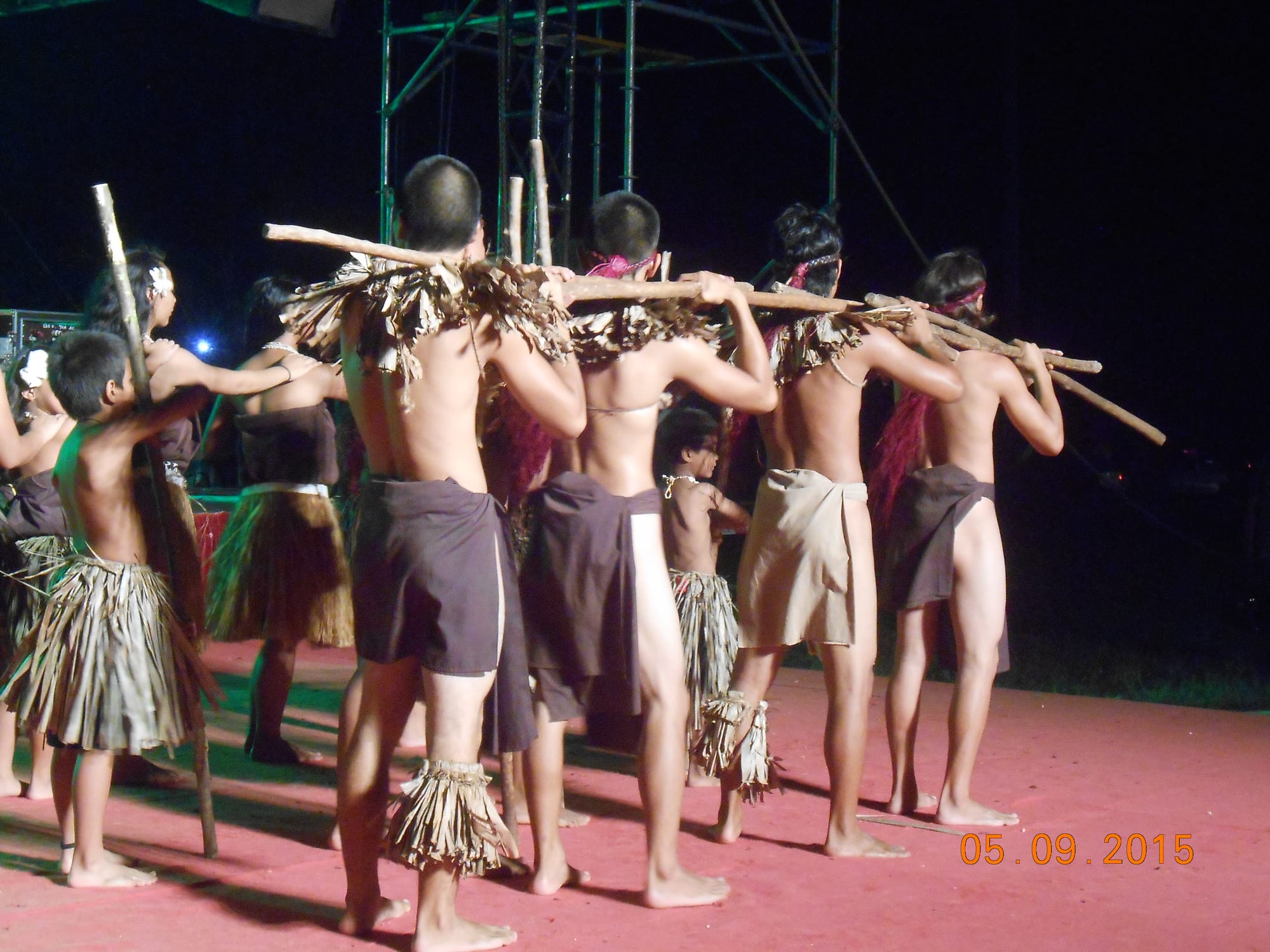
Traditional arts are being actively revived. Owen describes a grassroots movement, led largely by young people and women, to restore dance, music and language in the Commonwealth and on Guam. Cultural dance troupes are a fixture of the Liberation Day parade and the Flame Tree festival.
One of the most visible crafts is the mwar, a head lei of bright tropical flowers woven by hand. The Guam Daily Post, profiling a Carolinian practitioner who learned the skill from her grandmother, describes the mwar as a symbol of respect, affection and celebration, worn at formal occasions and gatherings and made in both the CHamoru and Carolinian communities. The practitioner, Florence Peter, puts the case for passing it on simply: the culture survives only if the youngest are taught.
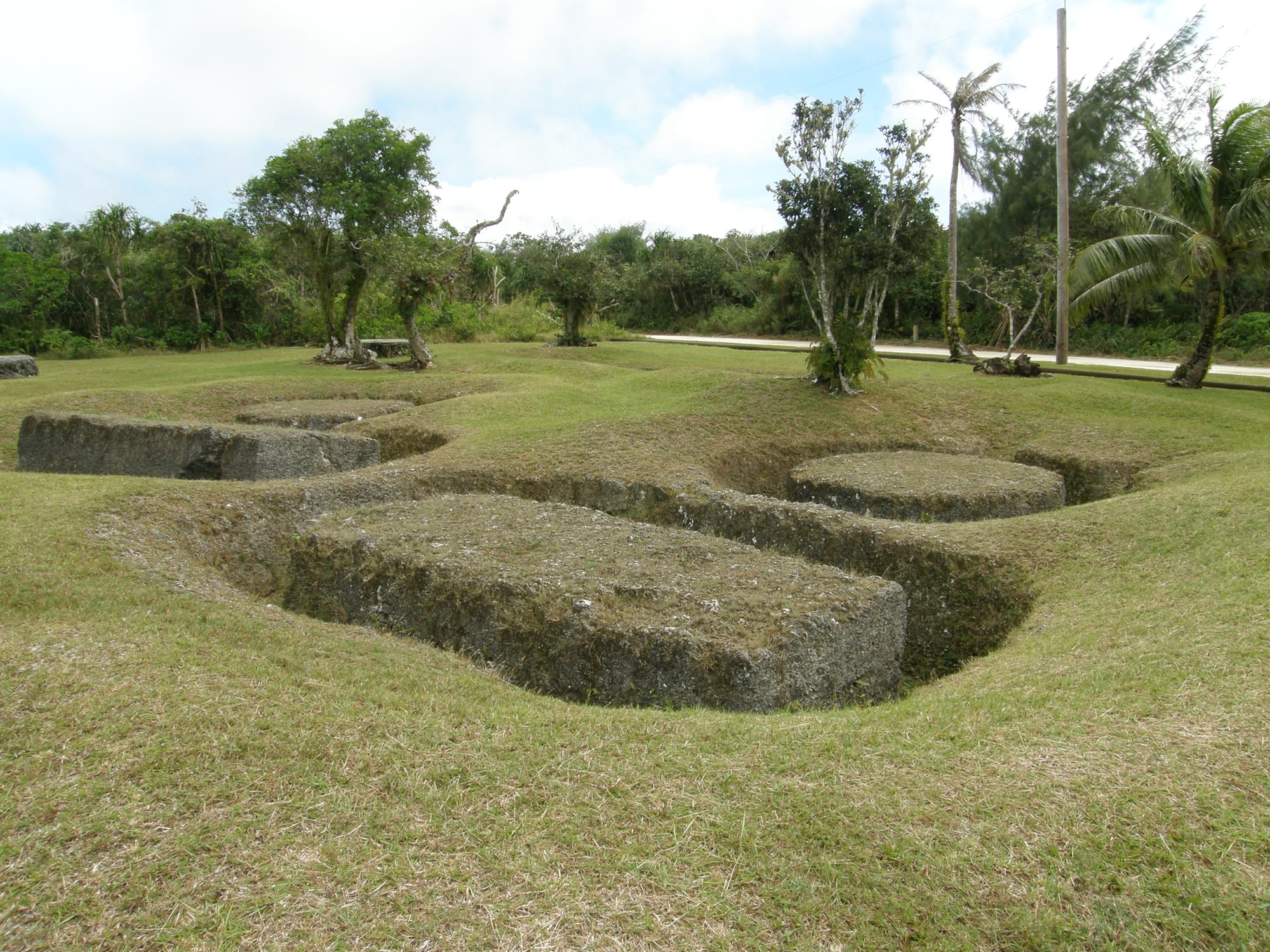
The sea remains central to both cultures. The non-profit 500 Sails, based on Saipan, is working to revive the maritime traditions of the Marianas by building traditional CHamoru and Carolinian sailing canoes, with a goal of 500 vessels, and by teaching canoe-building, sailing and traditional navigation to young people and adults. The latte stones, the great stone pillars raised by the islands' first settlers, remain a powerful symbol of continuity with the distant past.
Dos and don'ts for visitors
- Do greet people with "håfa adai", and treat elders with particular courtesy.
- Do remember that CHamoru and Carolinian are two distinct peoples, each with its own language and traditions.
- Do accept food when it is offered at a fiesta or family gathering; hosts take pride in feeding their guests.
- Do bring a modest contribution, usually money in an envelope, if invited to a wedding or funeral.
- Don't be loud or boastful; modesty and restraint are valued, and causing public embarrassment is taken seriously.
- Do treat Liberation Day, the war memorials and the latte-stone sites as places and occasions of remembrance.
What to take away
In the Northern Mariana Islands, respect is shown in small, constant ways, from a bow over an elder's hand to a gift recorded and later returned, and visitors who show the same courtesy will find a warm welcome in both CHamoru and Carolinian communities.