Attractions & Natural Wonders · Northern Mariana Islands
Northern Mariana Islands: Five Attractions and Natural Wonders
A tiny protected islet with some of the clearest water in the Pacific, ancient stone pillars raised by a legendary chief, and cliffs that carry the heaviest memory of the entire Pacific War
By Worldlore Editorial · 19 September 2026
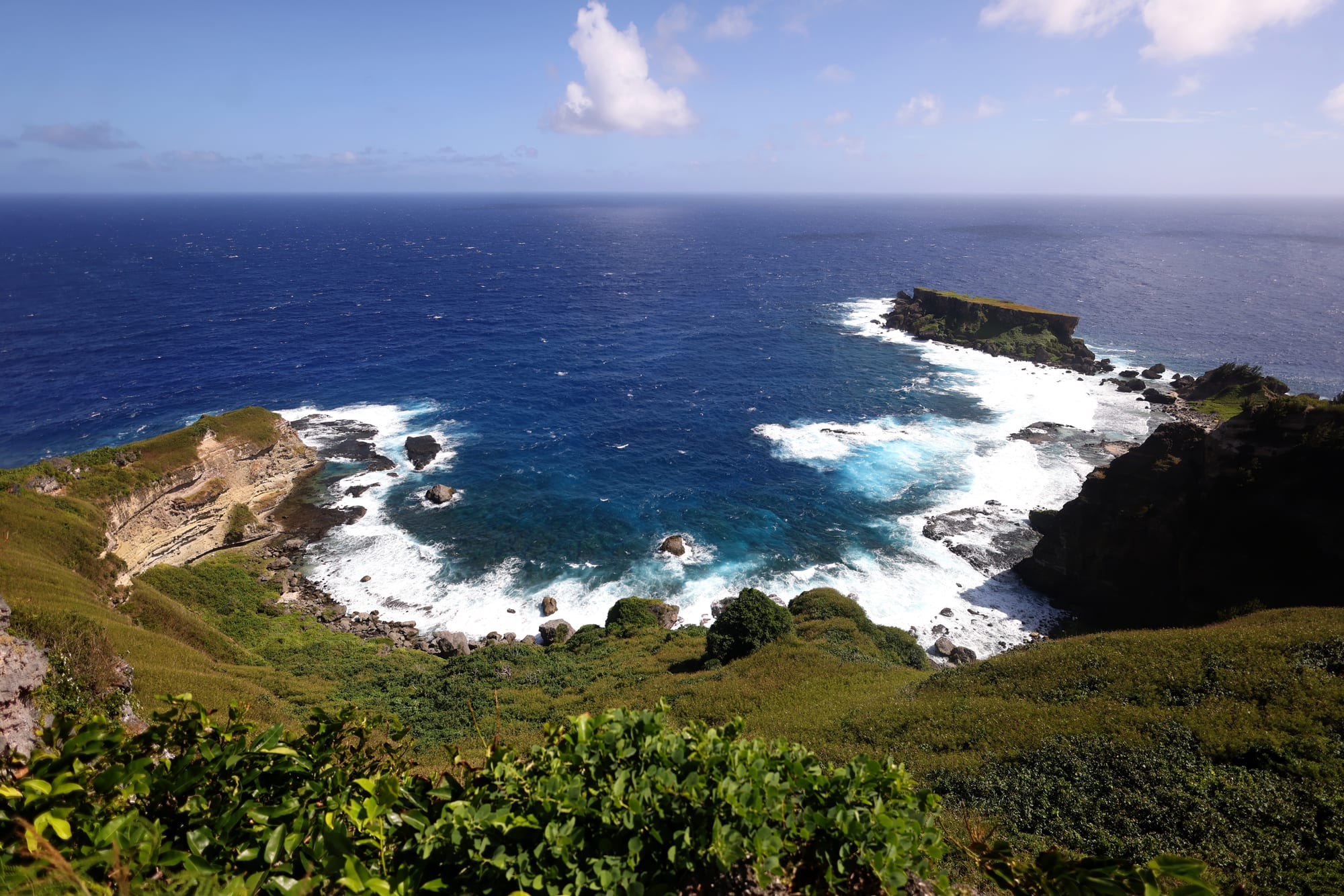
US islands with a Pacific War history
The Northern Mariana Islands are a US commonwealth in the western Pacific, north of Guam, with about 47,000 people living mainly on Saipan, Tinian, and Rota. Chamorro and Carolinian communities have lived here for millennia, but the islands are perhaps best known internationally for the brutal 1944 Battle of Saipan and, on Tinian, as the launch point for the atomic bomb missions against Hiroshima and Nagasaki — history that sits alongside clear water, coral reef, and a small, low-key tourism industry aimed largely at visitors from Japan, Korea, and China.
The five below are mostly on Saipan, with one on Tinian. It is warm and humid year-round, driest from roughly December to June.
1. Managaha Island
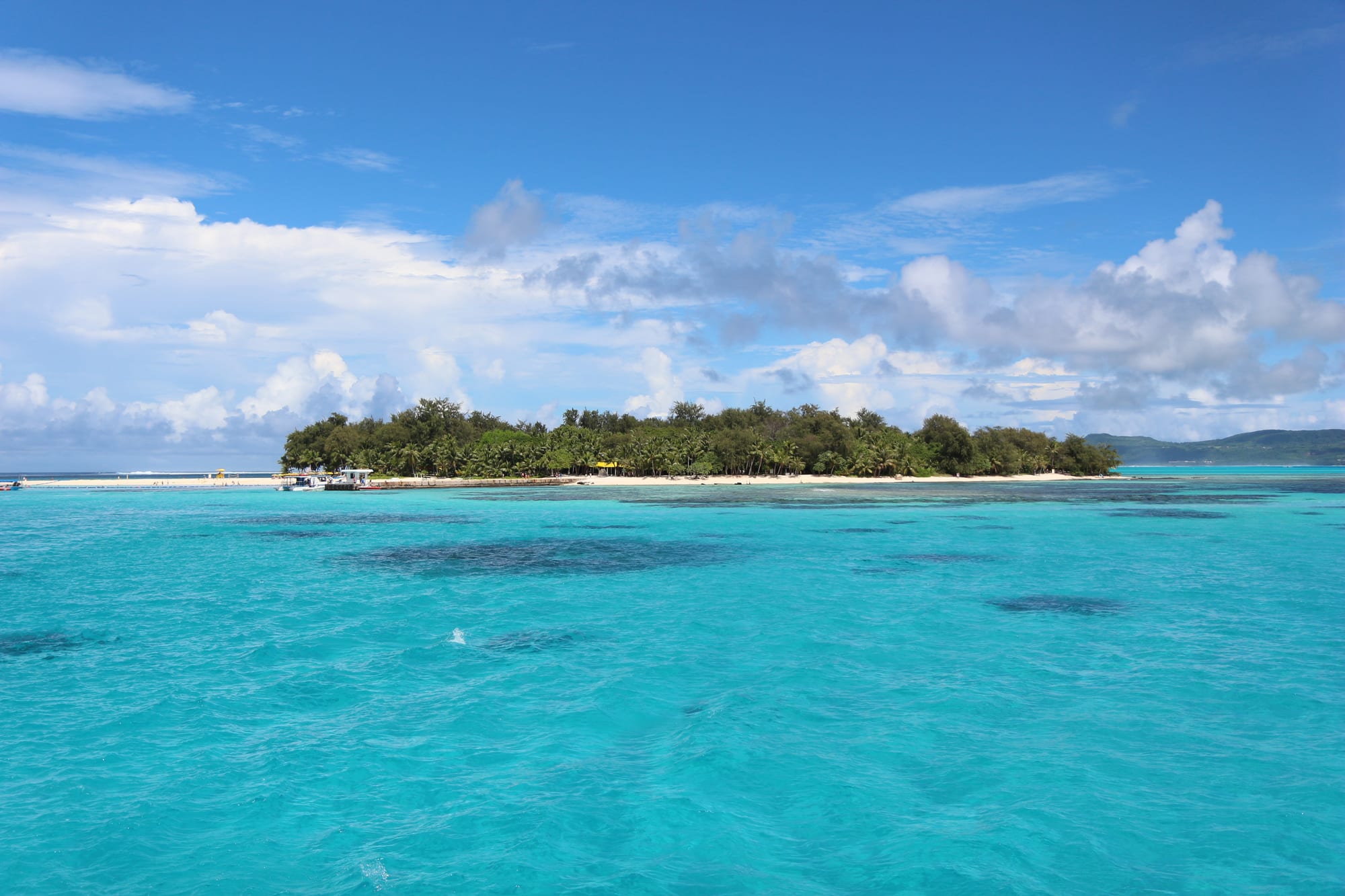
Managaha, a small uninhabited islet in the lagoon off Saipan, is protected as a marine reserve and is the territory's most popular day trip — a short boat ride to a ring of white sand and calm, clear water good for snorkelling, parasailing, and simply relaxing on a beach without development. It is considered sacred ground by Chamorros, as a burial site of ancient chiefs.
Regular shuttle boats run from Saipan's Smiling Cove Marina throughout the day.
2. Suicide Cliff and the Battle of Saipan sites
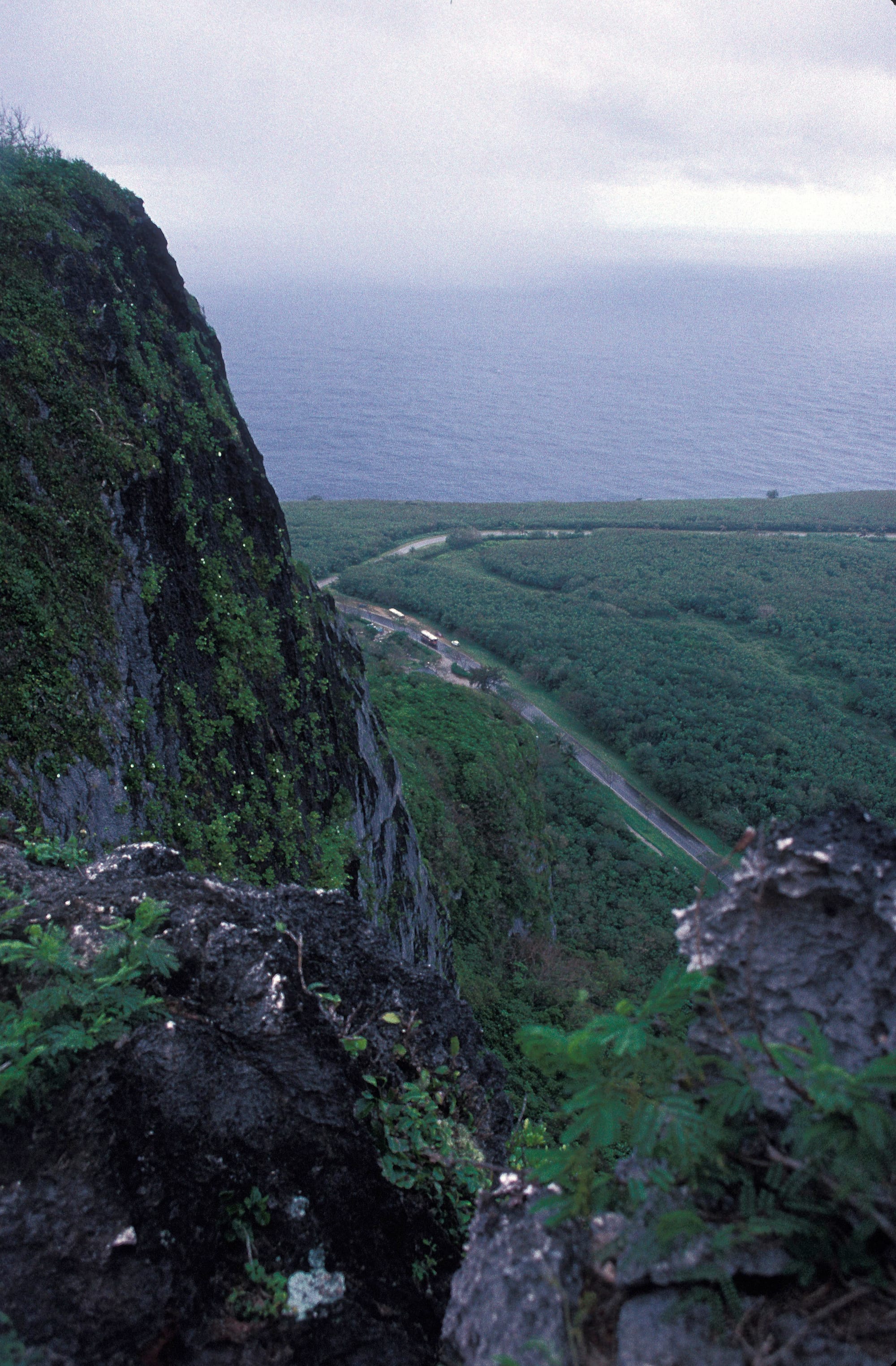
Saipan saw one of the fiercest battles of the Pacific War in June–July 1944, ending with the deaths of nearly the entire Japanese garrison and, in its final days, mass suicides of Japanese civilians and soldiers at what are now known as Suicide Cliff and, further along the coast, Banzai Cliff — both marked today with memorials from Japan, Korea, and the United States. Nearby Last Command Post preserves a Japanese command bunker amid the jungle.
These sites are treated as places of solemn memory rather than conventional sightseeing, and are visited accordingly.
3. The House of Taga, Tinian
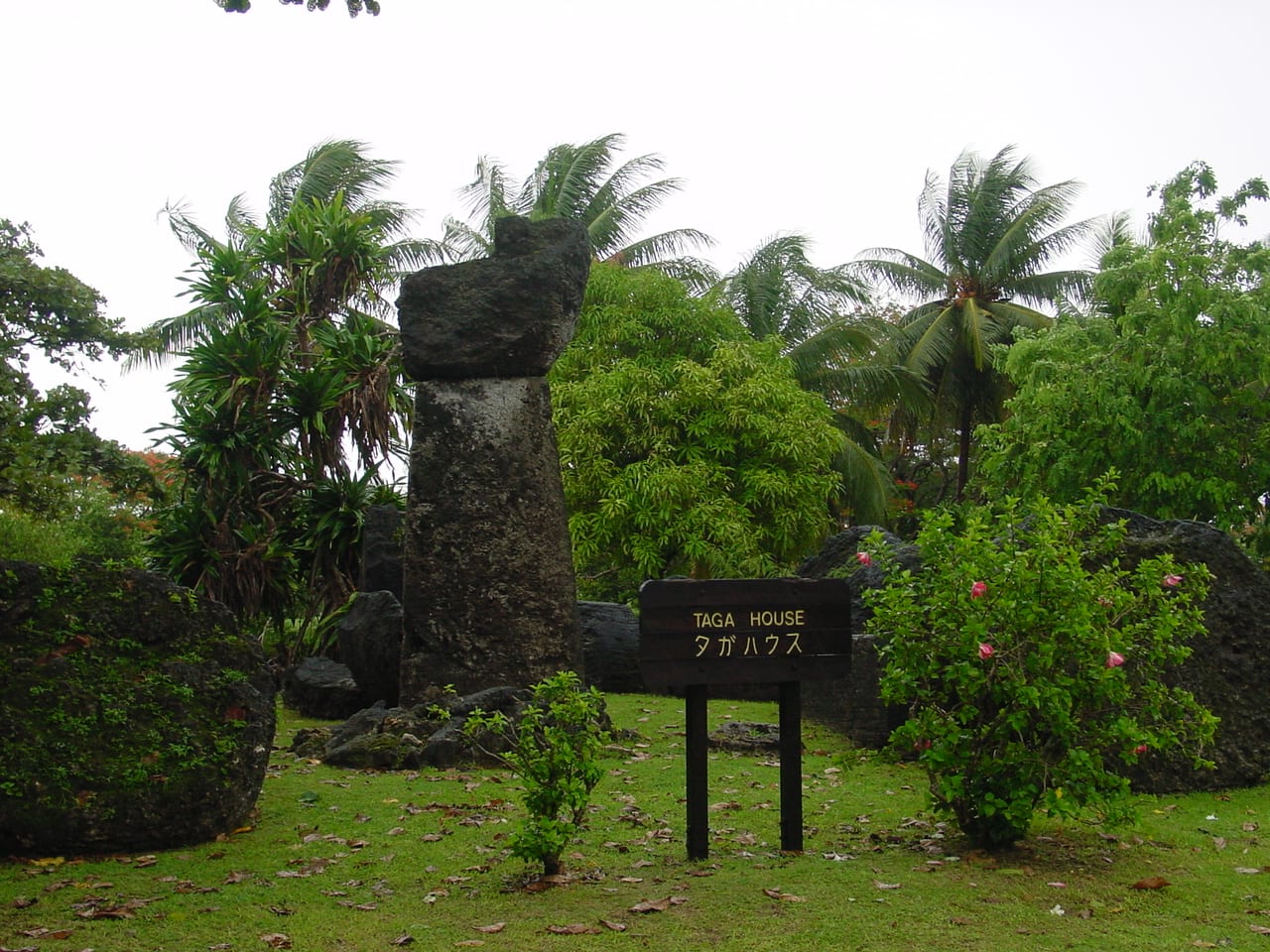
On the neighbouring island of Tinian, the House of Taga preserves a set of massive limestone latte pillars — the largest such stones in the Marianas — traditionally said to have supported the house of Chief Taga, a legendary strongman. Tinian's other major sites are the North Field runways from which the atomic bomb missions departed in August 1945, marked today with historical plaques.
Tinian is reached from Saipan by a short flight or ferry.
4. American Memorial Park
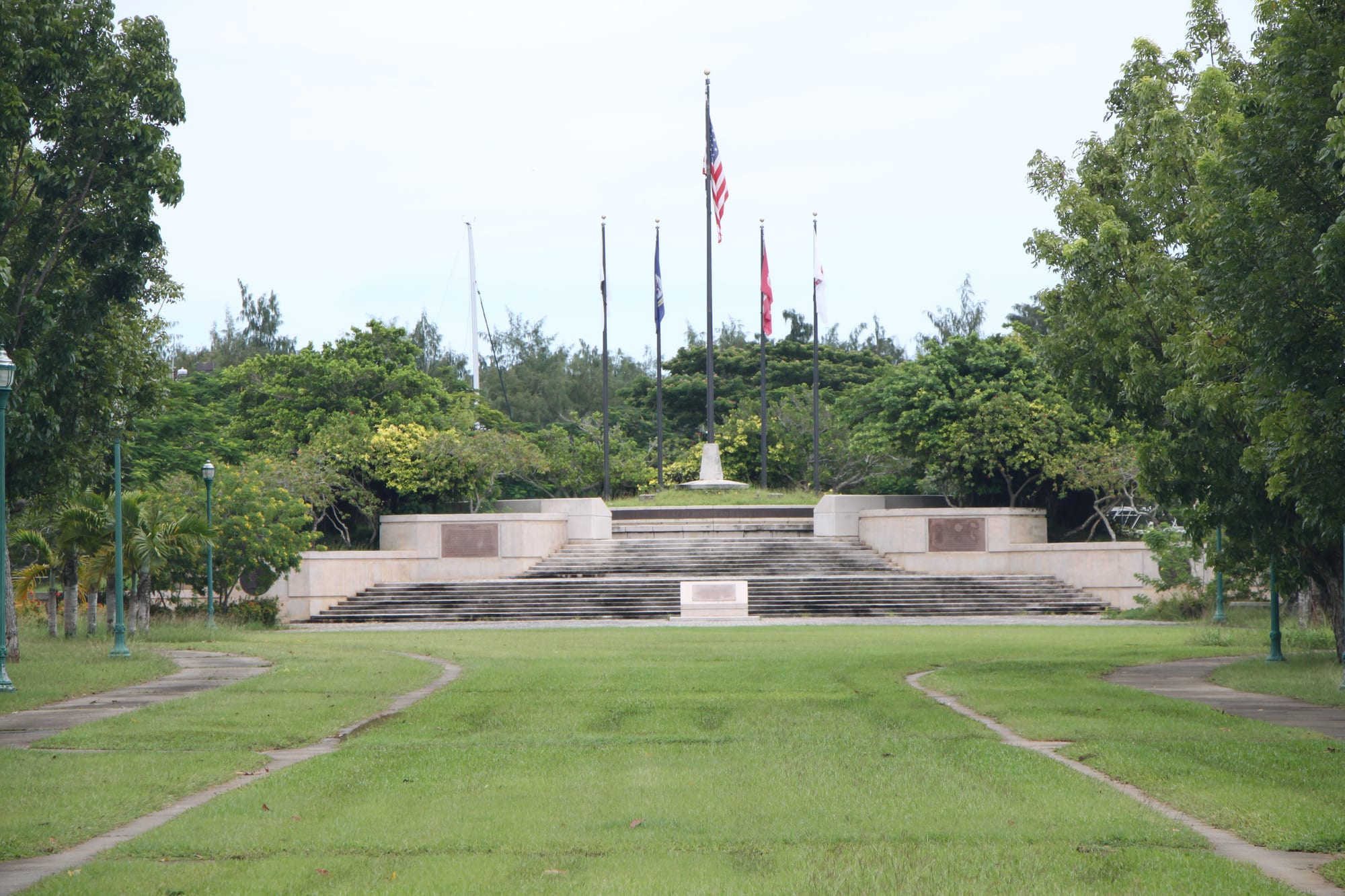
American Memorial Park, a US National Park Service site on Saipan, commemorates American and Marianas lives lost in the 1944 battle with a memorial wall, an amphitheatre, and a small museum on the campaign. Set beside the marina and a public beach, it also functions as a everyday recreational green space for residents — walking paths, tennis courts, and a picnic area alongside the memorial itself.
5. Saipan's dive sites
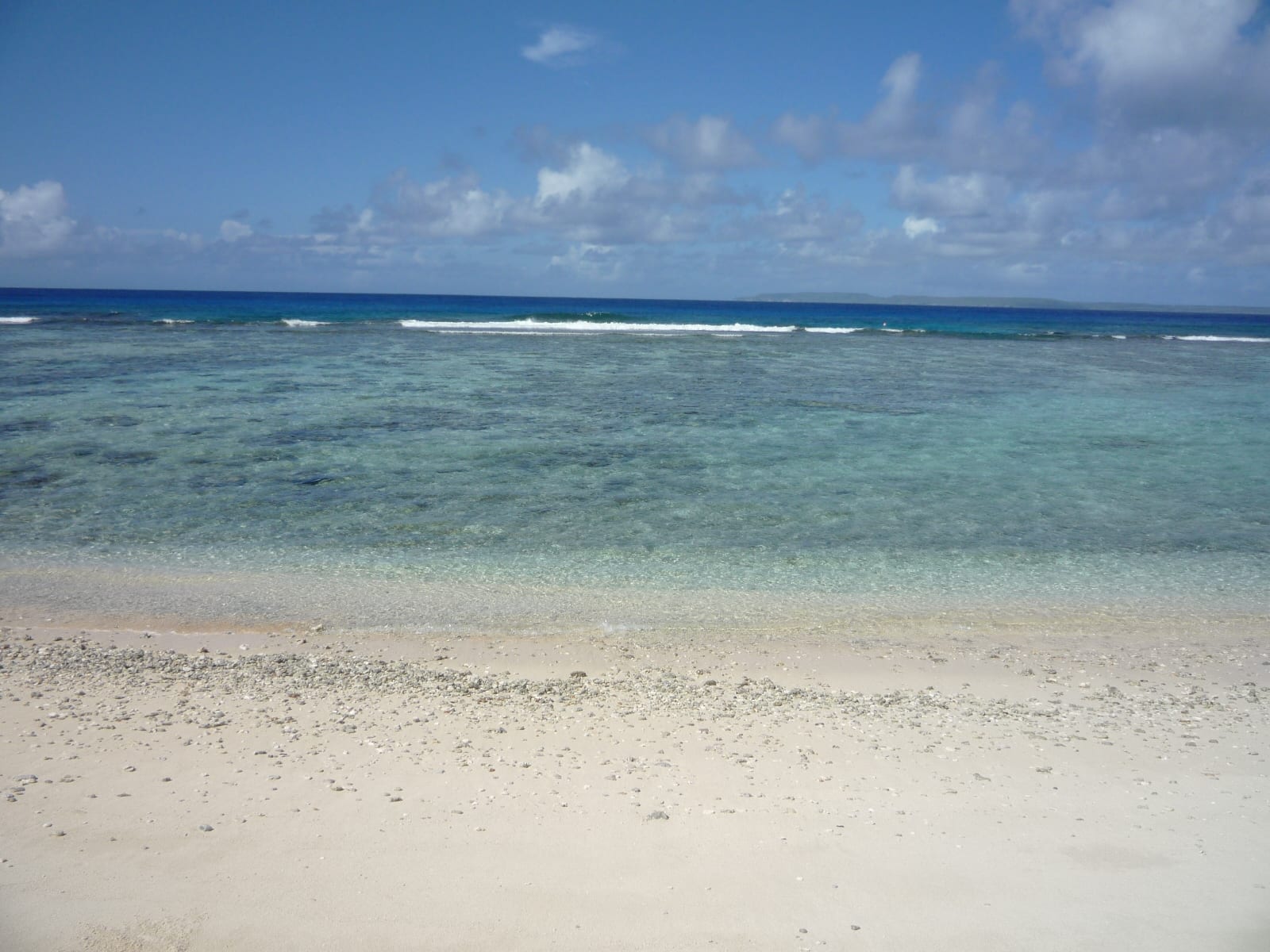
Saipan's lagoon and surrounding reef offer some of the most varied diving in Micronesia within a short distance of shore, including the Grotto — a collapsed limestone cave chamber accessed by descending stone steps into an underwater cavern that opens to the open ocean through several channels — and wartime wrecks and aircraft left from the 1944 battle, now colonised by coral.
Several dive operators on the island cater mainly to the large numbers of Japanese and Korean visitors who have long formed the backbone of local tourism.
The Northern Mariana Islands suit a short beach-and-history trip, typically three to five days based on Saipan, with a day trip to Tinian for those interested in its wartime history.