Food · North Macedonia
North Macedonia: Food and the National Dish
Beans baked slowly in a clay pot, and a roasted red pepper relish so central to the table it's treated as a genuine household essential
By Worldlore Editorial · 16 September 2026
A Balkan cuisine built on peppers and beans
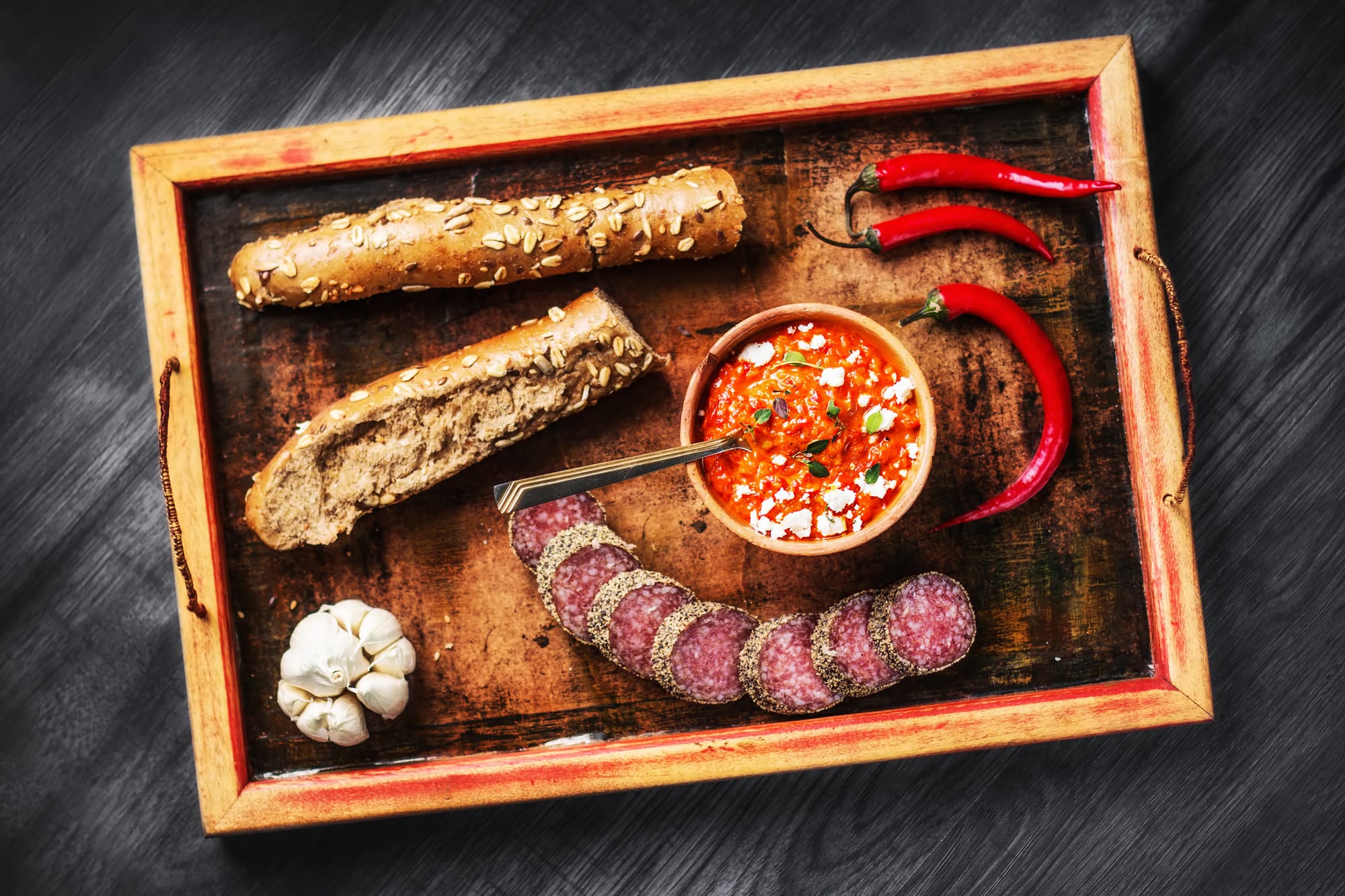
North Macedonian food sits firmly within the wider Balkan tradition, shaped by centuries under Ottoman rule and shared closely with neighbouring Serbia, Bulgaria and Greece. Peppers, in particular, hold a genuine place of honour in Macedonian cooking, most visibly in ajvar, a roasted pepper relish prepared and stored in bulk each autumn by many households.
The national dish: tavče gravče
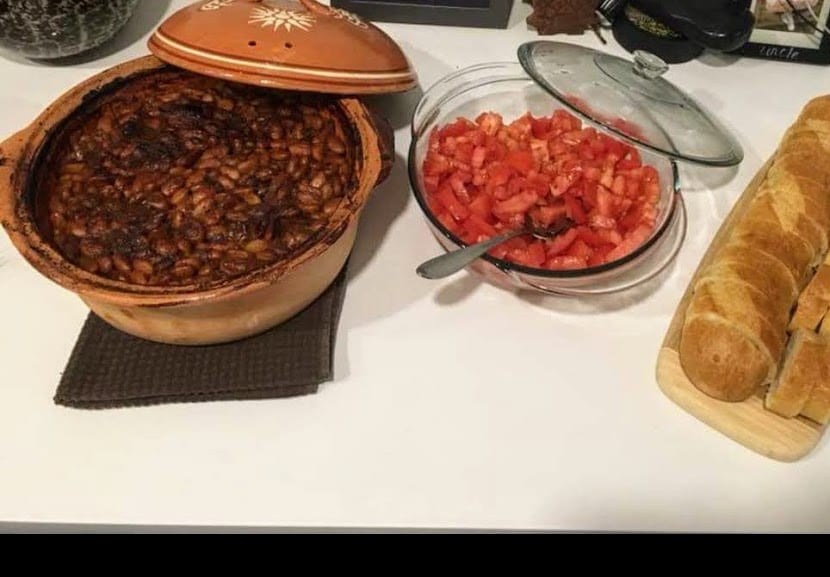
Tavče gravče, beans baked slowly in a clay pot with paprika, onion and often a smoked meat like sausage, is North Macedonia's national dish. The name itself describes the cooking vessel, tavče meaning the shallow pan the dish is traditionally baked and served in, a genuine reflection of how closely the dish's identity is tied to its specific method of preparation.
Peppers, beans and the Balkan pantry
Beans, peppers and paprika anchor much of North Macedonian cooking, alongside dairy, particularly white brined cheese similar to Bulgarian sirene, and grilled meats shared across the wider Balkans. Ajvar, made from roasted red peppers and often aubergine, is prepared by many households in large batches each autumn to last through the winter, a genuine domestic tradition rather than something bought ready-made.
History behind the dish
North Macedonia's food carries visible Ottoman influence from centuries of rule, shared with much of the former Ottoman Balkans, layered onto older Slavic and regional agricultural traditions. The country's climate and soil, well suited to growing peppers, helped establish ajvar and pepper-forward cooking more broadly as a genuine point of regional identity, distinct from but related to similar traditions in neighbouring Serbia and Bulgaria.
Dishes to know
Five more to recognise across North Macedonia:
- Ajvar — a roasted red pepper and aubergine relish, prepared in bulk
by many households each autumn.
- Šopska salad — a fresh salad of tomato, cucumber, onion and grated
white cheese, shared across the Balkans.
- Kebapi — small grilled minced-meat sausages, typically served with
flatbread and onions.
- Tavče gravče with sausage — a heartier version of the national dish,
including smoked sausage.
- Selsko meso — a rich pork or veal stew in a mushroom and cream
sauce, a popular restaurant dish.
Drinks
Rakija, a fruit brandy shared across the Balkans, is North Macedonia's traditional spirit, often distilled at home from grapes or plums. Macedonian wine, particularly from the Tikveš region, has a genuine regional reputation, and Turkish-style coffee remains a common daily ritual.
Eating as a traveller
Vegetarians will find tavče gravče (in its meat-free version), ajvar and šopska salad manageable, though meat is central to much traditional Macedonian cooking. Tap water is safe throughout the country. Trying ajvar spread on fresh bread, ideally homemade rather than store-bought, is a genuine way to taste a Macedonian household tradition rather than a commercial product.
What to take from the table
Tavče gravče, named for its own cooking pan, is the dish that best represents North Macedonian food — and a jar of homemade ajvar is the truest sign of a Macedonian household's food pride.