Culture & Customs · North Macedonia
North Macedonia: Bonfires, Bajram and the Oro
Orthodox and Muslim calendars running side by side, a guest who is never allowed to leave hungry, and a folk culture of chain dances, drums and bagpipes that still turns out for every feast
By Worldlore Editorial · 30 September 2026
On the morning of 19 January, crowds gather along riverbanks and lake shores across North Macedonia. It is Vodici, the Orthodox feast of the Epiphany, marking the baptism of Christ in the Jordan. After prayers, a priest raises a wooden cross and throws it into the winter water, and young men dive in after it, racing one another to bring it back. Whoever reaches the cross first is believed to enjoy good fortune for the year ahead. At another point in the year, it is Muslim families who celebrate, marking Bajram at the end of Ramadan with a holiday the whole country shares. North Macedonia is a small country with two main religious calendars, and much of its culture is lived out in the rhythm between them, in shared public holidays, generous hospitality and a folk tradition that turns up for almost every feast.
Faith, identity and values
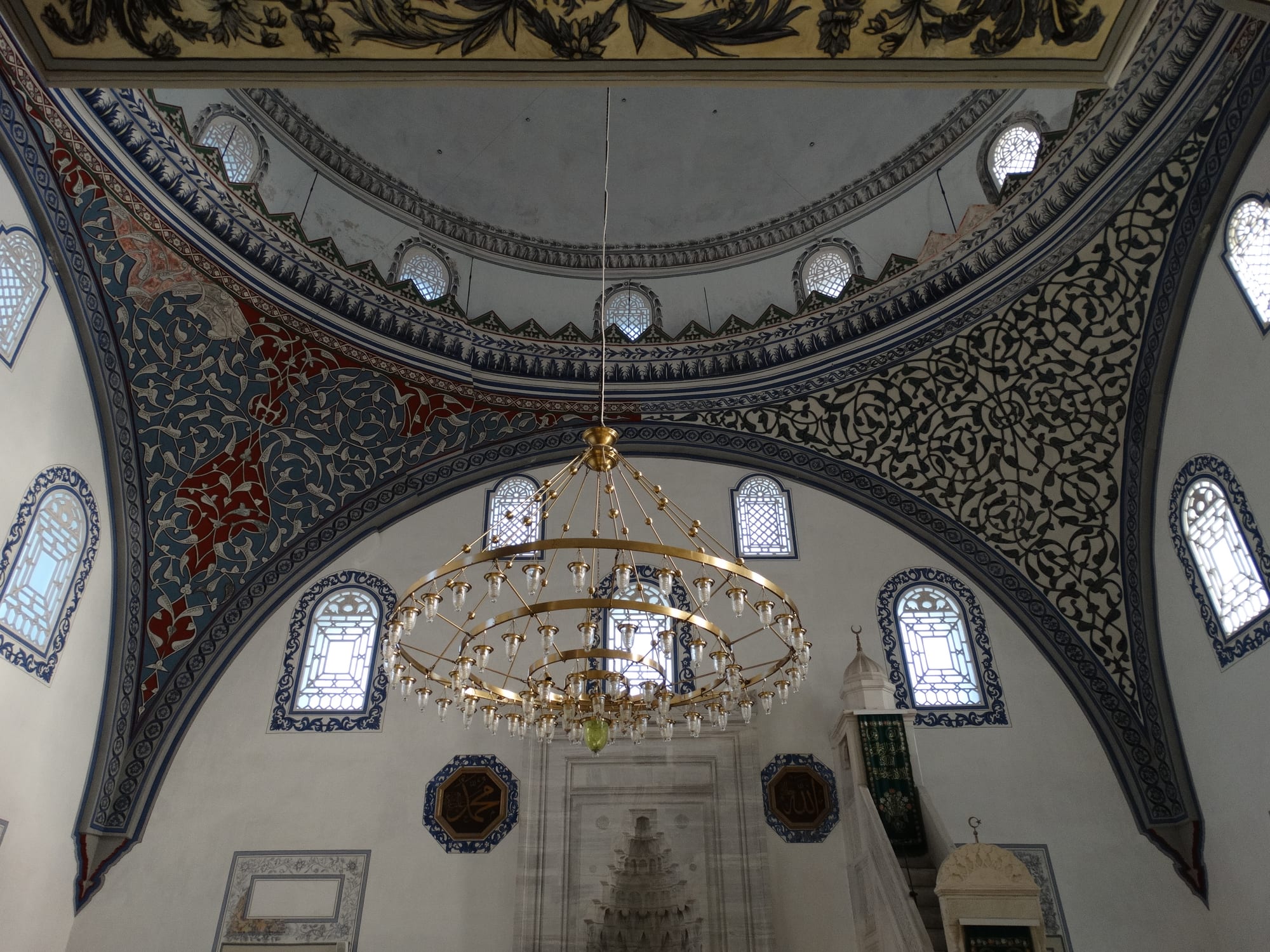
Religion and community identity are closely linked. According to the 2021 census, as cited by Cultural Atlas, around 46 per cent of the population are Orthodox Christians and around 32 per cent are Muslims. Most Orthodox believers belong to the Macedonian Orthodox Church – Archdiocese of Ohrid, and are ethnic Macedonians, Serbs or Vlachs. Most Muslims are ethnic Albanians, Turks, Bosniaks or Roma, and traditionally follow Sunni Islam of the Hanafi school, while a small Sufi community includes Bektashi orders. For Orthodox families, baptism soon after birth is widespread, and wearing a cross and keeping the Lenten fasts are common everyday expressions of faith. Cultural Atlas notes that many Muslims in the country follow a relatively relaxed interpretation of their faith, though practice varies between families.
Family sits at the centre of social life. Age carries real authority, and older relatives have a strong say in the decisions of younger ones. Almost every child is given a godmother and godfather at birth, and these godparents remain important figures for life, traditionally expected to take responsibility for the child if anything happens to the parents. Neighbourliness is highly valued: people usually know everyone living nearby and drop in on one another, often without warning. Cultural Atlas describes Macedonians as warm, generous and hospitable, and as people who take pride in their country's history and culture.
Identity is also a sensitive subject, and it is worth approaching with care. Under the 2018 Prespa Agreement with Greece, the country took the name North Macedonia, while its citizens and their language continue to be called Macedonian. The agreement ended a dispute of almost three decades, but it was welcomed by some and strongly opposed by others, both in North Macedonia and in Greece. Relations between ethnic Macedonians and ethnic Albanians, who make up the largest minority, are also politically delicate; Cultural Atlas describes a long history of peaceful coexistence between Christians and Muslims, alongside tensions over representation that have surfaced since independence. Some everyday beliefs cross all these lines. Many people are wary of promaja, the cross-draught created by opening windows on opposite sides of a room, which is widely believed to cause illness, and coins left at wishing spots are best left undisturbed.
Greetings and meeting people
Strangers greet one another with a firm handshake and direct eye contact, friends may add a light hug, and close friends and family exchange two or more kisses on alternating cheeks. Everyone present is greeted individually, and it is polite to stand up to do so. Some Muslims prefer to avoid physical contact with members of the opposite sex, so the respectful approach is to greet them verbally and wait for them to offer a hand. The everyday Macedonian greetings follow the time of day: dobro utro in the morning, dobar den during the day and dobro večer in the evening.
Communication is generally direct and explicit. Mistakes are pointed out promptly rather than left unsaid, people stand a little less than an arm's length apart, and eye contact is expected throughout a conversation. Interrupting is considered rude, even when a speaker takes time to reach the point. Humour is an important part of conversation and often aimed at friends, politicians or the speaker's own failings. Head gestures can also cause confusion, since for some people a shake of the head can mean yes rather than no. Seasonal greetings carry religious weight for Orthodox families: at Christmas "Christ is born!" is answered with "Truly he is born!", and at Easter "Christ is risen!" with "Truly he is risen!"
Hospitality and being a guest
Visits are usually arranged in advance, although close friends often call without warning. Shoes are removed at the door of a home. A guest will almost always be offered coffee or tea, and declining it is considered rude. Hosts generally provide all the food themselves and do not expect guests to bring dishes. Small gifts are welcome, but flowers should be given in odd numbers, since even numbers are reserved for funerals, and an expensive present can embarrass a family that is short of money. Alcohol and pork products are not suitable gifts for Muslim hosts.
Meals are social occasions that can easily last two hours or more. Lunch, eaten around two in the afternoon, is traditionally the main meal of the day. At formal family dinners, Cultural Atlas notes, the head of the family may sit at the end of the table with the godmother and godfather on either side. Diners help themselves from shared dishes in the middle of the table, and it is polite to finish what is on the plate. Hosts will keep offering more, and a guest who has had enough needs to say so firmly and more than once. In Christian households, drinks are raised with the toast nazdravje, "to health", and rakija, fruit brandy, is a common choice. Muslim families generally do not drink alcohol or eat pork, although practice varies.
Festivals and life's big moments
The Orthodox year follows the old Julian calendar, so Christmas falls on 7 January. On Christmas Eve, known as Badnik, oak branches are burned, a custom still widespread in the countryside, while city dwellers often buy their branches at Christmas markets. A loaf with a coin baked inside is shared out, and whoever finds the coin can expect good fortune in the year ahead, according to Radio Free Europe/Radio Liberty. Vodici follows on 19 January. Easter is the greatest feast of the Orthodox year. The Macedonian Information Agency reports that eggs are dyed red before sunrise on Holy Thursday, the first egg dedicated to Christ and placed in the sunlight, while at midnight on Holy Saturday believers gather in church with lit candles to hear the resurrection proclaimed. On Easter Day, dyed eggs are tapped against each other to see whose survives unbroken.
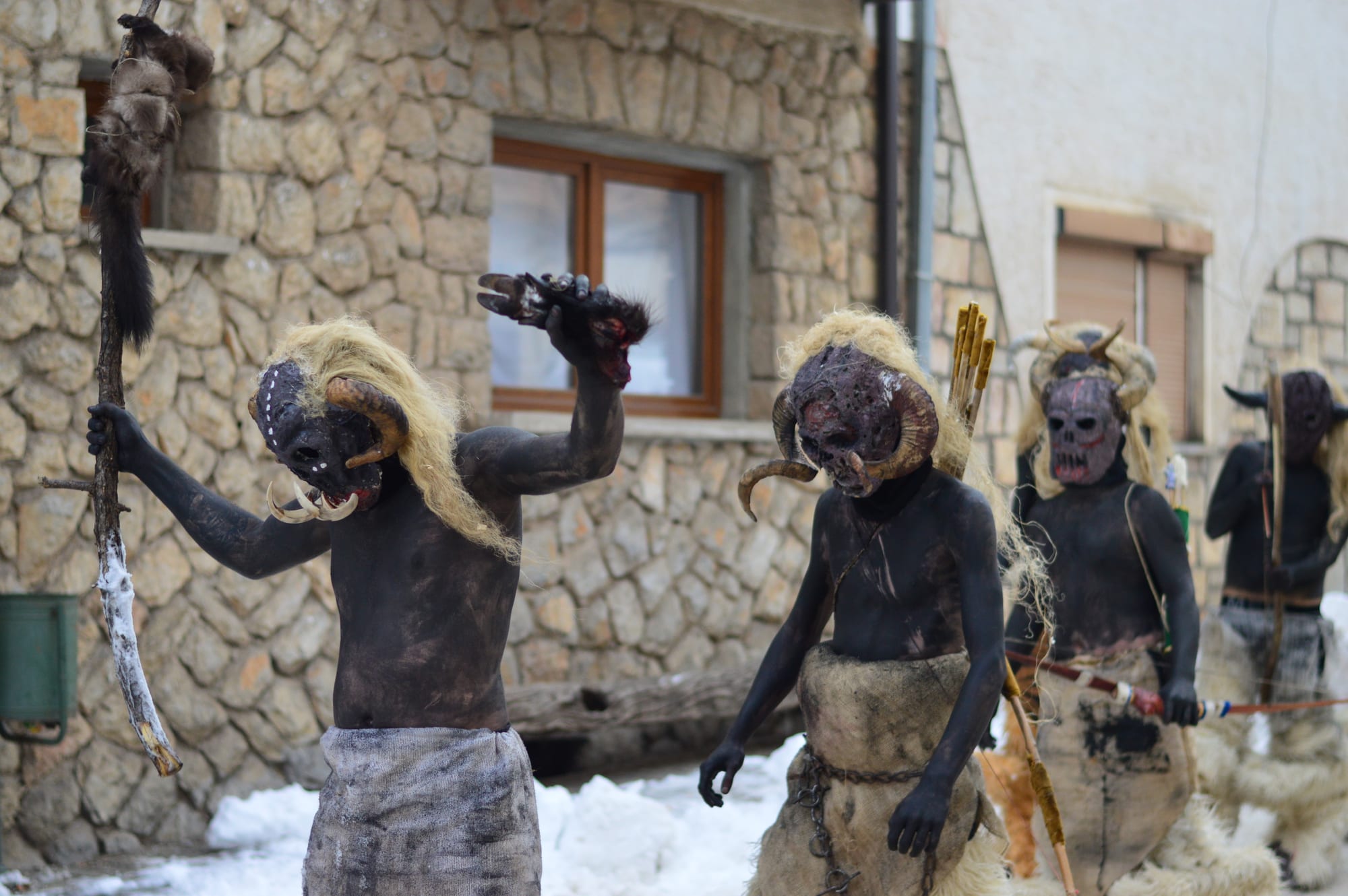
Muslim holidays have national standing too. Under the country's law on holidays, the first day of Ramazan Bajram, the festival that ends Ramadan, is a non-working day for everyone, alongside Orthodox Christmas and Easter Monday, and further days are set aside for particular faiths and communities. Spring brings Hıdrellez on 6 May, a celebration of the new season with rituals for the health and prosperity of families, livestock and crops, which appears on UNESCO's list as a tradition shared with another country. Around the Orthodox New Year in mid-January, village carnivals see masked processions that combine old rituals, meant to drive away evil spirits, with pointed satire on current events.
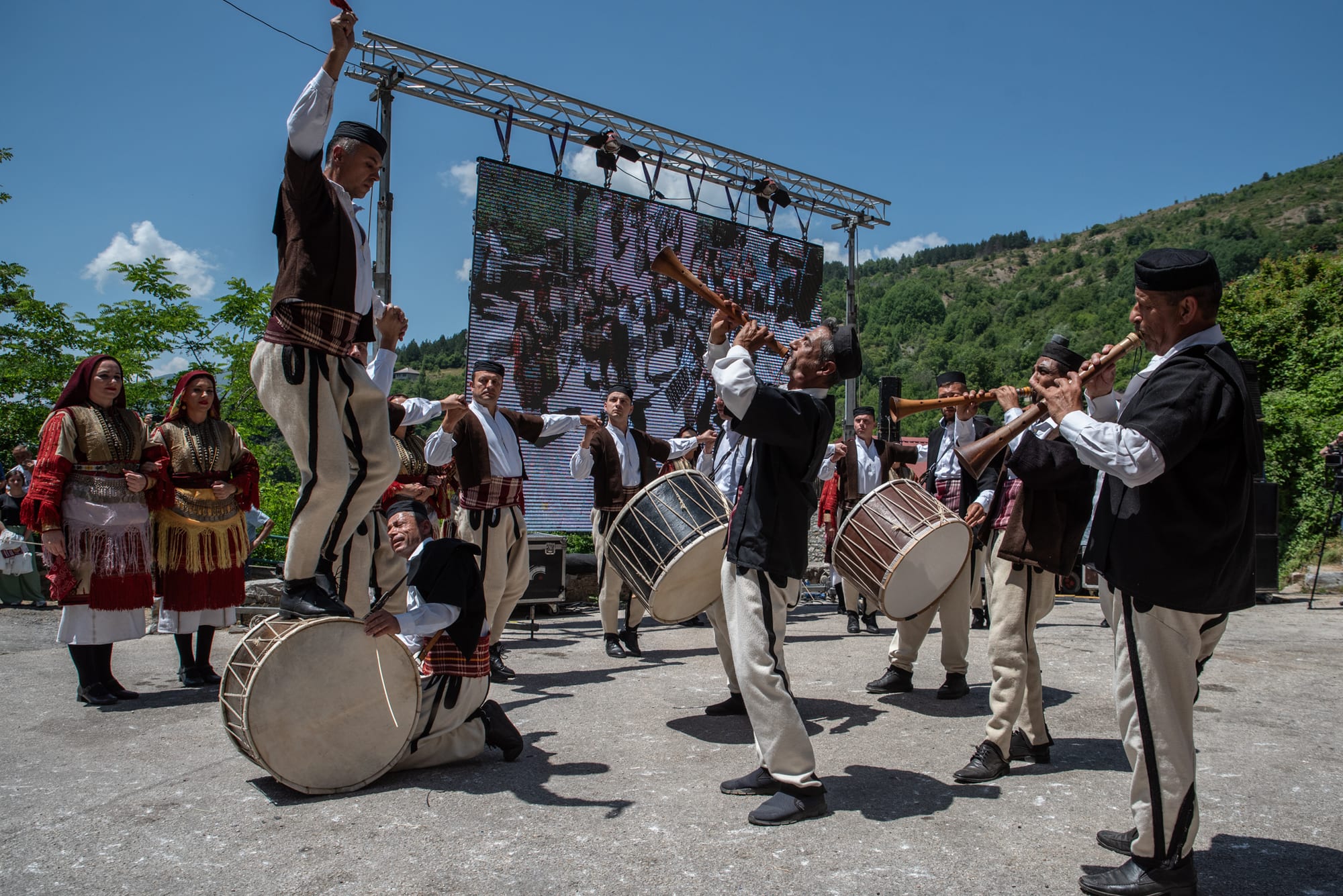
Family milestones follow long-established patterns. Marriage is taken seriously, and divorce is relatively uncommon, partly because it can fracture closely connected households. Traditionally, a bride moves into her husband's family home, and parents may help a son with a house when he marries. The most famous showcase of wedding tradition is the Galičnik Wedding, held each July around the feast of Saints Peter and Paul, when a couple are married according to old rituals, to the sound of drums and the zurla, a loud wooden shawm. Heavily embroidered costumes and silver jewellery are on display, and old folk songs and dances are performed, among them the celebrated Teškoto.
Orthodox funerals are followed by a sequence of memorials. According to the Macedonian Orthodox Cathedral of the Dormition, services are held on the third, ninth and fortieth days after a death, the fortieth being the most significant, and then each year afterwards. Boiled wheat, bread and wine are blessed by the priest and shared among the mourners, and candles are lit for the soul of the departed. The church also keeps memorial Saturdays through the year, when families remember all their dead together. Muslim families follow Islamic funeral rites.
Arts, crafts and music
Folk music and dance are the most visible living arts. The oro, a chain dance with dancers holding hands or shoulders in a line or open circle, is danced at weddings, feasts and village celebrations. UNESCO has inscribed Kopachkata, an energetic men's social dance from the east of the country, performed in a semicircle to drums and fiddle. It begins with a slow walk and speeds up into quick, short steps and foot stamping. The zurla and the large double-headed drum, the tapan, provide the sound of many outdoor celebrations. Among Albanian musicians, the çifteli, a long-necked stringed instrument, is a familiar sound at weddings.
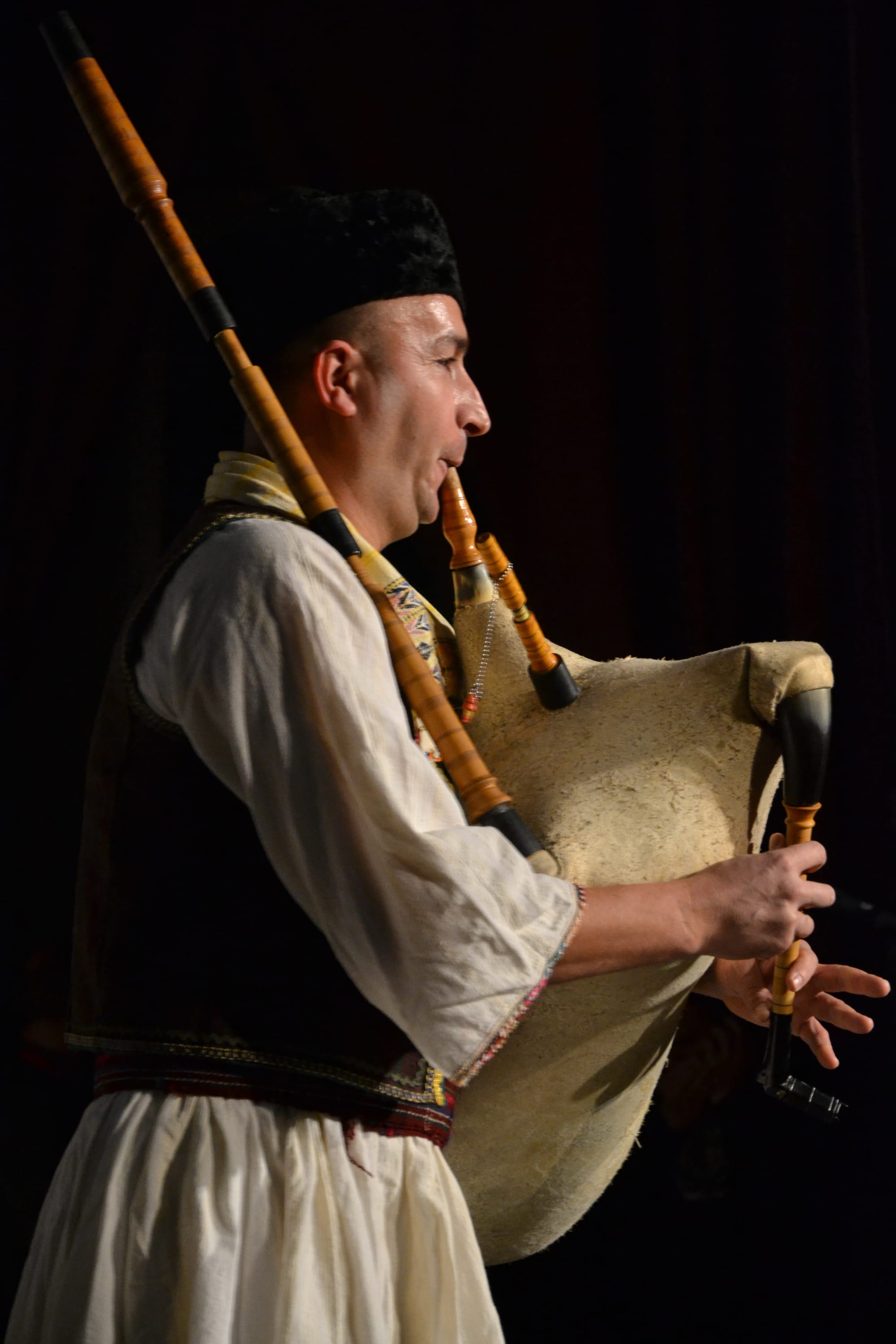
The bagpipe, or gajda, is one of the country's most characteristic instruments, and the craft of making and playing it was added to UNESCO's list in 2024, in an inscription shared with Türkiye. The bag is made from goat or sheep skin soaked for several days in a mixture of water, corn flour, yoghurt and salt, and the knowledge is handed down within families and through apprenticeship. Singing traditions include Glasoechko, a style of two-part male singing in which a drone voice moves against the melody. It sits on UNESCO's list of heritage in urgent need of safeguarding, because the number of singers who still practise and teach it is falling rapidly. Folk costume remains a craft in its own right, with heavily embroidered dresses, waistcoats and aprons and silver jewellery made by hand for festivals and weddings.
Dos and don'ts for visitors
- Do greet everyone individually with a handshake and eye contact, and let Muslim acquaintances of the opposite sex decide whether to shake hands.
- Do take shoes off at the door of a home and accept the coffee or tea that is offered.
- Do bring flowers in odd numbers; even numbers are reserved for funerals.
- Do refer to the country as North Macedonia and to its people and language as Macedonian, and approach the name question and relations between communities with care.
- Don't offer alcohol or pork, as food or gifts, to Muslim hosts or guests.
- Do expect to be offered more food several times; a firm, polite refusal is the way to stop.
- Don't open windows on both sides of a room without asking, and leave coins at wishing spots undisturbed.
What to take away
North Macedonia's customs are shaped by two faiths and many communities living close together, and visitors who greet everyone properly, accept the coffee and handle sensitive subjects with care will find the country's hospitality generous and sincere.