Daily Life · North Macedonia
North Macedonia: A Weekend Measured in Jars of Peppers
Grandparents living down the hall or a bus ride away, an espresso nursed for an hour without anyone minding, and one autumn weekend each year when the whole country seems to be roasting peppers for the ajvar jars that carry a family through winter
By Worldlore Editorial · 30 September 2026
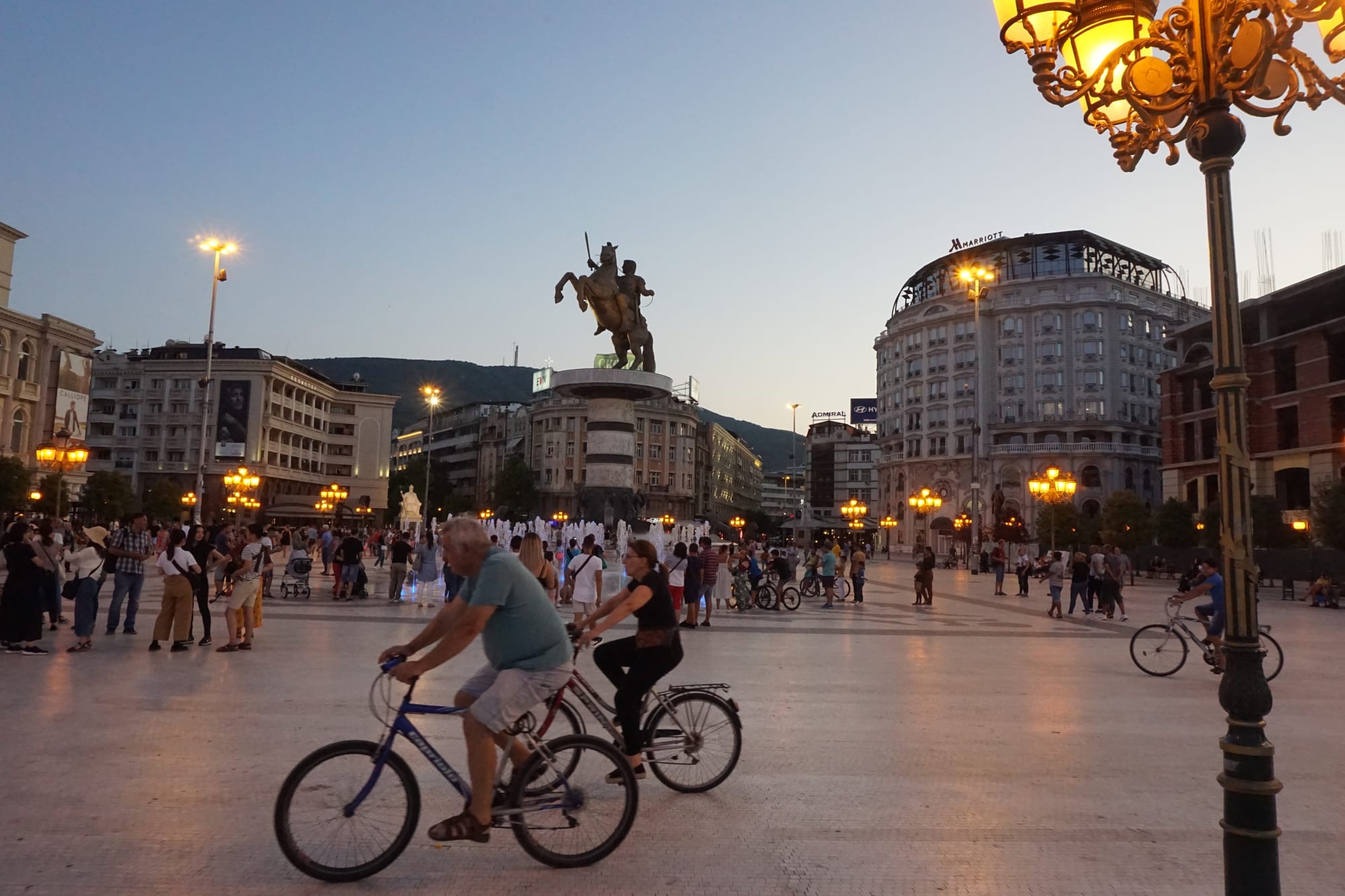
An ordinary day in North Macedonia is unhurried until, without quite announcing itself, it isn't: mornings pass slowly over strong coffee, shops keep loose hours, and then the evening pulls whole families out onto the same square or boulevard at once. Grandparents are rarely far away, whether down the hall or a short bus ride across town, and decisions about money and children tend to stay inside the family rather than being handled alone. It is a small country of under two million people, and a noticeably older one each year, as the young continue to leave for work abroad in numbers that shape almost every household's daily rhythm, even the ones left behind.
Family and home life
Households remain closely bound across generations, though the shape of that closeness has shifted with time. In villages and smaller towns it is still common for three generations to share one roof, the eldest holding the most say over household decisions while a courtyard or shared yard, a legacy of older Macedonian house design, keeps everyone within calling distance of one another. In Skopje and the other cities, families have grown smaller and more nuclear as young people move for work and study, but grandparents typically stay close by rather than distant, often taking a hands-on role in raising grandchildren while both parents work. Adult children commonly live with their parents until marriage, a pattern driven as much by housing costs and wages as by preference.
Work, school and the rhythm of the day
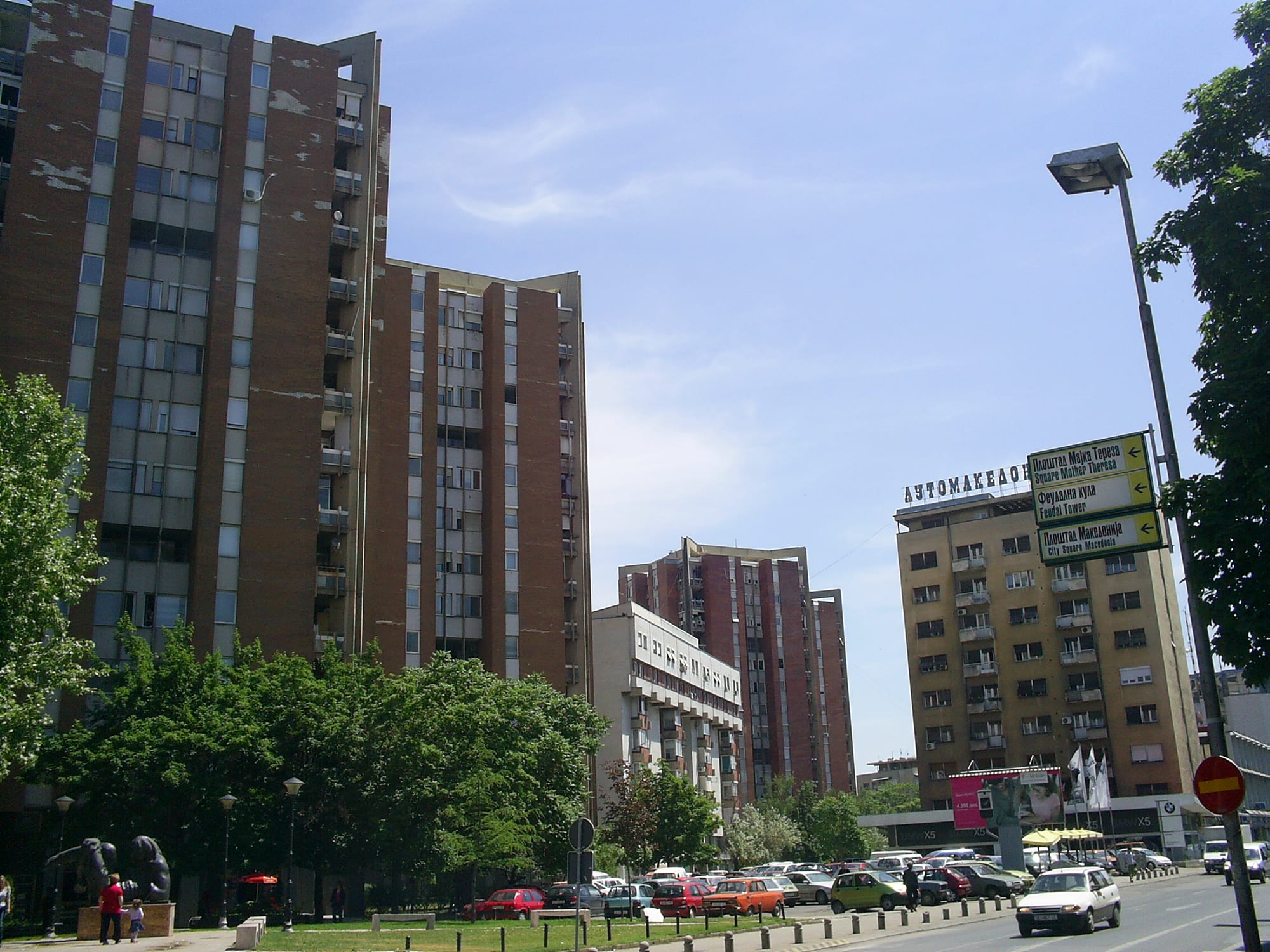
The standard working week is 40 hours, usually eight hours a day from Monday to Friday, though small shops, bakeries and grill houses keep far longer and looser hours than any office. Coffee interrupts the morning as a matter of course: sitting over a single espresso for an hour or two, with company or alone, is entirely normal and carries none of the apology it might elsewhere. School tells a harder story about resources rather than culture — demographic shifts have left some schools half empty and others badly overcrowded, and a large share of the country's primary and lower-secondary schools now run two shifts a day, one class arriving as another leaves, simply to fit everyone in.
Community life and public spaces
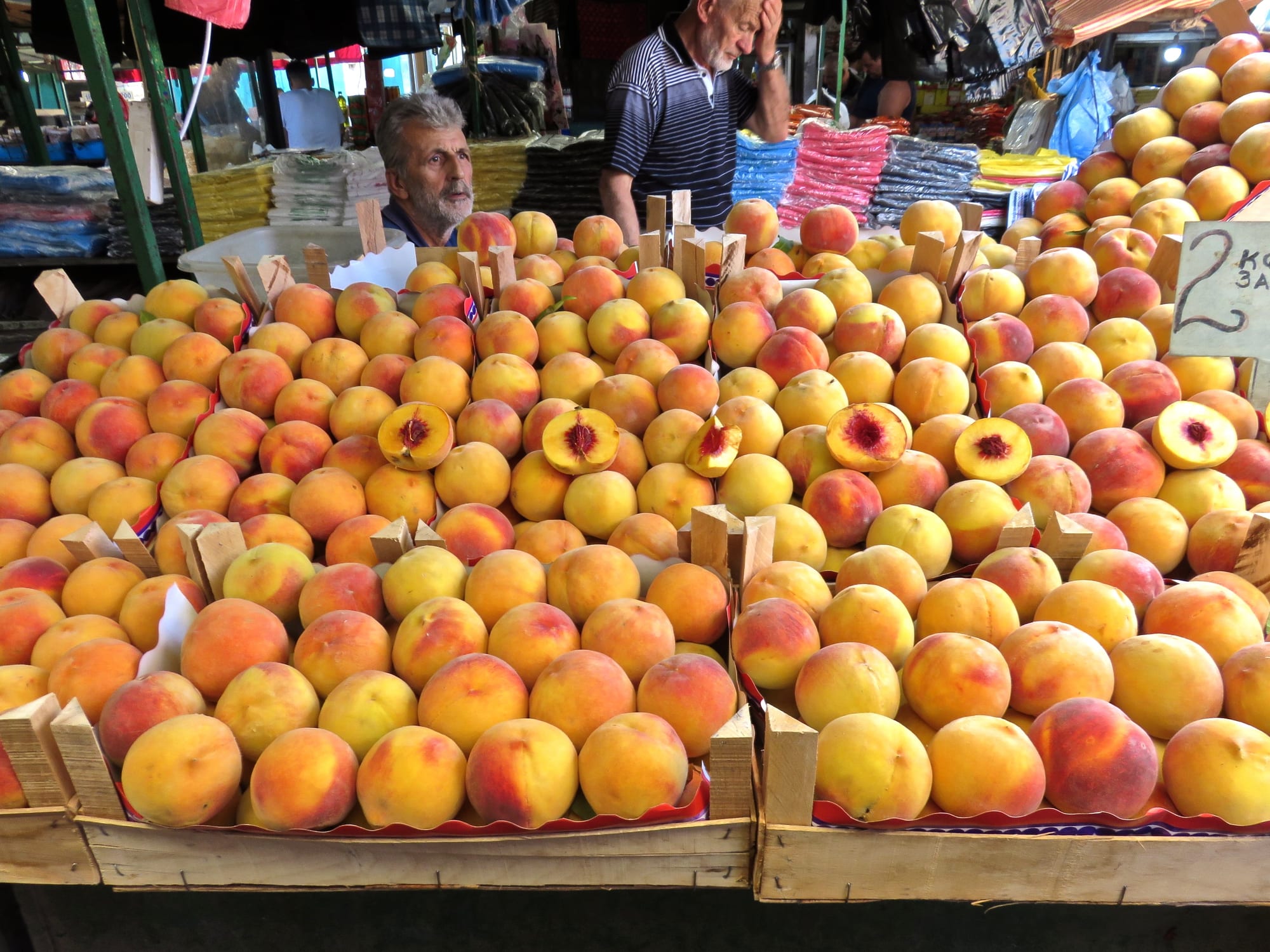
Markets remain the most reliable place to find an ordinary cross-section of the country going about its day, from Skopje's sprawling Bit Pazar to smaller town markets selling produce, cheese, cloth and household goods side by side. Squares and pedestrianised centres serve the same purpose after dark: as the heat of the day breaks, people head out on foot or by bicycle to the same stretch of pavement as everyone else, a pattern common across the Balkans and strong in Skopje, Bitola and Ohrid alike. Intercity buses, rather than the limited rail network, carry most people between towns, and taxis are cheap and commonly used within the cities.
Free time and weekends
Weekends stretch the same unhurried pace over a longer day: family lunches that run well into the afternoon, and, where the calendar allows, a drive to Lake Ohrid, the mountains or a home village. Basketball and handball draw serious crowds alongside football, and a match watched at a café with friends counts as a proper social occasion rather than background noise. Each autumn, an unofficial ritual plays out in yards and on balconies nationwide: families buy peppers by the sackful, roast them over open flame, and grind them down into ajvar, a red-pepper relish put up in jars to last through the winter — a task that takes the better part of a day or a weekend and that neighbours compare notes on for weeks afterward.
A visitor's ordinary day
Cards are widely accepted in Skopje and larger towns, but cash, in Macedonian denars, is still useful for markets, small cafés and rural areas; euros exchange easily. Many shops open in the morning and stay open into the evening most days. Intercity buses are frequent and inexpensive, running routes such as Skopje to Ohrid in around three hours, while taxis within cities are metered and cheap by Western European standards. In winter, check the air-quality reading before spending long outdoors in Skopje or Tetovo, where smog from home heating and traffic regularly settles in the valley basins.
What to take away
An ordinary day in North Macedonia runs at two speeds — patient through the morning, sociable by evening — and its real calendar isn't the working week so much as the small, recurring rituals, a slow coffee, a walk through the square, a weekend given over to peppers, that a family keeps returning to together.