Daily Life · Nigeria
Nigeria: Powered by Generators, Run on Hustle
A national grid that fails often enough that most businesses run their own power, an extended family that absorbs whoever needs it, and a Lagos commute that can eat four hours of the day
By Worldlore Editorial · 30 September 2026
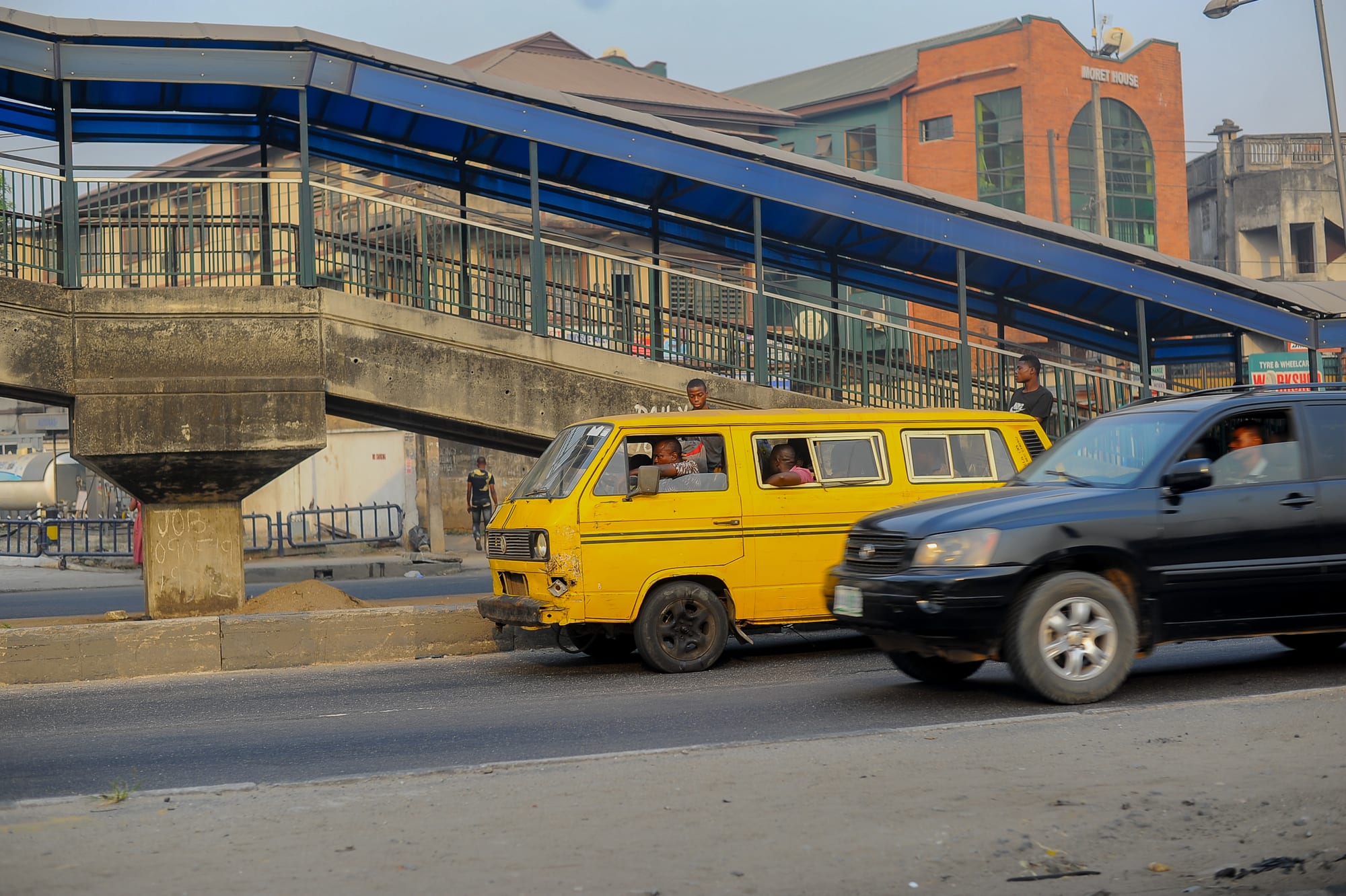
An ordinary day in Nigeria is shaped by two things most visitors notice within hours: the extended family that daily life runs through rather than around, and a national power grid unreliable enough that keeping the lights and the shop freezer running is, for most businesses and many homes, a job handled privately with a generator rather than left to the state. More than 70 per cent of Nigerian firms rely on generators, according to the African Development Bank, and estimates of what outages and grid collapses cost the economy run to trillions of naira a year. Around that backdrop, daily life is famously fast-moving: with formal salaries rarely enough on their own, holding two or three income streams at once is common, and Lagos, Africa's largest city, adds hours of traffic to many people's day on top of it.
Family and home life
The extended family, not the nuclear household, is the basic unit of daily life across Nigeria's roughly 250 ethnic groups, though the details vary considerably between the Hausa-Fulani north, the Yoruba southwest and the Igbo southeast. A typical household commonly includes grandparents, unmarried siblings and cousins alongside parents and children, and financial and childcare support is expected to flow through this wider network rather than stopping at the immediate family. Raising children is similarly a shared undertaking: aunts, uncles and older relatives routinely take an active hand in a child's discipline and upbringing, not just the parents. Housing ranges from family compounds, common in much of the north and in rural areas, to apartment blocks and gated estates in the fast- growing cities, with several related households often sharing a compound or a street.
Work, school and the rhythm of the day
Most formal jobs run an eight-hour day, but a single salary rarely covers household costs on its own, so holding two or three income sources at once, a day job alongside trading, driving or a side business, is common rather than a sign of financial trouble. That hustle runs alongside constant improvisation around infrastructure: with the national grid prone to outages and periodic full collapses, businesses and increasingly homes budget for diesel or petrol for a generator as a routine cost, not an emergency measure. Lagos adds its own tax on the working day: the average commuter there can lose up to four hours a day to traffic, and studies put the resulting cost in lost working time high. School follows the national 6-3-3-4 system of six years of primary and six of secondary school before university, though the balance between state, private, Christian mission and Quranic schooling varies sharply by region.
Community life and public spaces
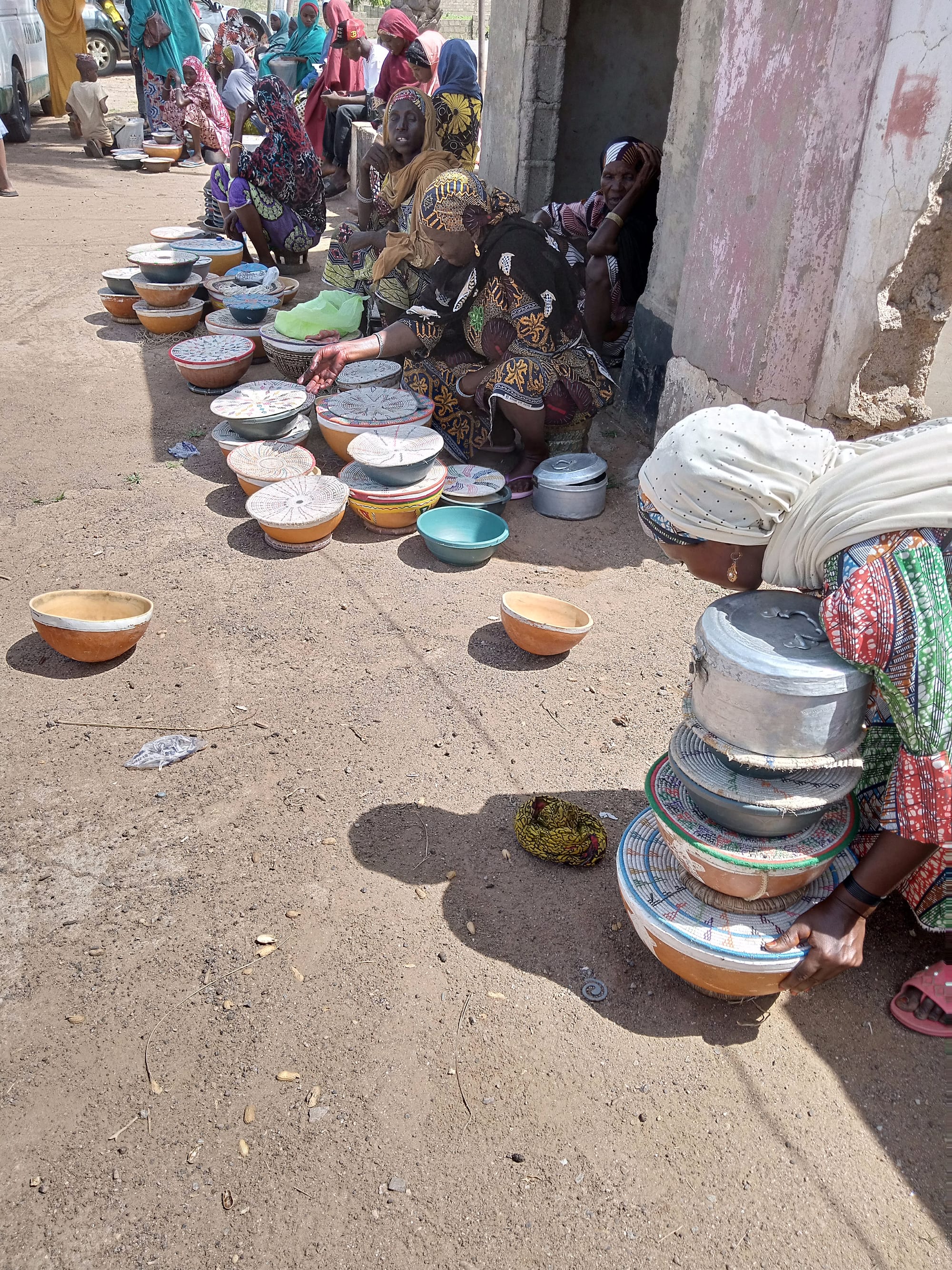
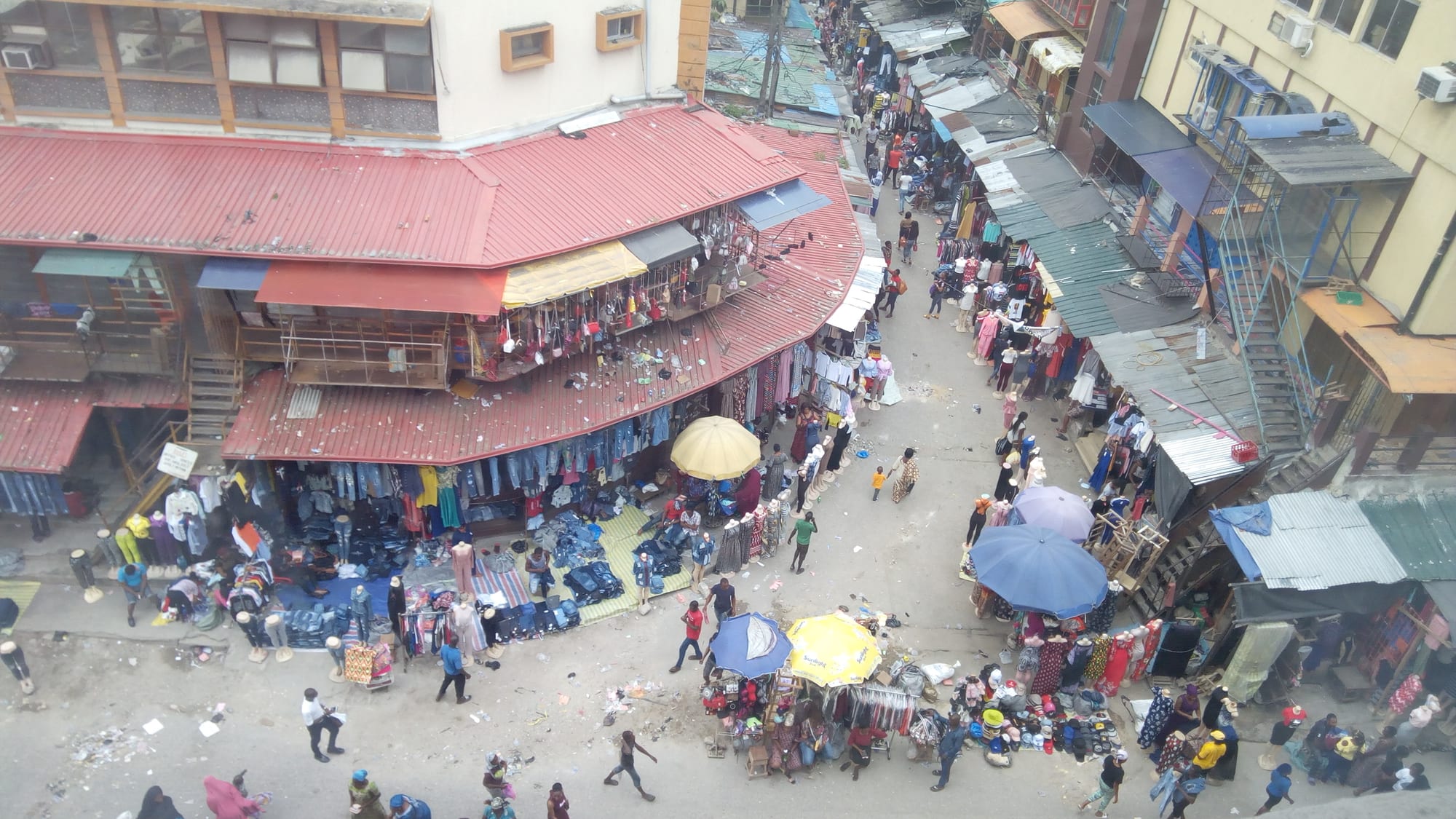
Markets are the clearest everyday public space in Nigeria, from vast citywide trading districts such as Balogun Market on Lagos Island to smaller neighbourhood and roadside markets everywhere else, and buying food and household goods is still done mostly through these networks of traders rather than supermarkets. Danfo minibuses, distinctive yellow-and-black vehicles that carry well over half of all daily trips in Lagos, are the backbone of getting around the city, cheap and constantly running despite famously heavy traffic. Elsewhere, shared taxis, motorcycle taxis known as okada, and tricycle keke napep fill the same role at a smaller scale. Faith is a visible, constant presence in public life rather than a private matter: the country is divided roughly evenly between Muslims and Christians, religious observance is high, and the sound of both church services and the call to prayer is part of the ordinary soundscape of towns and cities.
Free time and weekends
Sunday is dominated by church for Christian households, often with services running considerably longer than a typical Western hour, while in Muslim communities Friday brings congregational prayer and, through the week, life runs around the five daily prayer times. Weddings, naming ceremonies and funerals are major, often elaborate social occasions that draw wide networks of extended family and friends, frequently marked by matching outfits known as aso ebi. Football is followed with real passion nationwide, watched at home, in bars, or on the street around a shared screen whenever the Super Eagles play. Where budgets allow, a weekend visit to family in one's home town or village, sometimes hours from the city where a person actually lives and works, remains a common way to spend free time.
A visitor's ordinary day
Nigeria runs substantially on cash outside hotels, larger shops and restaurants in Lagos and Abuja; bring US dollars to change and keep some naira on hand for everyday spending, since card acceptance is patchy and ATMs can limit foreign-card withdrawals. Domestic flights or the standard-gauge rail lines are the practical way to move between major cities, since road travel between regions carries a real risk of armed robbery or kidnapping in parts of the country. Within Lagos, ride-hailing apps are a safer and more predictable option than hailing a cab on the street, and it is worth building hours rather than minutes of buffer into any plan that involves crossing the city. Traffic, queues and power cuts mean plans often shift, so it pays to build flexibility into the day.
What to take away
An ordinary day in Nigeria runs on resourcefulness as much as on any fixed schedule: a household that shares its load across an extended family, and a country that has largely learned to power, move and support itself through whatever the state does not reliably provide.