History · New Zealand
New Zealand: Two Peoples, One Treaty
The last large landmass humans settled — a Māori world of a few centuries, a British colony founded on a contested 1840 treaty, land wars and confiscation, a pioneering welfare democracy, and a long reckoning with what the treaty meant
By Worldlore Editorial · 10 September 2026
A young country in human terms
New Zealand — Aotearoa — was one of the last habitable places on Earth to be settled by people, reached by Polynesian voyagers only around 1300 CE. Its five million people are concentrated in a handful of cities on two main islands in the South Pacific. Its national story turns on a single short document: the Treaty of Waitangi, signed in 1840 between the British Crown and Māori chiefs, whose English and Māori texts do not say the same thing — a discrepancy that has driven law and politics ever since.
A short history
- c. 1300
Settlement
Polynesian voyagers settle Aotearoa; Māori society develops.
- 1642
Tasman
The Dutch navigator sights the coast; his boat crew is killed.
- 1769
Cook
James Cook circumnavigates and charts both islands.
- 1790s–1830s
Contact
Whalers, sealers, missionaries, muskets and disease.
- 1840
Treaty of Waitangi
Britain annexes New Zealand; the two texts differ.
- 1845–1872
The New Zealand Wars
Crown and settlers against Māori; large confiscations.
- 1893
Votes for women
New Zealand is the first self-governing country to grant them.
- 1898–1938
The welfare pioneer
Old-age pensions, arbitration, then the full welfare state.
- 1975
Waitangi Tribunal
A standing inquiry into Treaty breaches; settlements begin.
- 1984–1993
"Rogernomics"
Radical deregulation; nuclear-free policy; MMP voting.
The Māori world
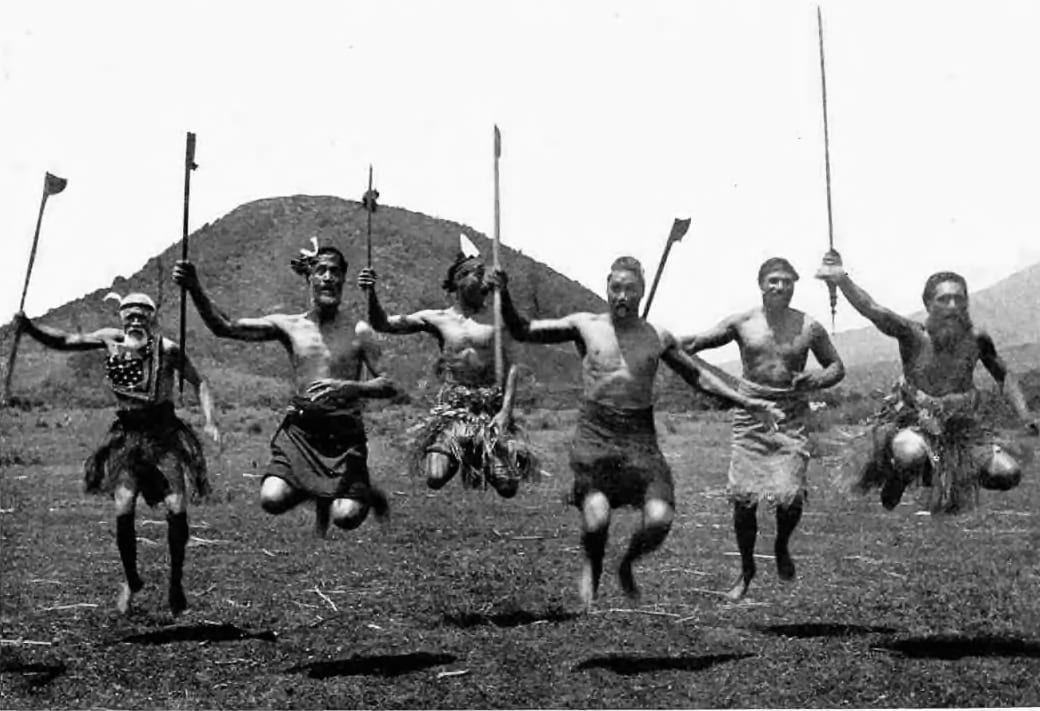
The first settlers adapted Polynesian crops and fishing to a cooler, larger land, hunted the giant moa to extinction within a couple of centuries, and by about 1500 had developed the "classic" Māori culture: iwi and hapū (tribes and sub-tribes) organised around fortified pā, with elaborate carving, warfare and oral tradition. Abel Tasman's brief 1642 visit ended in bloodshed and no landing. James Cook's three voyages from 1769 mapped the islands accurately and opened them to European contact — sealers and whalers, then missionaries from 1814, and traders in flax and timber.
The Treaty, and the wars
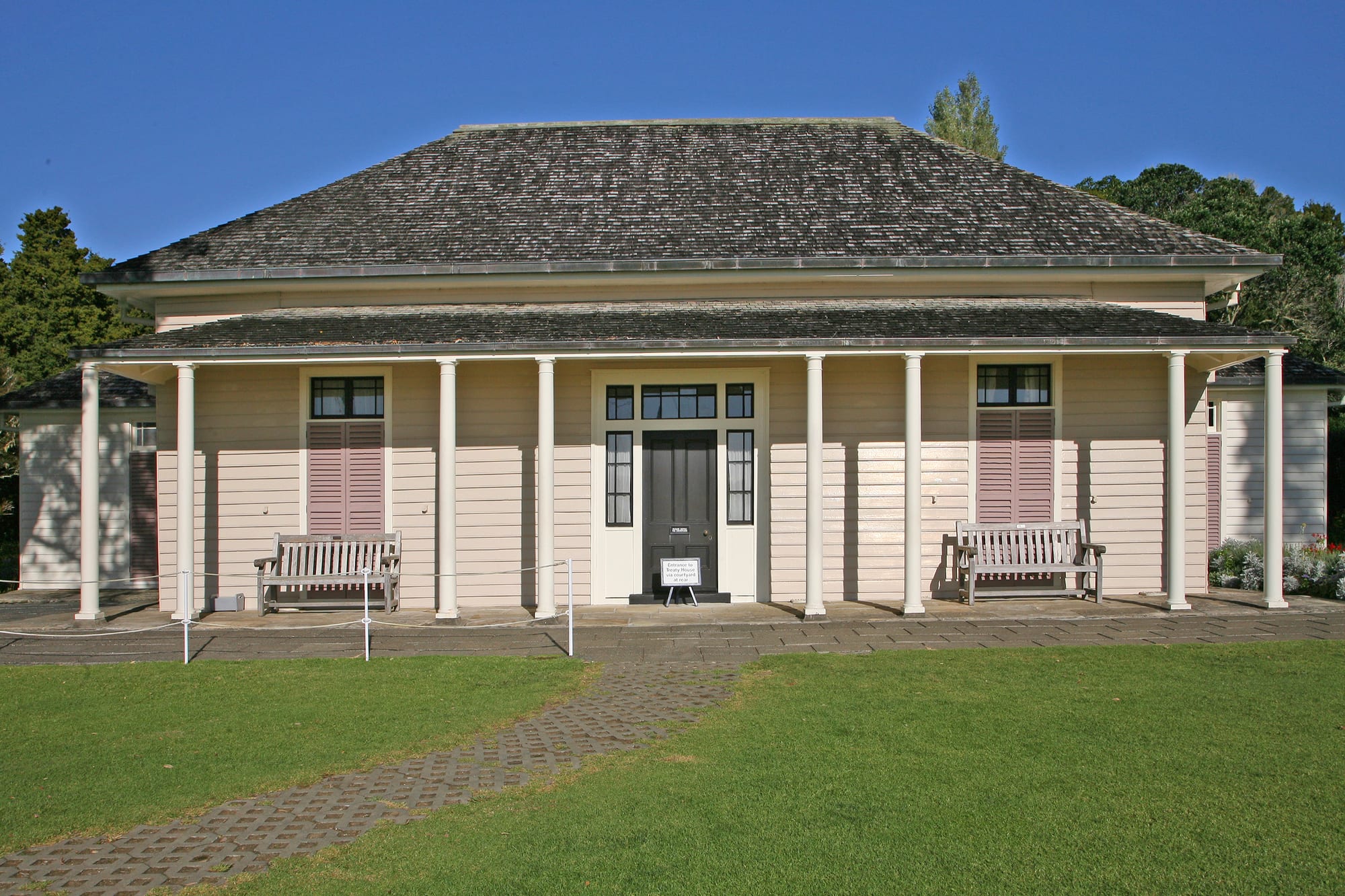
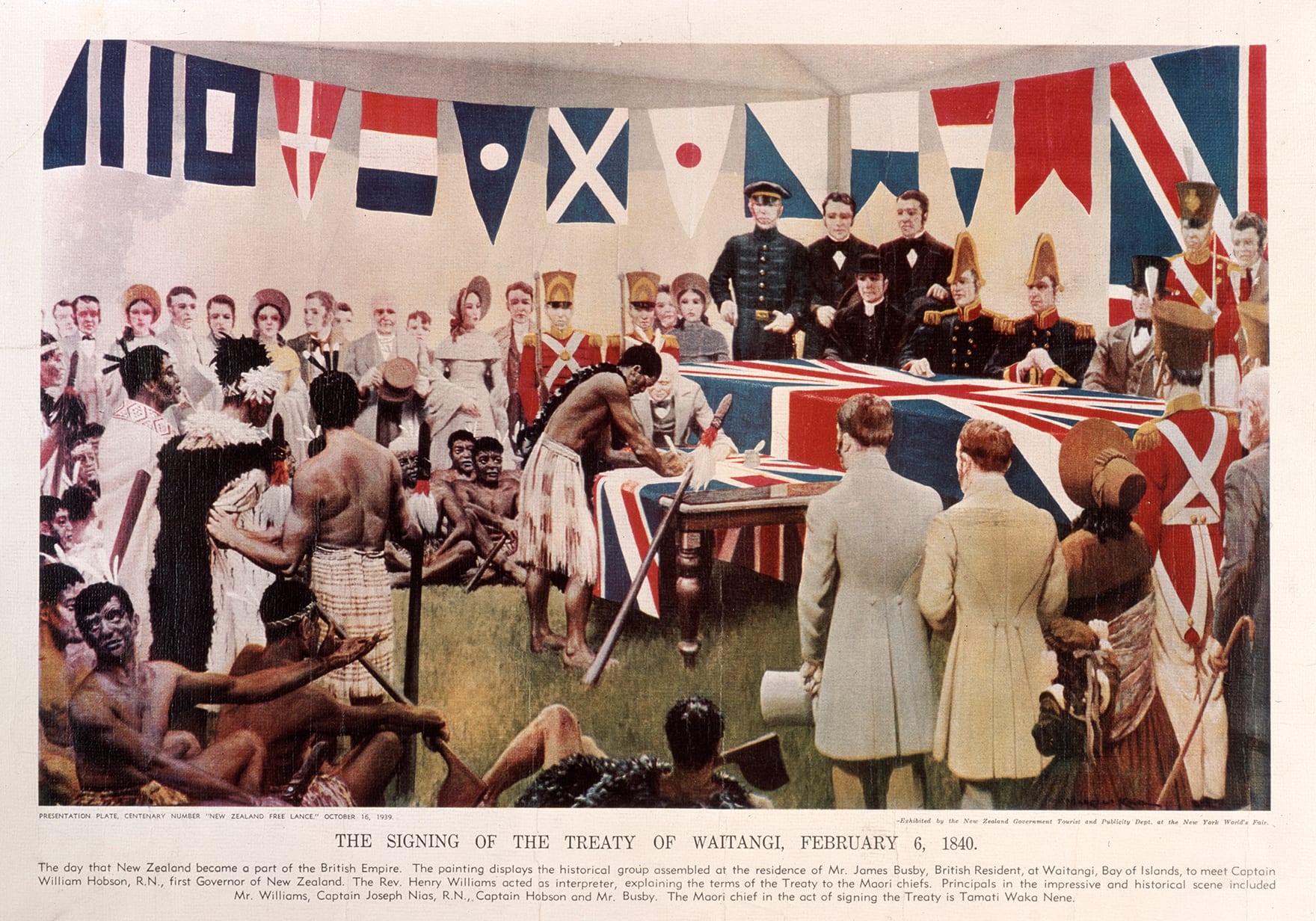
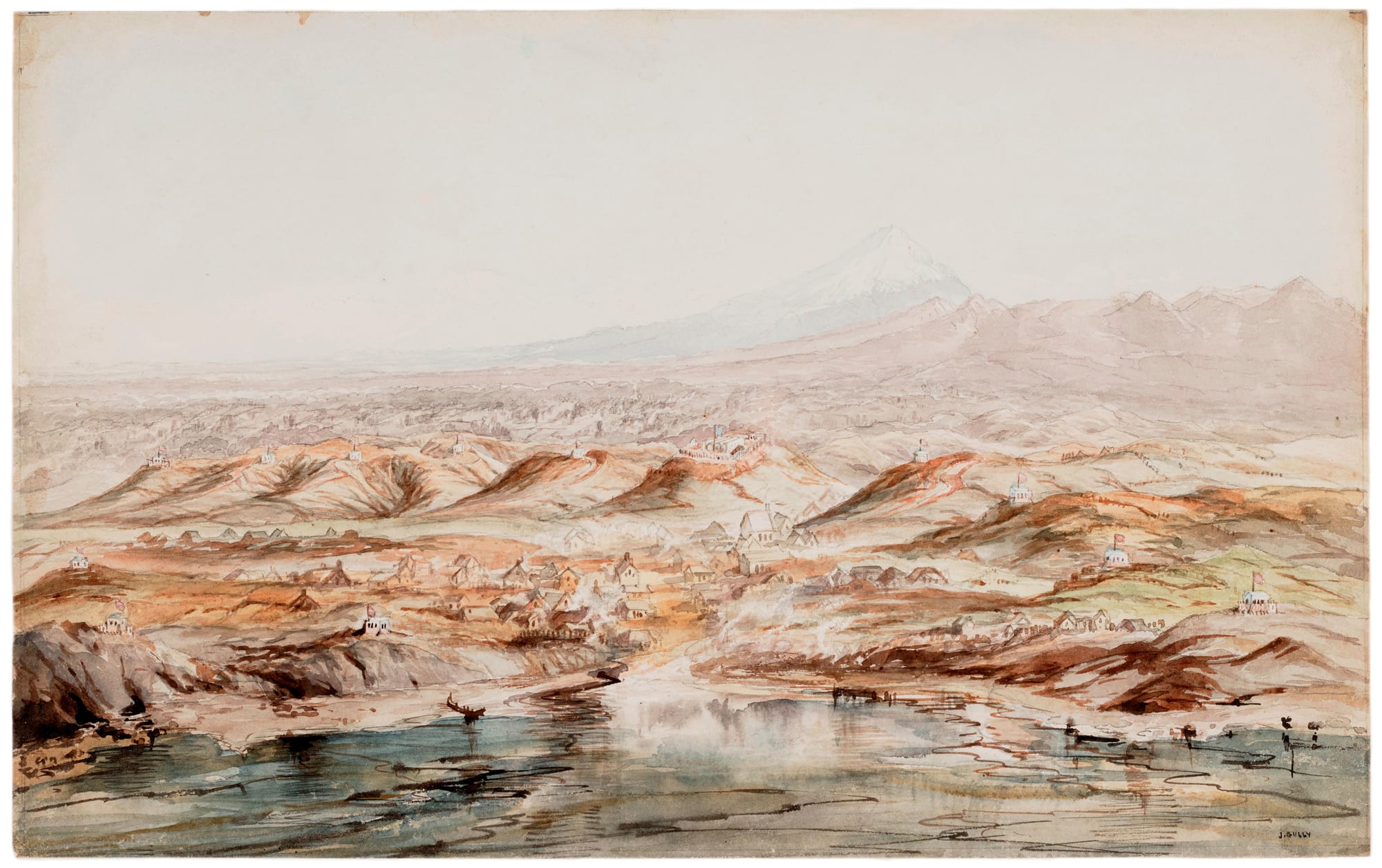
By the 1830s musket warfare among Māori and lawless European settlement pushed Britain towards annexation. On 6 February 1840 Lieutenant-Governor William Hobson and around 40 chiefs signed the Treaty at Waitangi; some 500 more signed copies around the country over the following months, though several major chiefs never did. Settlers poured in under the New Zealand Company's schemes, and pressure for land grew relentless. From 1845, and heavily in the 1860s, the Crown and colonial militias fought a series of wars against Māori who resisted land sales, especially in Taranaki and the Waikato. The government then confiscated some 1.2 million hectares from tribes deemed "in rebellion", crippling the Māori economy for generations.
Colony and dispossession
The social laboratory
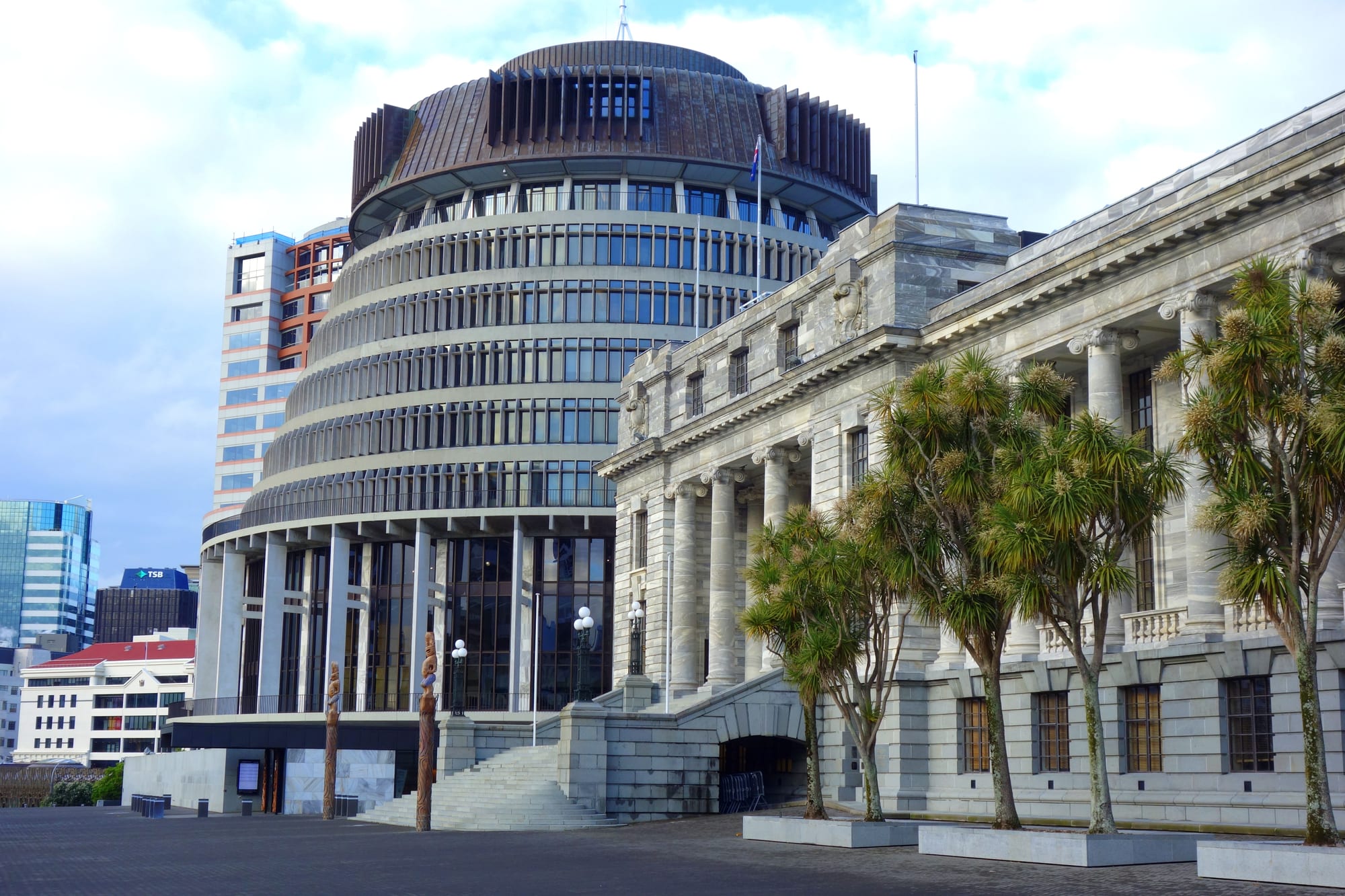
New Zealand gained responsible self-government in 1856 and, from the 1890s, a Liberal government made it internationally famous as a "social laboratory": women won the vote in 1893, the first in any self-governing nation; compulsory industrial arbitration and an old-age pension followed. The first Labour government of 1935–49 built a comprehensive welfare state — state housing, free healthcare, universal superannuation. New Zealand fought as part of the British Empire in the South African War and both world wars, taking severe casualties at Gallipoli in 1915, an event central to the national and Australian sense of identity.
Reinvention and reckoning
Britain's entry into the European Community in 1973 cut New Zealand off from its guaranteed market and forced an economic reorientation towards Asia and the Pacific. From 1984 the fourth Labour government carried out one of the OECD's most sweeping deregulations — "Rogernomics" — while also declaring the country nuclear-free, which caused a lasting rift with the United States. In parallel, a Māori cultural and political renaissance from the 1970s put the Treaty back at the centre: the Waitangi Tribunal, created in 1975 and given powers to examine historical claims in 1985, has driven a long process of formal apologies and financial settlements with iwi, and te reo Māori is now an official language taught widely in schools.
What New Zealand carries
New Zealand's history is unusually short and unusually documented, and it keeps returning to one text. The gap between the Treaty's two versions — sovereignty ceded, or only governorship — was papered over for a century of settlement, war and confiscation, and has been the explicit subject of national politics since the 1970s. The Tribunal settlements, the language revival and the recurring arguments over what "partnership" means are all attempts to answer a question the founding document left open.