Food · New Zealand
New Zealand: Food and the National Dish
Meat and vegetables cooked slowly in an underground earth oven, a Māori tradition older than the country's modern name
By Worldlore Editorial · 16 September 2026
Food from land, sea and a deep Māori tradition
New Zealand's food draws on two main threads: British colonial cooking habits, meat and potatoes, brought by 19th-century settlers, and a much older Māori food tradition built on the land, sea and a distinctive underground cooking method that predates European contact by centuries.
The traditional dish: hāngi
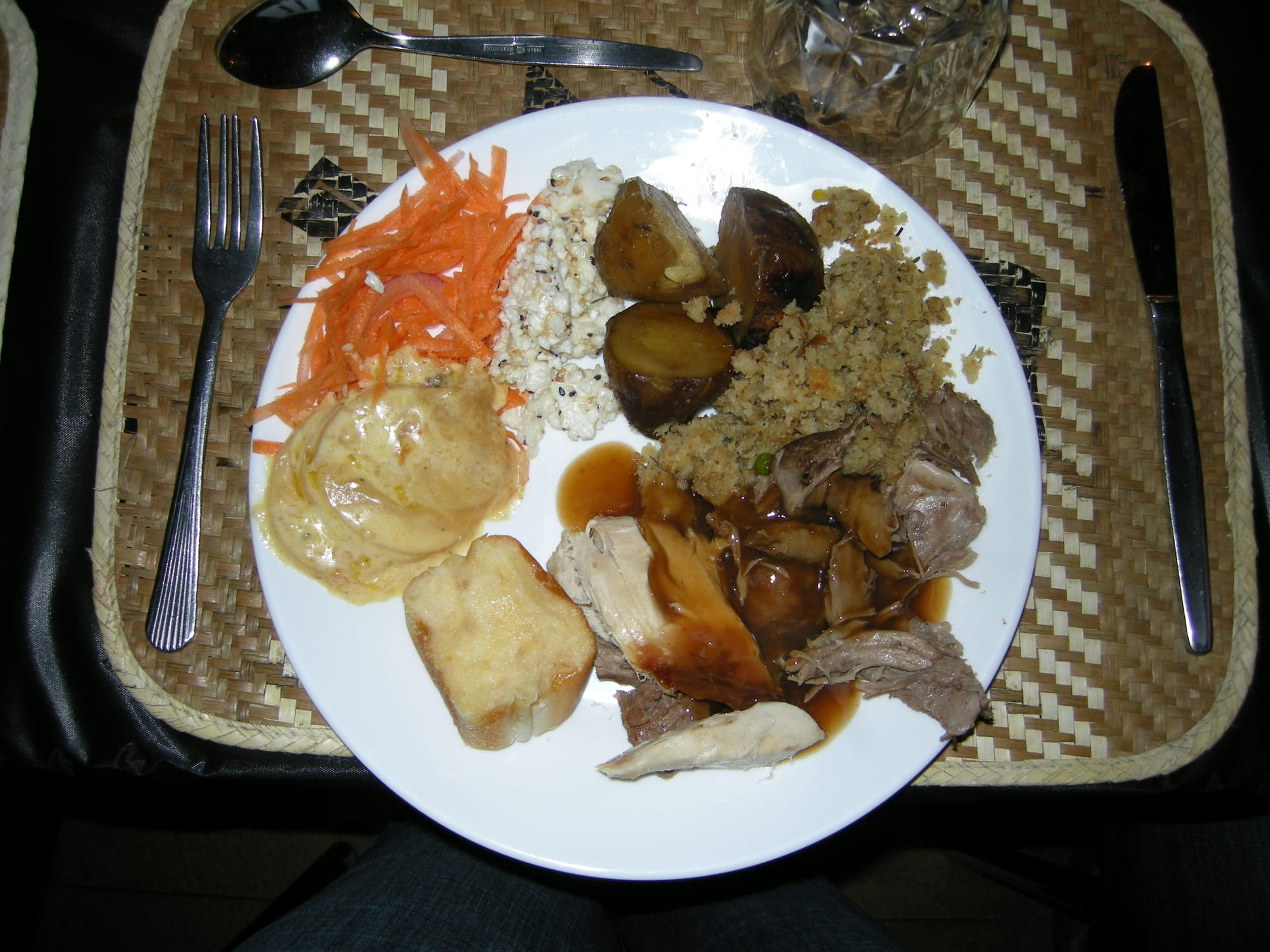
Hāngi, meat, vegetables and sometimes seafood cooked slowly for several hours in a pit oven lined with heated stones and covered with earth, is New Zealand's most culturally significant traditional dish, a genuine Māori practice still used for important gatherings, celebrations and tourist cultural experiences alike. The slow, steam-based cooking gives hāngi food a distinctive smoky, tender character difficult to replicate any other way.
Lamb, seafood and the everyday pantry
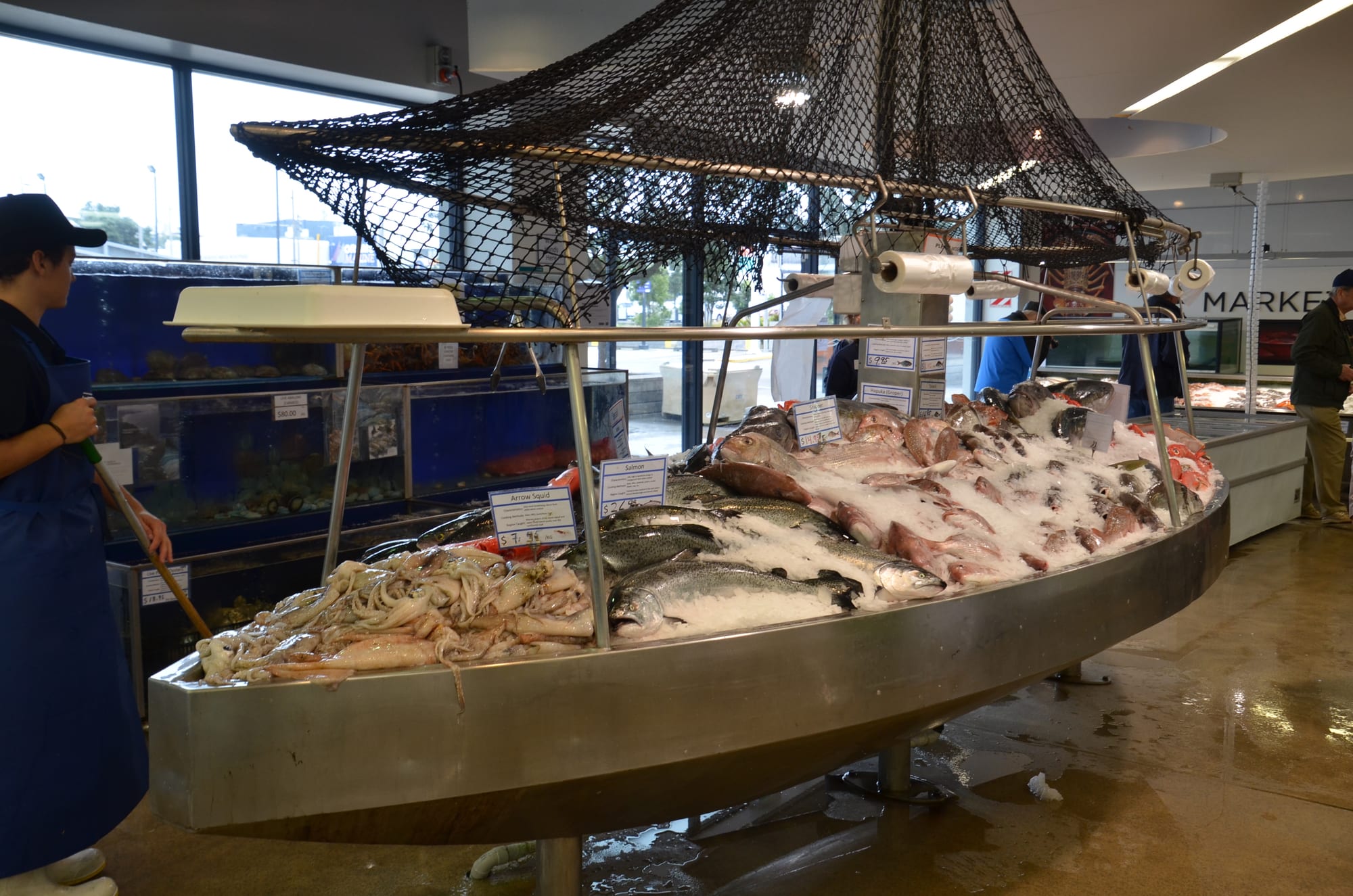
New Zealand lamb, raised on the country's extensive pasture land, is internationally well-regarded and remains a genuine point of national pride, alongside fresh seafood, particularly green-lipped mussels and snapper, drawn from the surrounding ocean. Kūmara, a Māori sweet potato variety, and a strong dairy industry round out a pantry shaped by both farming and a long coastline.
History behind the earth oven
Hāngi cooking traces to the Polynesian ancestors of the Māori, who settled New Zealand centuries before European contact and adapted earth-oven cooking techniques found across the wider Pacific to New Zealand's own ingredients and geothermal geography, particularly around Rotorua, where some hāngi are even cooked using natural geothermal heat rather than a wood fire. British colonial settlement from the 19th century added meat pies, roast dinners and other imported habits without displacing hāngi's cultural significance.
Dishes to know
Five more to recognise across New Zealand:
- Fish and chips — a firmly established everyday meal, reflecting
British culinary heritage and New Zealand's strong seafood access.
- Meat pie — a handheld savoury pastry, an everyday New Zealand staple
much like in neighbouring Australia.
- Pavlova — a meringue-based dessert with a soft centre, its origin
genuinely contested between New Zealand and Australia.
- Whitebait fritters — small native fish mixed into a simple egg
batter and fried, a seasonal New Zealand delicacy.
- Kūmara — a Māori variety of sweet potato, roasted or mashed as a
common side dish.
Drinks
New Zealand wine, particularly Marlborough Sauvignon Blanc, has built a genuine international reputation over recent decades. Coffee culture is strong in New Zealand cities, and craft beer has grown into a significant part of the country's drinking scene alongside more traditional options.
Eating as a traveller
Vegetarians will find kūmara, vegetable and dairy-based dishes manageable, though lamb and seafood are central to much of New Zealand's food identity. Tap water is safe throughout the country. Attending a hāngi at a Māori cultural centre, particularly around Rotorua, is a genuine way to experience the tradition prepared and explained by the community it belongs to.
What to take from the table
Hāngi, cooked slowly underground, is the dish that most directly connects modern New Zealand to a Māori tradition centuries older than the country's colonial history — a genuinely living practice, not a museum piece.