Attractions & Natural Wonders · New Zealand
New Zealand: Ten Attractions and Natural Wonders
Fjords carved by ice, glaciers that reach almost to the sea, bubbling geothermal fields, and the real hobbit holes that made Middle-earth look like somewhere you could actually visit
By Worldlore Editorial · 19 September 2026
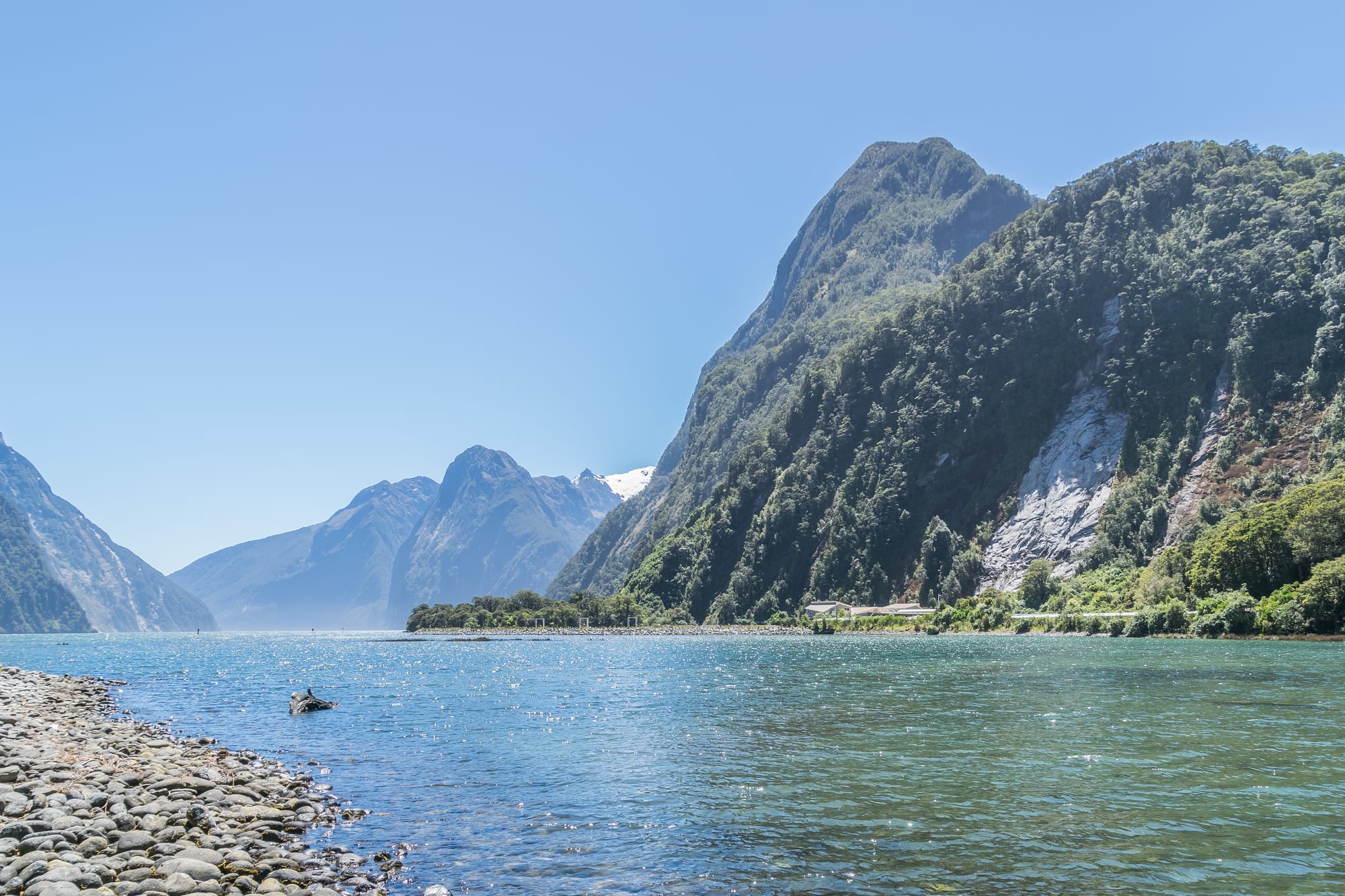
Two islands of glaciers, fjords, and fire
New Zealand, isolated in the South Pacific for tens of millions of years, has a landscape shaped by both ice and volcanic fire — fjords and glaciers in the south, geysers and steaming craters in the north, and a Māori culture (about 17 percent of the population identifies as Māori) woven through place names, art, and ceremony across both. Its roughly 5.3 million people are famously outnumbered many times over by sheep, and its adventure-sports and film-tourism industries (largely thanks to The Lord of the Rings) have made it a global bucket-list destination.
The ten below split fairly evenly between the North and South Islands. Summer (December to February) has the longest days and best weather for hiking; winter brings a serious ski season to the Southern Alps.
1. Milford Sound and Fiordland
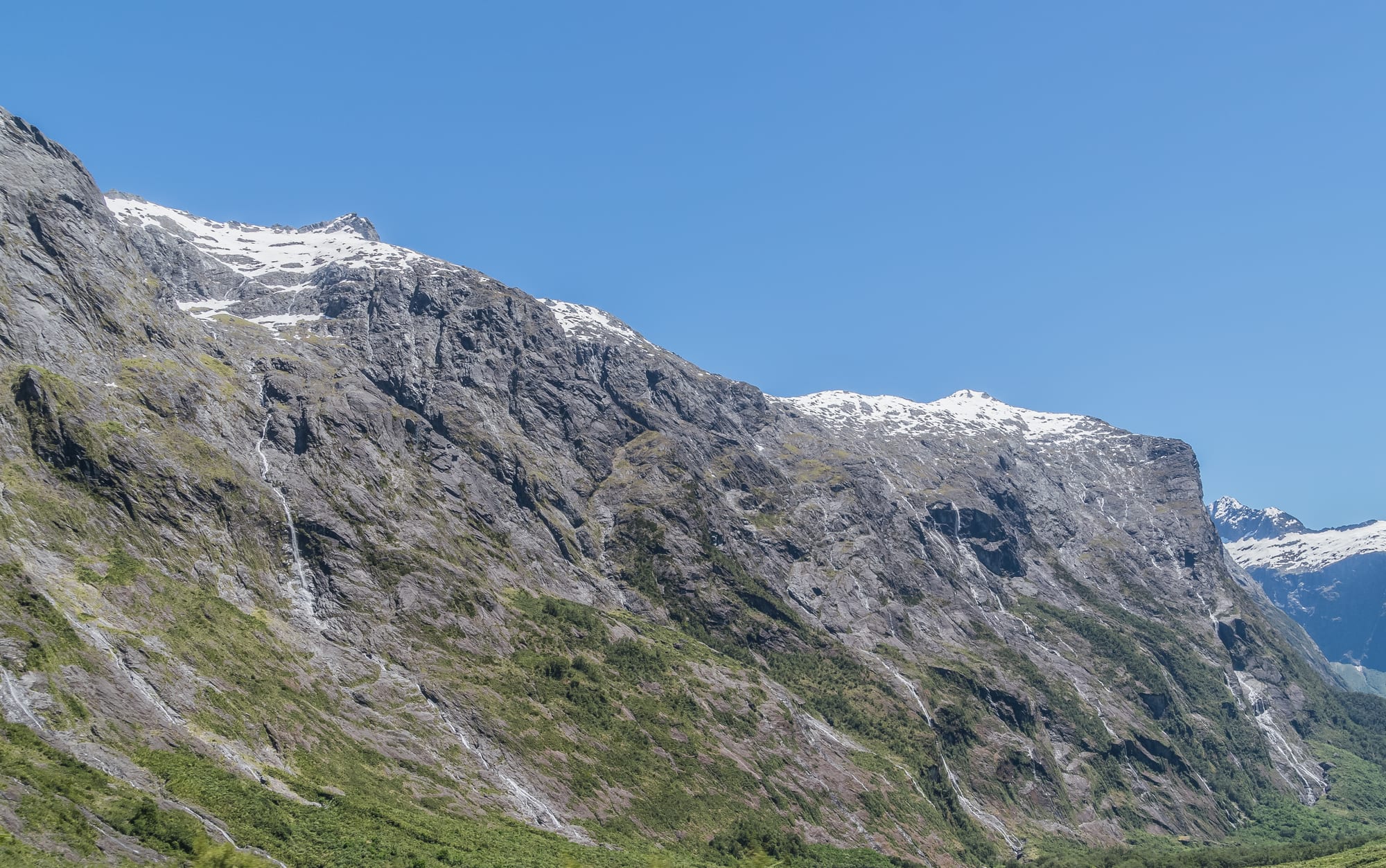
Milford Sound, carved by glaciers and framed by the sheer peak of Mitre Peak rising more than 1,600 metres straight from the water, is New Zealand's most famous natural sight — often shrouded in mist and rain, which only adds to the drama with dozens of temporary waterfalls streaming off the cliffs. Boat cruises run the length of the fjord past seal colonies and, in season, dolphins and penguins. It sits within Fiordland National Park, part of the vast Te Wahipounamu UNESCO World Heritage Site.
The drive in from Te Anau, through the Homer Tunnel, is one of the great scenic roads in the country.
2. Queenstown
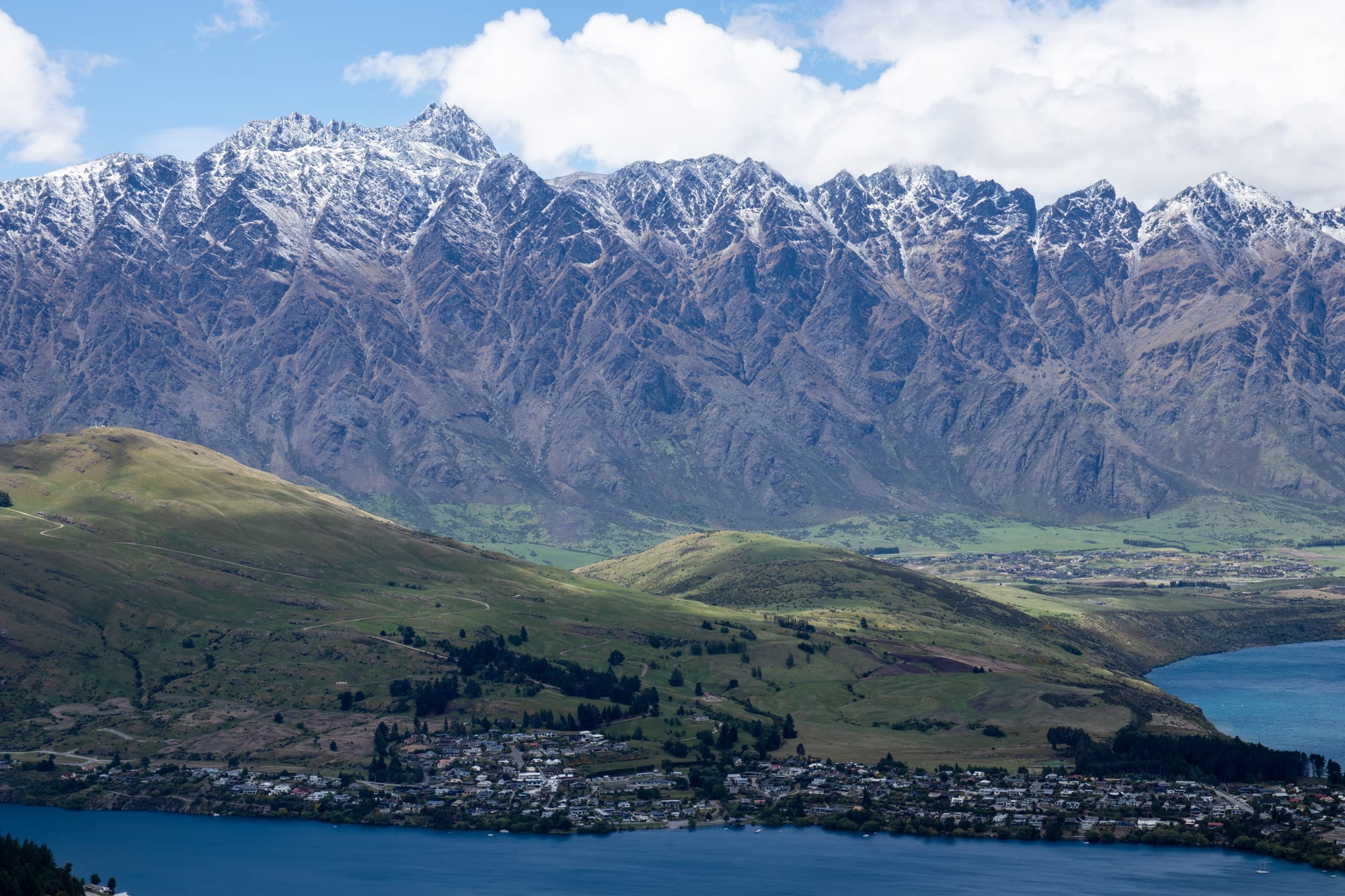
Queenstown, on the shore of Lake Wakatipu below the jagged Remarkables range, is New Zealand's self-styled adventure capital — the birthplace of commercial bungee jumping, and a base for jet boating, skydiving, hiking, and, in winter, skiing at nearby Coronet Peak and The Remarkables. It is also simply one of the most dramatically situated towns in the country, with a lively restaurant and bar scene to match its adrenaline reputation.
It is the natural base for day trips to Milford or Doubtful Sound and the Fiordland region.
3. Franz Josef Glacier
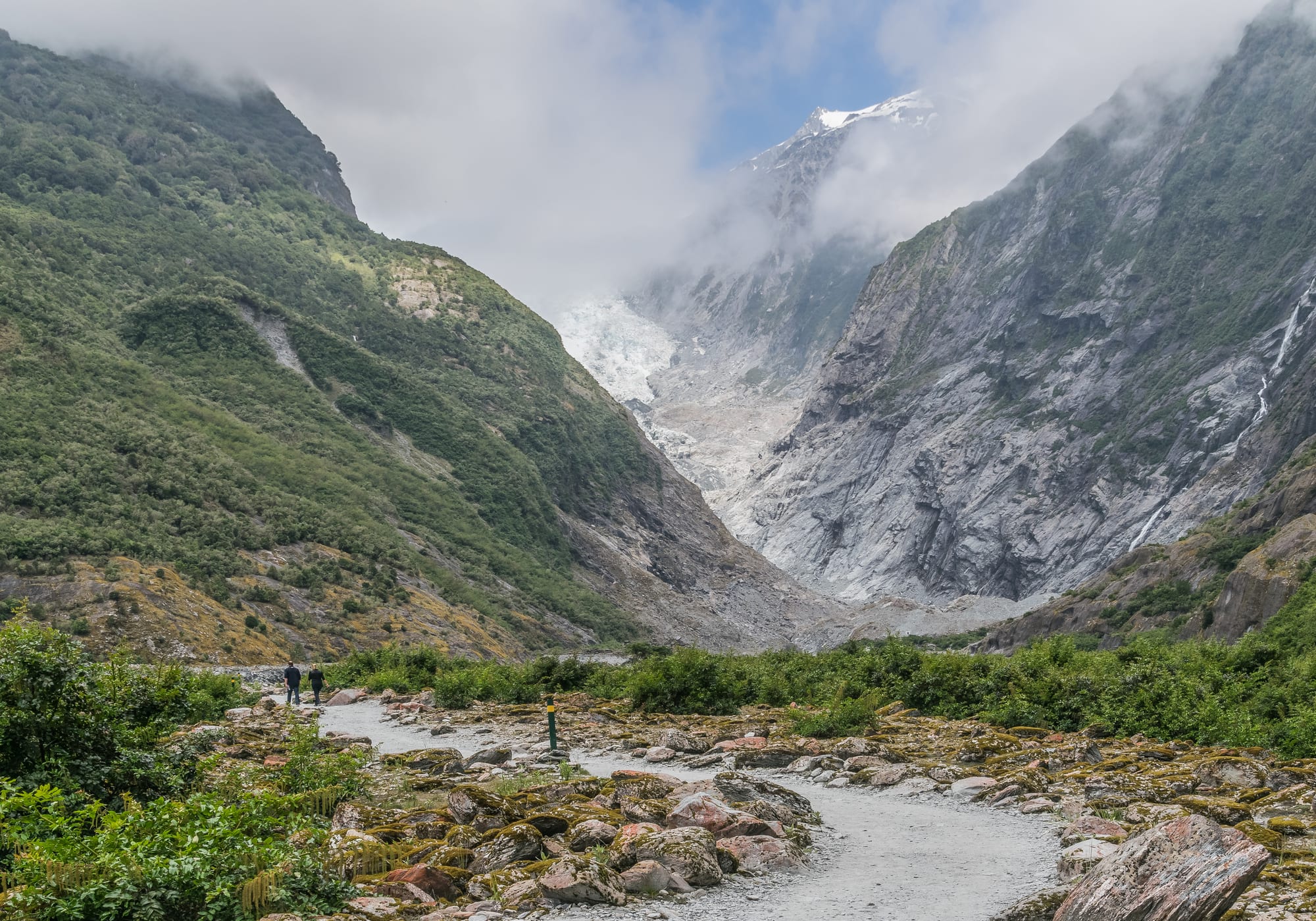
Franz Josef, along with its neighbour Fox Glacier, is one of the few glaciers in the world that descends through temperate rainforest almost to sea level, though retreat in recent decades has pushed the accessible ice further up the valley. Helicopter tours land directly on the ice for guided walks; valley walks and a swing bridge give free views of the glacier face and terminal lake from below.
Weather on the West Coast is changeable; helicopter access depends on conditions.
4. The Tongariro Alpine Crossing
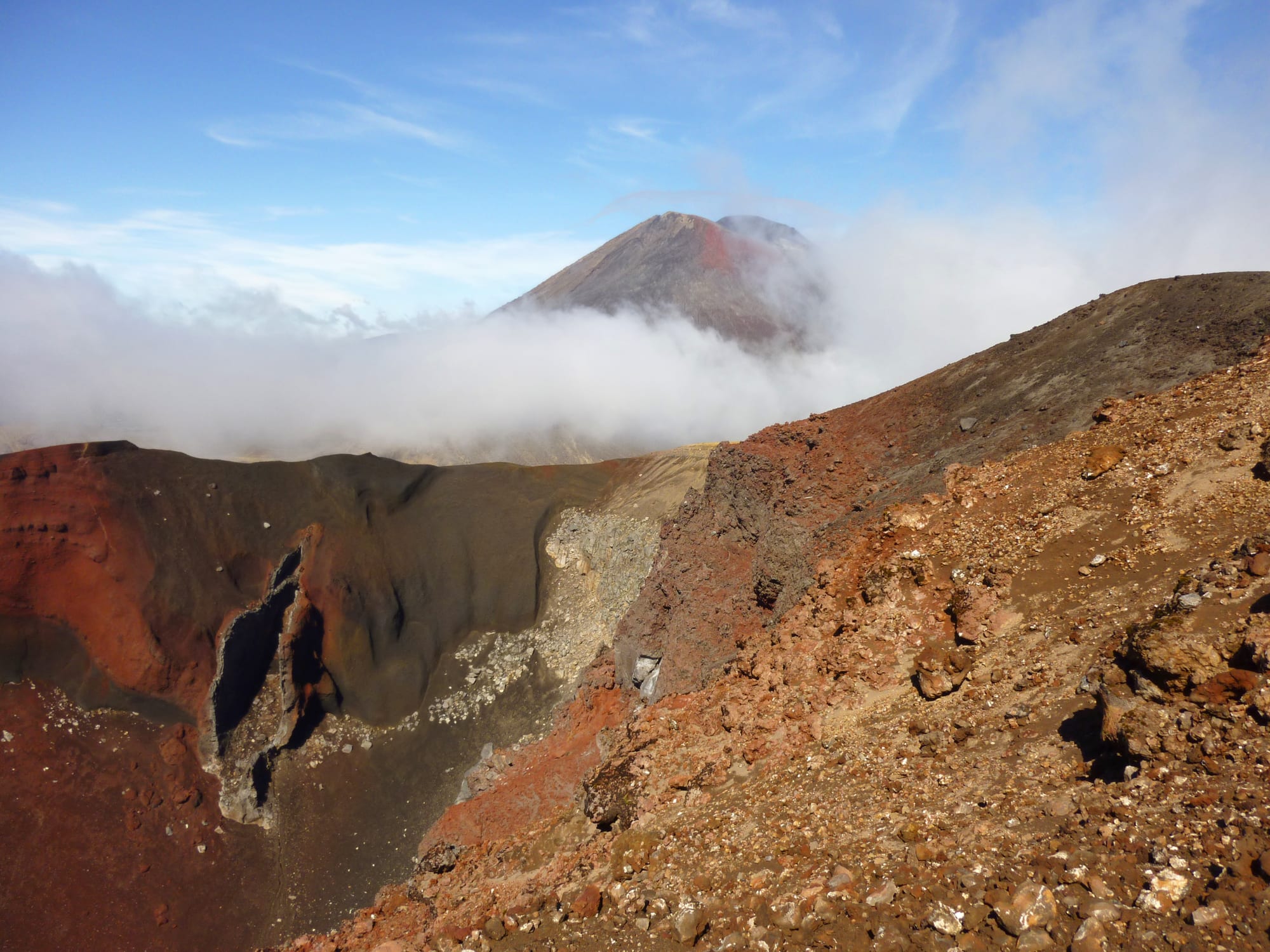
The Tongariro Alpine Crossing, a 19.4-kilometre one-day trek across an active volcanic plateau on the North Island, is widely rated one of the best day hikes in the world — passing steaming vents, the vivid Emerald Lakes, and the near- perfect cone of Mount Ngauruhoe, familiar to Lord of the Rings fans as Mount Doom. It is a genuine mountain crossing rather than a stroll, with real weather risk even in summer.
Shuttle buses run to and from both ends of the trail, since it is a one-way route.
5. Rotorua
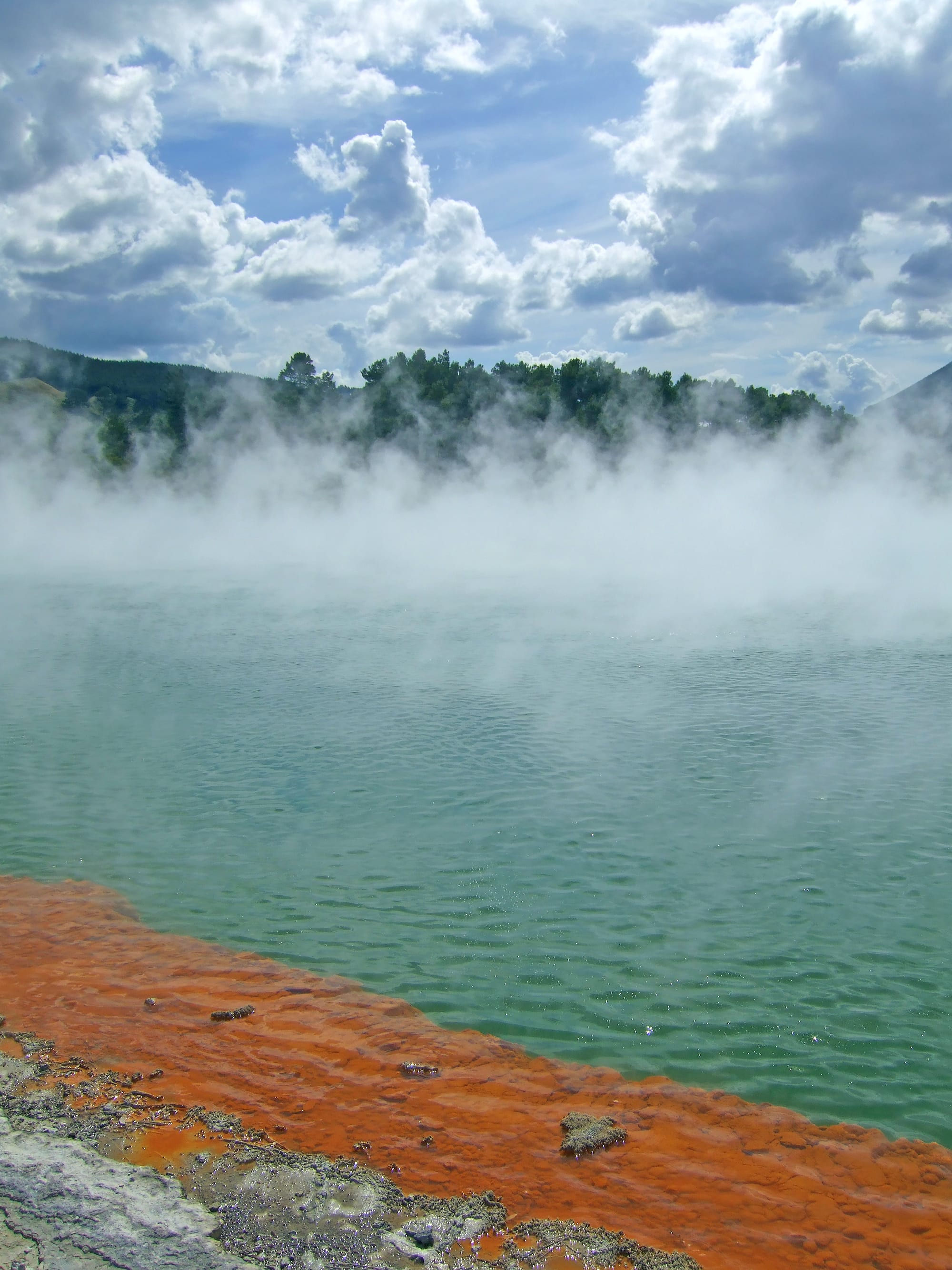
Rotorua sits on a highly active geothermal field — bubbling mud pools, hissing steam vents, and geysers erupting on a regular schedule at Te Puia and Wai-O-Tapu, the latter known for its bright orange and green mineral terraces. The town is also a major centre of Māori culture, with cultural performances, hangi feasts cooked in geothermally heated earth ovens, and the Te Puia carving and weaving school.
The distinctive sulphur smell is unmistakable and part of the experience.
6. Hobbiton
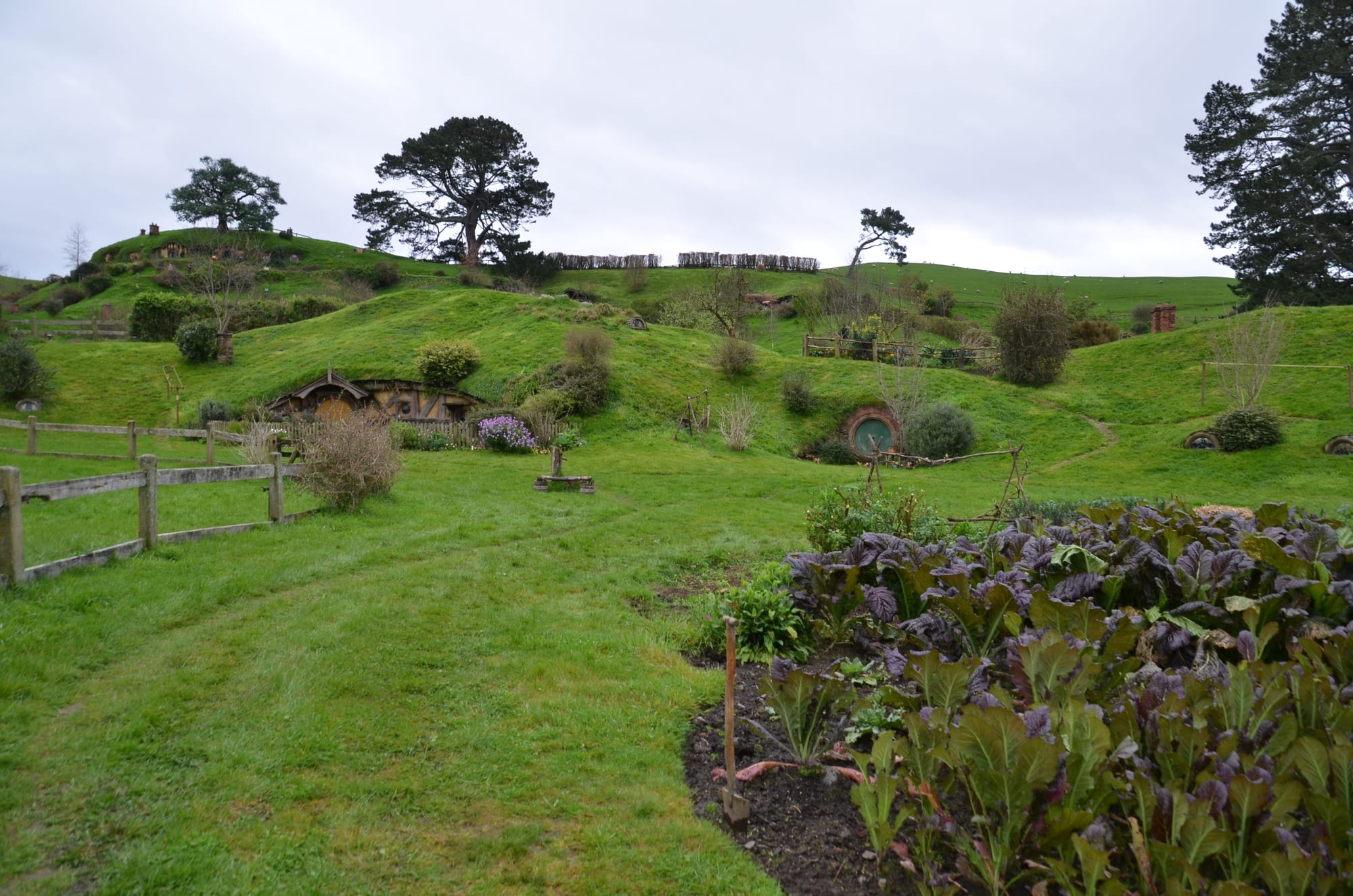
On a working sheep farm near Matamata, the Hobbiton set built for Peter Jackson's Lord of the Rings and Hobbit films has been kept as a full, permanent attraction — 44 hobbit holes, the Green Dragon Inn (serving real ale and cider as part of the tour), and rolling Shire-like countryside. Even visitors unfamiliar with the films tend to be won over by the level of detail.
Tours run on a timed-entry basis and are best booked ahead, especially in summer.
7. Auckland
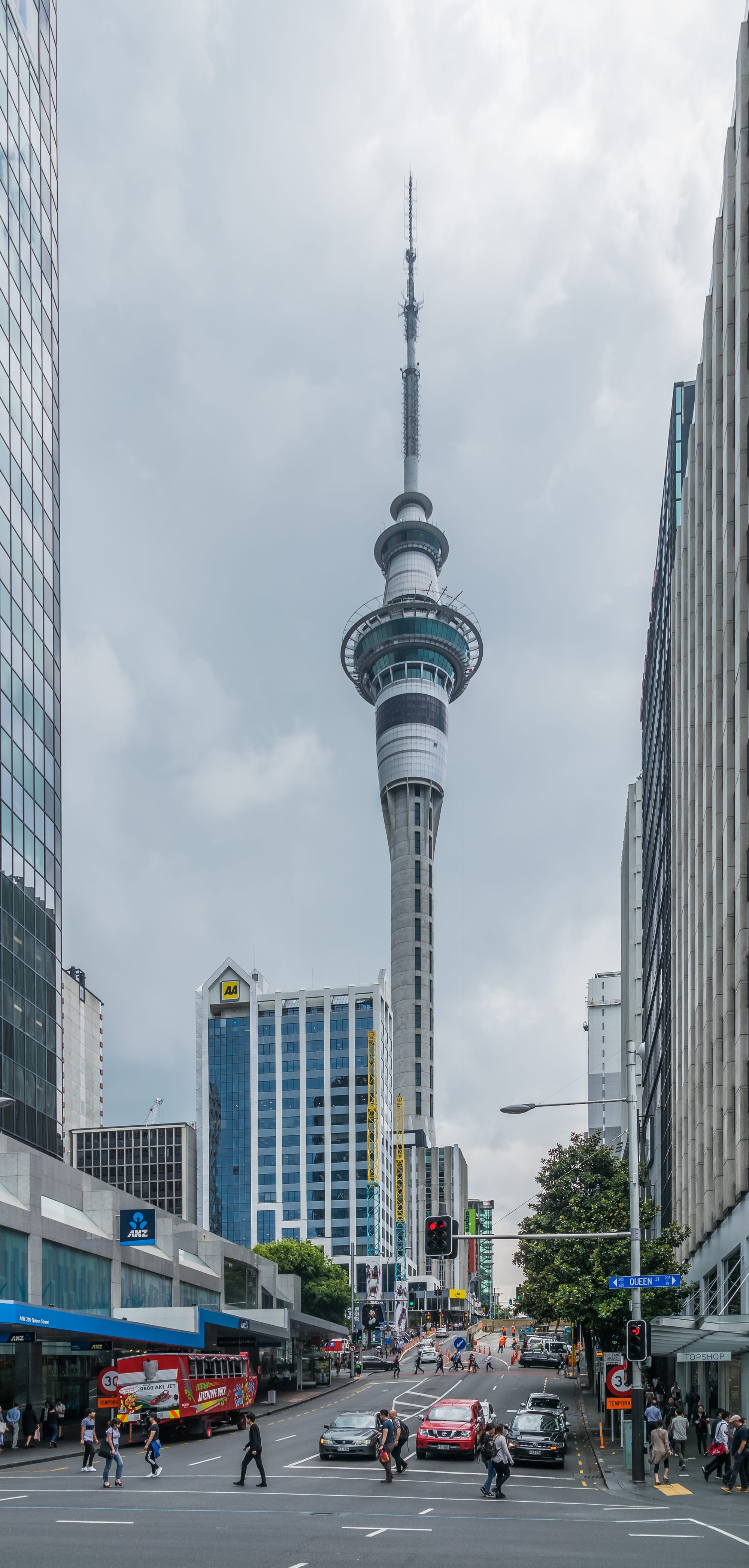
Auckland, New Zealand's largest city, is built across an isthmus dotted with extinct volcanic cones and wrapped by two harbours, giving it a strong claim to the title "City of Sails" for its exceptionally high rate of boat ownership. The Sky Tower gives a 360-degree view (and, for the brave, a jump off the outside); Waiheke Island's vineyards and the black-sand surf beaches of the West Coast (Piha, Muriwai) are both easy day trips.
It is the main international gateway for most visitors.
8. The Bay of Islands
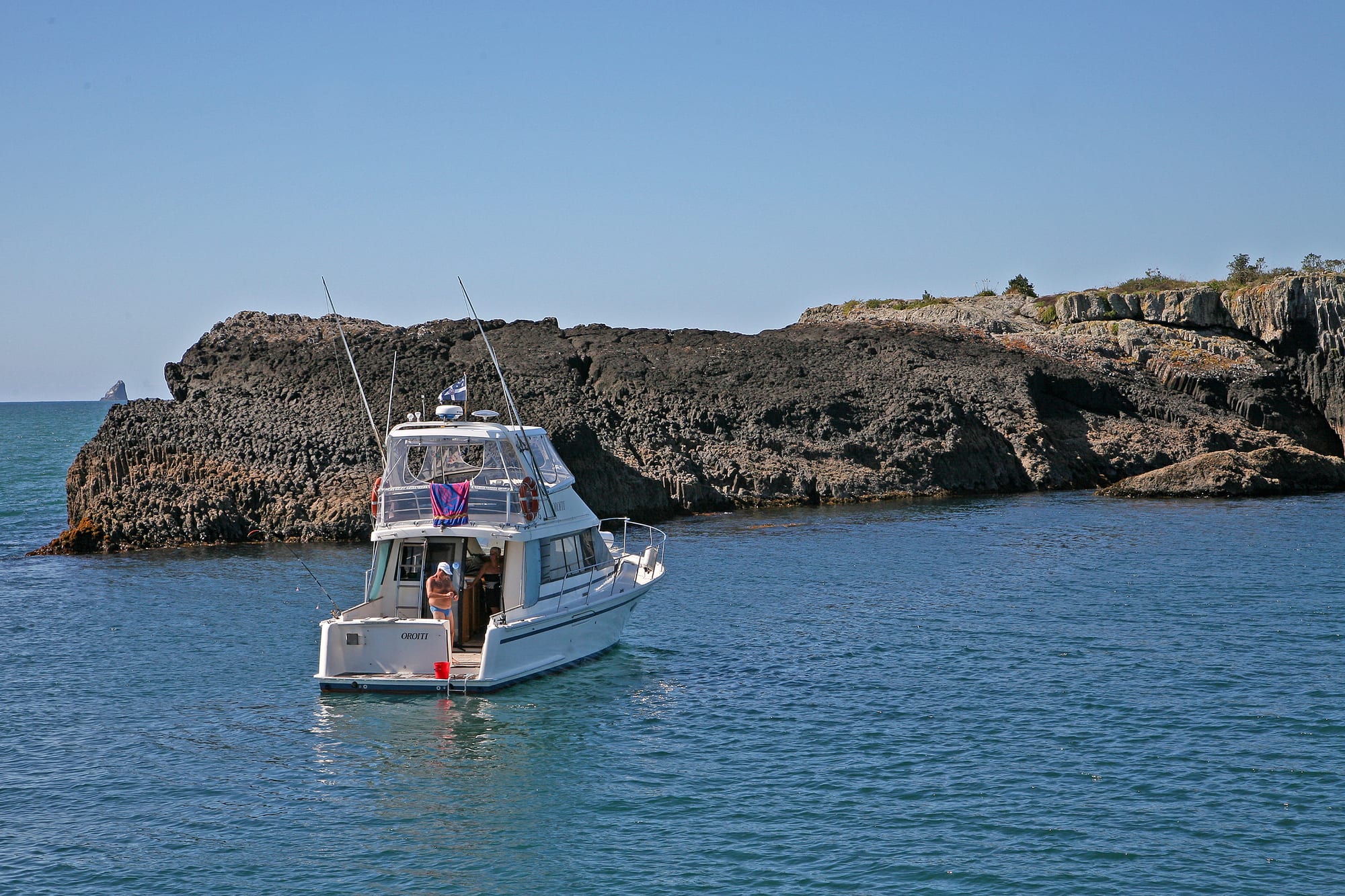
The Bay of Islands, in the warm far north, is New Zealand's sailing and game-fishing playground — 144 islands scattered across a sheltered bay, with dolphin-watching cruises, the historic town of Russell (the country's first capital and once a rough whaling port), and Waitangi, where the founding treaty between the British Crown and Māori chiefs was signed in 1840.
It is about a three-hour drive from Auckland.
9. Abel Tasman National Park
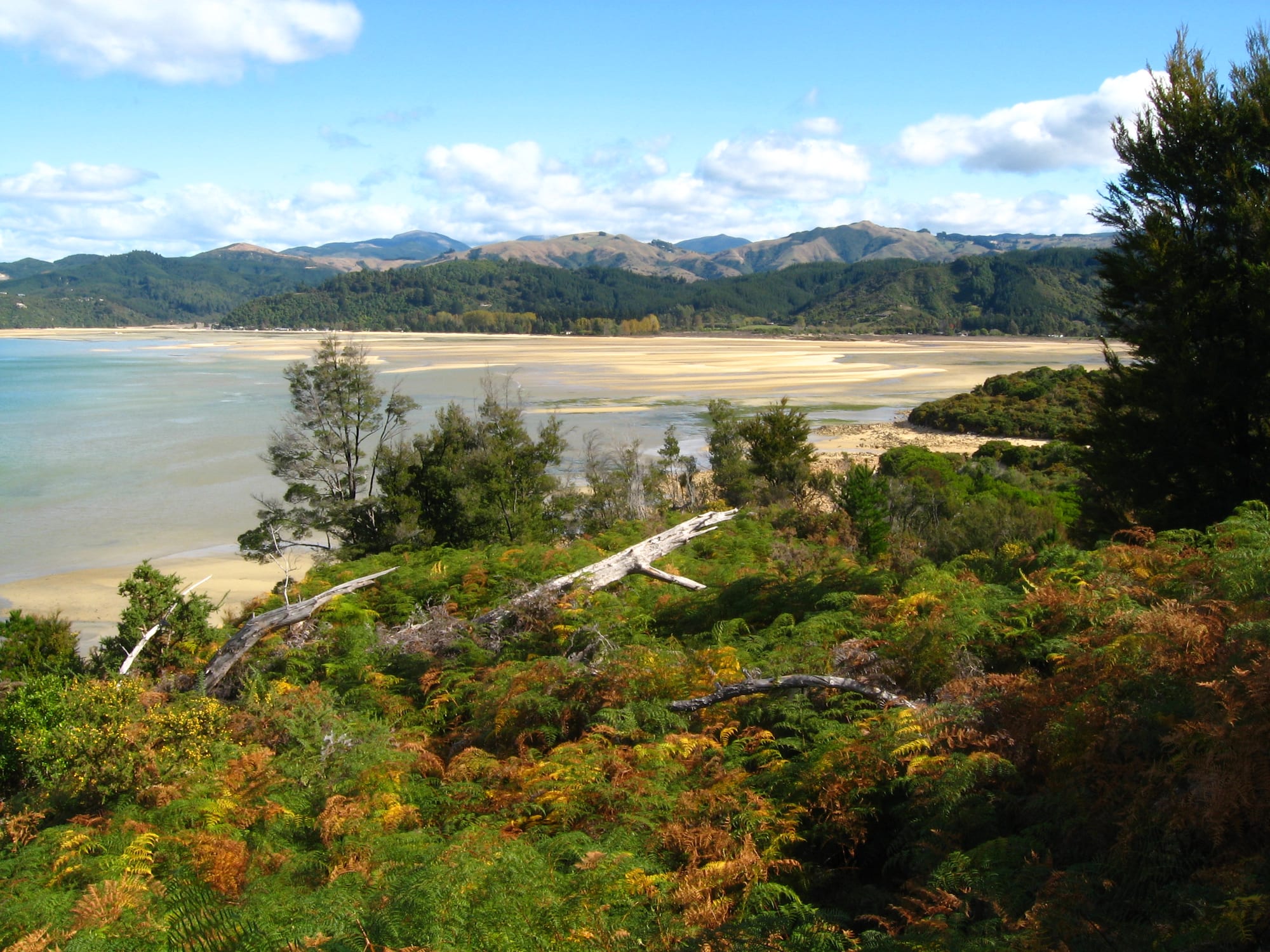
Abel Tasman, New Zealand's smallest national park, has a coastline of golden sand beaches, granite headlands, and clear turquoise water quite different from the fjords further south. The 60-kilometre Abel Tasman Coast Track, one of the country's "Great Walks", can be hiked in full over three to five days or sampled in sections by water taxi, kayak, or a single day's walk.
Kayaking along the coast, stopping at empty beaches, is one of the most relaxed ways to see it.
10. The West Coast and Southern Alps
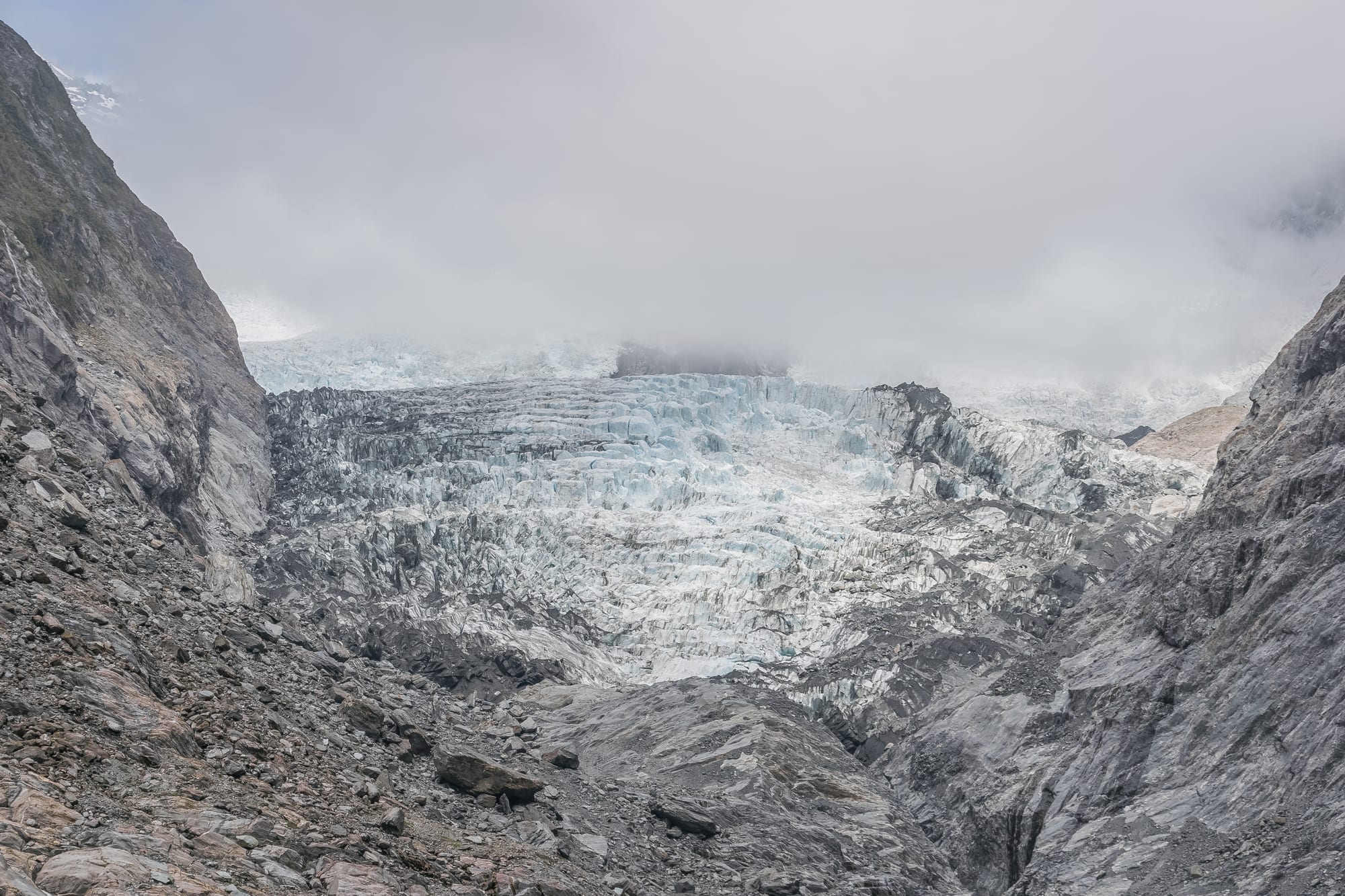
Beyond the named glaciers, the South Island's West Coast and Southern Alps offer some of New Zealand's wildest scenery — Aoraki/Mount Cook, the country's highest peak, ringed by glacial lakes like Pukaki and Tekapo, whose vivid turquoise colour comes from glacial "rock flour" suspended in the water; the Punakaiki "Pancake Rocks"; and long stretches of empty coastline between the glacier towns.
A road trip down the West Coast is one of New Zealand's classic self-drive journeys.
New Zealand rewards travelling slowly by car, as distances between sights are greater than they look on a small map. A first trip of two to three weeks usually splits time between the North Island (Auckland, Rotorua, Tongariro) and the South Island (Queenstown, Milford Sound, the glaciers), connected by a short flight or the inter-island ferry.