Daily Life · New Zealand
New Zealand: An Hour From the Wild
Quarter-acre sections and weekend markets, a working week that still runs nine to five, and a country where almost everyone lives within reach of a beach or a bush track, even as owning any of it grows harder by the year
By Worldlore Editorial · 30 September 2026
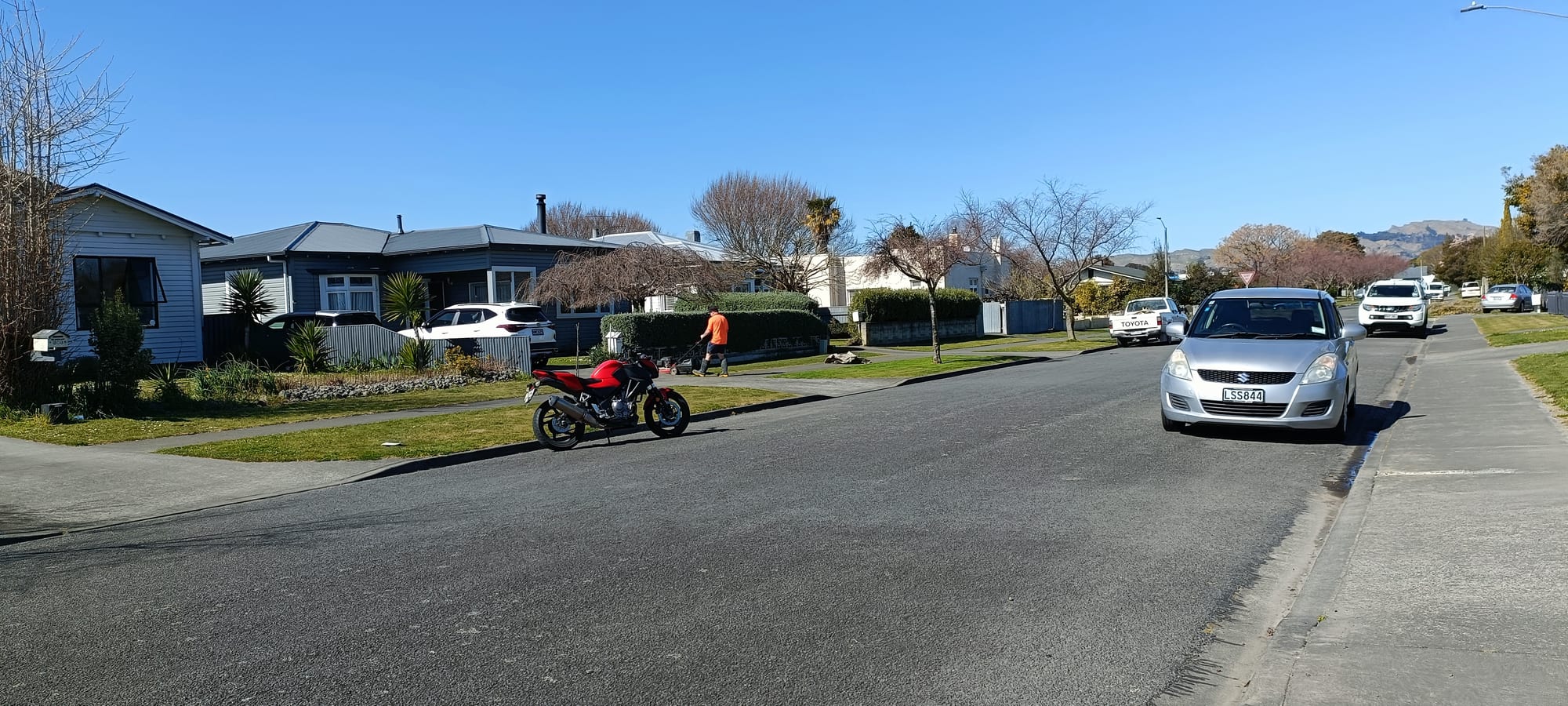
For a country famous for fiords and glaciers, New Zealand's everyday life is mostly suburban: a freestanding house with a garden, a car in the driveway, a school run, a supermarket shop. What sets the ordinary day apart is how close the wild stays even so — most people live within easy reach of a beach or a bush walk, the weather changes without warning, and weekends still revolve around getting outside. Running underneath all of it is a newer, harder fact: the house-and-garden way of life so many people grew up expecting is now out of reach for a large share of the under-forties who would once have taken it for granted.
Family and home life
The freestanding house on its own section, once nicknamed the quarter-acre dream, remains the aspiration and, for older generations, the norm; renovated bungalows and newer subdivisions of standalone homes still outnumber apartments in most towns. That pattern is strained today by housing costs classed as severely unaffordable, which have pushed home ownership out of reach for many people under forty and kept adult children living with parents for longer than previous generations did. Māori households commonly extend beyond the immediate family to grandparents and wider whānau, particularly around raising children, and Pasifika families in Auckland, home to the largest Polynesian population of any city in the world, often maintain the same close, multigenerational structure. A working stint overseas, known as the OE, remains a rite of passage for many young New Zealanders in their twenties, and the steady pull of higher wages in Australia is a constant undercurrent in family life, with adult children and grandchildren often living a Tasman Sea apart.
Work, school and the rhythm of the day
A standard working week is 40 hours, typically Monday to Friday from around nine to five, though farming and hospitality run on their own longer and more irregular hours. The school day for most children runs from between eight and nine in the morning to about three in the afternoon, with mid-morning and lunch breaks built in, and the afternoon pick-up is a fixture of the day for parents of younger children. Outside Auckland and Wellington, life is largely car-dependent, and commuting, like the weather, is a constant topic of small talk given how quickly conditions can change from one hour to the next. Coffee culture runs through the working day everywhere, and the flat white, which New Zealand claims to have invented, is as much a fixture of the mid-morning break as tea once was.
Community life and public spaces
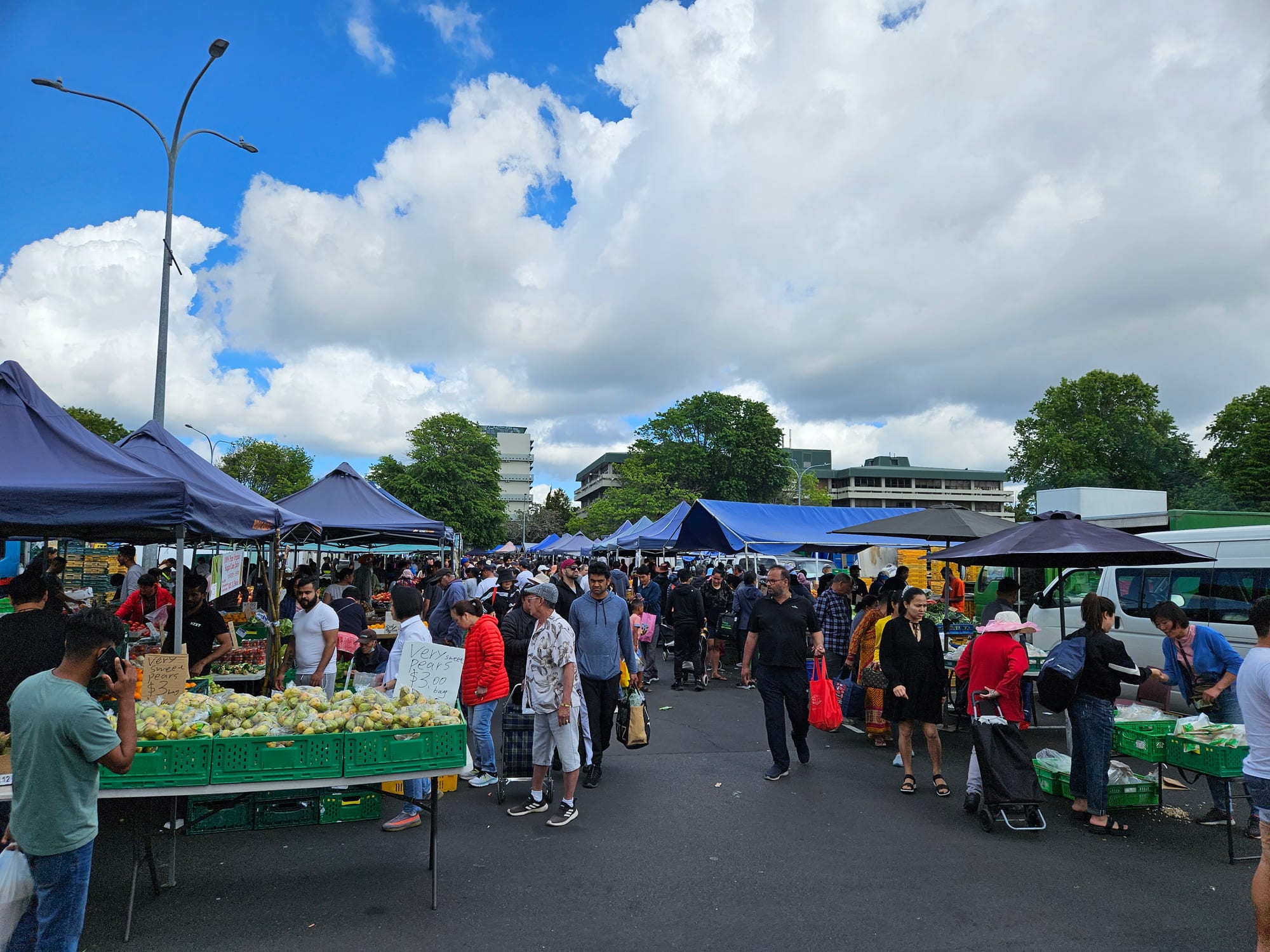
Weekend markets are a genuine public square in many towns and city suburbs, selling fresh produce, seafood and prepared food alongside crafts and secondhand goods; Ōtara Market in South Auckland, running since the late 1970s, is the largest street market in the country, alongside long-standing markets in Avondale, Nelson and elsewhere. Local parks, playing fields and swimming pools anchor neighbourhood life on weekends and after school, doubling as the home ground for the community rugby, netball and football clubs that most towns support. Public libraries remain well used as community spaces, and in smaller towns the local pub, café strip or sports club often serves the same gathering function that a market does in the cities.
Free time and weekends
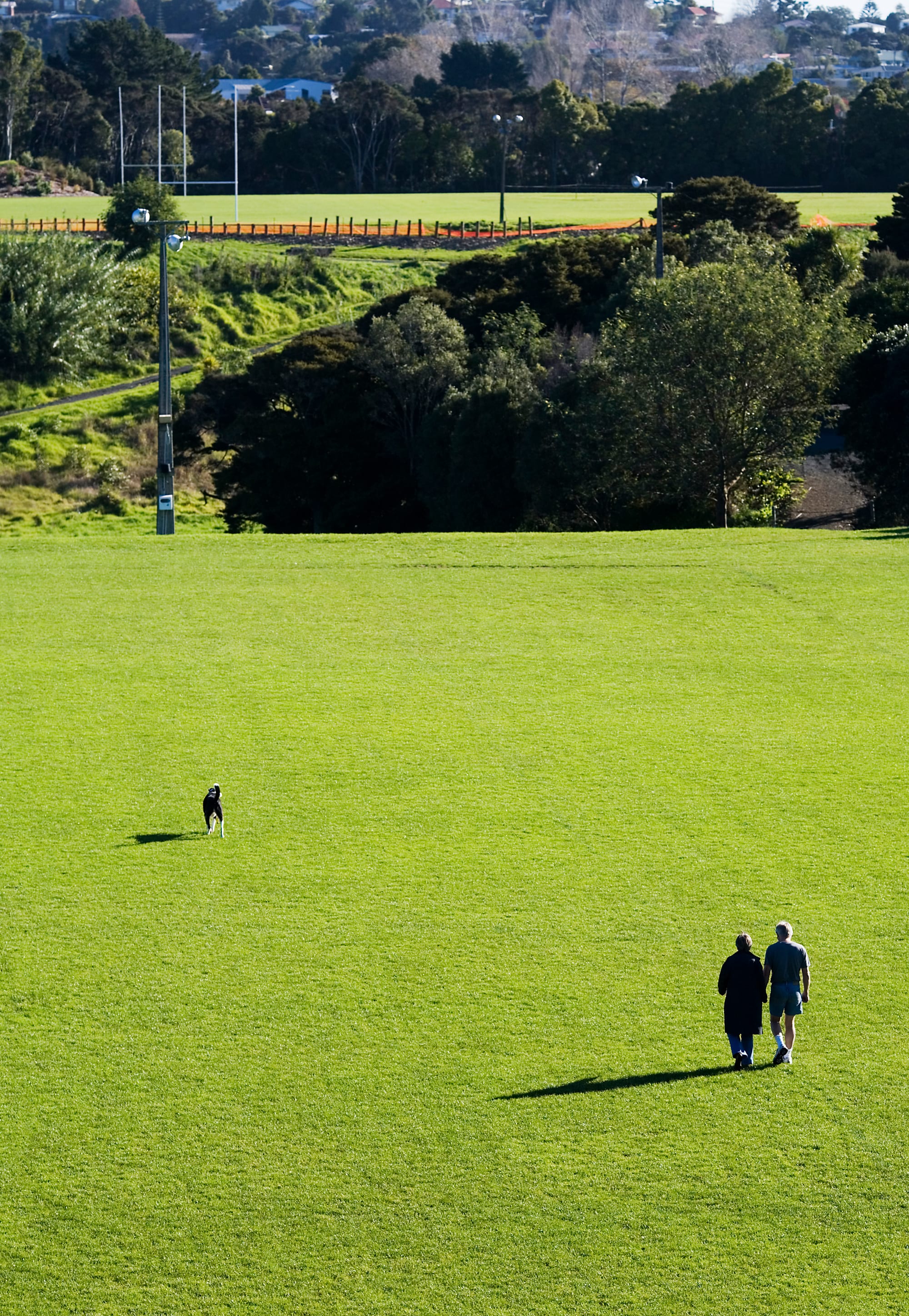
Weekends lean outdoors whenever the weather allows: a walk on the beach or a bush track, gardening, home DIY projects, and, in season, a Saturday morning spent on the sideline of a children's rugby, netball or football match, a fixture of community life across the country. Barbecues with family or neighbours are a standard warm-weather ritual, and rugby, watched at home, in a pub or at the ground, draws national attention whenever the All Blacks play. Camping, tramping and trips to a family holiday cottage, known as a bach, are treated as ordinary rather than exceptional wherever a household can afford them, and dogs are a common weekend companion on the wide public parks and reserves found in most towns.
A visitor's ordinary day
Card and contactless payment, through the local EFTPOS network, is near-universal, some businesses are cashless, and tipping is not expected. Outside Auckland, Wellington and Christchurch, public transport is limited, and most visitors self-drive, on the left, on narrower and more winding roads than the distances on a map suggest. Shops in cities keep fairly standard hours, but in small towns expect cafés and shops to close by mid-afternoon or early evening, particularly outside the main tourist season. Weather can shift within a single day regardless of season, so layers and a rain jacket are a practical, not optional, habit nationwide.
What to take away
Daily life in New Zealand still runs on the promise of space and closeness to nature that shaped the country's image of itself, but that promise now sits alongside a harder, more contested question of who can actually afford the house and garden it was always supposed to include.