Daily Life · Netherlands
Netherlands: Home by Half Past Five
A country with roughly a bicycle for every person, offices that empty out early, and more part-time work than anywhere else in the OECD
By Worldlore Editorial · 30 September 2026
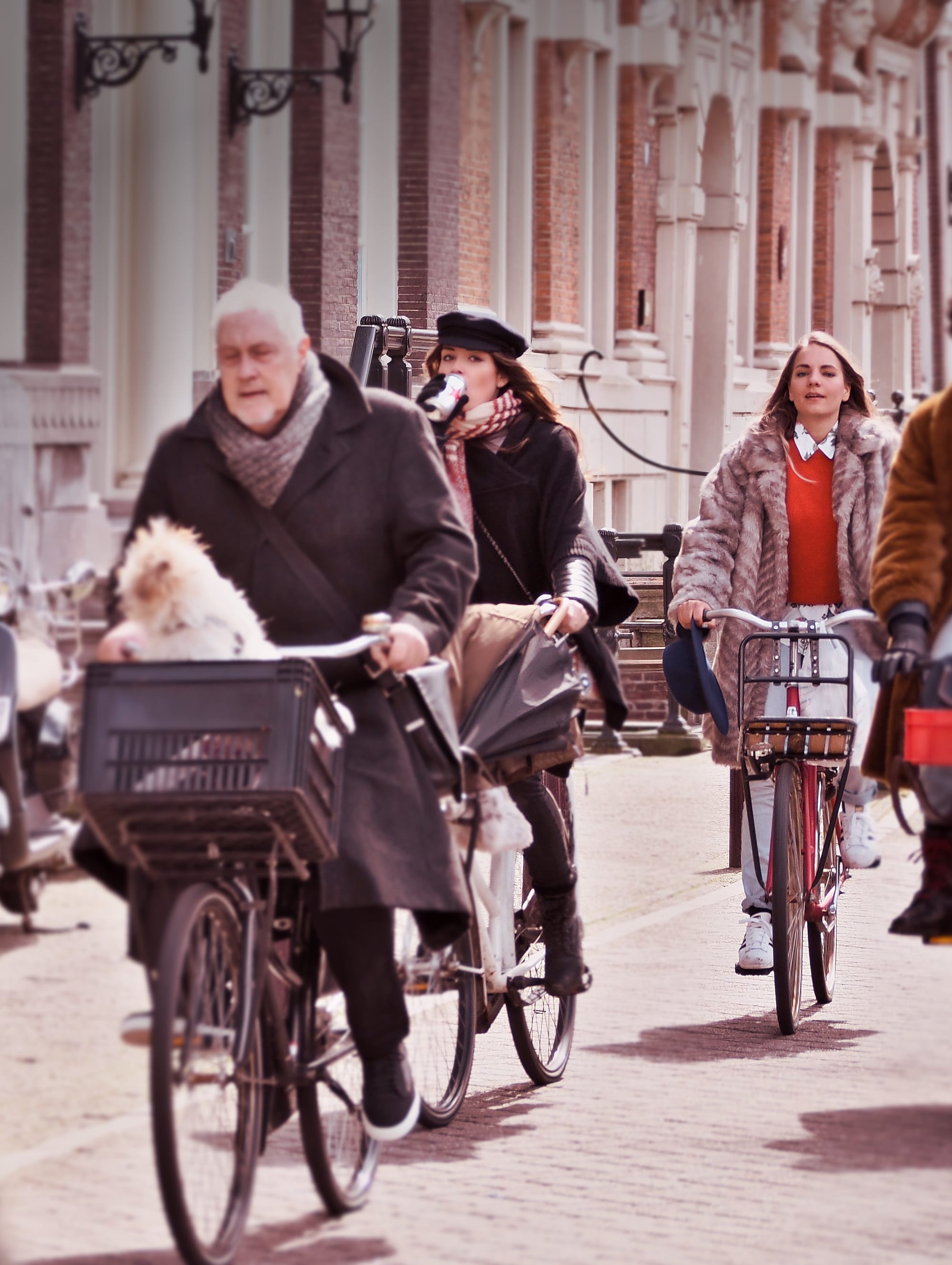
An ordinary weekday in the Netherlands tends to end earlier than it does in much of Europe. Dutch offices are known for emptying out by half past five, a habit backed up by figures: the OECD's Better Life Index has ranked the Netherlands first for work-life balance, and part-time work is more common there than in any other OECD country. Getting there and back is usually done on two wheels rather than four: by most estimates there are more bicycles in the country than people, and cycling remains simply the default way to reach work, school or the shops, in a way that has shaped how towns and cities are actually built. Against that efficient, well-organised picture sits a harder daily reality for many households: a severe shortage of housing that is now delaying when young adults move out, move in together, or start a family at all.
Family and home life
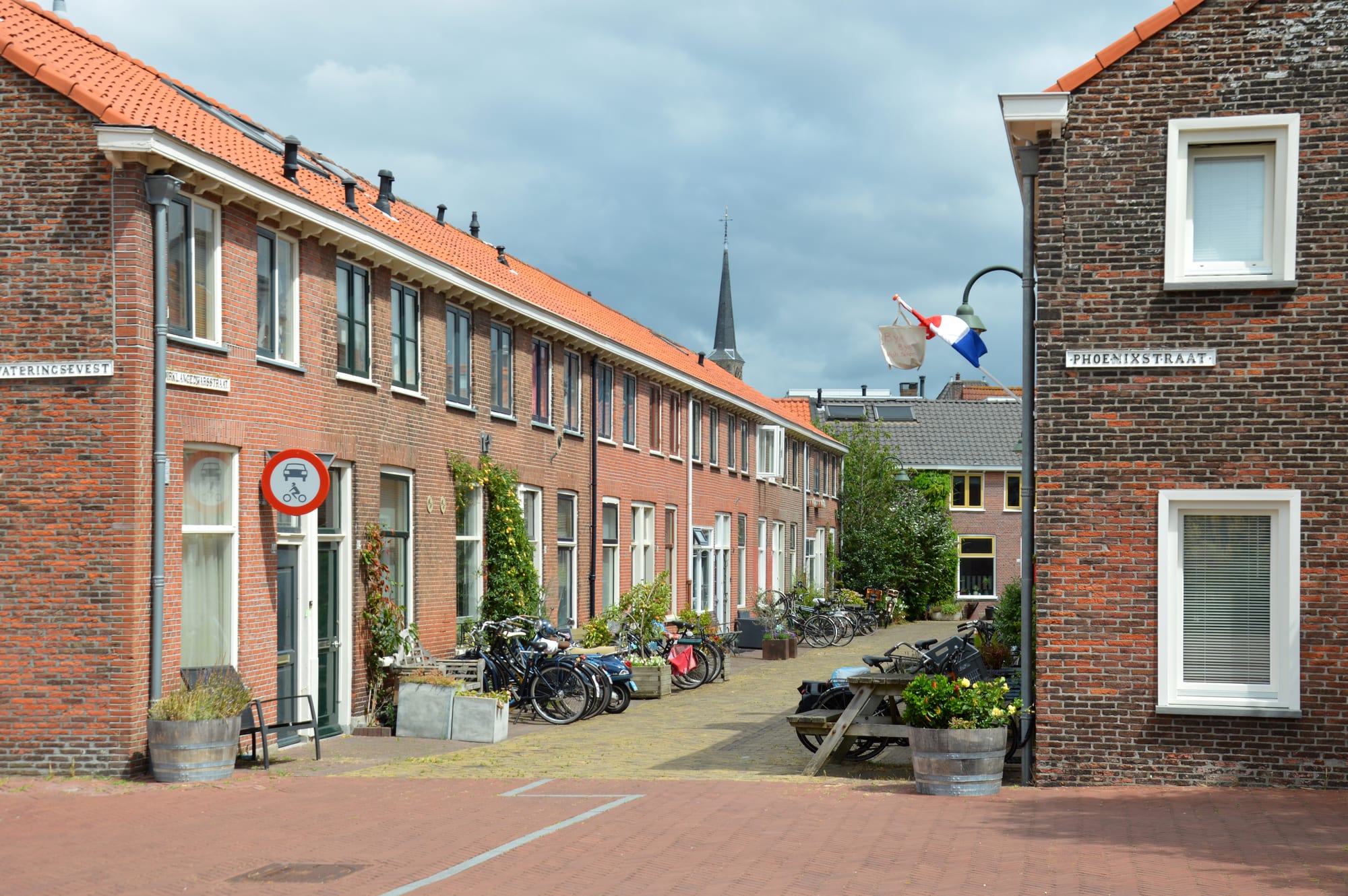
The Dutch household has grown smaller over recent decades, but a housing shortage now estimated at around 400,000 homes nationwide has begun reversing that trend in practice: more young adults are staying in their parents' homes for longer, and moving in with a partner or starting a family is increasingly delayed for reasons of cost and availability rather than choice. Housing itself ranges from historic canal houses and terraced brick rowhouses in the older cities to postwar apartment blocks and newer suburban developments, almost all of it built dense by international standards, reflecting a small, crowded country that has always had to use its land carefully. Within the home, Dutch parenting and household life lean toward a flat, direct style of communication between generations, consistent with the wider cultural preference for saying plainly what one thinks.
Work, school and the rhythm of the day
Primary school days usually run from the morning to the early or middle afternoon, with many schools keeping Wednesday afternoons short or free, while secondary pupils generally have a longer day, though schedules vary by school since each sets its own hours within national rules. The standard working week runs 36 to 40 hours, but a very large share of adults, both men and women, work fewer days than that by agreement with their employer, a right supported directly by Dutch law. Cycling is woven into this rhythm rather than separate from it: a large share of commutes under five kilometres are made by bike, in ordinary clothes and in most weather, and the bicycle is treated as a normal way to get to work rather than a leisure choice.
Community life and public spaces
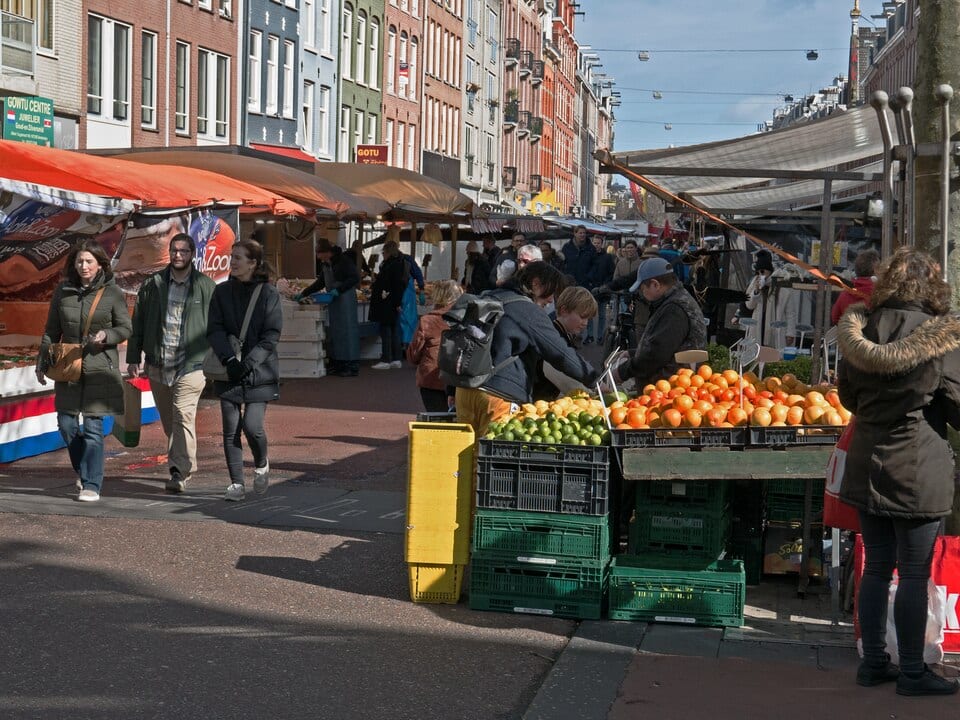
Street markets remain a genuine part of everyday shopping rather than a tourist occasion, selling fresh produce, cheese, fish and household goods several days a week in most towns and city neighbourhoods. Trains and trams carry much of the country's daily movement between cities, tapped in and out with a bank card or transit card, and station forecourts across the country are given over almost entirely to enormous banks of parked bicycles rather than cars. Brown cafés, small, dark-panelled pubs found in towns across the country, function as an everyday after-work gathering point rather than a special destination, and a short beer or coffee with colleagues at the end of the working day is a routine part of the week for many.
Free time and weekends
Weekends often mean a longer bike ride rather than a shorter one: the country's dense network of dedicated cycling paths reaches well beyond city limits into the polder countryside, and a weekend cycling trip with family or friends is a common way to spend a free afternoon. Football, speed skating when the winter allows it, and field hockey draw wide interest nationwide, and museums, long a point of civic pride, do steady weekend business in every city that has one. With so much of the working week already compressed into fewer hours or fewer days for many people, weekday evenings and Fridays off are also treated as genuine free time rather than an occasional bonus.
A visitor's ordinary day
The Netherlands is heavily cashless: many shops, cafés and even some markets accept cards or phone payment only, and a Visa or Mastercard credit card is a safer bet than cash, since payment terminals geared to local debit cards sometimes reject foreign cards. Trains run frequently and reach almost anywhere in the country within a few hours, tapped in and out with a contactless card. Hiring a bike for a day is simple and common practice for visitors as well as residents, though the flow of cyclists on dedicated lanes moves fast and expects to be read correctly, so a moment spent watching how locals merge and signal before joining in is worth it. Shops in most towns keep shorter hours on Sundays and Mondays than the rest of the week, and it is worth checking opening times before planning a day around them.
What to take away
An ordinary day in the Netherlands is organised, more than almost anywhere else, around getting life's ordinary business done efficiently so there is real time left over — on a bike, by half past five, with the rest of the evening genuinely free.