History · Nepal
Nepal: The Himalayan Kingdom That Became a Republic
The Kathmandu Valley's temple civilisation, unified by the Gorkha kings in 1768 — a century of Rana dictators, a Maoist war, a palace massacre, and the abolition of a 240-year-old monarchy in 2008
By Worldlore Editorial · 19 September 2026
Three Nepals in one country
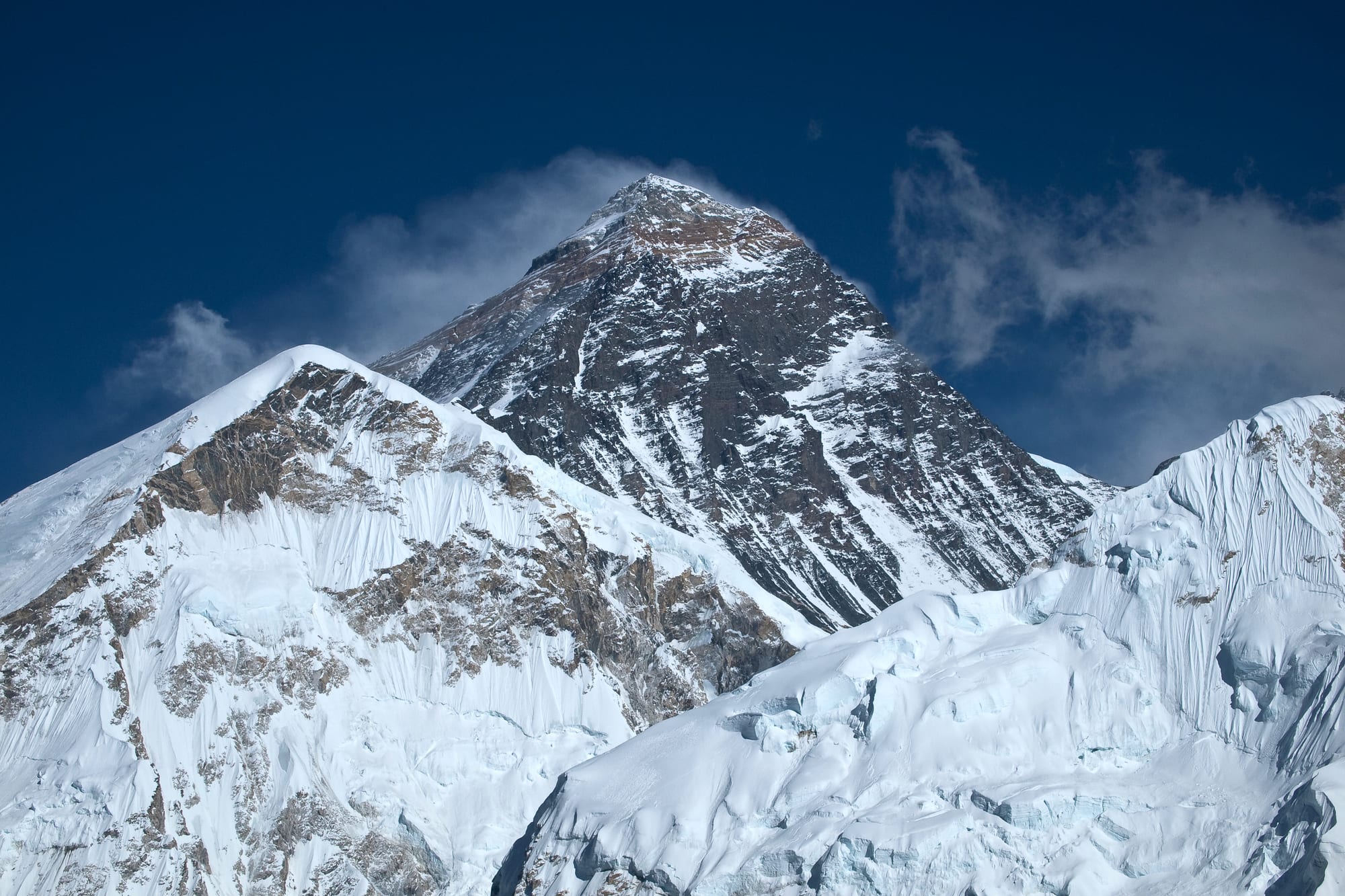
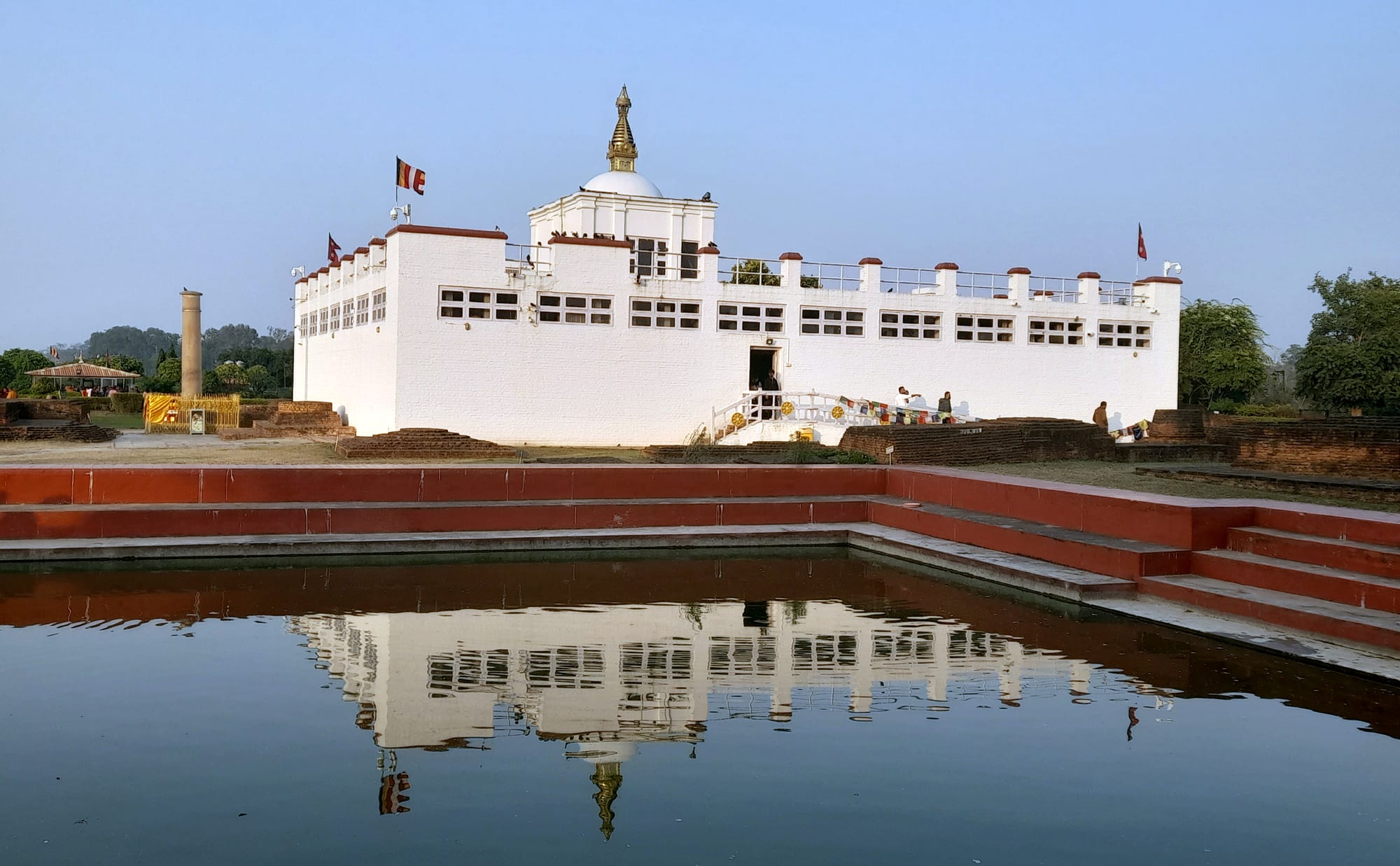
Nepal runs in bands from the plains up to the roof of the world: the flat, fertile Terai along the Indian border; the mid-mountain hills, including the Kathmandu Valley; and the high Himalaya. Its 30 million people speak more than a hundred languages and belong to dozens of ethnic groups. It is a Hindu-majority country that is also the birthplace of the Buddha, and it was, until 2008, the world's last Hindu kingdom — a monarchy 240 years old that a Maoist insurgency and a street revolution together brought down.
A short history
- c. 400–750 CE
The Licchavi
A golden age in the Kathmandu Valley.
- c. 1200–1769
The Malla period
The valley's temple civilisation; three rival city-kingdoms.
- 1768
Gorkha unification
Prithvi Narayan Shah conquers the valley and founds the Kingdom of Nepal.
- 1814–1816
Anglo-Nepalese War
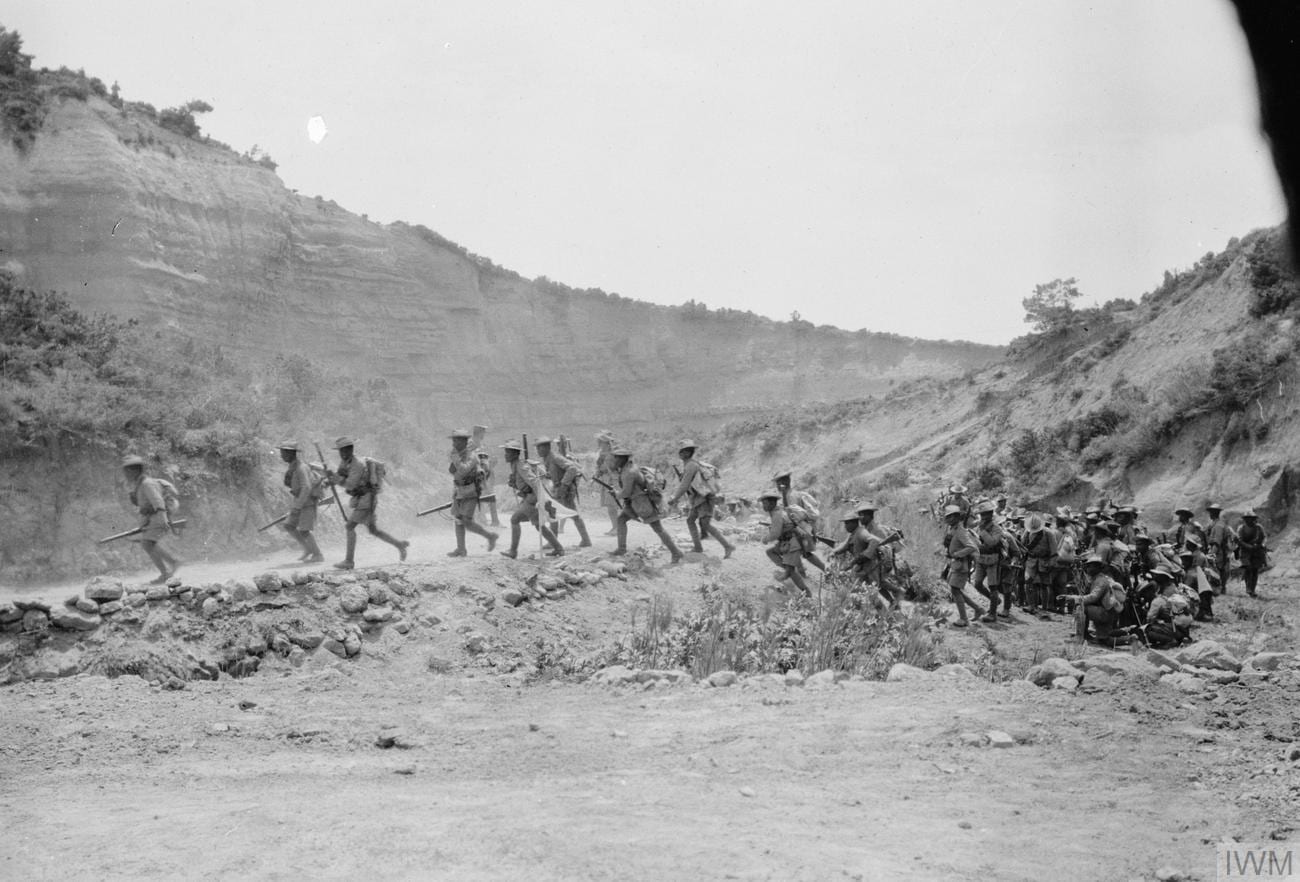
Nepal cedes a third of its territory; the Gurkha recruitment begins.
- 1846–1951
The Rana autocracy
Hereditary prime ministers rule; the kings are figureheads.
- 1951
Revolution
The Ranas are overthrown; the monarchy is restored to power.
- 1960–1990
The Panchayat
A partyless, king-centred system.
- 1996–2006
The Maoist "People's War"
Around 17,000 killed.
- 2001
The royal massacre
The crown prince kills most of the royal family.
- 2008
The republic
The monarchy is abolished.
The valley civilisation
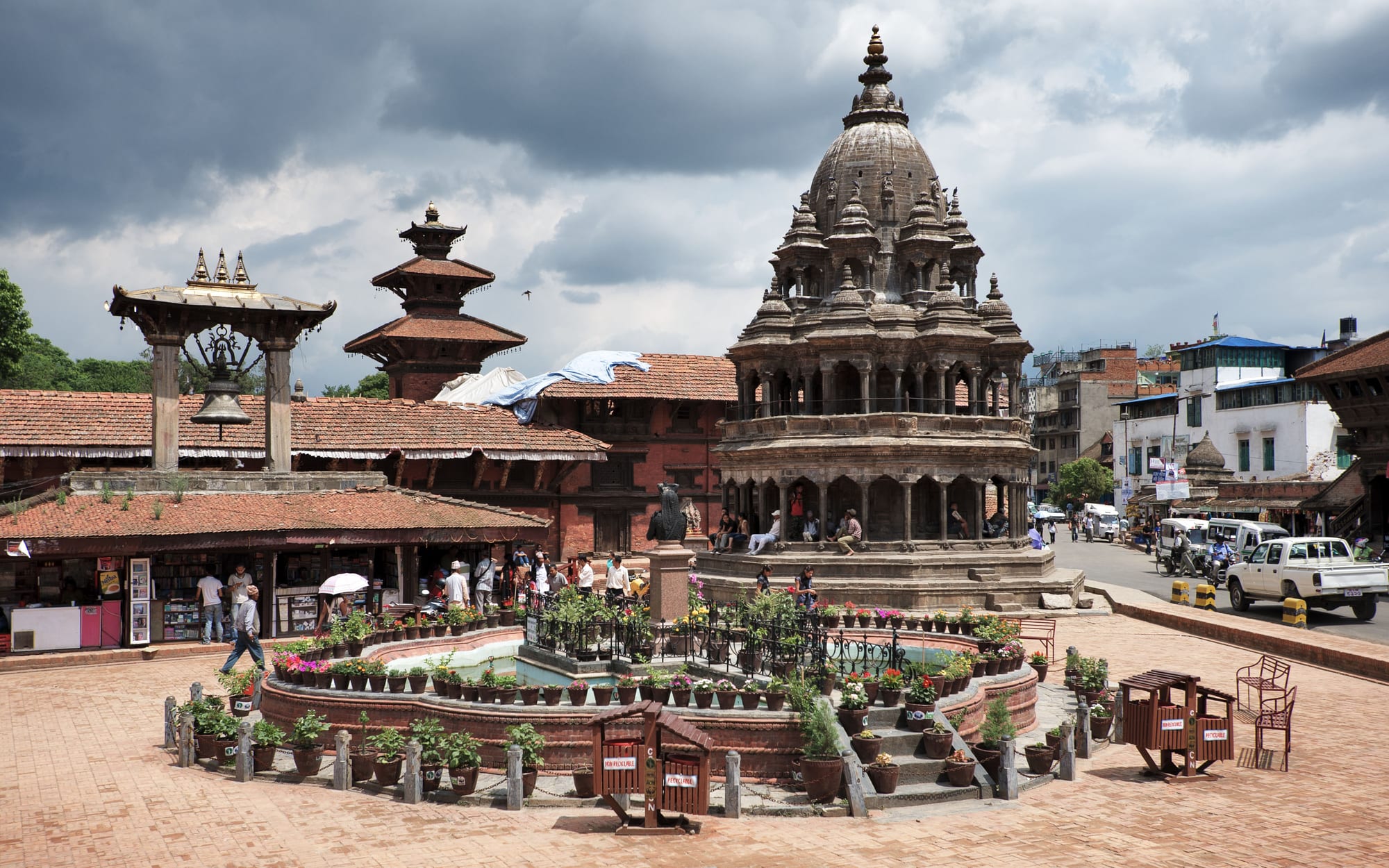
The Kathmandu Valley — once a lake, then a fertile bowl — was Nepal's historical core and a key stop on the trade route between India and Tibet. The Licchavi dynasty presided over an artistic golden age; then, in the Malla period, the valley split after 1482 into three rival city-kingdoms — Kathmandu, Patan and Bhaktapur — which competed for centuries in building temples and palaces.
Valley and plain
Unification, and the British
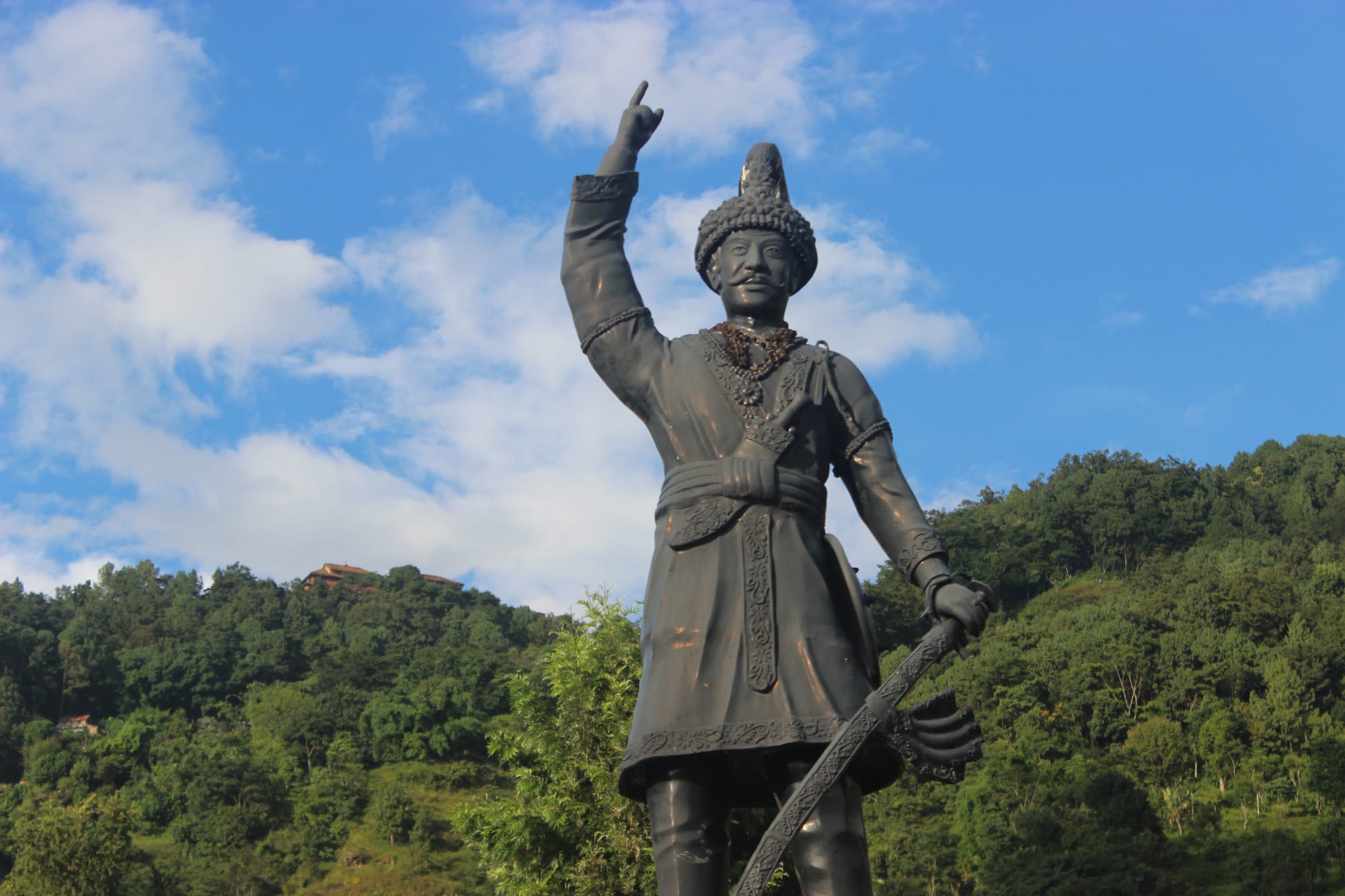
Prithvi Narayan Shah, ruler of the small hill state of Gorkha, conquered the Kathmandu Valley in 1768 and unified the surrounding territories into the Kingdom of Nepal. His successors expanded aggressively across the Himalaya until they collided with the British East India Company. The Anglo-Nepalese War of 1814–16 cost Nepal about a third of its territory and brought a British Resident to Kathmandu — and produced the lasting arrangement by which Britain recruits Nepalis into its army.
The kingdom and the Gurkhas
The Ranas, and the long road to democracy
In 1846, after a court massacre, Jung Bahadur Rana made himself hereditary prime minister, and the Rana family ruled as absolute dictators for over a century, keeping the Shah kings as prisoners in their palaces and Nepal deliberately isolated and undeveloped. A 1951 uprising, backed by newly independent India, overthrew the Ranas and restored the monarchy — but a promised democracy was cut short in 1960, when King Mahendra banned political parties and imposed the partyless "Panchayat" system, which lasted 30 years.
A pro-democracy movement in 1990 forced a constitutional monarchy with multiparty politics. The 1990s brought weak coalitions, corruption, and deepening rural poverty and caste exclusion.
The war, the massacre, and the republic
In 1996 the Communist Party of Nepal (Maoist), led by "Prachanda", launched a "People's War" that spread across the countryside and killed around 17,000 people over a decade.
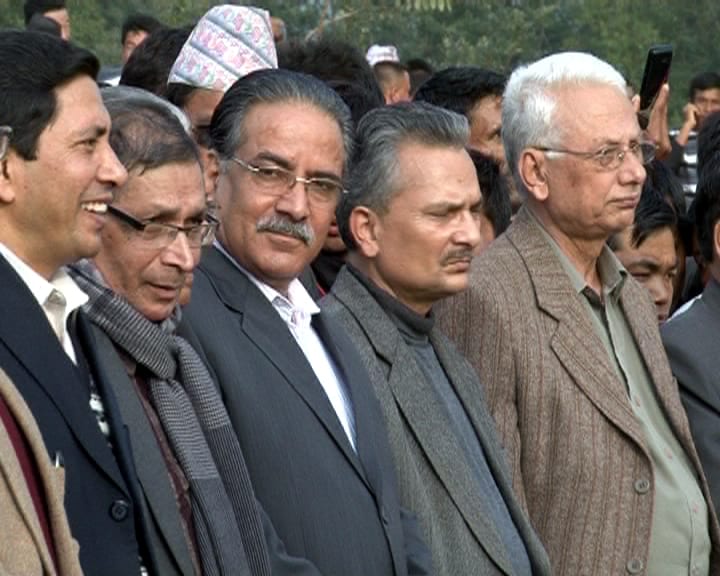
On 1 June 2001, Crown Prince Dipendra shot dead King Birendra and most of the royal family at a palace dinner before killing himself. Birendra's unpopular brother Gyanendra became king, and in 2005 seized absolute power to crush the Maoists. It backfired: the parties and the Maoists allied, a mass movement in April 2006 forced Gyanendra to yield, and a peace accord that November ended the war. A constituent assembly abolished the 240-year-old monarchy on 28 May 2008, and Nepal became a federal democratic republic.
Nepal now
A long, fractious constitution-writing process finally produced the 2015 constitution — promulgated just weeks after a major earthquake that killed around 9,000 people, and amid violent protests in the Terai by Madhesi groups who felt excluded, followed by a crippling border blockade.
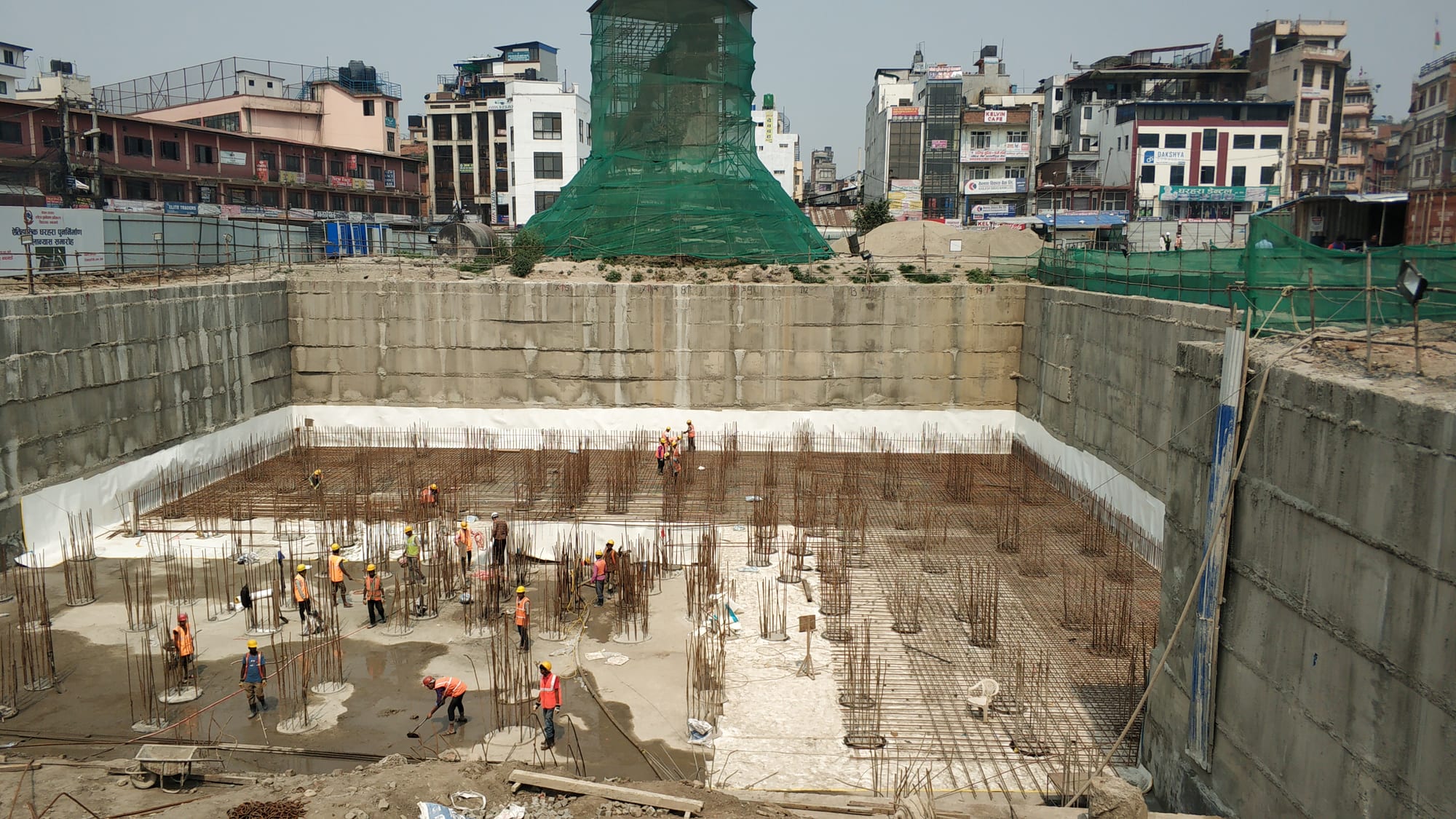
Politics since has been chronically unstable, with a small set of leaders cycling through the premiership, and Nepal balancing between India — its traditional partner, sharing an open border — and China. In 2025 a youth-led uprising against corruption and a social-media ban toppled the government and installed an interim administration.
What Nepal carries
Nepal was never colonised, but it spent the century of the Ranas sealed off and kept backward, and it entered democracy late and unevenly. The Maoist war forced open the questions the monarchy and the old parties had avoided — caste, ethnicity, the exclusion of the Terai and the hill minorities, federalism — and the republic since 2008 has been the long, unfinished argument about how to answer them.