Food · Nepal
Nepal: Food and the National Dish
Lentils and rice eaten twice a day by most of the country, at a genuine historic crossroads between India and Tibet
By Worldlore Editorial · 16 September 2026
A cuisine caught between two great food cultures
Nepal sits geographically and culturally between India and Tibet, and its food reflects both: curry and spice traditions echoing northern Indian cooking in the lowlands, and hearty, dumpling- and noodle-based dishes reflecting Tibetan influence at higher altitudes. That range, across one of the most dramatic changes in elevation found in any single country, gives Nepal a genuinely varied food culture for its size.
The national dish: dal bhat
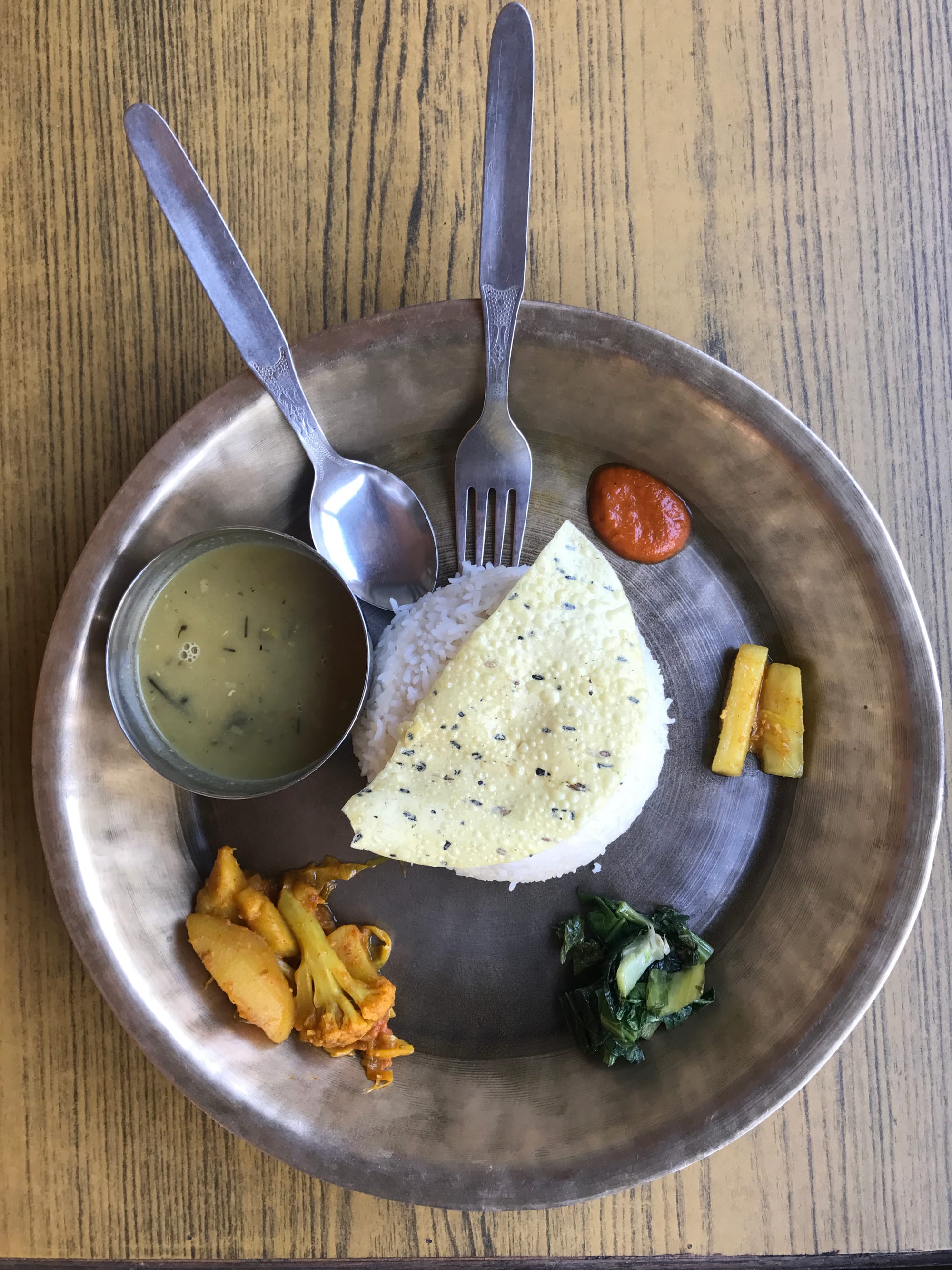
Dal bhat, steamed rice served with a lentil soup called dal and a vegetable curry known as tarkari, is Nepal's national dish and the meal most Nepalis eat, often twice a day, across nearly every region and ethnic group. Simple, filling and endlessly repeatable, dal bhat is genuine everyday food rather than a special dish, and trekkers in Nepal's mountains often adopt "dal bhat power, 24 hour" as a half-joking motto for the meal's reliability as fuel.
Rice, lentils and a genuinely varied pantry
Rice and lentils anchor most Nepali meals in the lower and middle regions of the country, while at higher altitudes, where rice farming becomes difficult, dishes shift toward buckwheat, potatoes and Tibetan- style dumplings and noodles. Achar, a spiced pickle or relish, appears alongside dal bhat almost universally, adding sharpness and heat to an otherwise mild meal.
History behind the range
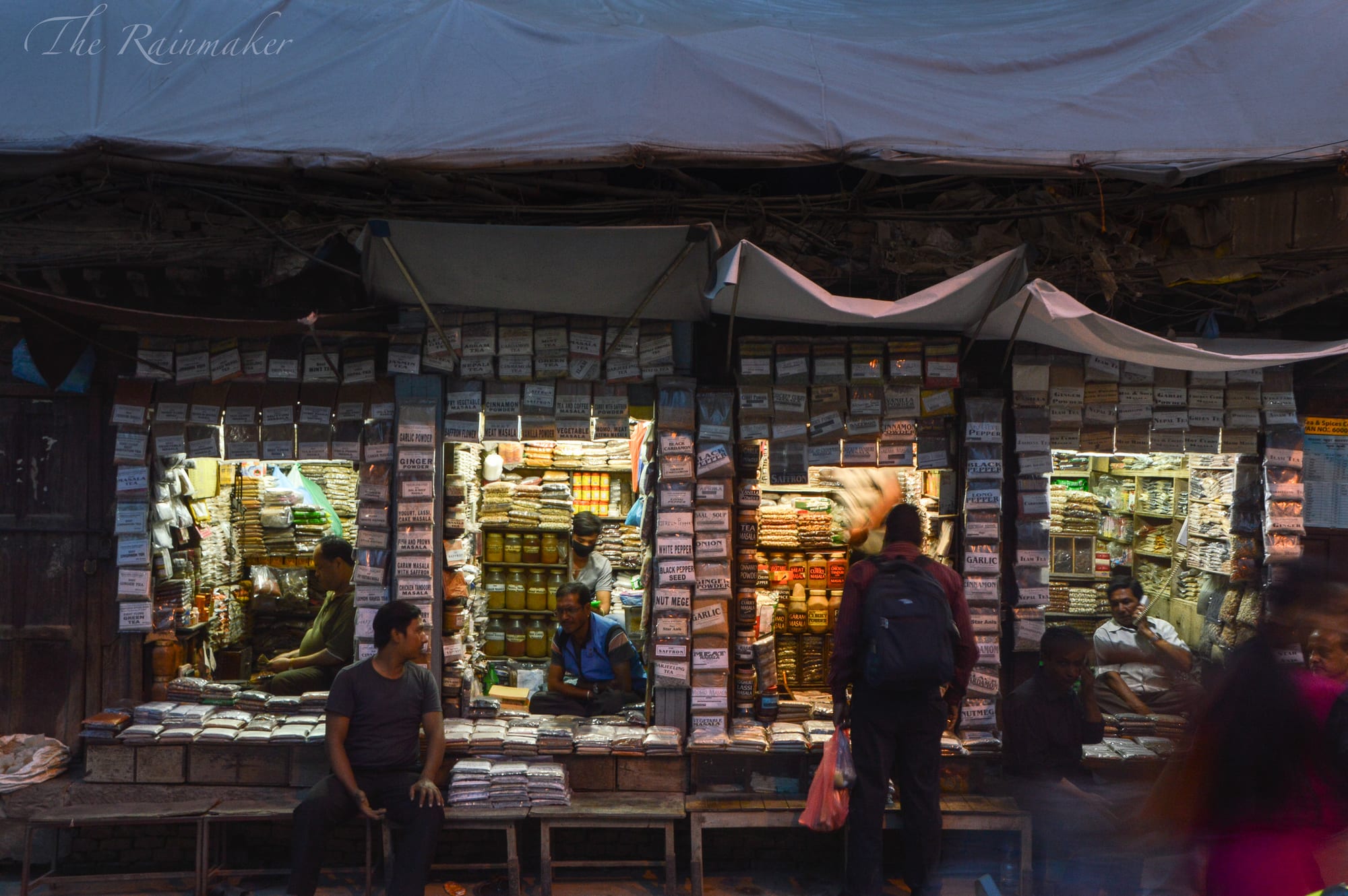
Nepal's food reflects its position along historic trade routes connecting India and Tibet, visible directly in markets like Kathmandu's Asan Bazaar, which straddles one of those legendary routes and has served as a trading hub for centuries. The country's extreme range in elevation, from lowland plains to the highest mountains on Earth, has also shaped genuinely distinct regional cuisines within Nepal's own borders.
Dishes to know
Five more to recognise across Nepal:
- Momo — steamed or fried dumplings filled with meat or vegetables,
reflecting Tibetan influence and hugely popular nationwide.
- Sel roti — a ring-shaped, slightly sweet rice flour bread, especially
made for festivals.
- Gundruk — fermented leafy greens, a distinctive Nepali preserved
vegetable dish.
- Newari cuisine — a distinct culinary tradition from the Kathmandu
Valley's Newar community, including dishes like choila (spiced grilled meat).
- Thukpa — a Tibetan-influenced noodle soup, especially popular in
Nepal's higher, colder regions.
Drinks
Chiya, milk tea spiced with cardamom and other spices, is a genuine daily ritual across Nepal. Raksi, a traditional distilled spirit, and tongba, a hot, fermented millet drink associated with Nepal's hill regions, round out the country's distinctive drinking traditions.
Eating as a traveller
Vegetarians eat very well in Nepal, since dal bhat itself is naturally vegetarian and widely available in a meat-free form. Tap water is not safe to drink; stick to bottled or boiled water. Ordering dal bhat at a local restaurant, where refills of rice, dal and vegetables are often included, is both the most authentic and most economical way to eat well in Nepal.
What to take from the table
Dal bhat, eaten daily by most of the country, is the meal that most directly explains Nepali food — plain, reliable, and built to carry people through some of the most demanding terrain on Earth.