Attractions & Natural Wonders · Nepal
Nepal: Eight Attractions and Natural Wonders
The highest mountain on earth, medieval temple squares in the capital, one of Buddhism's holiest stupas, and a jungle where you can still track rhinos on elephant-back
By Worldlore Editorial · 9 September 2026
Between the Himalaya and the plains
Nepal is a small, landlocked country wedged between India and China's Tibet, but its geography spans an enormous range — from tropical lowland jungle near sea level to eight of the world's fourteen 8,000-metre peaks, including Everest, the highest of all. It has about 30 million people, a deep Hindu and Buddhist religious heritage often practised side by side, and a trekking and mountaineering industry that has drawn visitors for over half a century.
The eight below run from the high Himalaya through the Kathmandu Valley to the southern lowlands. The main trekking and travel season is roughly September to November and March to May; winter brings snow to the high passes, and the summer monsoon (June to August) makes trails muddy and views hazy.
1. Everest Base Camp and the Khumbu
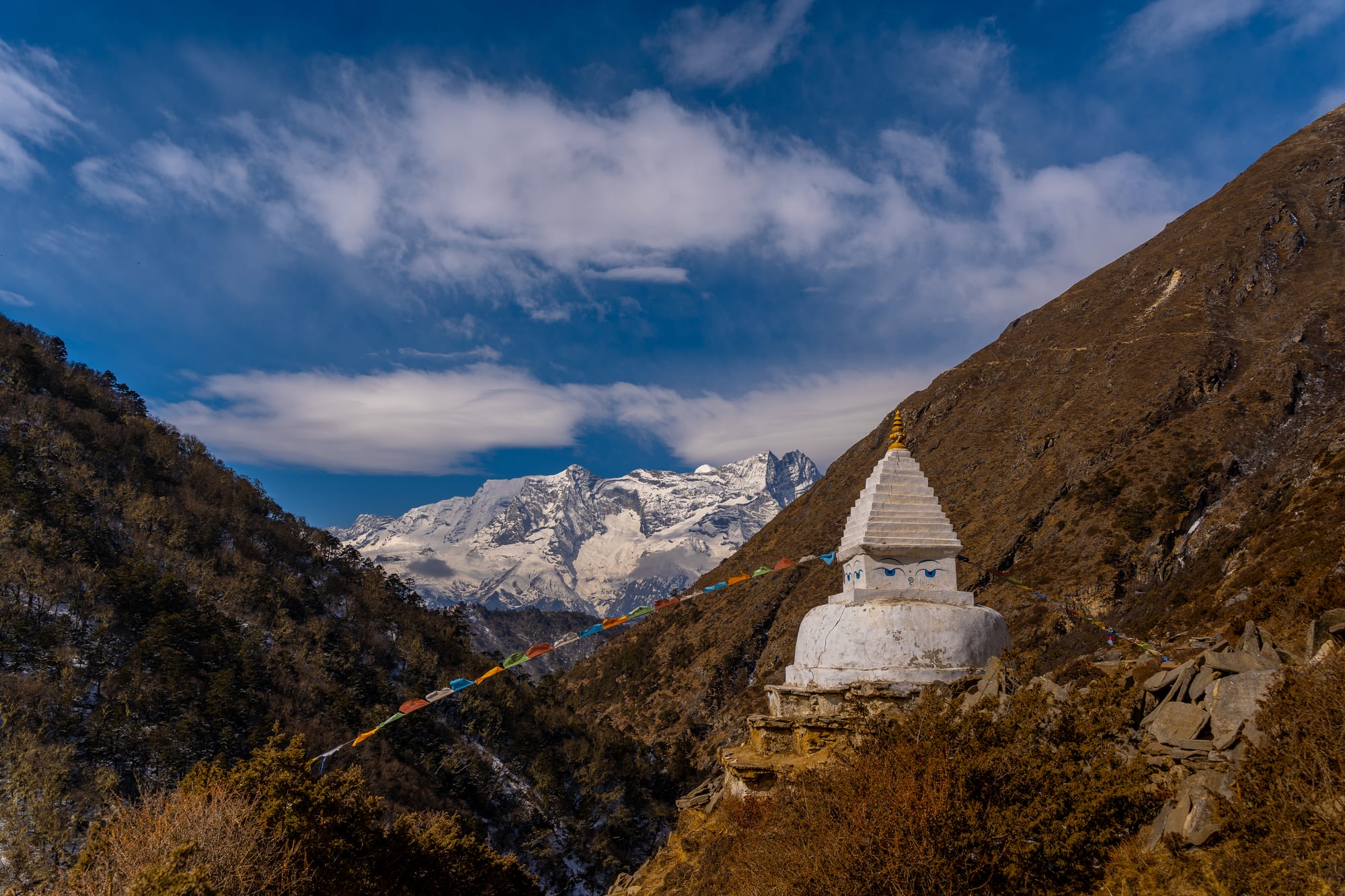
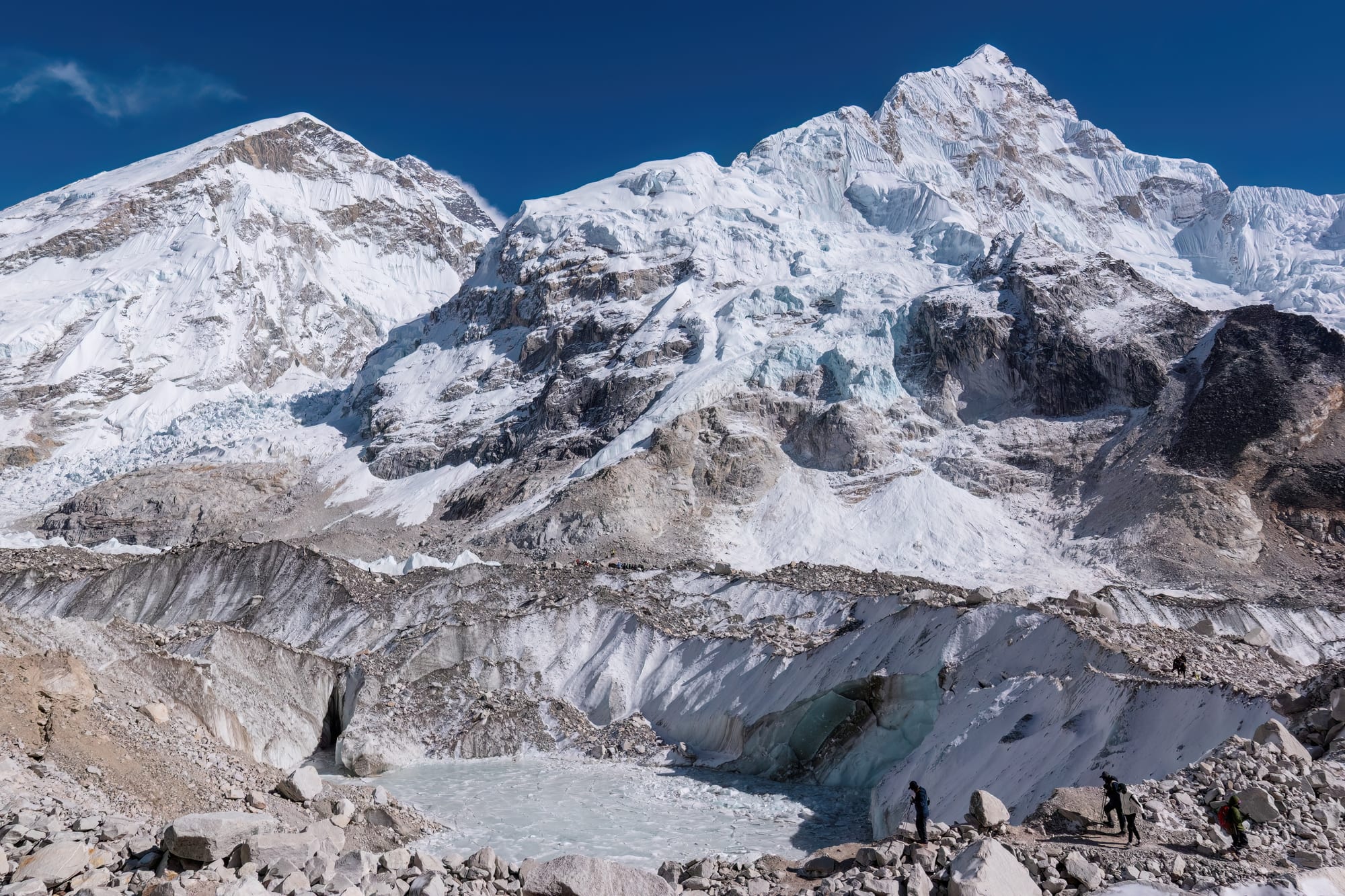
The trek to Everest Base Camp, usually 12 to 14 days round trip from Lukla, is one of the most famous treks in the world — not a technical climb, but a demanding high-altitude walk through Sherpa villages, monasteries, and increasingly dramatic mountain views, culminating at the rocky base camp itself (5,364 m) below the Khumbu Icefall. The Sagarmatha National Park it passes through is a UNESCO World Heritage Site.
Altitude sickness is a real risk; a properly paced itinerary with rest days is essential.
2. Kathmandu Durbar Square
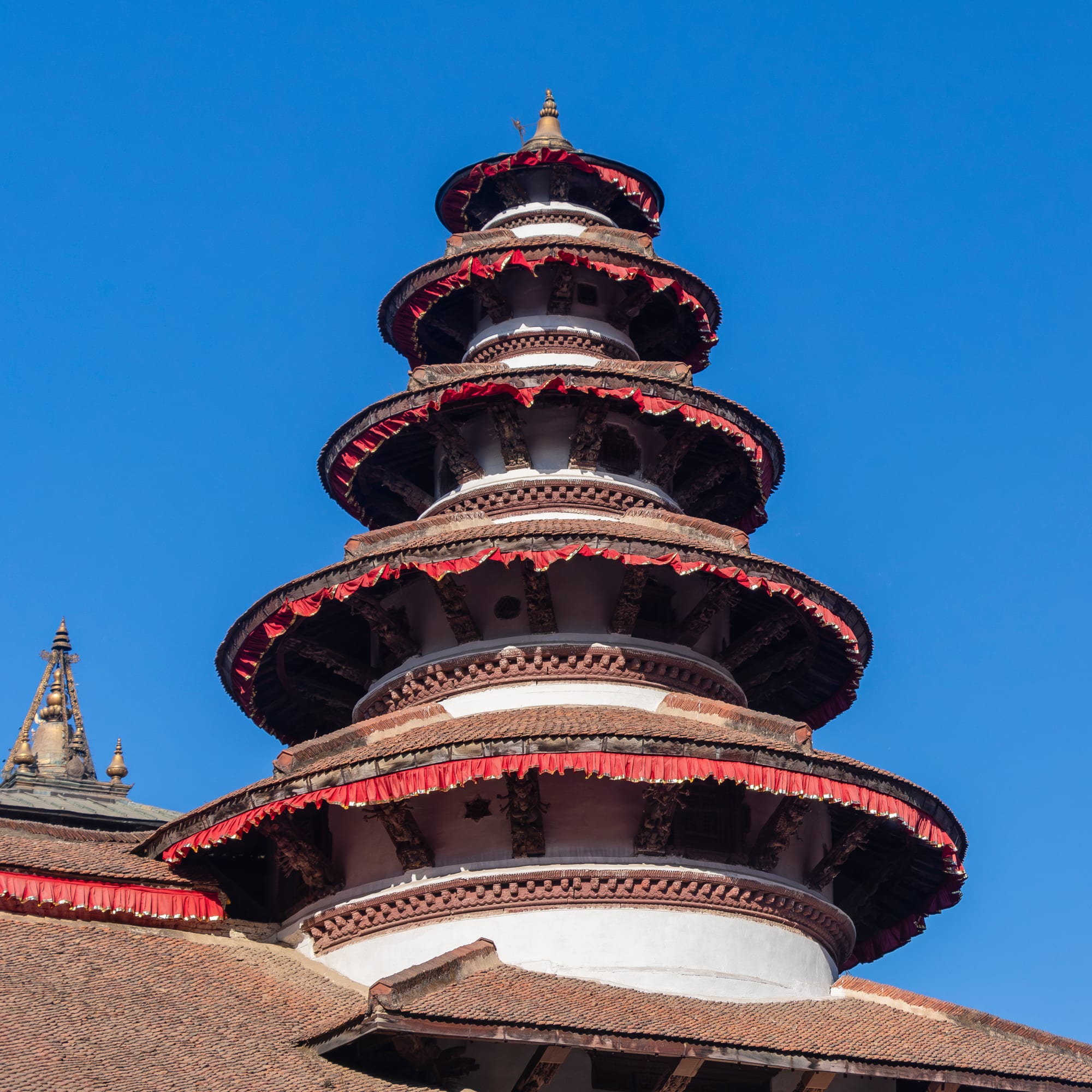
Durbar Square, the old royal palace complex at the heart of Kathmandu, is a dense cluster of temples, courtyards, and the former Malla and Shah palaces, including the residence of the Kumari, a living child goddess still honoured in Nepali tradition. Along with the neighbouring Durbar Squares of Patan and Bhaktapur, it forms part of the Kathmandu Valley UNESCO World Heritage Site, much of it rebuilt after severe damage in the 2015 earthquake.
The valley's three old royal cities can each fill the better part of a day.
3. Boudhanath Stupa
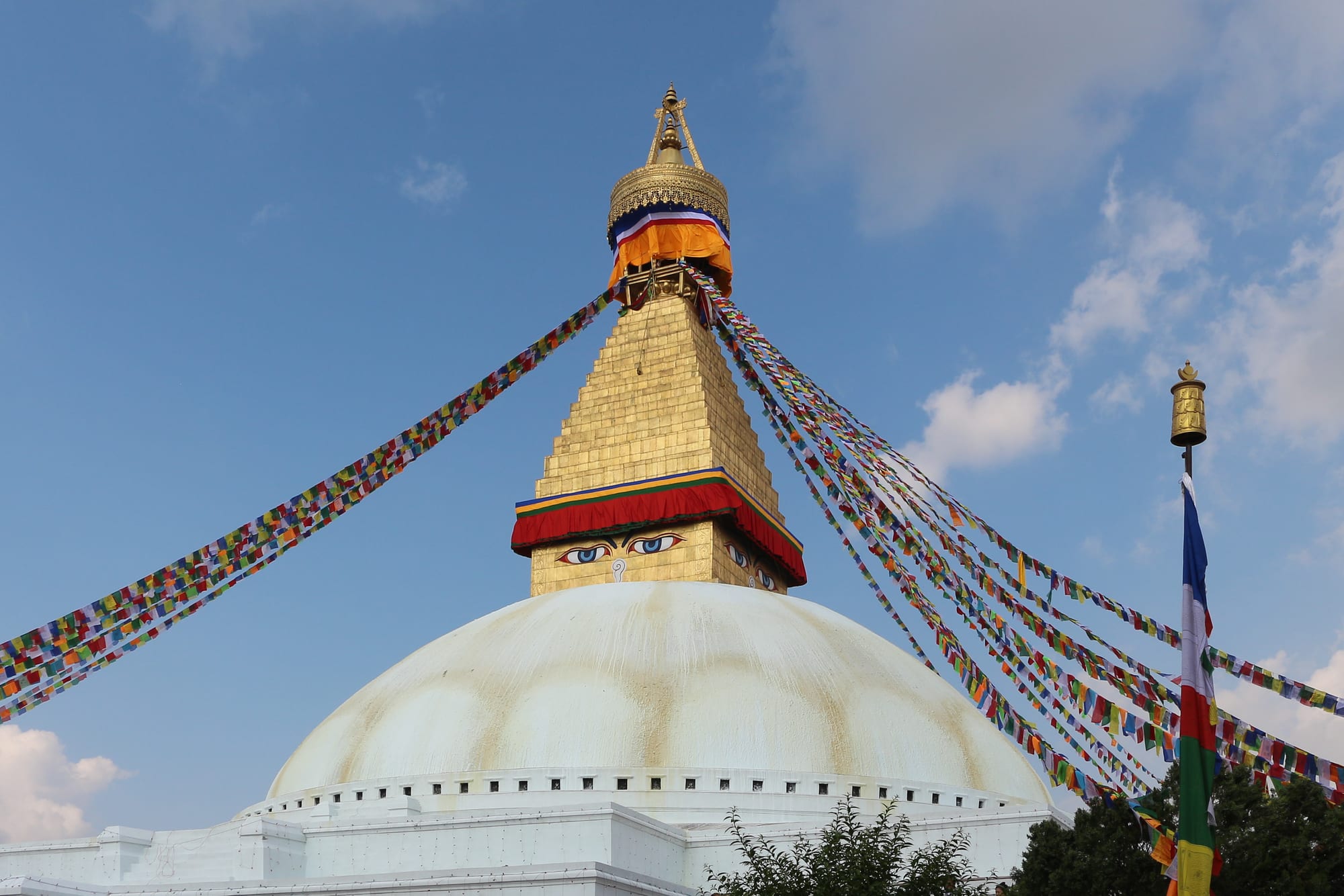
Boudhanath, one of the largest stupas in the world, has become the centre of Kathmandu's substantial Tibetan exile community since 1959, ringed by monasteries, monks, and prayer-flag-strung rooftop cafés. Its all-seeing painted eyes gaze out over the city, and the circular plaza around its base fills daily with pilgrims walking clockwise, spinning prayer wheels.
Evening, when butter lamps are lit and the crowds are thickest, is a particularly atmospheric time to visit.
4. Swayambhunath
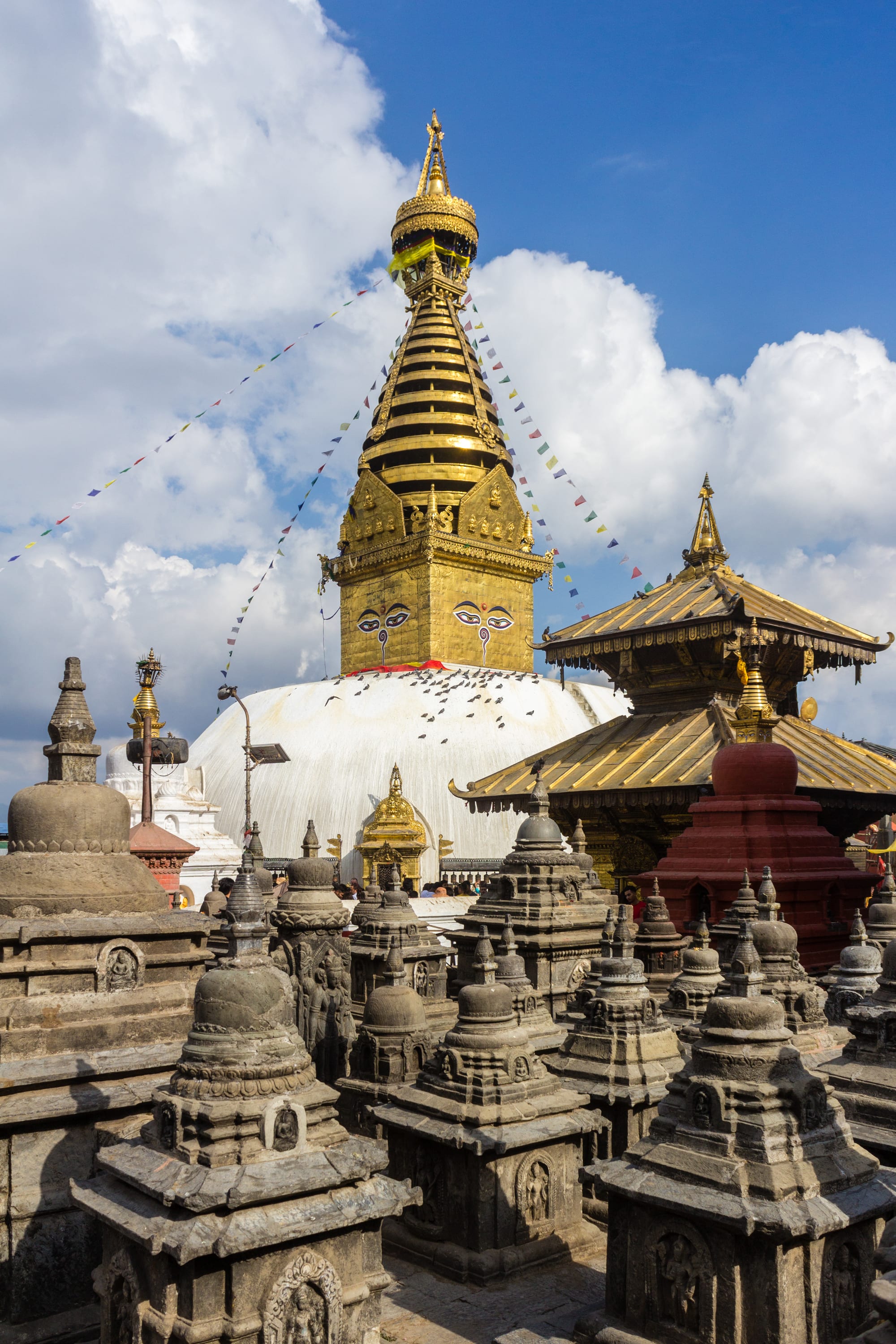
Swayambhunath, one of the oldest religious sites in the Kathmandu Valley, sits on a hilltop reached by 365 steps (or a side road), giving sweeping views over the city. Known popularly as the "Monkey Temple" for its resident macaques, it is sacred to both Buddhists and Hindus, its golden spire and painted eyes visible from much of Kathmandu.
Sunset from the hilltop, looking out over the whole valley, is a favourite time to visit.
5. Pokhara
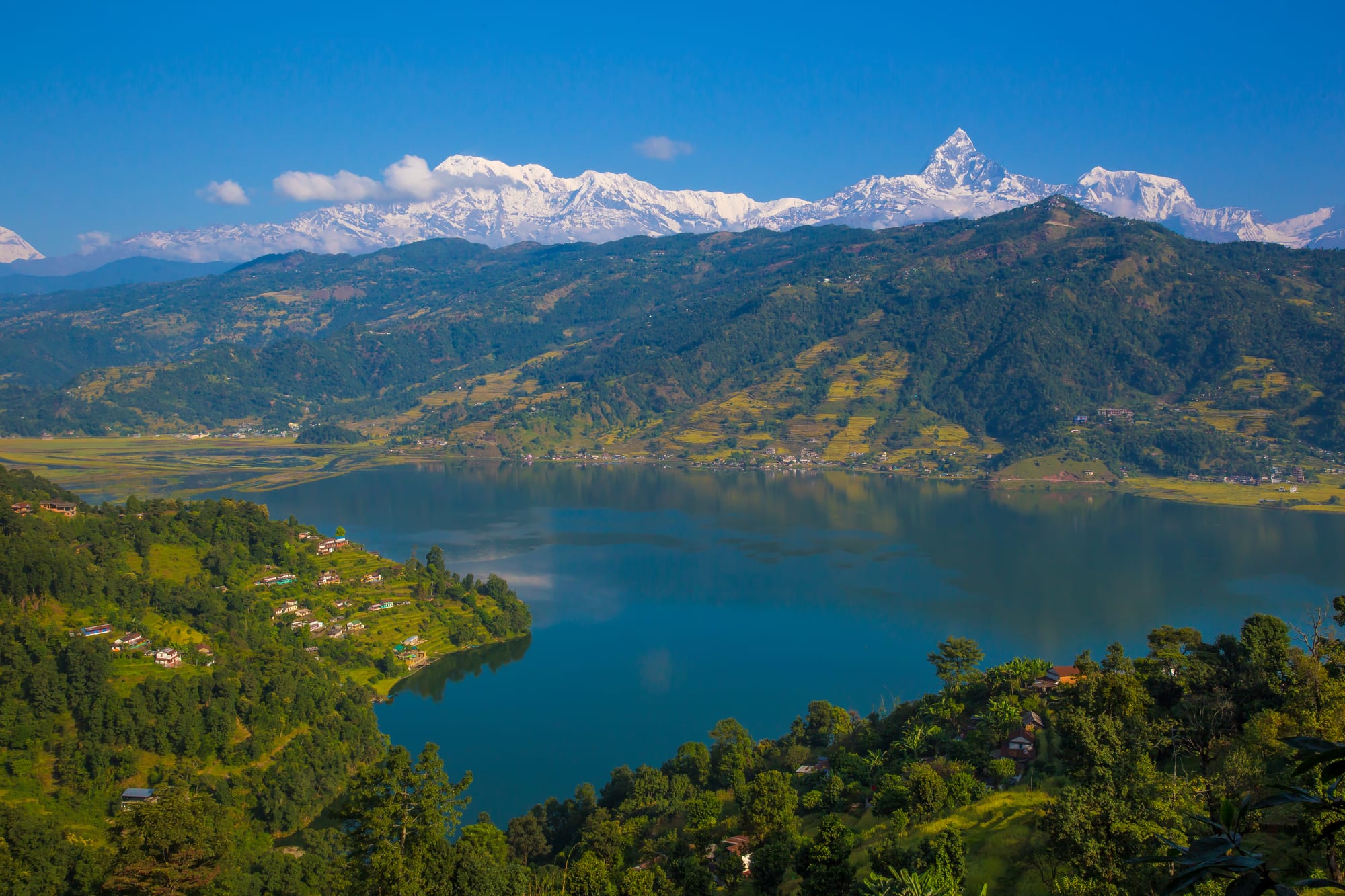
Pokhara, Nepal's second city, sits on the shore of Phewa Lake with a jaw-dropping backdrop — the fishtail peak of Machapuchare and the Annapurna range rising almost straight from the valley floor. It is a far more relaxed, lakeside base than Kathmandu, and the launch point for most Annapurna-region trekking, as well as paragliding, boating, and the Sarangkot sunrise viewpoint.
Its more laid-back pace makes it a popular place to rest before or after a trek.
6. The Annapurna Circuit
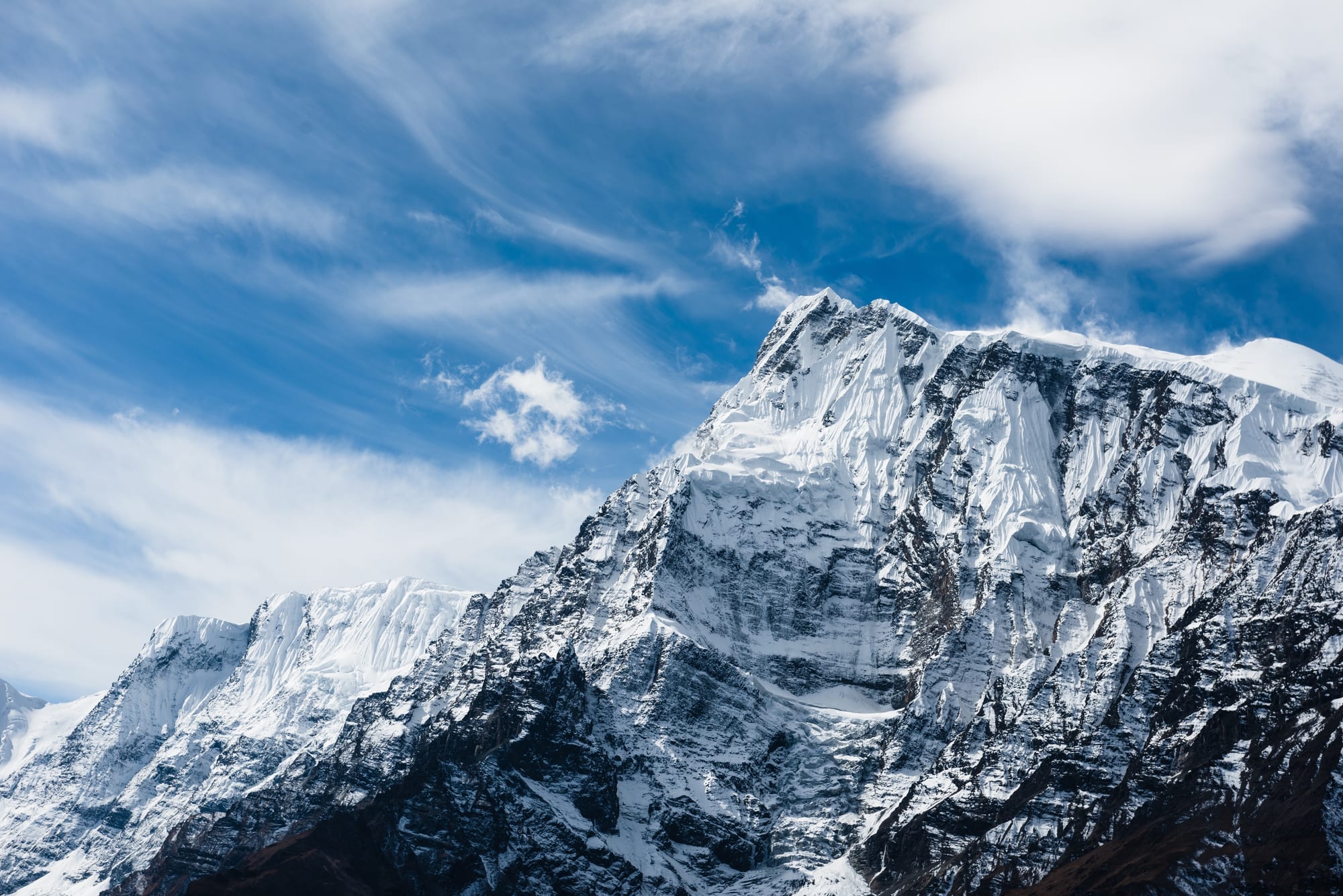
The Annapurna Circuit, historically one of the world's great long-distance treks, loops around the Annapurna massif through an unusual range of landscapes — subtropical valleys, pine forest, and the high, dry, Tibetan- influenced Manang and Mustang districts — crossing the 5,416-metre Thorong La pass. Shorter alternatives like the Annapurna Base Camp and Poon Hill treks give a taste of the same scenery in a few days rather than two to three weeks.
Teahouse lodges along the route mean trekkers can travel without carrying full camping gear.
7. Chitwan National Park
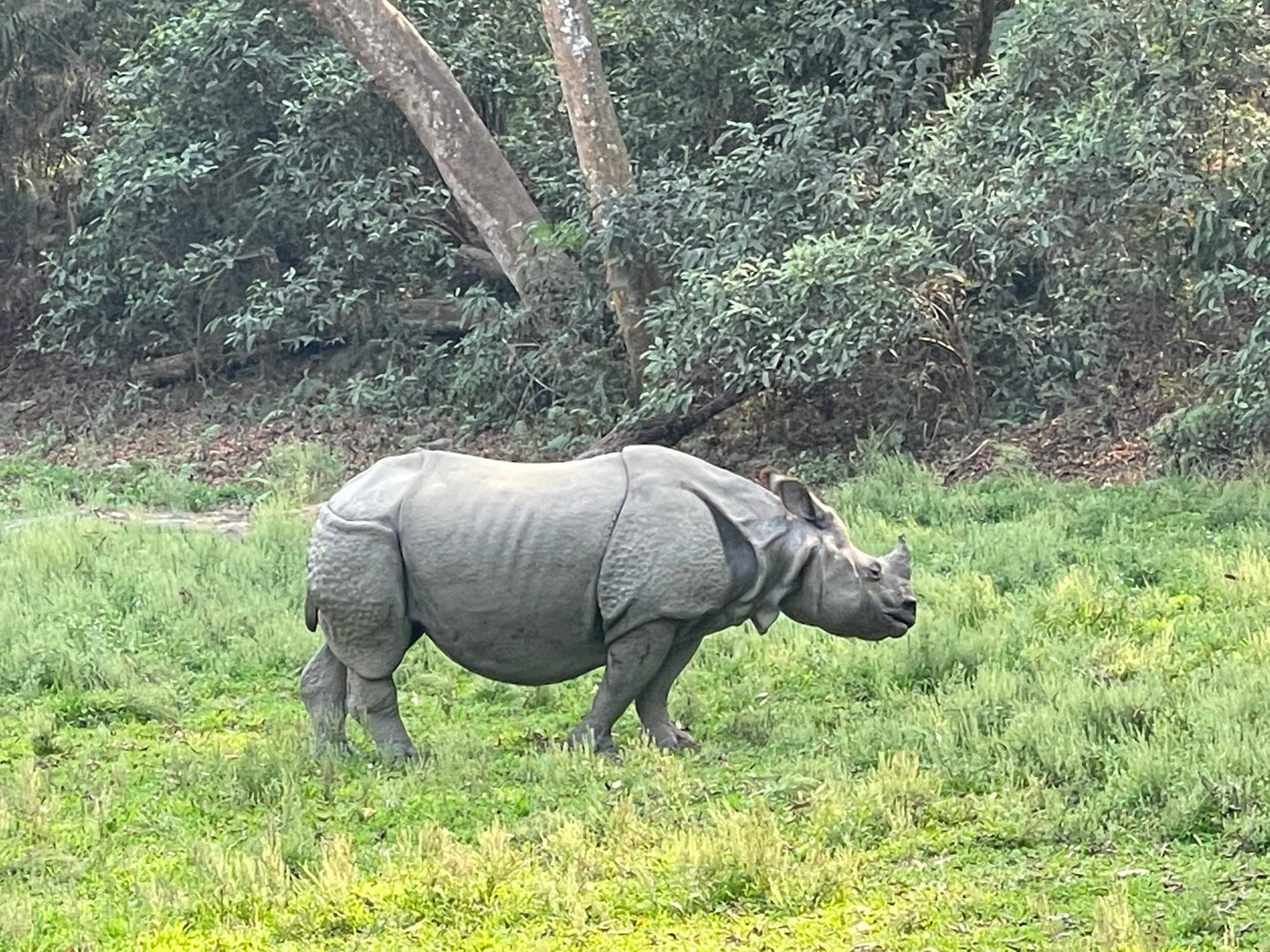
Chitwan, in the subtropical Terai lowlands near the Indian border, is a UNESCO World Heritage Site of dense sal forest and grassland — one of the best places in Asia to see the greater one-horned rhinoceros, alongside wild elephants, gharial and mugger crocodiles, and, with real luck, the elusive Bengal tiger, whose numbers here have grown significantly under a strong conservation programme. Jeep safaris, canoe trips, and guided walks with Tharu community guides are the way to explore.
It offers a striking contrast to the mountain half of most Nepal itineraries.
8. Lumbini
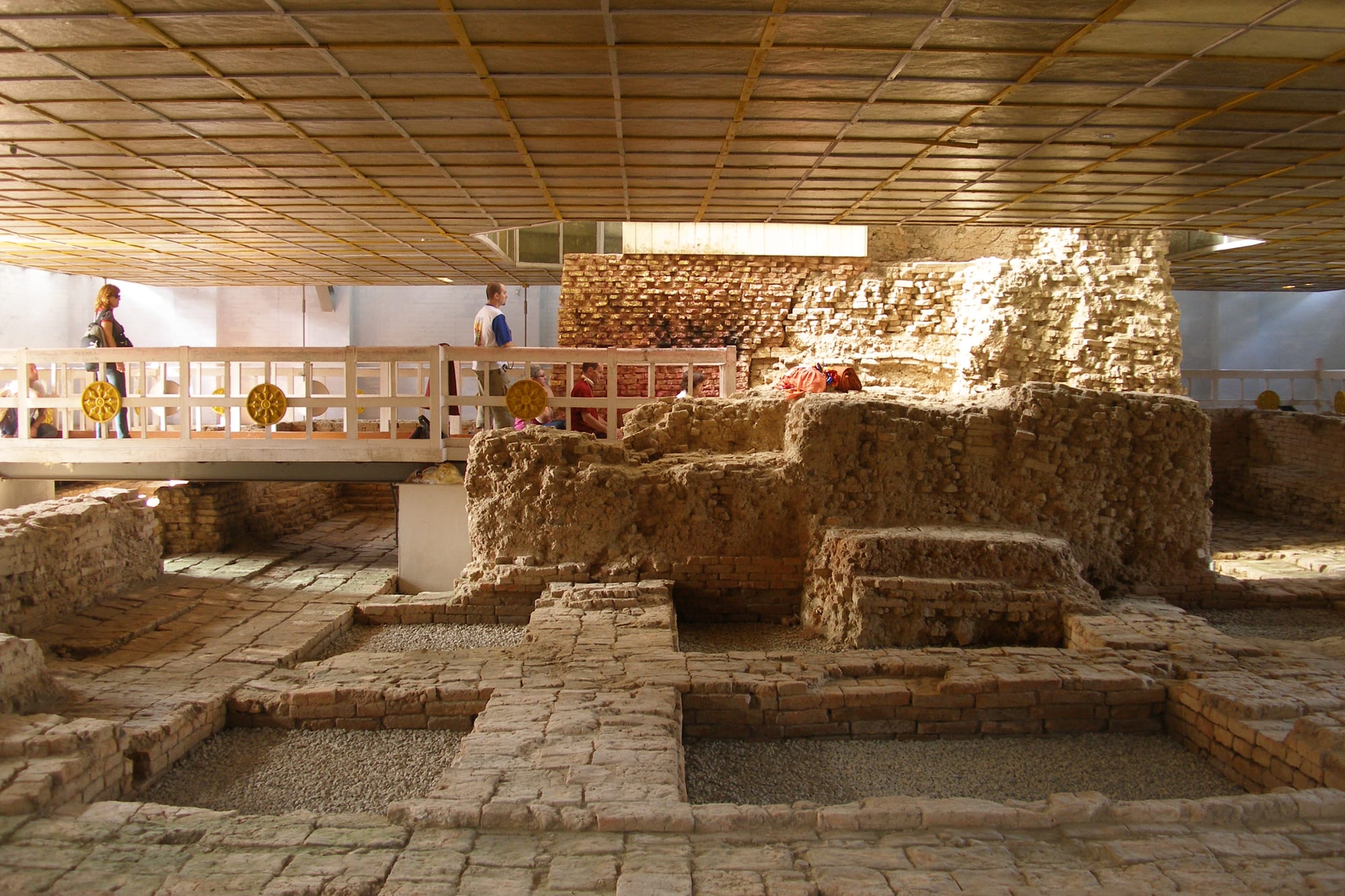
Lumbini, near the Indian border in the southern plains, is revered as the birthplace of Siddhartha Gautama, the historical Buddha, around the 6th century BC, marked by the ancient Ashoka Pillar (erected c. 249 BC) and the sacred Maya Devi Temple. It is a UNESCO World Heritage Site and a major pilgrimage destination, surrounded by monasteries built by Buddhist communities from countries across Asia, each in its own national architectural style.
It sits well off the main trekking circuit, usually visited on a dedicated trip or combined with Chitwan.
Nepal usually means picking a focus: a trekking trip built around Everest or the Annapurna region, a cultural trip through the Kathmandu Valley and Lumbini, or a combination with a few days at Chitwan — two weeks is enough to combine two of these comfortably.