Daily Life · Nauru
Nauru: Twenty Minutes Around the Whole Island
An extended family built around the mother's line, a single ring road that circles the entire country in about twenty minutes by car, and daily life reshaped by imported food, a mined-out interior, and a health crisis that touches almost every household
By Worldlore Editorial · 30 September 2026
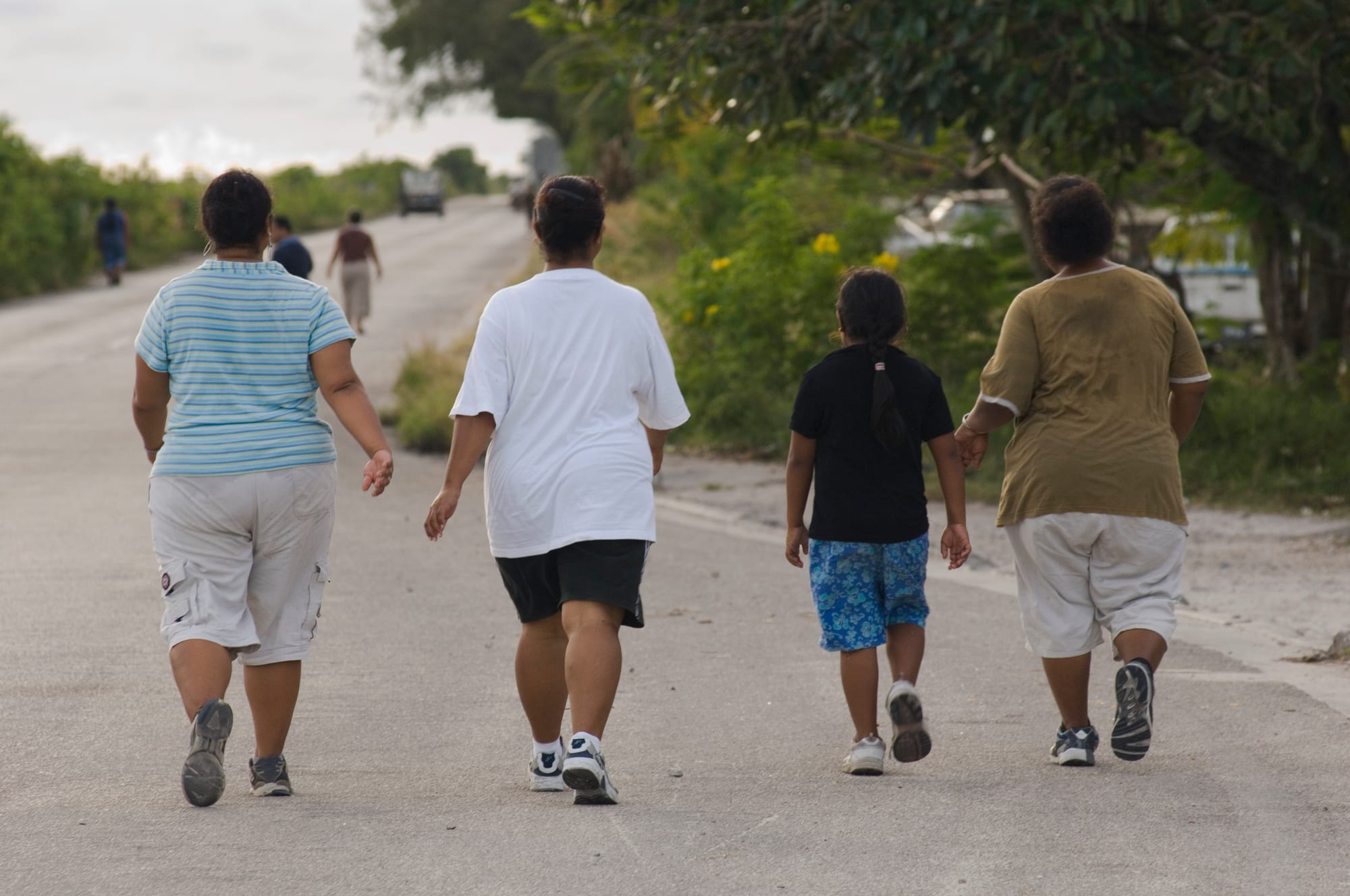
Nauru is so small that geography barely organises an ordinary day the way it does almost anywhere else: almost the whole population lives on a narrow coastal strip, since the interior was hollowed out by a century of phosphate mining, and a single sealed road loops the whole island in about twenty minutes by car. Everyone is a short drive, or a longer walk, from everyone else, and on an island of around twelve thousand people, it is genuinely normal to know most of the people you pass. What shapes daily life now has less to do with distance than with what came after the phosphate: an economy built on the government payroll and an Australian detention centre, a diet almost entirely shipped in by sea, and a health crisis, chiefly obesity and type 2 diabetes, that touches a very large share of households directly. In May 2026 parliament changed the country's official English name to the Republic of Naoero, the Nauruan spelling.
Family and home life
Nauruan society is traditionally organised around twelve clans, remembered in the twelve-pointed star on the national flag, and descent has traditionally been traced through the mother. Extended rather than nuclear households remain the norm, with an average of about six people to a household at the 2011 census, and mothers, grandmothers, aunts and sisters are often at the core of everyday support and childcare. Sharing within the extended family and the wider community, from a catch of fish to help with a family event, remains an ordinary part of daily life rather than an occasional kindness.
Work, school and the rhythm of the day
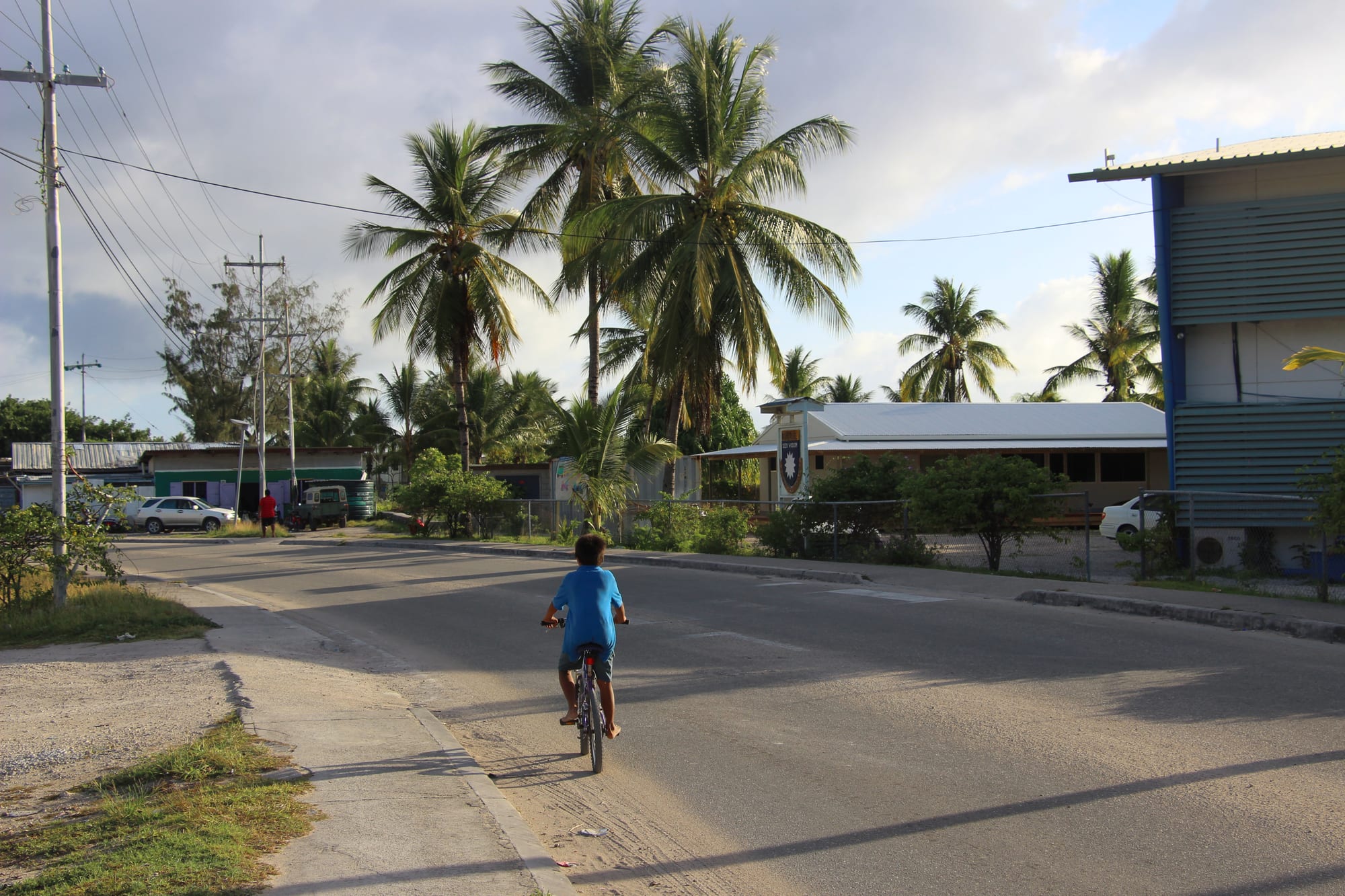
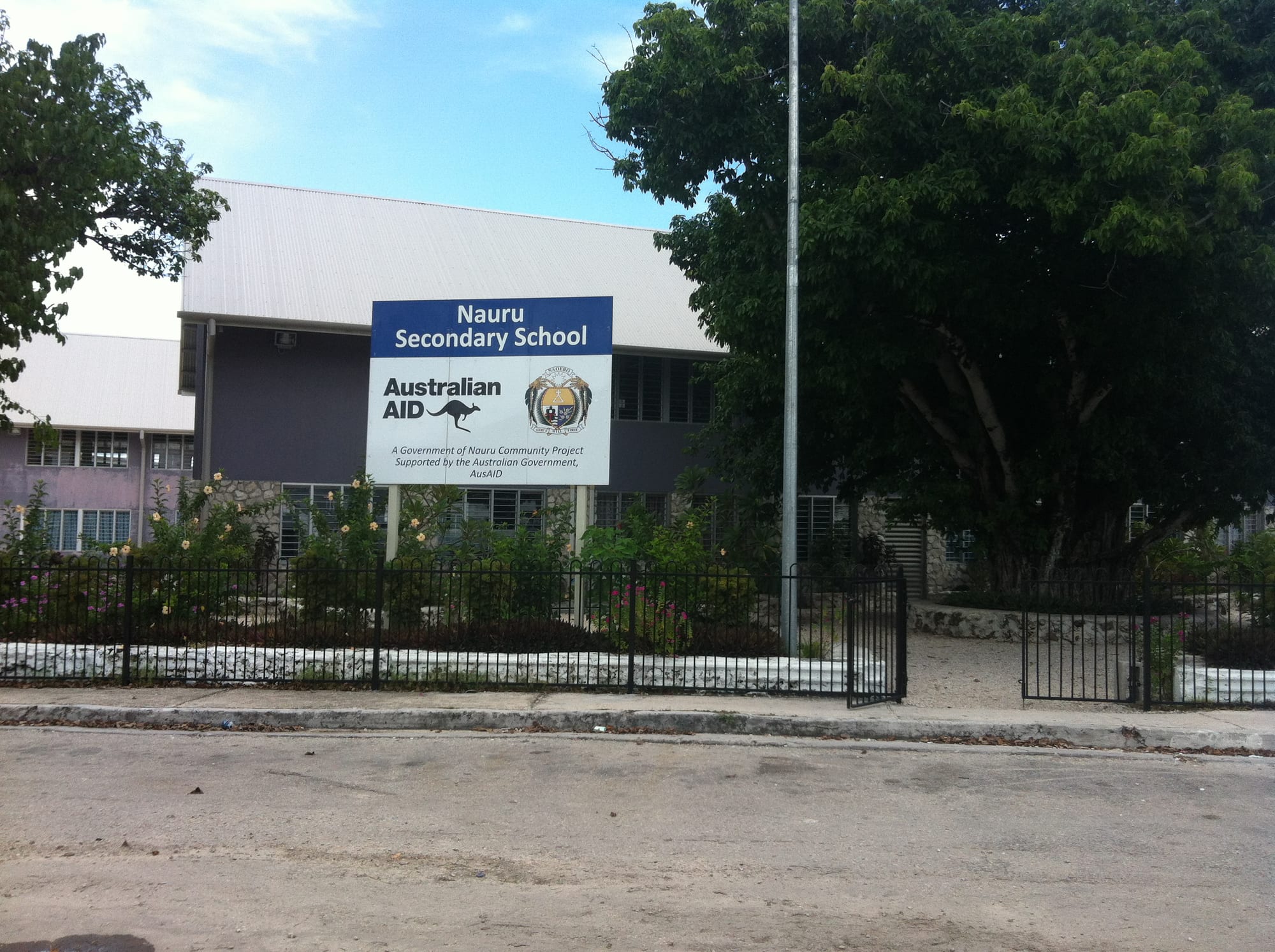
The government employs the great majority of people who have jobs, and the Australian-funded regional processing (detention) centre is a major source of work and income, alongside a small services and retail sector; there is very little other private industry left since the phosphate ran down. Schooling is compulsory from ages five to sixteen, and Nauru Secondary School follows the curriculum of Queensland, Australia, and has been a Queensland Recognised School since
- School and office hours
follow a fairly standard weekday pattern, but daily routines are noticeably car-centred even over very short distances: most people drive the ring road rather than walk it, even for trips of a few minutes.
Community life and public spaces
There is no town centre in the conventional sense: the few shops, the hospital, the airport and government buildings are strung out along the coastal strip and connected by the ring road, which functions as the country's real public space, driven, walked and cycled constantly despite the short distances involved. Church is a major gathering point, Nauru being predominantly Christian, and extended family gatherings do much of the work that a town square or market might do elsewhere. Buada Lagoon, an inland freshwater lake ringed by palms, is one of the few shared green spaces left after a century of mining reshaped the rest of the interior.
Free time and weekends
Community walks and fitness events around the ring road, like the one pictured above, are a recognised response to the health crisis and a genuine part of the social calendar, alongside more traditional pastimes: Australian rules football is the most popular sport, played and watched on weekends, and weightlifting, a national pastime, has won Nauru Commonwealth Games gold medals. Fishing, from the shore or by boat beyond the reef, remains both a livelihood and a weekend pursuit for many families, and church activities and extended-family gatherings fill much of the rest of free time.
A visitor's ordinary day
Nauru has almost no tourist infrastructure, a handful of hotels, and everything is cash-based in Australian dollars, since card acceptance is very limited and the island's one bank cannot be relied on for ATM withdrawals. There is no public transport and only informal taxis, so hotels typically arrange a vehicle for guests. Shops keep modest hours, the single road closes briefly whenever a flight lands or takes off, since it crosses the runway, and medical care for anything serious means evacuation to Australia, so travel insurance that covers this is essential.
What to take away
On an island this small, an ordinary day is defined less by distance than by how tightly family, church and the single road that circles it all hold Nauru's daily life together.