History · Nauru
Nauru: The Island That Was Sold
The world's smallest republic — a single phosphate rock strip-mined for a century, briefly among the richest countries on Earth, then bankrupt, and now living on payments to hold other countries' asylum seekers
By Worldlore Editorial · 19 September 2026
The smallest republic
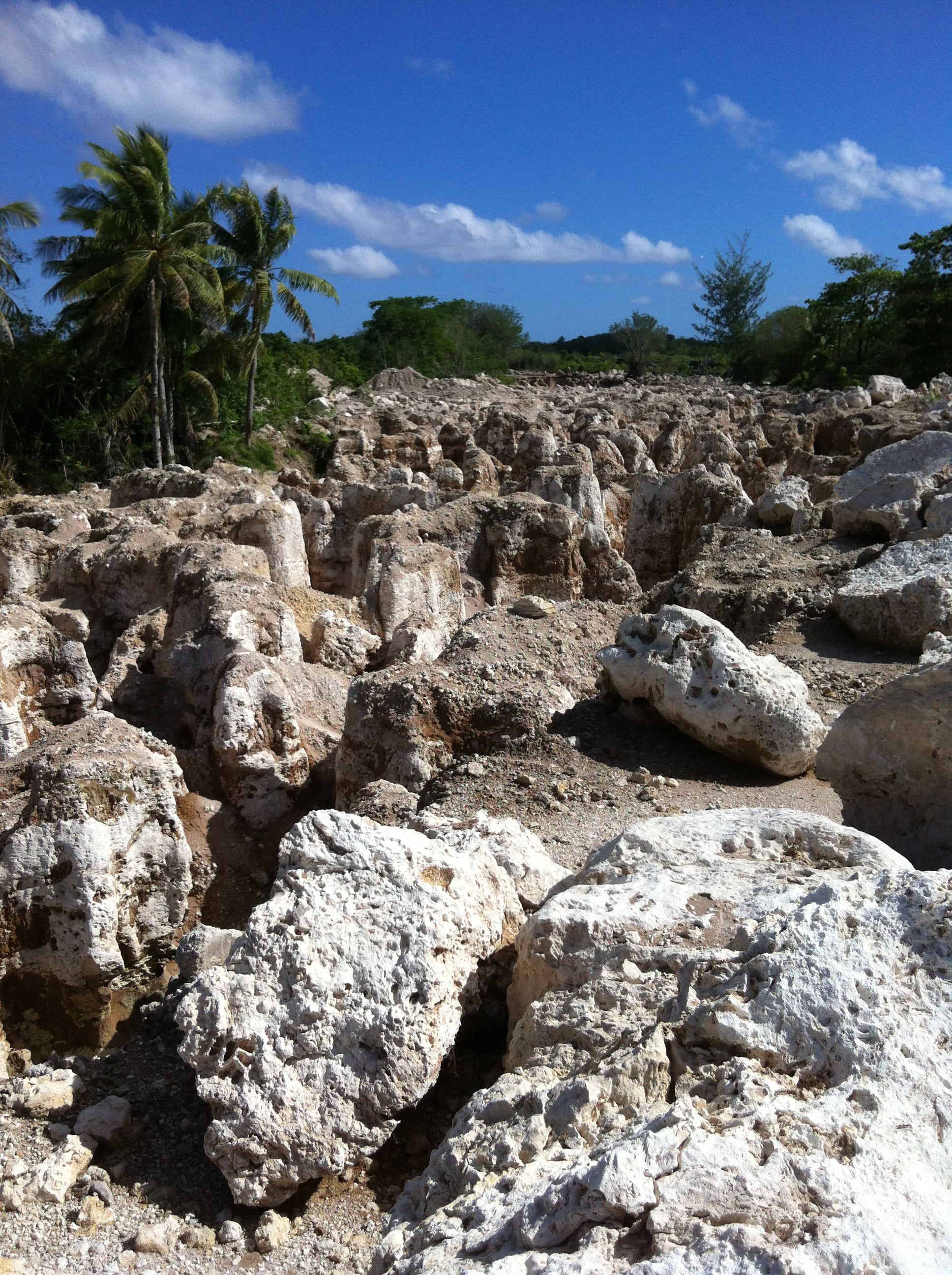
Nauru is a single raised coral island in the central Pacific, 21 square kilometres, the smallest republic in the world, with about 12,000 people. It has no capital, one language of its own, and a history that is almost entirely about one substance: phosphate rock, mined out from under the island over a century. That rock made Nauru, briefly, one of the wealthiest countries per head anywhere — and its exhaustion, together with the squandering of the fortune, left the island bankrupt and dependent.
A short history
- c. 1000 BCE onward
Settlement
Micronesian voyagers reach the island.
- 1798
European contact
A British whaler names it "Pleasant Island".
- 1878–1888
Civil war
A decade of tribal fighting with guns kills a third of the people.
- 1888
German annexation
Order is imposed through the chiefs and missions.
- 1906
Mining begins
Phosphate — fossilised guano — is dug for export.
- 1920
Australian mandate
Nauru is mined for cheap fertiliser for Australasian farms.
- 1942–1945
Japanese occupation
Two-thirds of Nauruans are deported as forced labour.
- 1968
Independence
Nauru becomes sovereign and buys out the phosphate operation.
- c. 1970s–1980s
The boom
Among the highest incomes in the world.
- c. 2000
Collapse
The phosphate and the trust fund both run out.
Pleasant Island
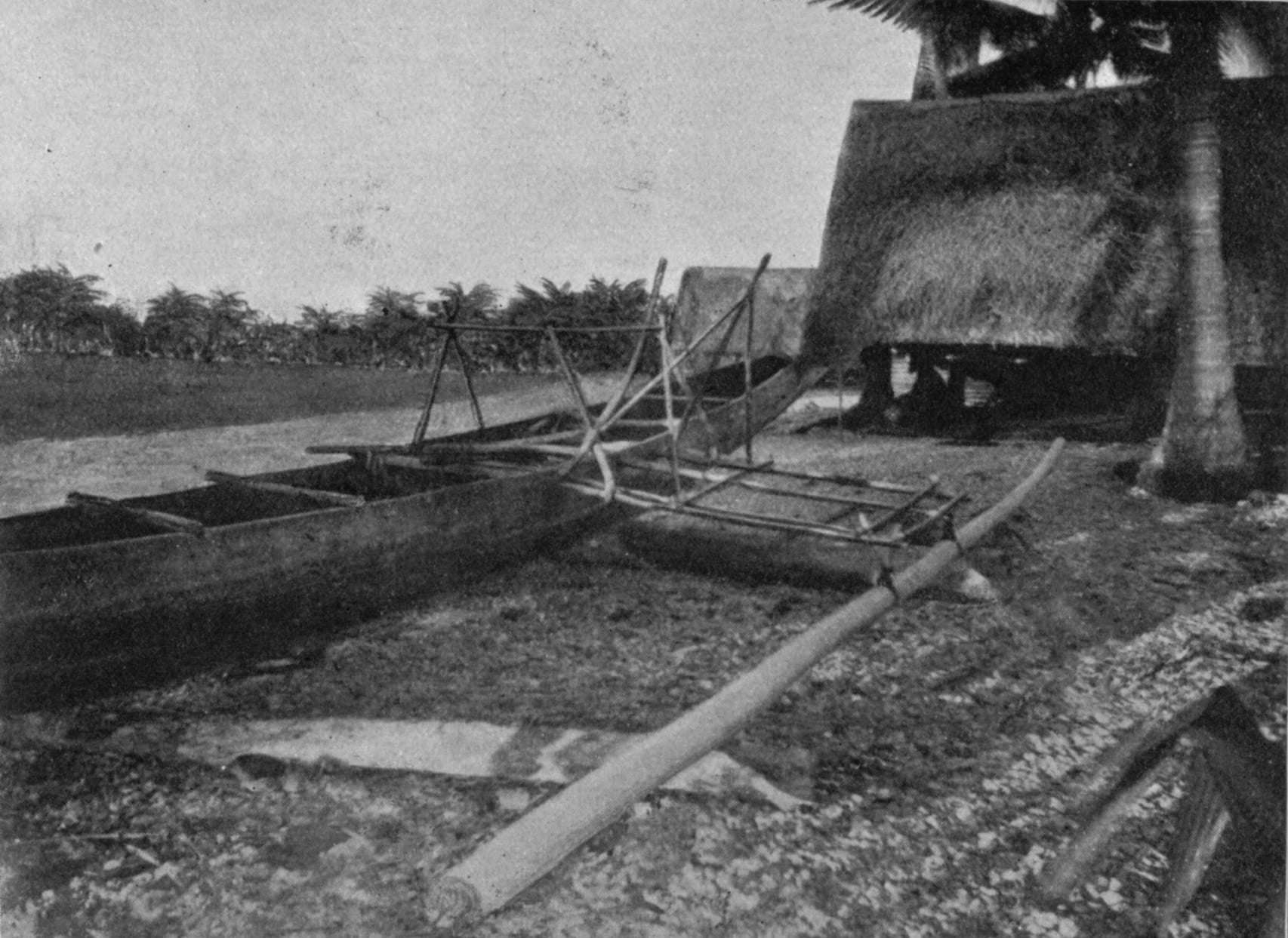
Micronesian and Polynesian voyagers settled Nauru around three thousand years ago, organised into twelve tribes — the twelve points of the star on the flag — under a matrilineal clan system, living on fish and on birds trained to hunt. European contact in 1798 brought alcohol and firearms, and a ten-year civil war among the tribes from 1878 killed about a third of the population. It ended only when Germany annexed the island in 1888 and confiscated the guns.
The phosphate century
In 1900 a prospector identified Nauru's rock as high-grade phosphate. Mining began in 1906, and after the First World War Nauru became a League of Nations mandate administered by Australia, with the phosphate dug by the same British-Australian- New Zealand body that stripped nearby Banaba — sold cheaply to Australasian farmers while Nauruans got a token royalty and watched their land destroyed. Japan occupied Nauru in 1942 and deported about 1,200 Nauruans — two-thirds of the population — as forced labour to Chuuk, where hundreds died.
Boom and bust
Nauru became independent on 31 January 1968 and bought out the phosphate operation in 1970. For about two decades it was extraordinarily rich: no taxes, free housing, health and education, government jobs for all, and an airline with more aircraft than the island could use. A trust fund was created to preserve the wealth for when the rock ran out.
The fund was catastrophically mismanaged — poured into bad property deals, a famously disastrous London musical, unrepaid loans, and outright looting — and shrank from an estimated billion Australian dollars to almost nothing. The phosphate itself was largely exhausted by around 2000. Nauru sued Australia at the International Court of Justice over the environmental devastation and settled for A$107 million. Bankrupt, the island turned to selling passports and registering shell banks, which made it a money-laundering pariah.
The detention island
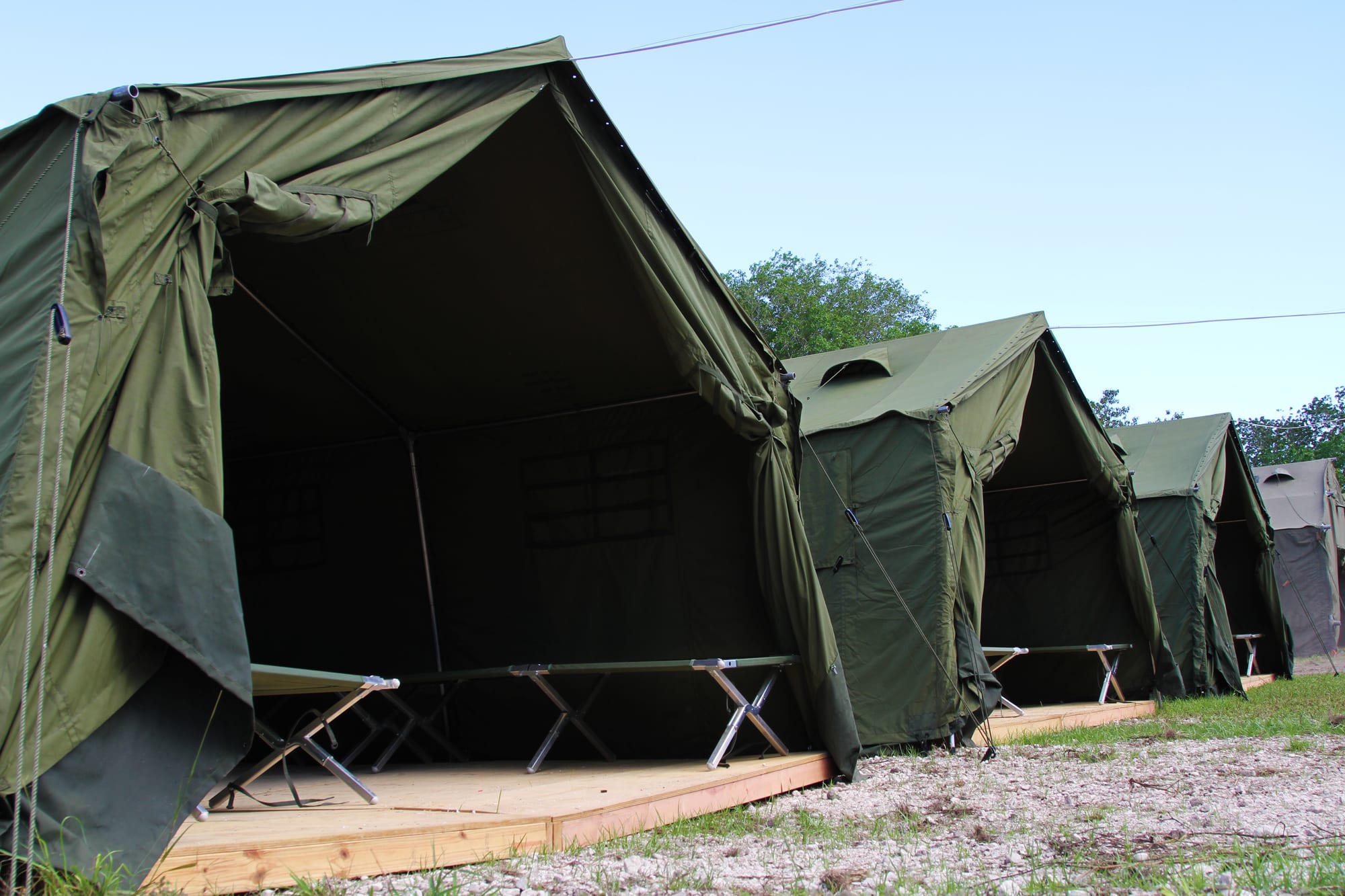
From 2001, Nauru hosted Australia's offshore centre for processing asylum seekers, and the associated payments and aid became the country's economic base. Conditions there have been extensively documented as harsh and damaging, and condemned by the UN. Nauru has also traded diplomatic recognition — of Abkhazia and South Ossetia, and repeatedly between Taiwan and China — for aid. Nearly all its food and fuel is imported, and it has among the highest rates of obesity and diabetes in the world.
What Nauru carries
Nauru is a case study in a resource curse compressed onto a single island. The phosphate that was its entire economy was also its entire land; mining it made the island rich and uninhabitable at the same time, and the money did not outlast the rock. What remains is a strip-mined interior, a population dependent on payments for holding other countries' refugees, and a proposal to start mining the seabed next.